Zoning Laws for Agricultural Properties: What Landowners Need to Know
19 June 2026
If you're thinking about purchasing agricultural land or you're already a proud landowner, zoning laws should be on your radar. They dictate what you can and can't do with your property—so ignoring them is like walking into a minefield blindfolded. Understanding zoning regulations means the difference between running a thriving farm and watching your agricultural dreams crumble under legal red tape.
In this guide, we’ll break down zoning laws for agricultural properties in a no-nonsense, easy-to-digest way. We’ll cover everything from permitted land uses to zoning restrictions and the loopholes that might just save your bacon.
What Exactly Are Zoning Laws?
Let’s start with the basics. Zoning laws are local regulations that govern how land is used in specific areas. These laws ensure that residential, commercial, industrial, and agricultural spaces don’t clash like oil and water. For agricultural properties, zoning laws determine:- What activities you can legally conduct on your land
- Whether you can build structures like barns or greenhouses
- How livestock and crops are managed
- Whether you can run additional businesses on the property
Agricultural zoning is designed to protect farmland from urban sprawl, but it can also come with frustrating restrictions.
The Key Types of Agricultural Zoning
Agricultural zoning isn’t a one-size-fits-all deal. Here’s a breakdown of the zoning types that impact farmland:1. Exclusive Agricultural Zoning
This is the gold standard for farming and ranching. Under exclusive agricultural zoning, non-farm uses are heavily restricted. Meaning? No shopping malls, no subdivisions, no factories—just good old-fashioned farming.2. Mixed-Use Agricultural Zoning
If you want to keep your options open, this zoning type is your best bet. Mixed-use allows certain non-agricultural activities, such as agritourism (think pumpkin patches and farm tours), farm-to-table restaurants, and even small-scale commercial ventures.3. Rural Residential Zoning
This is where things get tricky. Rural residential zoning permits both homes and limited farming activities, but large-scale agricultural operations might not cut it. If you're planning to run an industrial-sized farm, this zoning type could be an obstacle.4. Open Space Zoning
If you’re picturing wide-open landscapes and protected farmland, you’re spot on. Open space zoning is meant to preserve agriculture, nature, and scenic views, but it often comes with serious limitations on development.
Common Zoning Restrictions for Agricultural Land
Owning agricultural land doesn’t mean you have free rein to do whatever you want. Here are some common restrictions that could throw a wrench into your plans:1. Livestock Limits
Thinking about raising cattle, pigs, or chickens? Some zoning laws put strict limits on the number of animals you can have per acre. Others outright ban certain livestock in specific areas.2. Building Restrictions
Want to build a barn, greenhouse, or farmhouse? Zoning laws may require permits, approvals, and specific setbacks from property lines. Some areas even limit the height and size of agricultural structures.3. Land Use Regulations
Not all agricultural zones allow commercial farming. Some regions prevent property owners from selling crops, dairy, or meat products unless they meet strict regulations.4. Water Rights and Irrigation Rules
Water is life in farming, but zoning laws often dictate how much you can use, where you can source it, and whether you need special permissions for irrigation systems.5. Environmental Regulations
If your land includes wetlands, forests, or protected wildlife habitats, expect extra zoning hurdles. Environmental laws may restrict farming activities to prevent soil erosion, water contamination, and habitat destruction.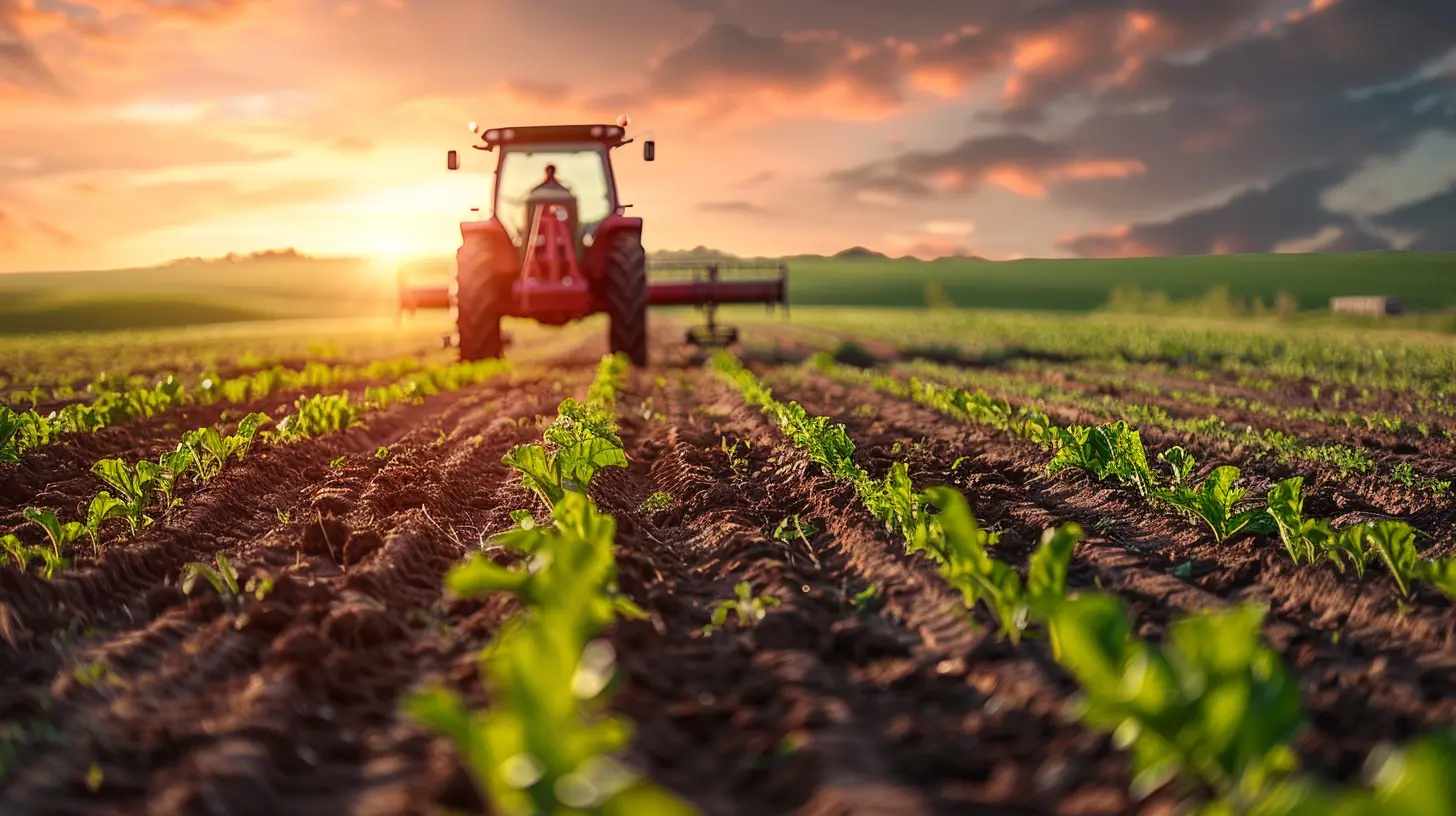
How to Find Out Your Land’s Zoning
Before you start plowing fields or raising livestock, you need to know what your property is zoned for. Here’s how:1. Check Your Local Government’s Website – Most counties have zoning maps and regulations available online.
2. Contact the Planning & Zoning Department – Local zoning officials can give you detailed information about what’s allowed on your land.
3. Review Your Property Deed – Deeds sometimes include zoning classifications and restrictions.
4. Hire a Land Use Attorney or Consultant – If zoning laws seem like reading ancient hieroglyphics, a professional can help you decipher the rules.
Can You Rezone Agricultural Property?
Got a piece of land that doesn’t fit your vision? You might be able to rezone it, but brace yourself—it’s not easy. The process usually involves:- Filing a Rezoning Application – Your local zoning board will require detailed plans.
- Public Hearings – Neighbors and community members often get a say in whether your land gets rezoned.
- Environmental and Infrastructure Assessments – If your change could disrupt the local ecosystem, expect pushback.
- Approval from Local Officials – The final decision rests in the hands of zoning boards, city councils, or county commissioners.
Rezoning can take months (or even years) and is often met with resistance, so make sure it’s worth the effort before diving in.
Loopholes That Can Work in Your Favor
Thankfully, zoning laws aren’t always airtight. Here are a few legal workarounds that might help bypass restrictions:1. Special Use Permits
Some zoned properties allow landowners to apply for conditional use or special use permits—essentially an exception to the zoning rules.2. Agricultural Exemptions
In many states, landowners can apply for agricultural exemptions that reduce property taxes and provide more flexibility in land use.3. Variances
If your plans don’t fit within standard zoning laws, you can request a variance. This is like asking for a hall pass to bend the rules—approval depends on your local zoning authorities.4. Grandfathering
If your property was used for a certain purpose before new zoning laws took effect, it may be "grandfathered in," meaning you can continue using it as before.The Real Risks of Ignoring Zoning Laws
Think you can just sidestep zoning laws and hope no one notices? Think again. Ignoring zoning restrictions can lead to:- Fines & Penalties – Violating zoning laws often results in hefty fines, and they add up fast.
- Legal Action – Authorities can slap you with a lawsuit, forcing you to comply.
- Forced Property Modifications – If you build something illegally, you may be ordered to remove it—on your dime.
- Difficulty Selling – Properties with zoning violations can be a nightmare to sell.
Bottom line? Play by the rules, or you’ll pay the price.
Final Thoughts
Owning agricultural land isn’t just about planting crops and raising livestock—it’s about understanding zoning laws that dictate what you can and can’t do. These laws can be frustrating, but knowing them upfront can save you a world of trouble down the line.Whether you’re buying farmland, expanding operations, or considering rezoning, always do your homework. Zoning laws aren't just bureaucratic nonsense—they protect your investment, your business, and the future of agriculture itself.
all images in this post were generated using AI tools
Category:
Zoning RegulationsAuthor:

Travis Lozano
Discussion
rate this article
1 comments
Emmett Williams
Understanding zoning laws is crucial for landowners to manage agricultural properties effectively.
July 1, 2026 at 12:00 PM