How to Handle Lowball Offers with Grace and Strategy
24 June 2026
Selling a home is an emotional journey. You’ve poured years of love, effort, and maybe even a few tears into your property. So, when a buyer throws you a lowball offer—one that feels like an insult—you might feel frustrated, even downright offended. But before you slam the door on negotiations, take a deep breath. Handling lowball offers with grace and strategy can keep the deal on track and help you come out ahead.
In this guide, we’ll walk you through the best ways to respond to lowball offers without losing your cool, while keeping your ultimate goal in mind—selling your home at a price that makes sense.

What Exactly Is a Lowball Offer?
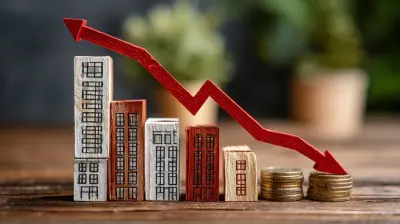
A lowball offer is an offer from a buyer that is significantly below your asking price—typically 25% or more below what you’re asking. While some buyers intentionally make low offers to test the waters, others may genuinely believe their offer is fair based on their budget or what they think the home is worth.Regardless of the buyer’s motivation, your response to a lowball offer can set the tone for future negotiations. Instead of seeing it as a personal attack, consider it an opening move in a game of chess—strategy is key.

Why Do Buyers Make Lowball Offers?
Understanding why a buyer submits a lowball offer can help you craft the perfect response. Here are a few common reasons:1. They Think the Market Favors Buyers
In a buyer’s market, where there are more homes for sale than buyers, some buyers expect sellers to accept significantly lower offers. They may feel they have the upper hand and want to take advantage of the conditions.2. They’re Testing Your Negotiation Limits
Some buyers simply like to negotiate. They believe that starting low gives them room to move up while still getting a deal.3. They’re Misguided About the Home’s Value
Not every buyer does thorough research. They may have miscalculated the value of homes in your area or are relying on outdated or incorrect information.4. They Have a Tight Budget
Sometimes, buyers submit low offers because that’s all they can afford. They may be hoping for a miracle deal, even if it’s unrealistic.5. They Think Your Home Needs Work
If they notice repair issues or outdated features, they might assume the price should be adjusted downward to compensate for renovation costs.
How to Respond to a Lowball Offer Like a Pro
Rather than reacting emotionally, take a strategic approach. Here’s how to handle lowball offers with grace and tact:1. Keep Your Cool
First things first—don’t take it personally. Selling a home is business, and buyers will always try to get the best deal possible. A lowball offer isn’t an attack on you or your home—just a negotiation tactic.Take a step back, breathe, and remind yourself that the buyer is just testing the waters. Overreacting or shutting down negotiations too quickly could kill a potential sale before it even starts.
2. Respond, Don’t Reject
Even if the offer seems ridiculously low, resist the urge to ignore it or outright reject it. Instead, make a counteroffer. This shows the buyer you’re open to negotiations, which could lead to a better deal.3. Counteroffer with Data and Confidence
If you believe your asking price is fair, back it up with comparable sales (comps) from your neighborhood. Providing data and market trends can help educate the buyer if they’re misinformed about the home’s actual value.For example, you could counter by saying:
"We appreciate your interest in our home. However, based on recent sales of similar properties in this area, our price reflects fair market value. We’re happy to negotiate, but we believe a more reasonable offer will get us closer to a deal."
4. Highlight Your Home’s Value
If buyers are undervaluing your home, remind them why it’s worth the price. Emphasize unique features, recent upgrades, or desirable neighborhood qualities. If you’ve already priced the home competitively, make sure they understand that.A well-prepared seller can say something like:
"Our home has a newly renovated kitchen, a spacious backyard, and is located in a top-rated school district. The asking price reflects these features, which are in high demand."
5. Stay Firm, But Flexible
If the offer is significantly below your asking price, counter with a number that’s close to your original price. This signals that while you’re open to negotiation, you won’t entertain unreasonable discounts.For example, if your home is listed at $400,000 and you receive an offer of $300,000, you might respond with $390,000 to show you’re flexible but serious.
6. Consider Other Terms
Sometimes, price isn’t the only negotiable factor. If the buyer can’t budge much on price, consider negotiating other terms that work in your favor, such as:- A faster closing timeline
- A higher earnest money deposit
- Fewer contingencies (like waiving inspection or appraisal conditions)
If the buyer is willing to meet some of your non-price needs, the lower offer might still be worth considering.
7. Gauge the Buyer’s Seriousness
Not all buyers submitting lowball offers are serious. Some are just fishing for a ridiculously good deal. Ask for proof of pre-approval or a letter from their lender to assess whether they’re genuine buyers or just window shoppers.8. Know Your Bottom Line
Before negotiations begin, determine the lowest price you’re willing to accept. This helps you stay firm during back-and-forth negotiations without getting emotionally swayed. If the buyer isn’t willing to meet your minimum price, it might be best to walk away and wait for a better offer.9. Create a Sense of Urgency
If you’re getting other interest in your home, use it to your advantage. Politely inform the buyer that while you appreciate their offer, there are other parties interested, so they may need to improve their terms if they want to secure the deal.This strategy works especially well in hot markets where homes receive multiple offers.
10. Work with an Experienced Real Estate Agent
If handling negotiations feels overwhelming, enlist the help of a skilled real estate agent. They have the expertise to navigate lowball offers and can help you negotiate without letting emotions get in the way.A good agent can:
- Provide data-driven pricing strategies
- Communicate professionally with buyers
- Help craft strong counteroffers
- Protect your best interests throughout the process

Final Thoughts
Receiving a lowball offer can be frustrating, but it doesn’t have to derail your home sale. By staying calm, responding strategically, and focusing on negotiation tactics, you can turn a low offer into a solid deal.At the end of the day, selling a home is a give-and-take process. Not every low offer is meant to offend—sometimes it’s simply a starting point. Approach each negotiation with patience and strategy, and you’ll increase your chances of closing at the price you deserve.
all images in this post were generated using AI tools
Category:
Real Estate NegotiationAuthor:

Travis Lozano
Discussion
rate this article
1 comments
Samuel Velez
Lowball offers can be frustrating, but responding professionally and strategically can preserve relationships and open doors for negotiation. Focus on facts and maintain your composure.
June 28, 2026 at 2:33 AM
Travis Lozano
Absolutely, staying professional can turn a frustrating situation into a constructive dialogue. It sets the stage for better negotiations down the line.