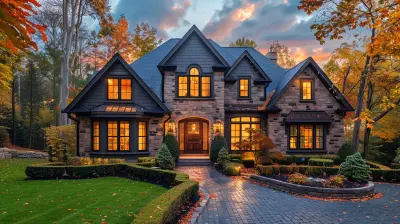
What You Need to Know About Historic District Zoning
1 February 2026
Ever walked down an old neighborhood and felt instantly transported to another era? The cobbled streets, charming architecture, and vintage lamp posts all whisper stories of the past. These pockets of preserved beauty are often protected by what’s called historic district zoning. And if you're planning to buy, build, or renovate in one of these areas, there's a lot you’ll want to get familiar with.
Don’t worry—I’ve got you covered. This guide breaks it all down so you’re not caught off guard. Whether you're a potential homeowner, real estate investor, or just curious about zoning rules that shape our cities, here’s everything you need to know about historic district zoning.
What Exactly Is Historic District Zoning?
Let’s start with the basics. Historic district zoning is a type of land-use regulation that protects and preserves buildings, structures, and areas with historical, architectural, or cultural significance. These rules aim to maintain the unique character of neighborhoods that have stood the test of time.Think of it as a protective bubble around areas with special charm. It ensures that new developments or renovations don’t clash with the historical integrity of the area.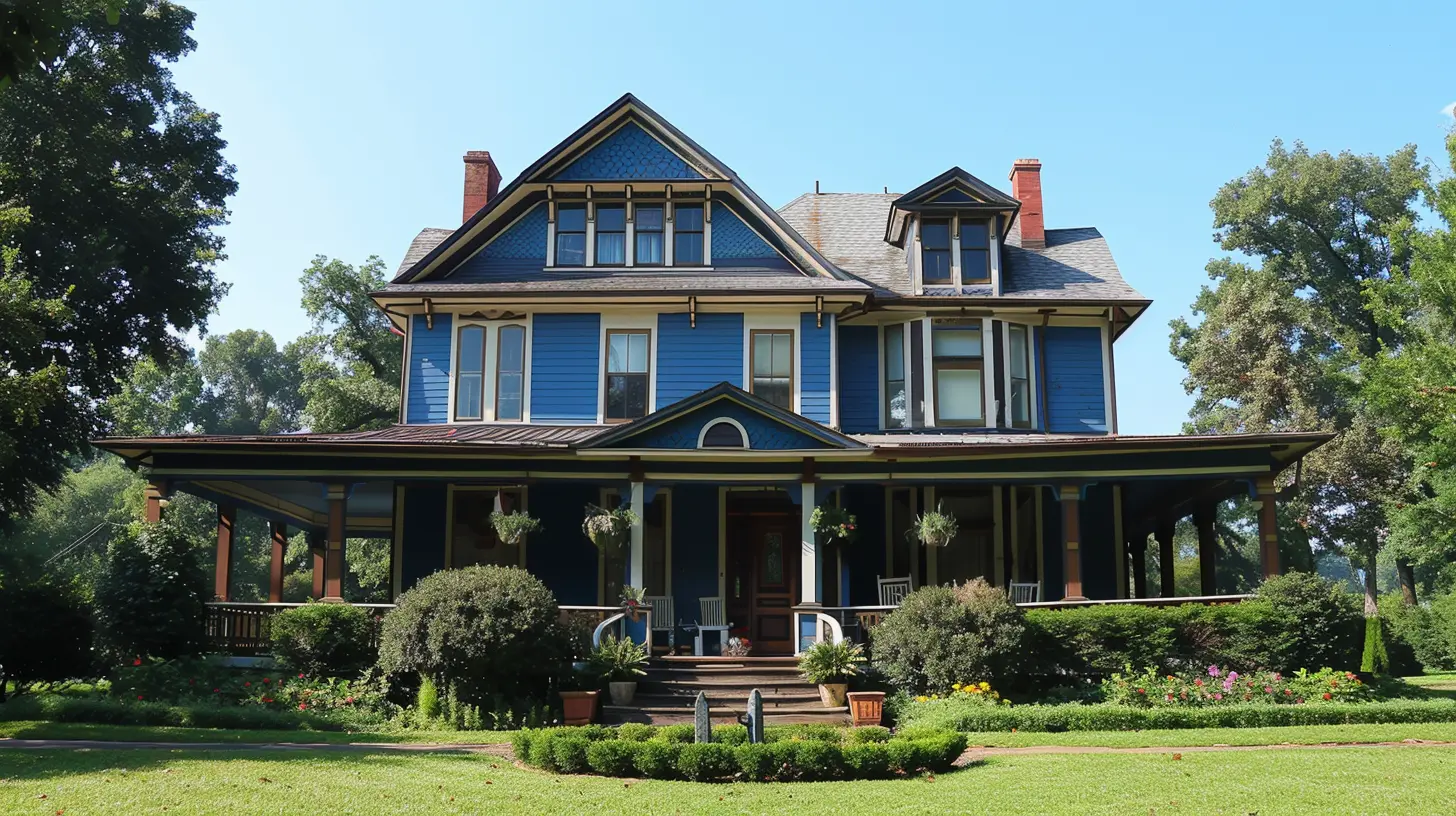
Why Do We Have Historic Districts Anyway?
You might be wondering, “Why go through all the trouble?” Here’s the thing—old neighborhoods have value beyond bricks and mortar.1. Cultural Preservation
Historic districts are like time capsules. They keep a part of our shared heritage alive. From colonial homes to mid-century modern gems, these places tell stories that span generations.2. Economic Benefits
Believe it or not, maintaining these districts can actually raise property values. Tourists love them, locals appreciate their beauty, and well-preserved properties tend to hold their value better over time.3. Environmental Sustainability
Restoring old buildings is often more environmentally friendly than demolishing and rebuilding. You’re reusing materials and reducing construction waste. It’s a win-win for history buffs and tree-huggers alike.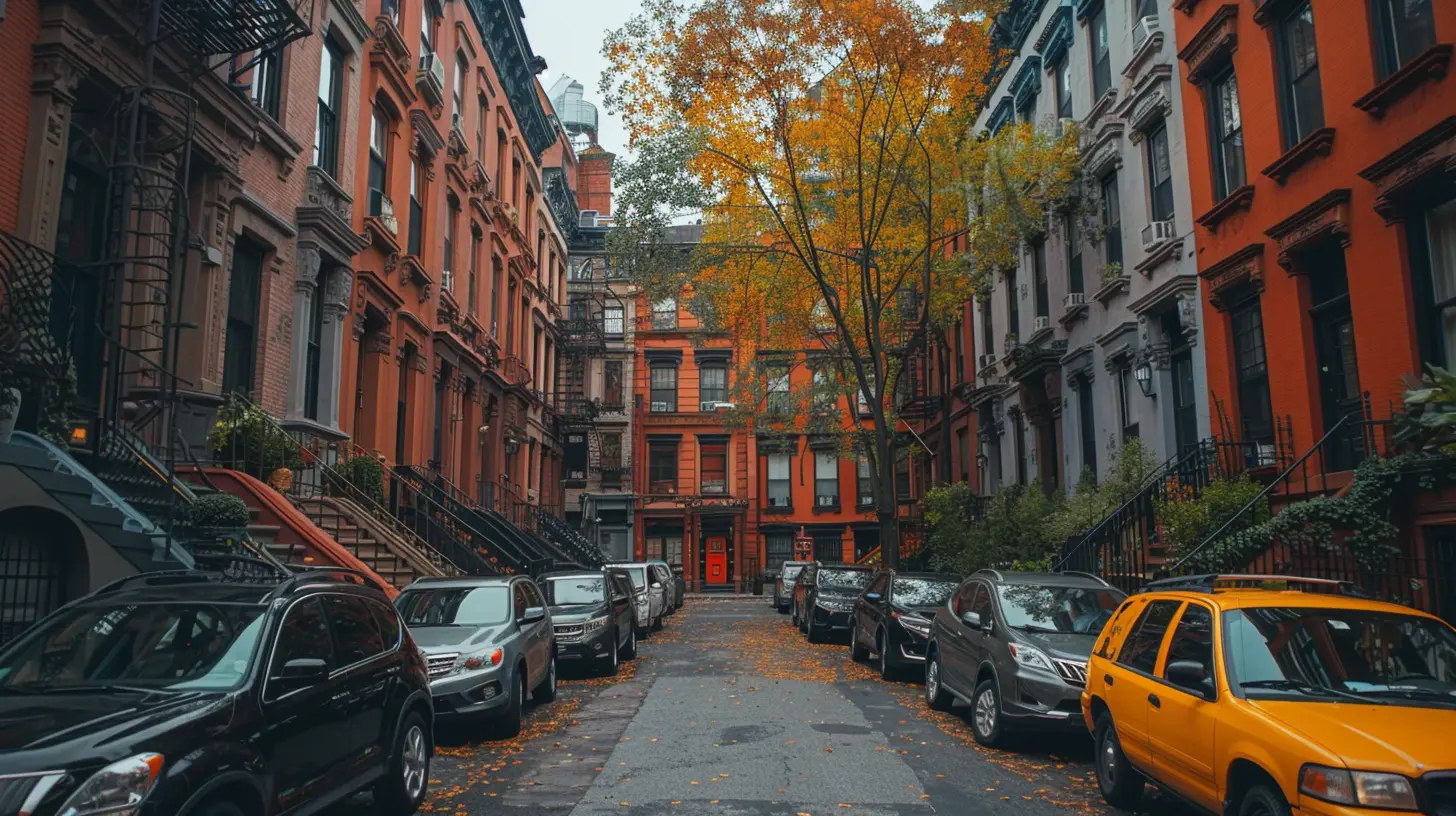
How Does Historic District Zoning Work?
Unlike typical zoning, which focuses on land use (residential, commercial, etc.), historic zoning zeroes in on aesthetics and preservation. Here’s how it usually plays out:Design Guidelines
These are detailed rules about what you can or can’t do to the exterior of a building. Want to replace your windows? Add a porch? Paint your door neon green? You’ll probably need approval first.Review Boards
Most historic districts are overseen by a local preservation commission or architectural review board. They’re like the gatekeepers of historic charm. You submit plans to them, and they give a thumbs-up or thumbs-down based on how well your project aligns with the district’s character.Certificates of Appropriateness (COA)
Before you begin any work, you may need to apply for a COA—basically a permit that says your proposed changes meet the preservation standards.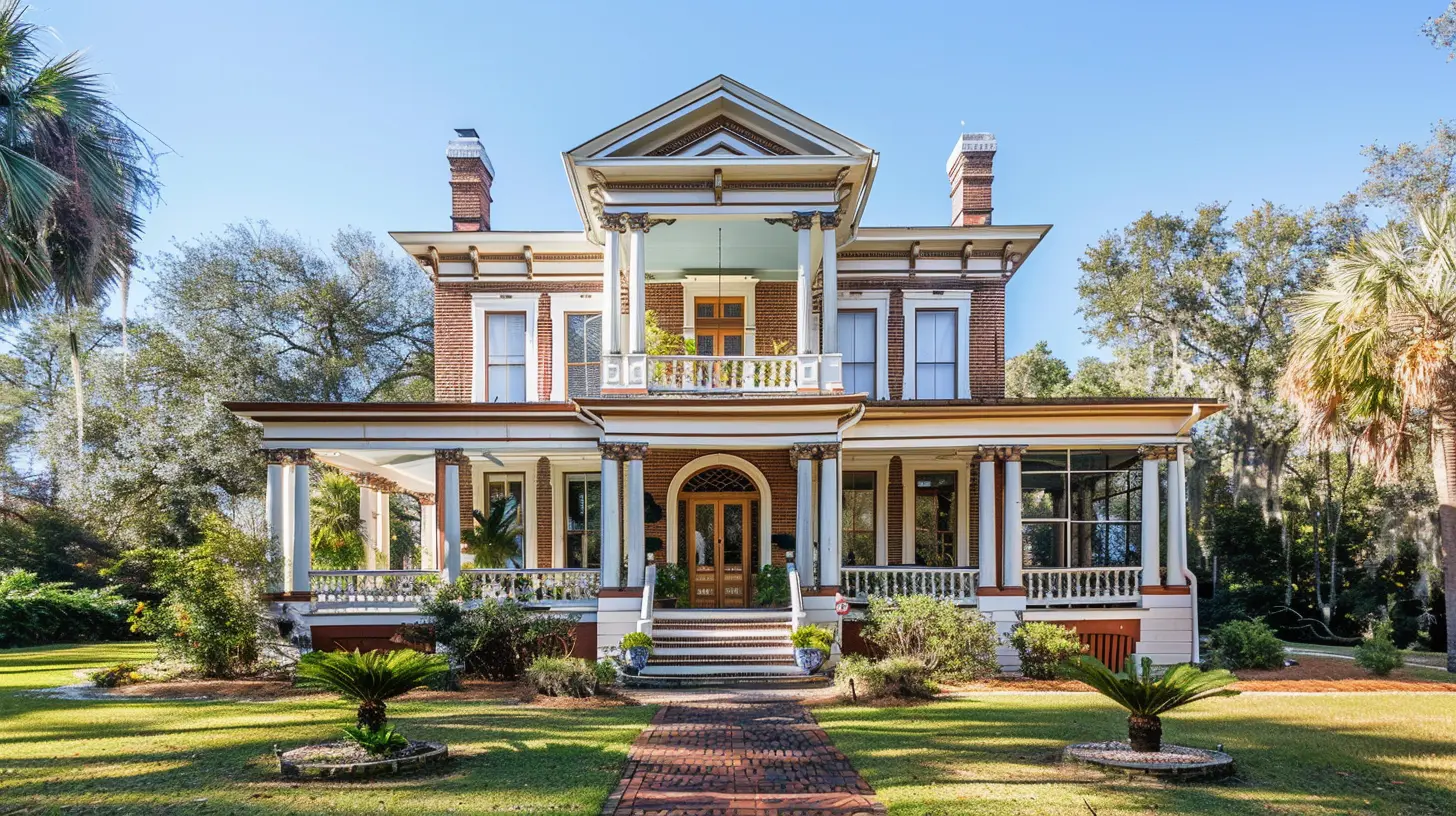
Types of Historic Districts
Not all historic districts are created equal. They can be designated at the local, state, or national level—and each comes with its own set of rules.1. Local Historic Districts
These have the strictest guidelines. They’re usually regulated by the city or town government. If you’re buying in one, expect more oversight on what you can do with your property.2. State Historic Districts
Managed by state preservation offices, these might not come with as many design restrictions. However, being in one can make you eligible for certain grants or tax breaks.3. National Historic Districts
Listed on the National Register of Historic Places, these areas are of national significance. Contrary to what many think, this federal designation doesn’t usually impose restrictions—unless federal funding is involved in a project.What This Means If You’re a Homebuyer
So you’ve fallen in love with a charming Victorian in a historic district. Good taste! But before you sign on the dotted line, here are some things to keep in mind:Pros:
- Unique architecture that you won’t find in cookie-cutter new builds.- A strong sense of community and neighborhood pride.
- Potential tax incentives for restoration work.
- Stability in home values—especially in well-maintained areas.
Cons:
- You’ll have less freedom to renovate or modify your property’s exterior.- Approval processes can be time-consuming and bureaucratic.
- Maintenance costs might be higher due to the need for period-appropriate materials.
- Some features (like old roofing or hand-crafted trim) are expensive to replace.
Buying in a historic district isn’t for everyone. But if you love the idea of preserving a piece of history—and don’t mind playing by the rules—it could be the perfect fit.
If You’re Planning to Renovate or Build
Thinking about updating a historic home? Great! But buckle up—the process might look a little different than a typical home improvement project.Do Your Homework First
You’ll want to understand the specific guidelines for your district. Some cities have the rulebook online, while others might require a visit to the planning department.Talk to the Review Board Early
Don’t wait until you’ve sunk money into architectural plans. A quick consultation with the board can save you time, hassle, and heartache.Hire Experts
Architects and contractors who specialize in historic preservation are worth their weight in gold. They know the ropes, the materials, and the expectations.Use Period-Appropriate Materials
This is a big one. Using vinyl siding or modern windows on a 1920s bungalow probably won’t fly. The board will likely ask you to use materials and designs that are in harmony with the original building.Can You Ever Make Modern Updates?
Yes—but with caveats. You can usually add modern amenities as long as they don’t disrupt the historic façade or structure. Think HVAC upgrades, interior renovations, and smart home features.It’s kind of like upgrading your grandma’s house with a Tesla parked in the driveway—as long as you don't paint it hot pink, you're probably fine.
What About Tax Incentives?
Good question! Depending on where your property is and the work you’re doing, you might qualify for state or federal tax credits. These can help offset the cost of restoration.Usually, the criteria include:
- Working on an income-producing property (like rental units).
- Meeting certain preservation standards.
- Filing the right applications before starting construction.
It’s free money—but only if you follow the rules strictly.
Common Myths About Historic District Zoning
Let’s bust a few myths while we’re at it.❌ "You can’t change anything!"
Not true. You can make changes—you just need approval first.❌ "It kills all creativity."
On the contrary, working within design constraints can spark some of the most creative solutions.❌ "It’s only for the wealthy."
Many historic districts are home to middle-class families. And there are financial incentives to make preservation more accessible.Tips for Navigating Historic District Zoning
Still with me? Here are a few final nuggets of wisdom:- Get to know your local resources – Your city or county preservation office is a goldmine of info.
- Document everything – Photos, descriptions, permits—keep it all handy.
- Build relationships – Chat with your neighbors. They’ve probably been through the ropes and can offer priceless advice.
- Stay patient – Good things take time, and dealing with red tape is part of the journey.
Final Thoughts
Historic district zoning might feel like a maze at first… but once you lean in, it starts to make sense. It’s about respect—for the past, for architectural integrity, and for community history. If you’re willing to play by the rules, the rewards are huge: you’re not just owning a home—you’re becoming a steward of history.So whether you’re buying your dream home or fixing up a forgotten gem, knowing the ins and outs of historic district zoning helps ensure your journey is smooth, smart, and satisfying.
all images in this post were generated using AI tools
Category:
Zoning RegulationsAuthor:

Travis Lozano
Discussion
rate this article
2 comments
Everett Sanchez
Historic district zoning balances preservation and development, fostering community identity while sometimes hindering progress. Understanding these regulations is crucial for informed real estate decisions and investment strategies.
February 23, 2026 at 5:56 AM
Travis Lozano
Thank you for your insightful comment! Balancing preservation and progress is indeed vital in historic district zoning, and understanding these regulations can significantly impact real estate decisions.
Dixie Jennings
Understanding historic district zoning is essential for preserving our architectural heritage while balancing modern needs. These regulations protect community character and property values. Always research local guidelines to navigate the complexities and ensure your projects respect the area’s history.
February 1, 2026 at 12:11 PM
Travis Lozano
Thank you for highlighting the importance of understanding historic district zoning. It truly plays a crucial role in preserving our architectural heritage while accommodating modern needs. Your emphasis on researching local guidelines is vital for responsible project planning.