Rainwater Harvesting: A Must-Have for Green Homes
28 December 2025
Have you ever stepped outside during a heavy rain and thought—what a waste of all that water going straight down the drain? You're not alone. In a world where water shortage is quickly becoming one of our biggest environmental issues, it’s time we all took a closer look at how we use (and more importantly, reuse) our water. That’s where rainwater harvesting steps in—a simple, smart solution that's not only eco-friendly but also incredibly efficient for sustainable living.
Whether you're planning to build a green home or looking to upgrade your existing one, adding a rainwater harvesting system is one of the smartest moves you can make. Think of it as giving your home a superpower—the ability to catch and store its own water.
Let’s break it all down, shall we?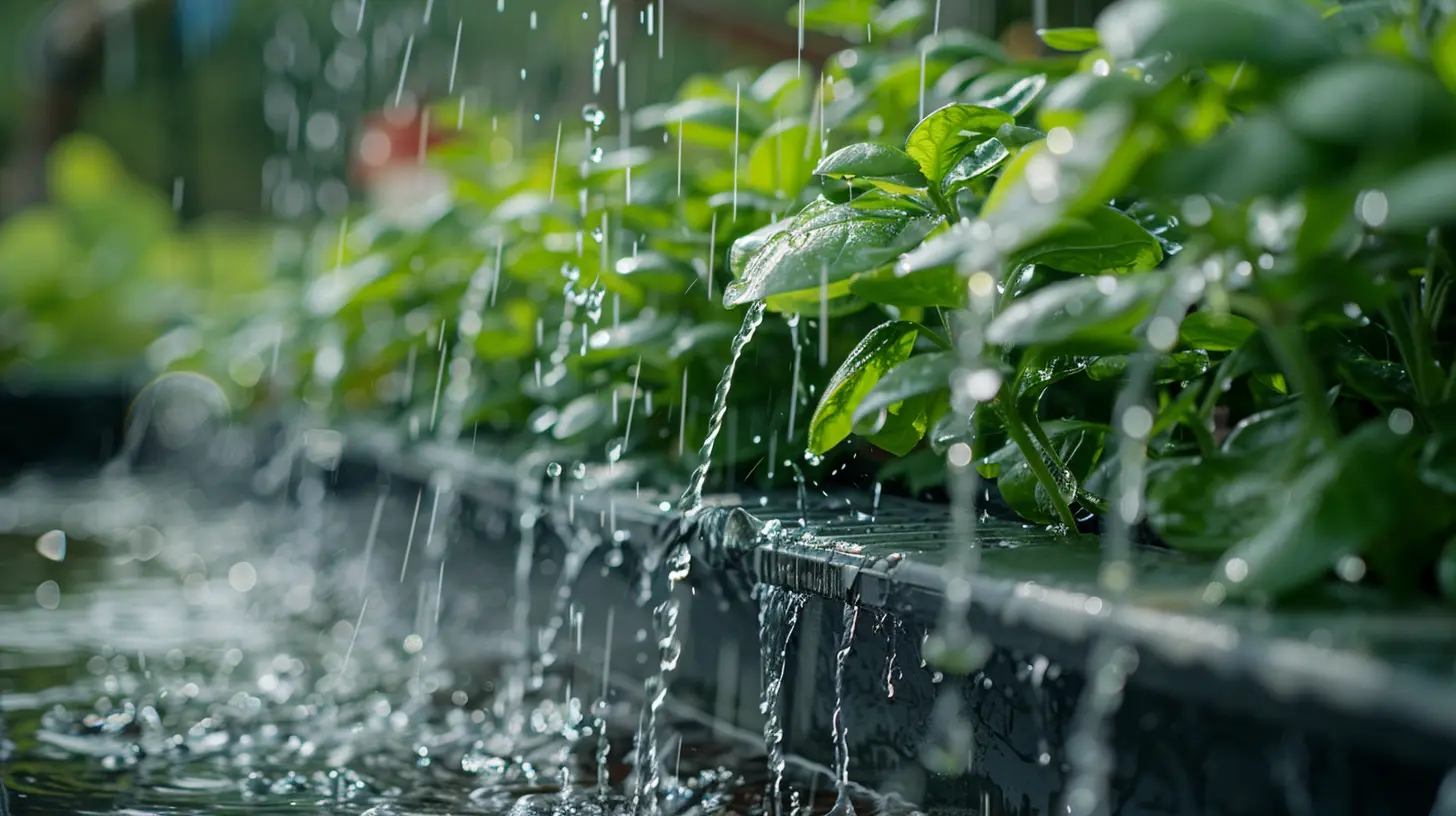
🌧️ What Exactly Is Rainwater Harvesting?
In simple terms, rainwater harvesting is the process of collecting and storing rainwater that falls on rooftops and other surfaces, so it can be reused later. Instead of watching it slide off your roof and down into the storm drains, you can gather this water in tanks or barrels and use it for things like watering your garden, flushing toilets, or even washing your car.It’s like giving Mother Nature a round of applause for offering free water—and saying, “Yes please, we’ll take it!”
🌍 Why Is Rainwater Harvesting So Important Right Now?
Let’s be real. Climate change is messing with our water cycle. Some areas are flooded one day and parched the next. We're either dealing with too much water—or not enough. And it’s not just about droughts or floods. Municipal water systems are under pressure, water bills are skyrocketing, and natural water sources are drying up.So, when we talk about green homes and sustainable living, rainwater harvesting becomes less of a nice-to-have and more of a must-have. It does more than just save water—it conserves energy, reduces your carbon footprint, and helps build climate resilience.
💧 How Does a Rainwater Harvesting System Work?
Okay, let’s get technical—but not too technical. Think of a rainwater harvesting system as a three-part symphony:1. Catchment Area: This is usually your roof—the starting point where the rain falls.
2. Conveyance System: Gutters and downspouts that direct the rain from your roof to a storage area.
3. Storage: Tanks, barrels, or even underground cisterns that keep the water safe and clean for later use.
Fancy filters can also be added to keep debris, leaves, and bugs out. If you're planning to use the water for indoor uses (like flushing toilets), you’ll need a bit of plumbing and maybe a water treatment system. But don’t worry—it’s all totally doable.
🏡 Benefits of Rainwater Harvesting in Green Homes
Now comes the fun part. Let’s talk about why rainwater harvesting totally rocks for sustainable homes.1. 🌱 It Makes Your Home Truly Sustainable
If you’re going to call your home “green,” you’ve got to walk the talk. Collecting rainwater helps you reduce dependency on municipal water. That means fewer resources used in treating and pumping water to your home.2. 💸 Slash Those Water Bills
Rainwater is free. Let that sink in! Once you’ve got your system in place, you can use harvested water for so many everyday needs. Over time, this translates into serious savings on your water bill.3. 🌿 Perfect for Gardening
Plants love rainwater more than tap water. Why? Because it’s naturally soft, free from chemicals like chlorine and fluoride. Your garden will literally thrive on it.4. 🏘️ Reduces Stormwater Runoff
All that rain running off your roof can cause local flooding, erosion, and pollution. By capturing rainwater, you’re doing your bit to protect the environment—and your neighborhood.5. 🤷♀️ Water Independence
Ever experienced a water shutdown or shortage? With your own water reserve, you’re not at the mercy of unpredictable supply issues. That kind of independence is empowering.📦 Types of Rainwater Harvesting Systems
Not all rainwater harvesting systems are the same. There are a few setup options, depending on your space and needs:1. Rooftop Rainwater Harvesting
This is the most common method. Rainwater is collected from your roof, passes through a filter, and is stored in a tank.2. Surface Runoff Harvesting
Here, water from surfaces like driveways, gardens, or open ground is channeled into a collection system. It’s typically used in larger properties where rooftop surface isn’t enough.3. Recharge Wells or Pits
Rather than storing rainwater above ground, this method uses the water to replenish underground aquifers. Great for areas struggling with falling groundwater levels.🛠️ DIY or Pro Installation?
Here’s the million-dollar question: should you do it yourself or hire a pro?If you’re handy and want a basic system (like a rain barrel attached to your gutter), DIY is absolutely doable. You’ll find tons of kits online. But if you're aiming to integrate it with your home's plumbing or need a larger system, it’s best to bring in the experts.
Sure, it’s an investment upfront. But think of it like putting solar panels on your home—totally worth it in the long run.
🧽 Maintenance Is Key
Good news: rainwater systems aren’t high-maintenance. But they do need a little love.- Clean out gutters regularly.
- Check for cracks or leaks.
- Empty and clean filters.
- Drain tanks once in a while to prevent mosquito breeding.
A little effort goes a long way—and ensures your system runs smoothly for years.
🏘️ Rainwater Harvesting in Urban and Rural Settings
You might be thinking, “I live in a city—is this even possible?” Absolutely! Urban rainwater harvesting is trending, especially in smart cities that promote green infrastructure.Even apartment buildings can participate. Shared storage tanks, green rooftops, and community gardening projects all benefit from harvested rainwater.
In rural areas, the benefits are even more impactful. With limited access to treated water, rainwater harvesting provides a much-needed, sustainable water source.
📜 Legal and Regulatory Stuff You Should Know
Every region has its own rules around collecting rainwater. Some areas encourage it and even offer incentives. Others have limitations, especially where water rights are a concern.So before you install a system, check with your local municipality or housing authority. You might even qualify for tax breaks or rebates—bonus!
🌦️ Is It Worth It? (Spoiler: Yes, It Is)
Still on the fence? Picture this: It’s a hot summer day. Your town just issued water restrictions. Your neighbor’s lawn is turning brown. But your garden? Lush and green, thanks to the rainwater you stored months ago.Rainwater harvesting doesn’t just save water. It saves stress, money, and our planet’s future. In a world that’s getting increasingly unpredictable, that peace of mind is priceless.
🚀 How to Get Started Today
Ready to take the plunge (pun intended)? Here’s a quick roadmap to get you going:1. Assess your roof size and rainfall volume in your area.
2. Choose the type of system that suits your needs (basic barrel vs full plumbing integration).
3. Set a budget.
4. Decide if you’ll DIY or hire a contractor.
5. Check for local laws and possible incentives.
6. Maintain it regularly and watch the benefits flow in!
🌈 In Conclusion: Small Action, Big Impact
Rainwater harvesting isn’t just for eco-warriors and off-grid aficionados. It’s for anyone who cares about sustainability, saving money, or simply doing right by the planet.It’s one of those rare home upgrades that pays you back in more ways than one. It's smart, it's simple, and above all—it's necessary.
So the next time it rains, don’t just watch it pour. Catch it. Save it. Use it. Your home—and our planet—will thank you.
all images in this post were generated using AI tools
Category:
Sustainable HousingAuthor:

Travis Lozano
Discussion
rate this article
2 comments
Darius Sharp
Rainwater harvesting is an essential component for sustainable home design. It reduces water consumption, lowers utility costs, and contributes to environmental conservation. Implementing this system not only enhances a property's eco-friendliness but also increases its value in today's green-conscious real estate market.
January 18, 2026 at 12:44 PM
Travis Lozano
Thank you for highlighting the importance of rainwater harvesting! It truly is a vital aspect of sustainable home design that offers both environmental benefits and added value.
Franklin Smith
Why let rainwater go to waste when you can turn your roof into the ultimate spa? With rainwater harvesting, your home can be as eco-friendly as a yoga-loving tree hugger—minus the awkward poses. Let’s catch some raindrops!
December 29, 2025 at 3:30 AM
Travis Lozano
Absolutely! Rainwater harvesting not only conserves water but also enhances sustainability and turns your home into an eco-friendly oasis. Let’s embrace those raindrops!