How Local Zoning Laws Affect Your Foreclosed Property Purchase
4 February 2026
Buying a foreclosed property can be a fantastic way to snag a bargain, but there’s a catch—local zoning laws could make or break your investment. Imagine buying a home, thinking it’s your dream project, only to find out you can’t use it the way you intended. Frustrating, right?
Zoning laws dictate what you can and can’t do with a property. Whether you’re looking to flip a home, rent it out, or even convert it into a commercial space, understanding local zoning regulations is crucial. Let’s dive into how these laws can impact your foreclosed property purchase and how you can stay ahead of potential roadblocks. 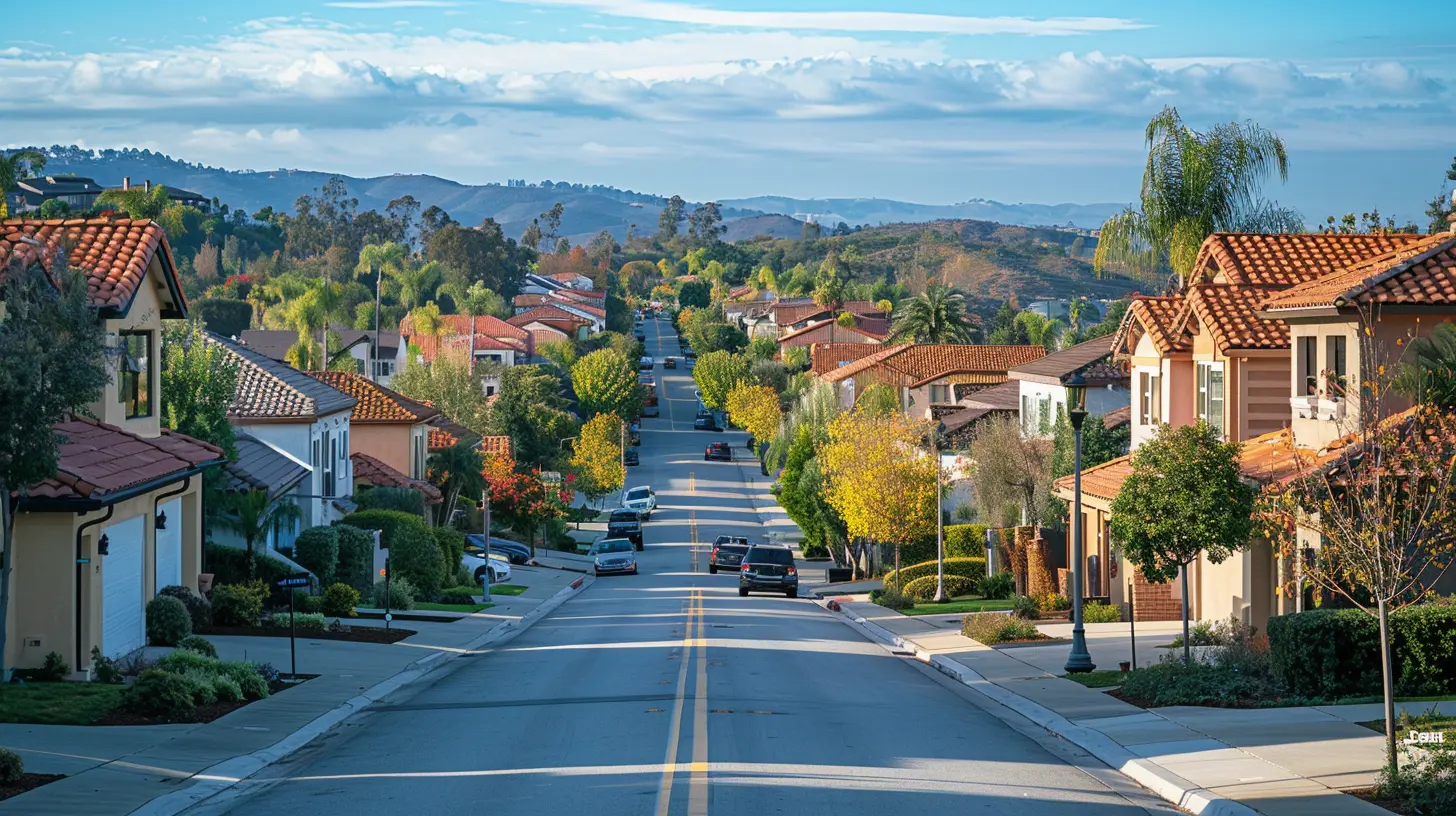
What Are Zoning Laws, and Why Do They Matter?
Think of zoning laws as the rulebook for land use. These regulations define what a property can be used for—residential, commercial, industrial, or mixed-use. They also set limits on things like building height, property size, and even parking availability.For investors and homebuyers considering foreclosed properties, these laws can significantly impact not only what you can do with the property but also its potential value and future appreciation. 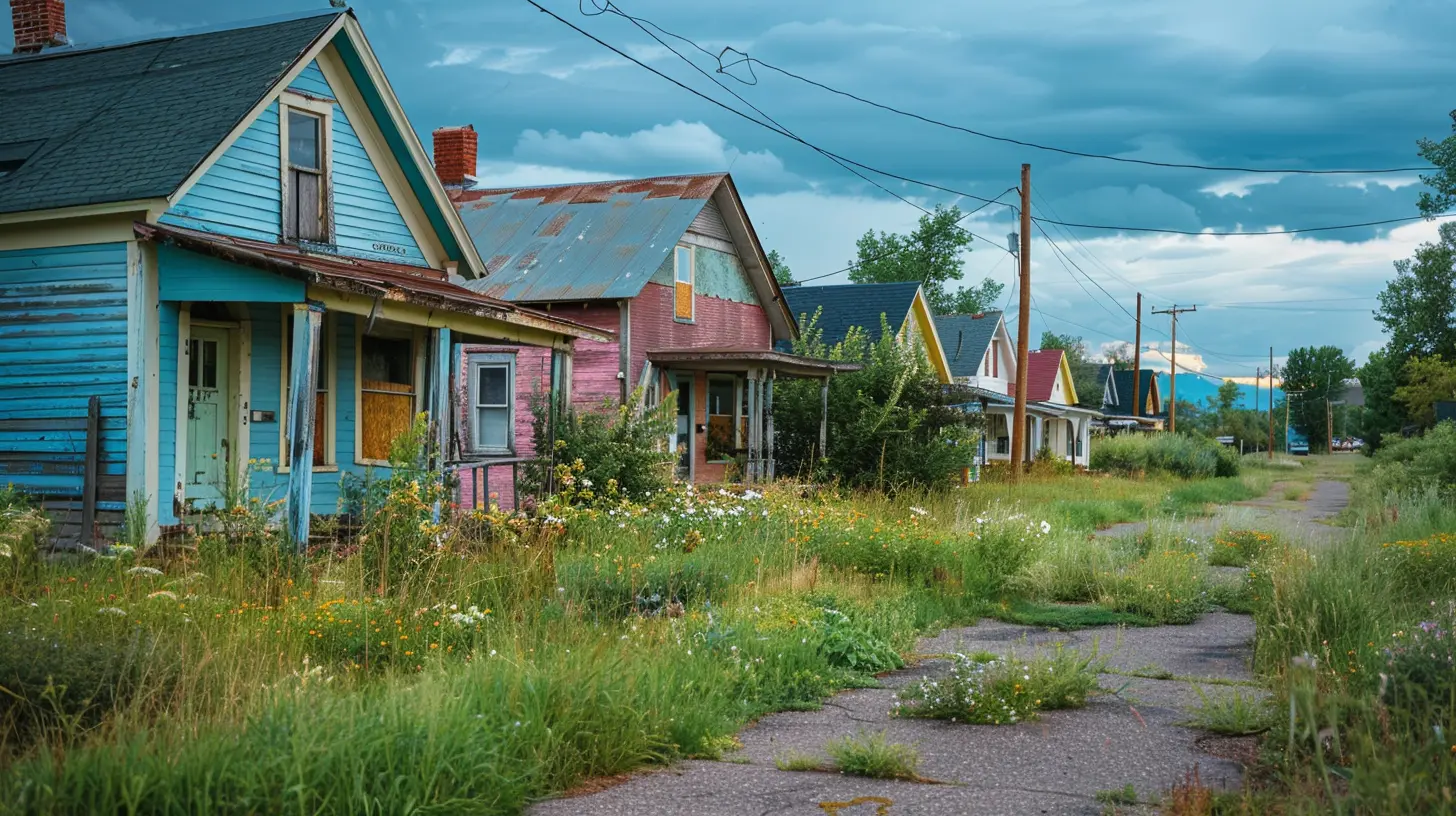
How Zoning Affects the Purchase of a Foreclosed Property
1. Property Use Restrictions
One of the first things you’ll need to check is whether the zoning classification aligns with your intended use. If you buy a foreclosed single-family home, but the area is only zoned for commercial use, you may need to undergo a lengthy rezoning process—which isn’t always guaranteed to be approved.Similarly, if you’re planning to turn a foreclosed property into a rental, some areas restrict short-term rentals or multifamily conversions. Running afoul of zoning laws could leave you stuck with a property that doesn’t fit your investment goal.
2. Building and Renovation Limits
Many foreclosures require repairs or significant renovations. However, zoning laws often dictate what types of modifications you can make.- Historical districts may prohibit exterior changes.
- Height limitations could prevent adding extra floors.
- Setback requirements might stop you from expanding a structure.
If you purchase a foreclosed property with the intention of adding an extra bedroom or building a detached garage, you must ensure that zoning codes allow such modifications.
3. Environmental and Land Use Regulations
Some areas have strict environmental zoning laws that prohibit certain changes to a foreclosed property. If the home is located near wetlands, in a floodplain, or close to protected forests, restrictions on expansions, demolitions, or even landscaping could apply.4. Rezoning Challenges
Let’s say you find an amazing deal on a foreclosed warehouse, and you’re dreaming of turning it into loft apartments. The problem? It’s zoned for industrial use. What do you do?Rezoning is possible, but it often requires:
- Navigating through legal paperwork
- Public hearings and local government approval
- Getting the support of nearby property owners
Even with all these steps, there’s no guarantee your request will be approved. That’s why researching zoning restrictions before buying is vital. 
Strategies to Navigate Zoning Laws Before Buying a Foreclosed Property
1. Research Zoning Codes in Advance
Before making an offer on a foreclosure, check the local zoning ordinance. Many municipal websites provide zoning maps and guidelines, so you can quickly determine if the property aligns with your plans.2. Contact the Local Zoning Office
If you have any doubts, call or visit your local zoning department. Ask about any restrictions, pending zoning changes, or additional permits required to use the property as you intend.3. Request a Zoning Verification Letter
A zoning verification letter (ZVL) is an official document confirming the property's zoning classification and any applicable restrictions. This small step can save you from future legal headaches.4. Work with a Real Estate Attorney or Zoning Expert
Not sure how to interpret zoning jargon? A real estate attorney or zoning consultant can help. They can review zoning regulations, help with rezoning applications, and ensure you’re making a sound investment.5. Check for Nonconforming Use Exceptions
Sometimes, properties are already being used in ways that don’t align with current zoning laws. This is known as a nonconforming use exception, which typically allows properties to continue existing in their current form unless major renovations take place.For example, if you buy a foreclosed duplex in a newly zoned single-family district, you may still be able to rent out both units, provided you don’t make significant changes. However, this status can be revoked if the property remains vacant for too long, so double-check local rules.
6. Investigate Future Zoning Changes
Even if a property’s zoning aligns with your investment strategy today, it’s smart to check for possible future changes. Some areas are rezoned to encourage development or limit certain uses, which could impact your long-term investment.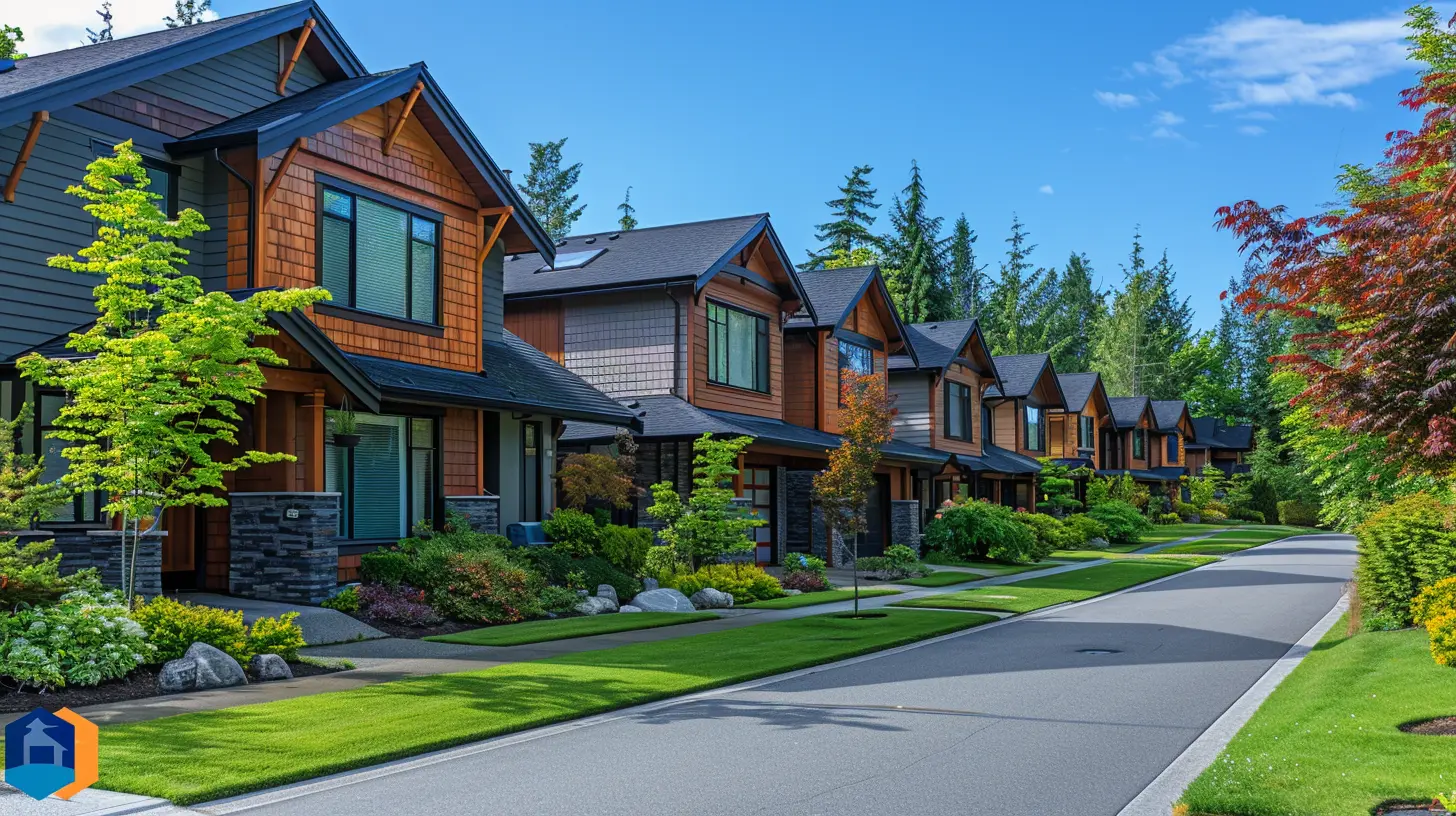
Common Zoning Hurdles for Foreclosures
1. Mixed-Use Conflicts
If you’re purchasing a foreclosure in an area undergoing redevelopment, zoning laws might limit whether you can convert a residential space into an office, Airbnb, or retail spot.2. Parking and Access Issues
Some zoning laws require off-street parking, driveway regulations, or specific access points that could make using the property difficult if it doesn’t meet modern standards.3. Home-Based Business Restrictions
Thinking of turning that foreclosed house into a small business? Some residential zones prohibit certain types of home-based businesses or require special permits.The Bottom Line: Know Before You Buy
Zoning laws can have a major impact on your foreclosed property purchase. Whether it’s restrictions on renovations, rental limitations, or rezoning challenges, understanding these rules is key to making a smart investment.Taking the time to research—in advance—can save you from unexpected costs, legal troubles, and roadblocks that could derail your investment. So, before you jump on that foreclosure deal, make sure zoning laws are working in your favor, not against you.
all images in this post were generated using AI tools
Category:
ForeclosuresAuthor:

Travis Lozano
Discussion
rate this article
2 comments
Spencer Marks
Understanding local zoning laws is crucial for foreclosed property purchases; they can significantly impact property value, renovation potential, and future investment opportunities. Choose wisely!
February 23, 2026 at 1:11 PM
Travis Lozano
Absolutely! Local zoning laws play a key role in shaping your investment's potential. Always research them before purchasing. Thank you for your insight!
Allegra Sanders
Great insights! Understanding zoning laws is crucial for maximizing your investment potential in foreclosed properties. Thanks for sharing!
February 8, 2026 at 11:53 AM
Travis Lozano
Thank you for your feedback! I'm glad you found the insights helpful. Understanding zoning laws is indeed key to making informed investment decisions.