Zoning Challenges for Tiny Homes and Micro-Dwellings
12 June 2026
Tiny homes and micro-dwellings have taken the housing world by storm. They offer an affordable, sustainable, and minimalist way of living. But there’s one big roadblock—zoning laws. If you’ve ever dreamed of living in a sleek, compact home, zoning regulations might just be your biggest headache.
So, what’s the deal? Why do these tiny homes face so many legal challenges? Let’s dive into the zoning hurdles that tiny homeowners and builders must navigate.
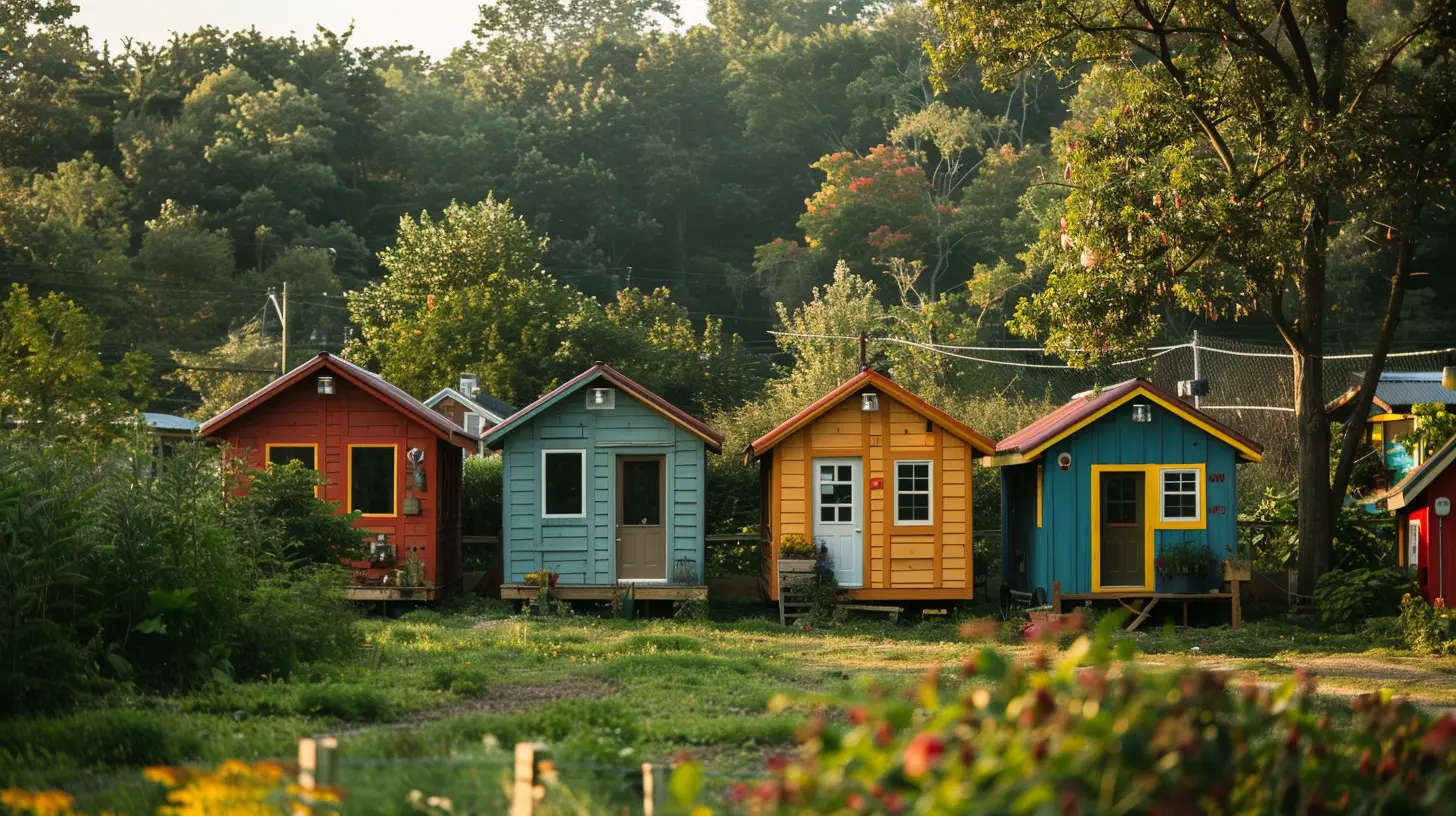
What Are Zoning Laws and Why Do They Matter?
Zoning laws are local regulations that dictate how land can be used. They determine what types of structures can be built, where they can be placed, and how large they can be. These laws help maintain order in cities and towns, ensuring residential, commercial, and industrial areas are well-organized.But here’s the catch—most zoning laws were designed decades ago for traditional houses. Tiny homes and micro-dwellings don’t always fit neatly into these categories. This creates legal gray areas, making it difficult for tiny homeowners to find a place to legally park or build their tiny abode.

Why Do Tiny Homes Face Zoning Challenges?
Tiny homes and micro-dwellings challenge the conventional idea of what a home should be. Most zoning issues stem from these key factors:1. Minimum Square Footage Requirements
Many municipalities have minimum size requirements for homes. Some areas require houses to be at least 600 to 1,000 square feet—far larger than most tiny homes, which typically range from 100 to 400 square feet.This means that, legally speaking, some tiny homes don’t qualify as permanent residences. Homebuilders may be forced to either add unnecessary square footage or look for areas with more accommodating zoning laws.
2. Building Codes vs. Mobile Tiny Homes
There’s a critical distinction between tiny homes on wheels (THOWs) and stationary tiny homes.- Stationary tiny homes have to comply with local building codes, which can be complicated and costly.
- Tiny homes on wheels are often classified as RVs, which means they may not be eligible for permanent residence in many areas.
City officials tend to struggle with categorizing THOWs. Are they homes? Are they vehicles? This uncertainty leads to restrictions that make it tough to find legal places to live in a tiny home full-time.
3. Land Use and Density Regulations
Zoning laws also regulate how many homes can be on a single piece of land. Many tiny home enthusiasts want to create tiny home villages—communities where several tiny homes share a single lot.However, in many places, each residential lot can only have one primary dwelling. That means if you put a second tiny home on the same property, it could be illegal. Some cities allow accessory dwelling units (ADUs), but even those have strict regulations.
4. Utility and Infrastructure Requirements
Zoning laws often require homes to be connected to water, sewer, and electrical systems. While that makes sense for traditional houses, it creates barriers for off-grid tiny homes.Many tiny homeowners rely on alternative utilities like composting toilets, solar panels, and rainwater collection. Unfortunately, some zoning codes don’t recognize these as legitimate infrastructure solutions, making legal compliance a challenge.
5. Opposition from Homeowners’ Associations (HOAs) and Communities
Even if the local government is on board, tiny homeowners often face pushback from homeowner associations (HOAs) and neighbors.Many established communities worry that tiny homes will lower property values or disrupt the neighborhood’s "look and feel." While these concerns are often unfounded, they lead to resistance that influences local zoning decisions.
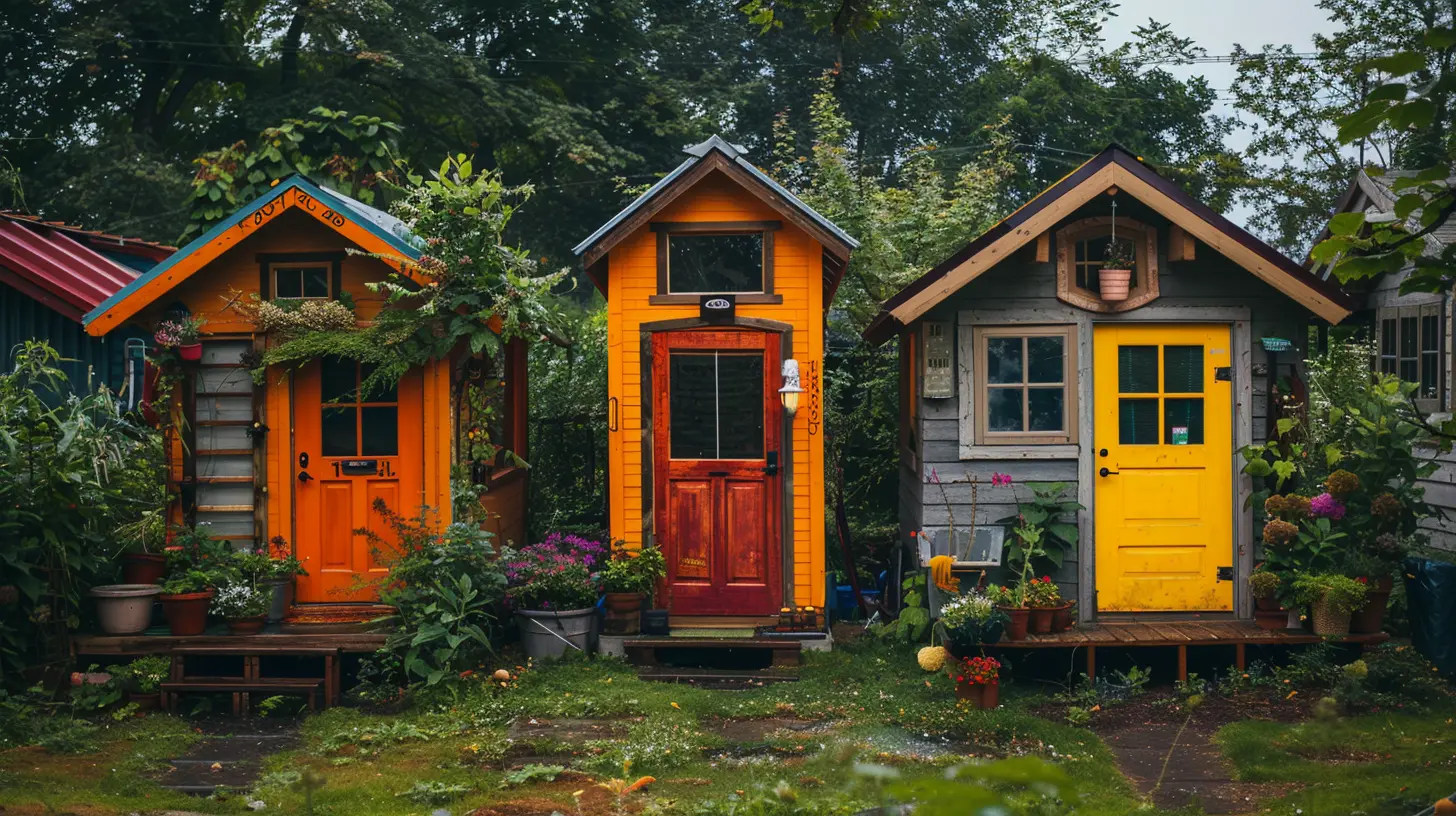
How Some Cities Are Changing Their Zoning Laws
Here’s the good news: Some cities are waking up to the benefits of tiny living. With housing costs skyrocketing, urban planners are beginning to rethink zoning rules.Cities That Are Embracing Tiny Homes
- Portland, Oregon – One of the most tiny-home-friendly cities, Portland allows ADUs and encourages alternative housing solutions.- Austin, Texas – Austin has relaxed zoning laws to allow tiny homes in some areas, providing more affordable housing options.
- Fresno, California – Fresno was one of the first cities to classify tiny homes on wheels as legal backyard cottages, setting an example for others.
- Seattle, Washington – Seattle has adjusted regulations to permit more ADUs and small dwellings within city limits.
These forward-thinking cities show that small changes in zoning can have a big impact on housing affordability and sustainability.
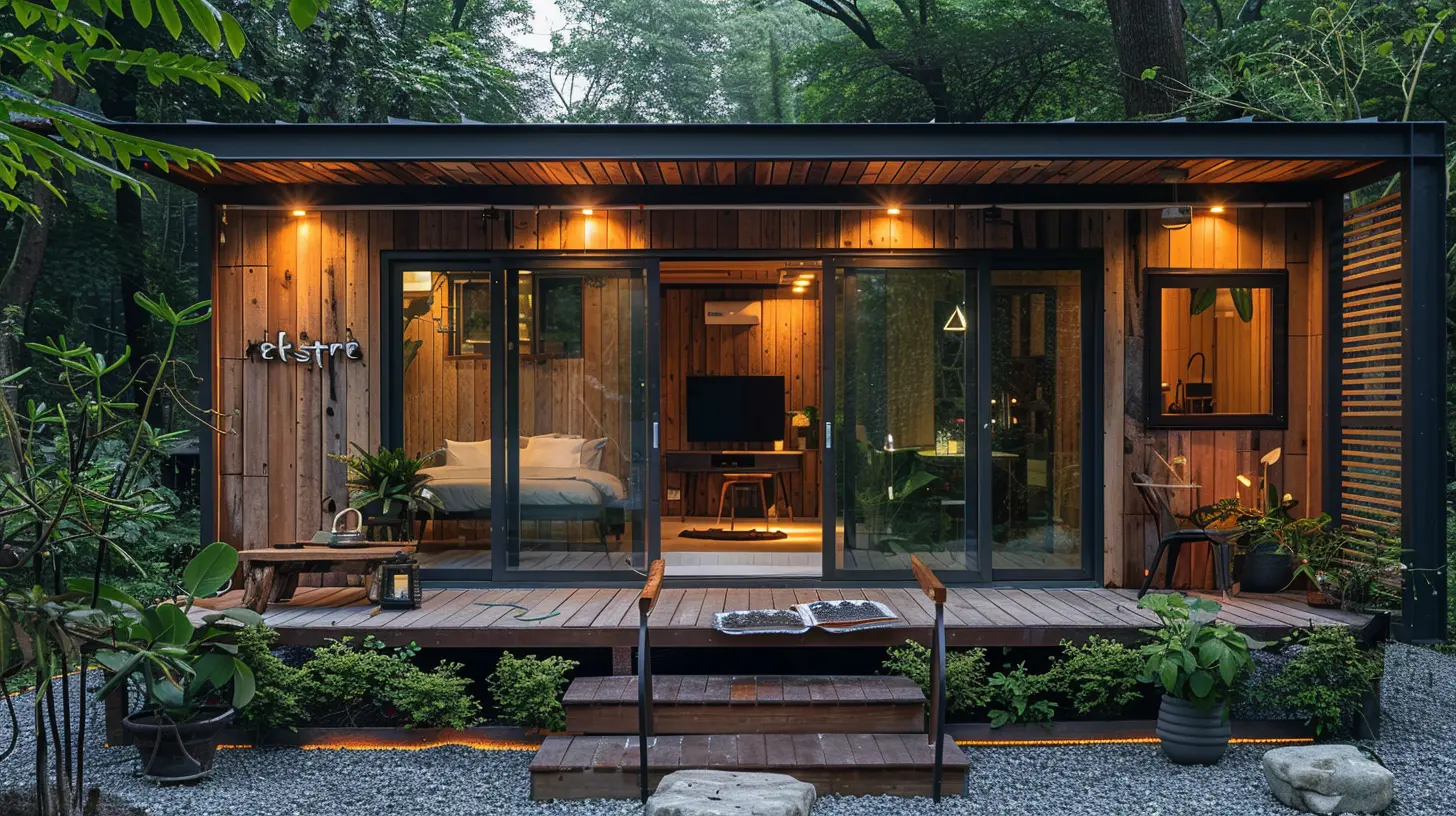
How to Overcome Zoning Challenges as a Tiny Homeowner
If you’re determined to live in a tiny home legally, you’ll need a strategy. Here’s how you can navigate zoning restrictions:1. Research Local Laws Before Building
Don’t assume all areas will welcome tiny homes. Before you buy land or start building, check local zoning codes. Some municipalities are more tiny-home-friendly than others, so do your homework first.2. Look for Tiny Home-Friendly Communities
More and more tiny home communities are popping up across the country. These neighborhoods are designed for small living and often have zoning laws in place to accommodate them. Finding a community that already supports tiny homes can save you from legal headaches.3. Advocate for Zoning Changes
If your area doesn’t allow tiny homes, consider getting involved in the conversation. Attend city council meetings, speak with local officials, and advocate for zoning updates. Many zoning laws are due for a refresh, and community support can help drive change.4. Consider Legal Workarounds
Some tiny homeowners get creative with their approach:- Building their tiny home as an ADU (Accessory Dwelling Unit) on an existing property.
- Registering a tiny home on wheels as an RV, then living in a legal RV park.
- Placing a tiny home in an area zoned for mobile homes or manufactured housing.
These methods aren’t always perfect solutions, but they can help tiny homeowners bypass restrictive zoning laws.
5. Work with Professionals
It might be tempting to take on the legal battle yourself, but zoning laws are complicated. Working with a real estate attorney, land-use planner, or zoning expert can help you navigate the bureaucracy and avoid costly mistakes.Will Zoning Laws Ever Fully Support Tiny Homes?
The tiny home movement isn’t slowing down, and zoning laws are slowly adapting. As more people embrace minimalist living, cities will feel increasing pressure to accommodate alternative housing options.However, widespread zoning reform takes time. While some cities are making progress, others are resistant to change. Tiny homeowners and advocates will need to keep pushing for legal recognition to make small living more accessible.
Final Thoughts
Zoning laws aren’t just red tape—they shape the way we live. For tiny homeowners, these regulations can be a major obstacle. But with persistence, advocacy, and smart planning, it’s possible to find legal ways to live tiny.As cities address housing shortages and affordability issues, zoning laws will likely continue to shift. Until then, tiny home enthusiasts will need to stay informed, stay flexible, and, most importantly, keep fighting for their right to live simply.
all images in this post were generated using AI tools
Category:
Zoning RegulationsAuthor:

Travis Lozano
Discussion
rate this article
1 comments
Kevin Hurst
This article highlights crucial zoning issues facing tiny homes and micro-dwellings. Addressing these challenges is essential for promoting sustainable living. Local governments must adapt regulations to support more affordable and innovative housing solutions in our communities.
June 12, 2026 at 12:58 PM
Travis Lozano
Thank you for highlighting these important issues. It's vital that local governments take action to support innovative housing solutions like tiny homes. Your insight adds depth to the discussion.