Why Home Values Are Expected to Keep Climbing Through 2027
28 April 2026
Let’s be honest—if you’ve been scrolling through real estate headlines lately, you might feel like you’re on a roller coaster that only goes up. And guess what? The ride isn’t over yet. If you’re a homeowner, an investor, or even someone just daydreaming about buying a place, I’ve got some news that’ll make you smile: home values aren’t just holding steady—they’re projected to keep climbing through at least 2027.
Now, I know what you’re thinking: “Didn’t we just go through a pandemic, a housing frenzy, and sky-high mortgage rates? How can prices possibly keep rising?” It sounds counterintuitive, like expecting a snowball to grow in July. But the real estate market has a mind of its own, and it’s playing a long game. Let’s break down why this upward trend isn’t a fluke—it’s a structural shift. And I promise to keep it light, because honestly, this is exciting stuff.
The Perfect Storm: Why Supply Is Playing Hard to Get
Imagine you’re at a party, and everyone wants the last slice of pizza. But the host only brought one pizza for twenty people. That’s the housing market right now—minus the pizza grease. We’re facing a chronic shortage of homes for sale, and it’s not going away anytime soon.For years, builders were cautious after the 2008 crash. They built fewer homes, and then COVID threw a wrench in supply chains. Lumber prices shot up, labor got tight, and land became harder to find in desirable areas. Fast forward to 2024, and we’re still playing catch-up. According to the National Association of Realtors, the U.S. is short about 4–5 million homes. That’s not a gap you close in a year or two—it’s a multi-year deficit.
But here’s the kicker: even if builders ramp up production today (which they are, slowly), it takes 18–24 months to finish a subdivision. Meanwhile, demand keeps growing. So, until supply catches up—which won’t happen before 2027—prices have a solid floor under them. Think of it like a seesaw: supply is stuck on the ground, and demand is pushing prices into the sky.
The "Lock-In Effect" That’s Keeping Inventory Tight
Here’s a fun little paradox: homeowners with low mortgage rates (say, 3% or 4%) are refusing to sell because they don’t want to trade that low rate for a 6% or 7% loan. It’s called the “lock-in effect,” and it’s like being stuck in a comfortable hammock—why would you get up to stand on hot pavement?This means fewer existing homes hit the market. In a normal year, about 40% of homes for sale are from existing owners moving. Right now, that number has dropped significantly. So, even if new construction picks up, we’re still starving for inventory. And as long as sellers hold tight, buyers have to compete for fewer options—which keeps prices climbing.
Demographics: The Silent Engine That Won’t Quit
You’ve heard of Millennials, right? That generation everyone loves to blame for killing chain restaurants and buying avocado toast? Well, they’re also the biggest demographic wave in housing history. And they’re not done yet.Millennials are now in their prime home-buying years (ages 28–43). They’re forming households, having kids, and craving space—especially after years of working from home. But here’s the thing: there are about 72 million Millennials, and they’re still entering the market. Many delayed buying due to student loans, high prices, or the pandemic. Now, they’re jumping in with both feet.
And then there’s Gen Z, right behind them. The oldest Gen Zers are hitting their mid-20s, and they’re already renting or buying in droves. This isn’t a one-year trend—it’s a demographic tidal wave that will keep pushing demand through 2027 and beyond. Think of it like a conveyor belt: each generation steps up, and the line keeps moving.
Remote Work: The Wild Card That Changed Everything
Remember when we thought remote work was a temporary pandemic thing? Joke’s on us. It’s here to stay, and it’s reshaping where people want to live. You don’t need to be in a cramped Manhattan studio if you can work from a three-bedroom house in Boise, Nashville, or even a small town in Montana.This “migration to affordability” has boosted home values in secondary and tertiary markets. Cities like Austin, Phoenix, and Tampa saw double-digit appreciation, and the ripple effect is still spreading. Even suburbs near expensive cities are booming. As long as employers allow flexibility—and many are—people will keep voting with their feet for more space and lower costs. That keeps demand high and prices climbing.
Interest Rates: The Surprising Friend of Home Values
Okay, I know mortgage rates have been a headache. But here’s a counterintuitive truth: high rates don’t always crash prices. In fact, they can actually support them in the short term. How? Because high rates discourage sellers from listing (remember the lock-in effect?), and they also price out some buyers, but not nearly enough to offset the supply shortage.Think of it like a traffic jam. High rates act like a speed bump—they slow down the frenzy, but they don’t stop the cars. Prices may not soar 20% a year like in 2021, but they’ll likely rise 3–5% annually, which is healthy and sustainable. And if rates eventually drop (which many economists predict by 2025–2026), expect a new wave of buyers to flood in, pushing prices even higher.
The Fed’s Balancing Act
The Federal Reserve has been hiking rates to cool inflation, but they’re not trying to crash housing. They want a “soft landing,” where prices stabilize without a freefall. Historically, when the Fed stops raising rates, home values rebound quickly. Look at the 1980s: rates hit 18%, but home prices still rose over the decade. Why? Because inflation and wages eventually catch up, and real estate is a hedge against inflation.So, don’t panic about today’s rates. They’re like a rainstorm—uncomfortable, but they water the garden for future growth.
The Rental Market: A Hidden Prop for Home Values
Here’s a stat that might surprise you: rents have been rising faster than wages in many cities. That’s bad news for renters, but it’s great news for homeowners. Why? Because when renting becomes expensive, people realize that buying—even with a higher mortgage—can be cheaper than paying a landlord’s inflated rent.In many markets, the monthly cost of owning a home is now comparable to renting the same property. This “rent versus buy” math is shifting in favor of ownership. And as more renters become buyers, they bid up home values. It’s a self-reinforcing cycle that won’t break until rental supply catches up—which, again, won’t happen overnight.
Institutional Investors: The Big Players Are Still Buying
You might not like it, but Wall Street is betting big on single-family homes. Companies like Invitation Homes, Blackstone, and others are gobbling up properties to rent them out. They’re not flipping them; they’re holding for long-term cash flow. This institutional demand adds another layer of competition for regular buyers, especially for entry-level homes.These investors have deep pockets and long time horizons. They’re not scared of a rate hike. They see real estate as a safe haven, and they’re willing to pay top dollar. That puts a floor under prices and pushes them upward over time.
Inflation: Your Home Is a Shield, Not a Victim
We all hate inflation at the grocery store. But in real estate, inflation is actually your friend. When the cost of everything goes up—lumber, labor, land—the value of existing homes rises too. It’s like owning a vintage watch that becomes more valuable as new models get pricier.Home values are a natural hedge against inflation. As the dollar loses purchasing power, tangible assets like houses gain value. The same house you bought for $300,000 in 2020 might be worth $400,000 today, not because it’s better, but because the dollar is worth less. This trend will continue as long as the Fed struggles to tame inflation completely—which could take years.
The "New Normal" of Home Appreciation
For decades, home values appreciated about 3–4% annually. But the last few years have reset expectations. We’re now in an era of 5–7% annual appreciation in many markets. Why? Because the fundamentals have shifted: less supply, more demand, and a structural shortage. This isn’t a bubble—it’s a new baseline.Think of it like a staircase. We’re not jumping up ten steps at once anymore, but we’re steadily climbing one step at a time. And by 2027, that staircase will be a lot higher.
What About a Recession? Won’t That Crash Prices?
Fair question. Recessions are scary, and they do cause some price dips. But here’s the key: recessions rarely crash housing unless there’s a massive oversupply (like 2008). Today, we have the opposite problem—undersupply. Even if unemployment rises, people still need a place to live. And if they can’t afford to buy, they’ll rent, which keeps demand for rental properties high and supports home values.Plus, during a recession, builders slow down even more, which makes the supply shortage worse. So, a mild recession might cool price growth, but it won’t reverse it. Look at the 2020 COVID recession: prices actually soared because supply dried up. History suggests that housing is more resilient than you think.
The "Golden Handcuffs" of Low Rates
Millions of homeowners have mortgages at 3% or 4%. They’re not selling anytime soon, even if rates drop to 5%. Why? Because they’d lose that low payment. This “golden handcuff” effect keeps inventory tight for years. It’s like having a VIP pass to a concert—you’re not giving it up for a general admission ticket.This means the supply shortage is structural, not temporary. And as long as supply is tight, prices have upward momentum.
Local Markets: Not Every Town Is the Same
I’d be lying if I said every city will see the same growth. Some markets will skyrocket, others will plateau. But overall, the national trend is up. Look for growth in:- Sun Belt cities (Austin, Phoenix, Tampa) due to migration and job growth.
- Midwestern gems (Columbus, Indianapolis) due to affordability.
- Smaller suburbs near major metros, as remote workers seek space.
Even expensive coastal cities like San Francisco and New York will see modest gains, because they’re still economic powerhouses. The key is to buy where people are moving, not where they’re leaving.
How to Prepare for the Climb
If you’re reading this and thinking, “I want in on this,” here’s my advice:1. Buy now if you can. Waiting for a “crash” is like waiting for a unicorn to deliver pizza. It might happen, but you’ll be hungry for years.
2. Focus on location. Homes near good schools, jobs, and amenities appreciate faster.
3. Consider a fixer-upper. You can add value through renovations and ride the appreciation wave.
4. Lock in a rate if you can. Even a 6% mortgage is historically low. You can refinance later.
Remember, real estate is a marathon, not a sprint. The climb through 2027 is a steady, upward path—not a crazy spike. And if you’re already a homeowner, congratulations. You’re sitting on a gold mine that’s getting deeper.
The Bottom Line: Why You Should Sleep Well Tonight
So, why are home values expected to keep climbing through 2027? Because we have a perfect storm of low supply, high demand, demographic tailwinds, remote work, inflation hedging, and institutional buying. It’s not a bubble—it’s a structural shift that will take years to unwind.Yes, there will be bumps along the way. Interest rates might spike, or a recession could slow things down. But the overall trajectory is up. Think of it like a slow-moving glacier: it’s unstoppable, patient, and powerful.
If you’re a buyer, don’t let fear paralyze you. If you’re a seller, you’re in the driver’s seat. And if you’re just curious, welcome to the most fascinating asset class on Earth. The climb is real, and it’s just getting started.
Now, go enjoy that slice of pizza—just don’t expect the housing market to cool down anytime soon.
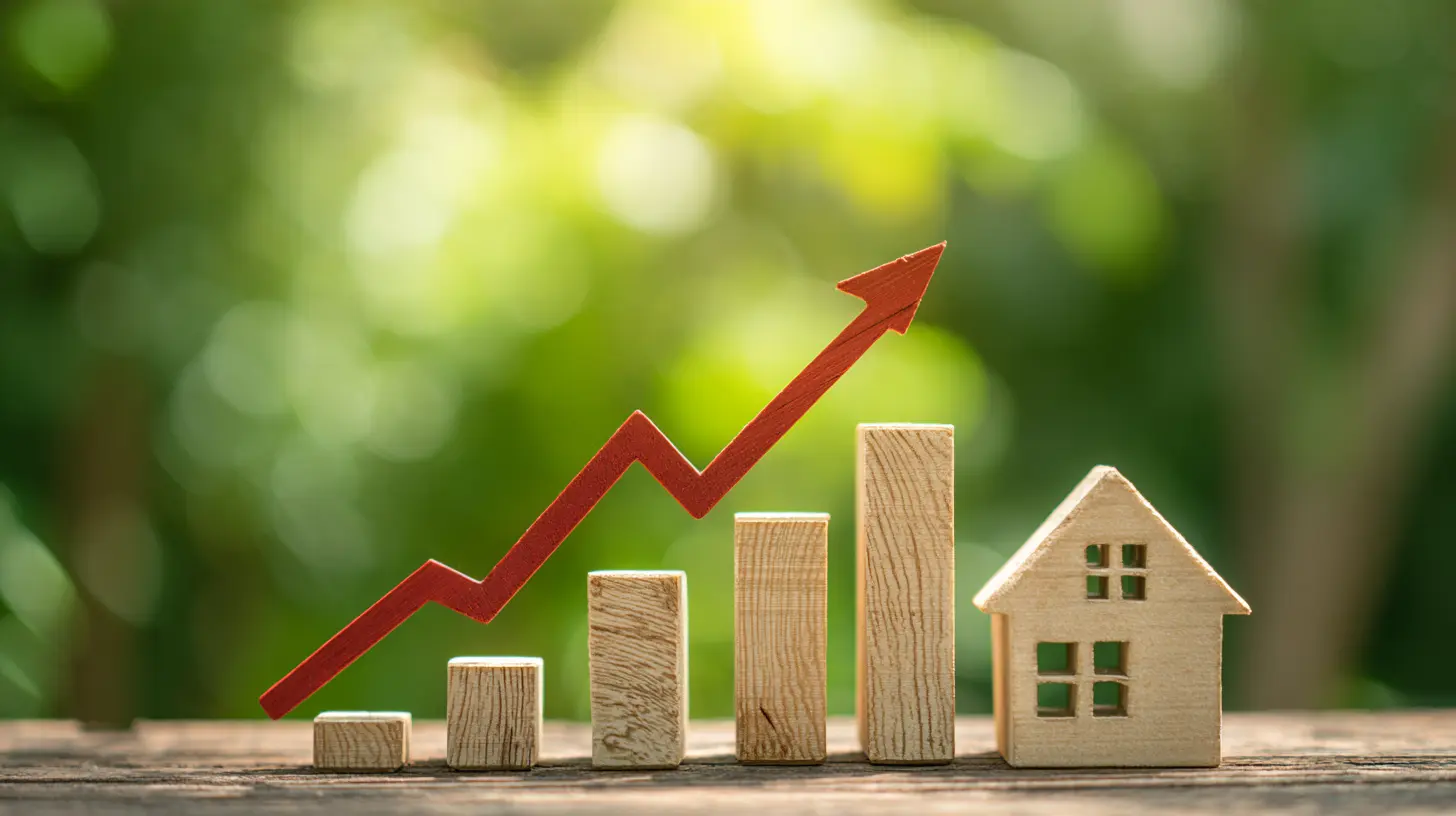
all images in this post were generated using AI tools
Category:
Rising Home PricesAuthor:

Travis Lozano
Discussion
rate this article
2 comments
Foster McCollum
Great insights! It's exciting to see how the market is evolving. If you're thinking about buying, now might be the perfect time to jump in!
June 20, 2026 at 2:31 AM
Travis Lozano
Thanks for your thoughts! The market is definitely showing some promising trends right now.
Lily McGuire
Great insights! It's exciting to see how home values are projected to rise through 2027. The factors driving this growth, like demand and economic trends, really highlight the importance of investing in real estate. Can't wait to see how this unfolds! Thanks for sharing!
April 28, 2026 at 4:55 AM
Travis Lozano
Thanks for your thoughts! It is indeed an exciting time for real estate, and watching these trends will be fascinating.