How Staging Can Boost Your Real Estate Marketing
25 December 2025
If you're trying to sell a home, you want to make it as attractive as possible, right? That’s where staging comes in. Think of it like dressing up for an important job interview—first impressions are everything! Staging can transform a property from an empty, lifeless space into a warm and inviting home that buyers can imagine themselves living in. And guess what? It can also help maximize your listing price and reduce time on the market.
In this article, we’ll break down why home staging is a game-changer for real estate marketing and how you can use it to sell homes faster and for top dollar.
What Is Home Staging?
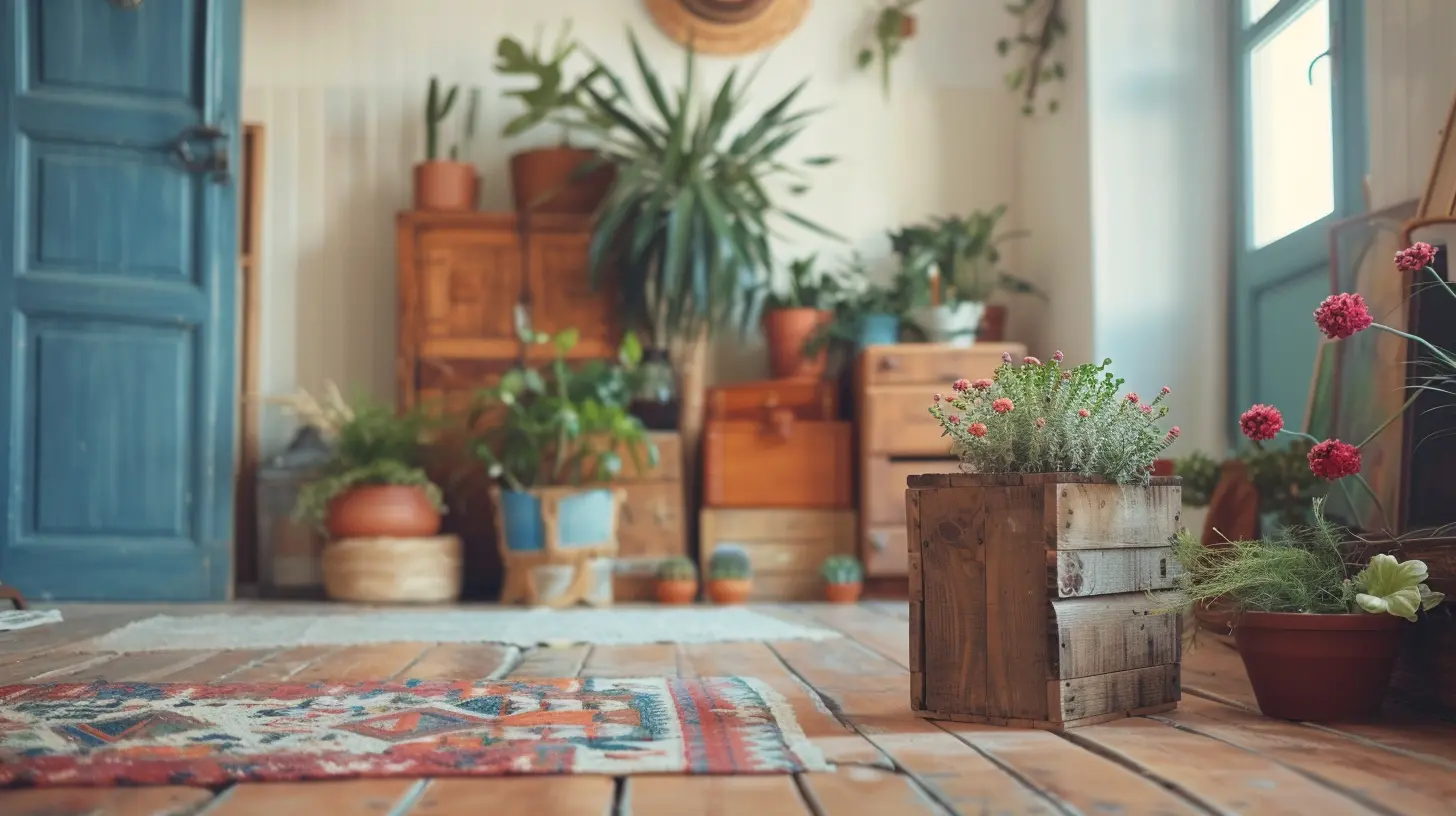
Home staging is the process of strategically arranging furniture, decor, and other elements to make a home more appealing to potential buyers. Instead of showcasing a vacant property with bare walls and floors, staging gives buyers a visual idea of how the space can be used.It’s not about hiding flaws or misleading buyers—it’s about helping them connect emotionally with the property. After all, buying a home is 90% emotional and 10% logical.

Why Staging Matters in Real Estate Marketing
1. Creates a Strong First Impression
The first few seconds after a buyer walks through the door (or scrolls through online photos) are critical. If the home feels drab, cluttered, or lifeless, they may mentally check out before they even see the rest of the property. A well-staged home grabs attention from the get-go and keeps buyers engaged.2. Helps Buyers Visualize Themselves in the Space
Ever walked into an empty home and struggled to picture where your couch or dining table would go? That’s a problem many buyers face. Staging eliminates this issue by showcasing the potential of each room. It helps buyers see the home as theirs, rather than just another property on the market.3. Highlights the Home’s Best Features
Every home has standout features—whether it's a beautiful fireplace, high ceilings, or stunning hardwood floors. But these features can get lost in an empty or cluttered space. Staging directs attention to these selling points, ensuring buyers notice what makes the home special.4. Increases Perceived Value
A staged home often looks more luxurious and move-in ready, which can justify a higher asking price. Buyers tend to associate a well-presented home with better value, making them more willing to pay top dollar.5. Speeds Up the Selling Process
Want to sell your home faster? Staging can help. According to real estate studies, staged homes typically sell much quicker than non-staged ones. A well-presented home stands out in the competitive market, attracting buyers and encouraging faster offers.6. Makes Marketing More Effective
Thanks to online listings, most buyers see a property online before visiting in person. High-quality listing photos of a beautifully staged home are far more likely to attract clicks, generate interest, and bring in potential buyers. In a crowded marketplace, staging gives your listing an edge over the competition.
How to Stage a Home for Maximum Impact
Now that we’ve covered why staging is essential, let’s dive into how you can do it effectively. Even if you’re on a budget, there are plenty of ways to make a home look more inviting.1. Declutter and Depersonalize
Clutter is the enemy of good staging. Remove excess furniture, personal photos, and knick-knacks to create a clean and neutral space. Buyers need to envision themselves living in the home, and too many personal items can make that difficult.2. Focus on Curb Appeal
The exterior of the home is just as important as the interior. Trim the lawn, add fresh plants, repaint the front door, and make sure the walkway is clean. A beautiful front yard can set the tone before buyers even step inside.3. Use Light and Neutral Colors
Bright, neutral colors make a space feel larger, cleaner, and more inviting. If the home has dark or bold walls, consider repainting with light tones like white, beige, or soft gray. These shades appeal to a broad range of buyers and make the room feel fresh.4. Arrange Furniture Thoughtfully
Furniture placement should highlight the functionality of each space. Avoid blocking windows or making rooms feel cramped. Instead, use well-proportioned furniture that enhances the flow of the home. If a room is small, opt for minimalist staging with multipurpose furniture.5. Enhance Lighting
Proper lighting can make or break a room’s ambiance. Open all curtains and blinds to let in natural light. Add floor lamps or table lamps in darker areas to create a warm and cozy feel. The goal is to make the home feel bright and welcoming.6. Use Simple, Stylish Decor
Less is more when it comes to decor. A tasteful mix of throw pillows, fresh flowers, modern artwork, and stylish accents can elevate the overall aesthetic without overwhelming the space. Sticking to a neutral color palette with pops of color can work wonders.7. Make Bathrooms and Kitchens Shine
These two rooms are often deal-breakers for buyers. Ensure countertops are clean and clutter-free, cabinets are wiped down, and fixtures shine. Adding fresh towels, a bowl of fruit, or a vase with flowers can create a spa-like or luxury feel.8. Stage Every Room (Not Just the Main Ones)
While the living room, kitchen, and primary bedroom get the most attention, don’t forget about the smaller rooms. Even minor spaces—like a home office, guest bedroom, or reading nook—should be staged to show their potential.9. Create a Cozy Atmosphere
A home should feel warm and inviting. Small touches like soft music, scented candles, or a cozy throw on a couch can create an emotional connection for buyers. They should feel at home the moment they walk in.10. Highlight Lifestyle Appeal
Beyond just furniture placement, show buyers what kind of lifestyle they could have in the home. Set up an outdoor dining space, display a reading nook with a comfy chair and books, or add a trendy coffee station in the kitchen. These little details can make a big difference.
DIY Staging vs. Professional Staging
If you’re on a budget, DIY staging is absolutely possible. Simple changes—like decluttering, rearranging furniture, and freshening up decor—can make a huge impact. However, if you want a polished, magazine-worthy presentation, hiring a professional stager could be worth the investment.Professional stagers know how to maximize a home’s appeal, often bringing in stylish furniture and decor that can elevate the property’s marketability. If the home is high-end or in a competitive market, the cost of staging may be quickly recouped by a higher selling price and faster sale.
The Bottom Line
Staging isn’t just about making a home look pretty—it’s a powerful marketing strategy that can increase buyer interest, shorten the time on the market, and even boost your selling price. From enhancing first impressions to helping buyers visualize their future home, staging is a must-have tool in today’s real estate game.So, if you’re looking to sell a property faster and for top dollar, don’t overlook the magic of staging. It just might be the secret weapon your real estate marketing strategy needs!
all images in this post were generated using AI tools
Category:
Real Estate MarketingAuthor:

Travis Lozano
Discussion
rate this article
2 comments
Sasha McNeal
Transform spaces, ignite imagination—staging is your marketing secret weapon!
January 15, 2026 at 5:03 AM
Travis Lozano
Thank you! Staging truly transforms properties and captivates buyers, making it an essential tool in real estate marketing.
Ivory Luna
This article piques my curiosity! How exactly does staging enhance marketing, and what specific elements make a home irresistible to buyers?
December 25, 2025 at 4:57 AM
Travis Lozano
Staging enhances marketing by showcasing a home's potential, creating an emotional connection for buyers. Key elements include decluttering, neutral decor, strategic furniture placement, and appealing lighting, all designed to highlight the property’s best features and help buyers envision themselves living there.