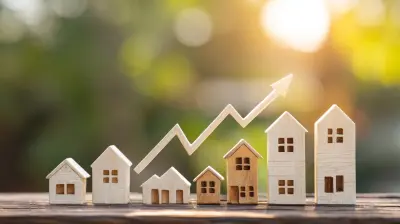
Is Now the Right Time to Buy Before the Market Gets Hotter in 2026?
24 April 2026
You’ve probably heard the whispers. Maybe from a friend who just closed on a townhouse, or from a news headline screaming about “record-low inventory” and “rates that won’t quit.” The question hanging in the air, like the smell of fresh paint in a model home, is this: Is now the right time to buy before the market gets hotter in 2026?
Let me be real with you—real estate is a beast. It’s part science, part gut instinct, and a whole lot of timing. But if you’ve been sitting on the fence, watching the numbers dance, and wondering if you should jump in before the mercury rises again, you’re not alone. I’ve been there. And after crunching the data, talking to agents, and reading the tea leaves of economic trends, I’m going to give you the unfiltered truth: why 2025 might just be your golden window, and what could turn 2026 into an inferno of competition and prices.
Let’s break it down like we’re grabbing coffee—no jargon, no fluff. Just practical, human advice.
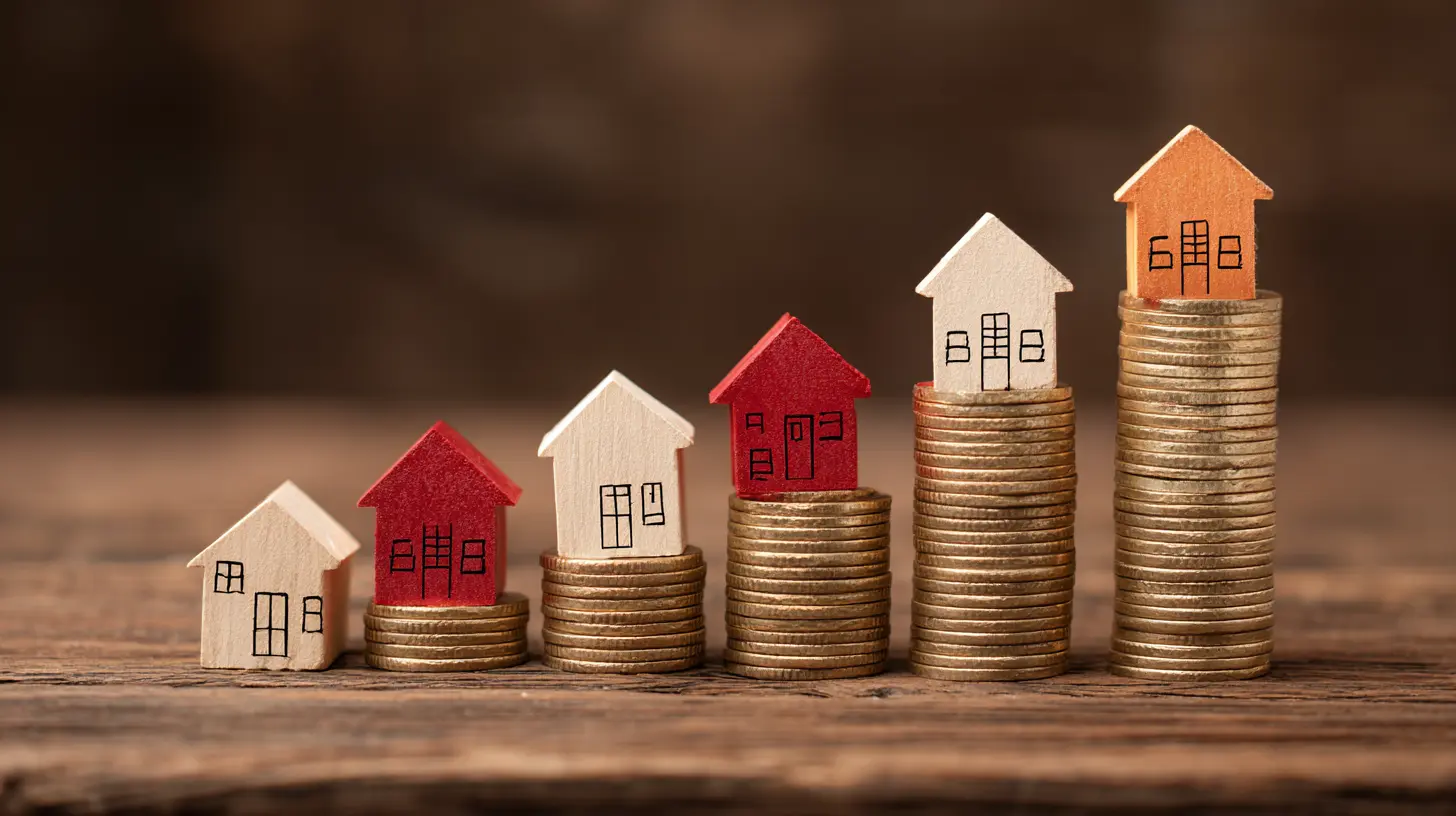
The 2026 Forecast: Why Experts Are Bracing for a Price Surge
First, let’s talk about the elephant in the room: 2026. Why is everyone from Zillow economists to your local realtor suddenly obsessed with that year? It’s not magic. It’s math, demographics, and a pinch of economic psychology.The supply crunch is real. Right now, we’re still feeling the hangover from the 2008 crash. Builders didn’t build enough homes for a decade after that. Then COVID hit, and supply chain chaos made lumber prices spike like a roller coaster. The result? A structural deficit of roughly 3.8 million homes in the U.S., according to some estimates. That’s not going away overnight. By 2026, that shortage will only tighten as millennials (the largest generation) continue to age into their prime home-buying years (30–45). They want yards, good schools, and space for kids. They aren’t renting forever.
Interest rates are the wild card. Mortgage rates have been a seesaw. They hit rock bottom in 2020–2021 (remember 2.65%? Sigh.), then shot up to 7–8% in 2023. But here’s the thing: the Federal Reserve has signaled it will start cutting rates sometime in late 2025 or early 2026. Why? To avoid a recession and keep the economy humming. And when rates drop, what happens? Buyers flood in. It’s like opening the gates at a concert—everyone rushes for the best seats. That rush will push prices up because demand will outpace supply even more.
Inflation isn’t dead. Sure, it’s cooled from its 9% peak, but it’s sticky. Home prices, like eggs and gas, don’t go back down easily. By 2026, if inflation stays at 3% (which is likely), that $400,000 house today could easily be $440,000. Not a huge jump, but add in higher competition and you’re looking at bidding wars again.
So, metaphorically speaking: if the market is a slow-burning fire right now, 2026 is when someone pours gasoline on it. The question is, do you want to buy before the flames get higher?
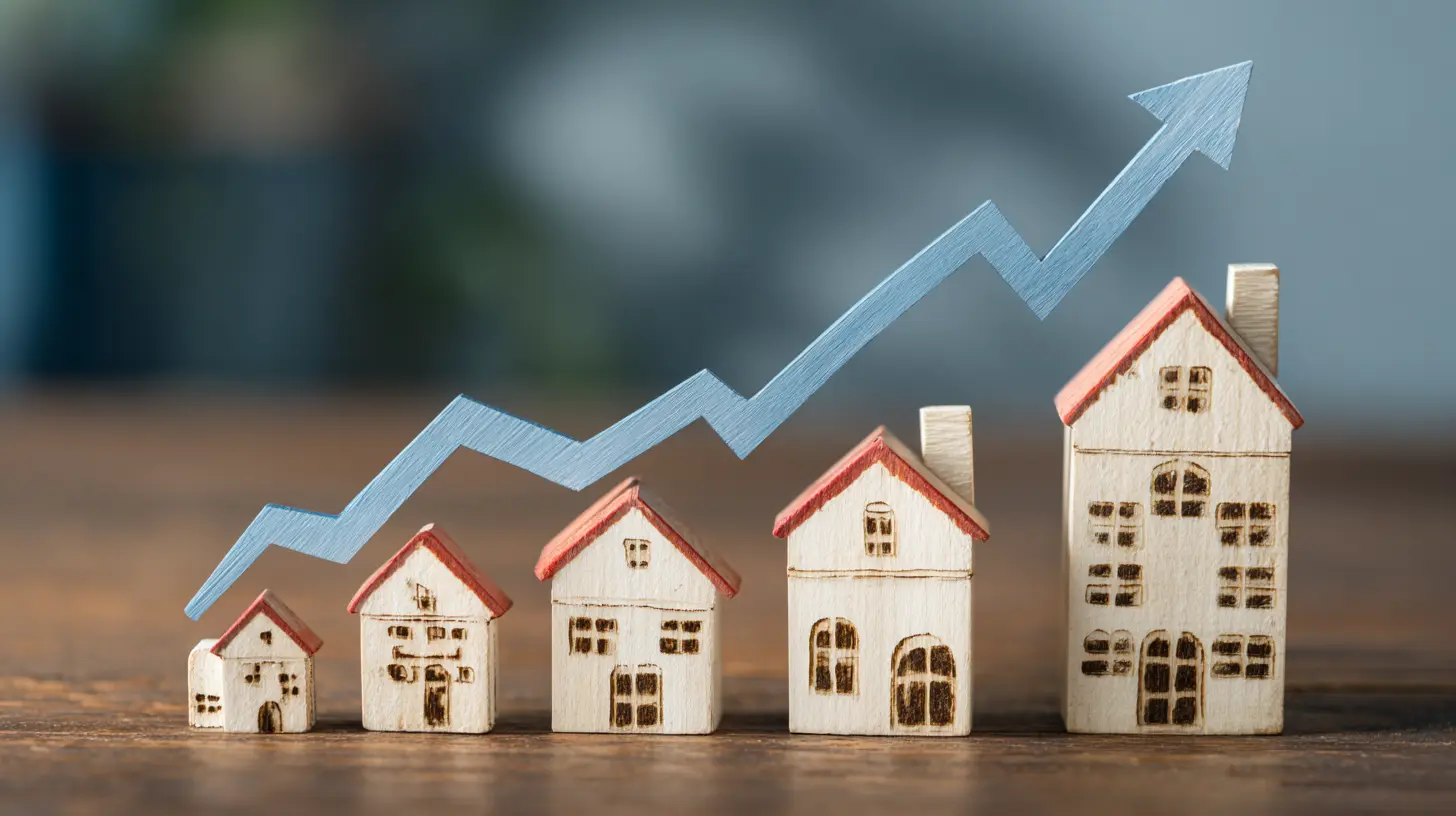
The “Wait and See” Trap: Why Timing the Market Is Like Catching a Falling Knife
I get it. You’re thinking, “Maybe I’ll wait until rates drop next year.” Smart, right? Well, not exactly. Let me tell you a story.Imagine you’re at a flea market, and you see a vintage lamp you love. It’s $100. You think, “I’ll come back later, maybe it’ll be cheaper.” But when you return, it’s gone. Someone else snapped it up. That’s the risk of waiting for perfect conditions in real estate. You’re not just competing against other buyers; you’re competing against time, inflation, and the Fed’s next move.
Here’s the paradox: When rates drop, prices rise. Why? Because lower rates mean more buyers can qualify for loans. More buyers = more demand. More demand = higher prices. So, if you wait for rates to hit 5% in 2026, you might pay $50,000 more for the same house. Your monthly payment could actually be higher than if you bought today at 7% with a lower purchase price. It’s a cruel math joke, but it’s true.
Example time: Let’s say a house costs $400,000 today at 7% interest. Your monthly payment (principal and interest) is about $2,661. Now, in 2026, that same house might cost $450,000 at 5.5% interest. Your new monthly payment? $2,554. Wait, that’s lower? Barely—$107 less. But you put down more cash (higher down payment) and you paid $50,000 more for the asset. Plus, you lost two years of equity building. Not a great trade.
The lesson? Buy when you can, not when you think the stars align. The perfect time is a myth.
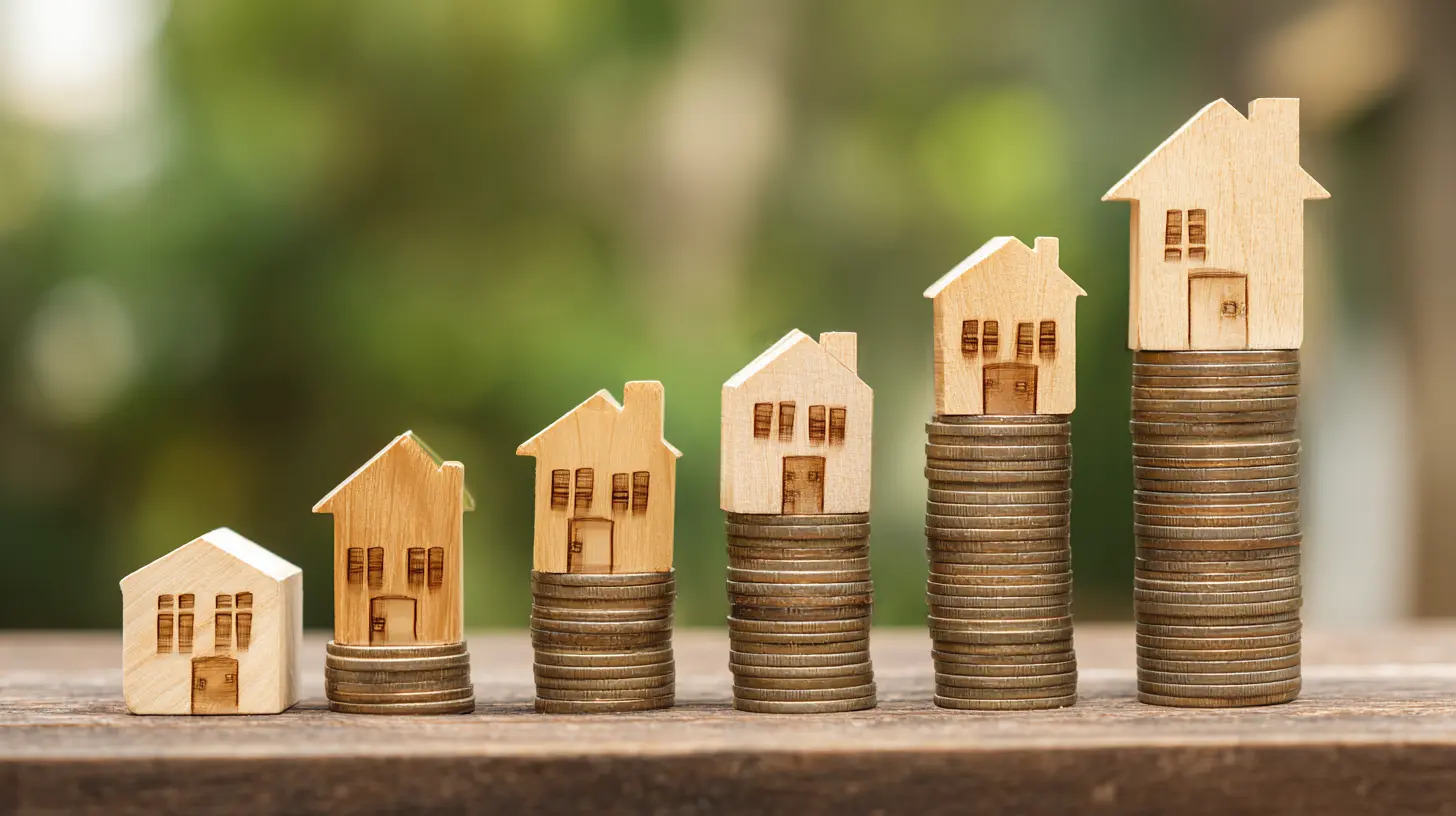
The Hidden Cost of Waiting: Equity, Rent, and Opportunity
Let’s talk about the silent killer of waiting: rent. Every month you don’t buy, you’re paying someone else’s mortgage. And rent isn’t getting cheaper. In most metro areas, rents have risen 20–30% since 2020. By 2026, that trend won’t reverse—it’ll accelerate as more people are priced out of buying.The equity game. When you buy a home, you’re not just paying for shelter; you’re building wealth. Even if prices stay flat for a year (which is unlikely), you’re paying down principal. By 2026, if you bought today, you’d have roughly $20,000–$30,000 in equity from appreciation and principal paydown (assuming modest 3% annual growth). If you wait, you get zero equity and you’ve flushed $24,000–$36,000 down the rent drain.
Opportunity cost is real. That down payment you’re sitting on? If it’s in a savings account earning 4%, you’re losing to inflation. Real estate historically appreciates at 3–5% annually, plus you get leverage (you control a $400k asset with $80k down). No other investment gives you that kind of power with a roof over your head.
So, ask yourself: Is waiting worth losing thousands in equity and paying thousands in rent? For most people, the answer is a hard no.
How to Buy Now Without Getting Burned (Even in a Hot Market)
Okay, so you’re convinced that buying now might be smarter than 2026. But you’re also worried about overpaying or getting stuck with a bad deal. Fair point. Here’s how to navigate the current market like a pro.1. Get Pre-Approved, Not Just Pre-Qualified
This is non-negotiable. A pre-approval letter from a lender shows sellers you’re serious. In a market that’s already competitive (and will get worse), it’s your ticket to the table. Don’t skip it.2. Look for “Stale” Listings
Every market has homes that have been sitting for 30–60 days. Sellers get nervous. They might drop the price or accept a lower offer. Use this to your advantage. Ask your agent to filter for days on market.3. Target “Fixer-Uppers” or Unloved Properties
Homes that need cosmetic updates (paint, flooring, landscaping) often scare off other buyers. But you can negotiate a lower price and make it your own. Think of it as buying a diamond in the rough—you just need to polish it.4. Negotiate Seller Concessions
Even in a seller’s market, you can ask for help with closing costs or a rate buydown. A 2-1 buydown (where the seller pays to lower your rate for the first two years) can save you thousands. It’s like getting a discount on the financing.5. Consider New Construction
Builders are desperate to move inventory. They’re offering incentives like free upgrades, lower rates, or closing cost assistance. In 2026, those incentives will vanish because demand will be too high. Strike while the iron is warm.The “2026 Bubble” Myth: Why This Isn’t 2008
I know what you’re thinking: “But what if the market crashes again?” Look, I get the fear. 2008 scarred a generation. But the current market is fundamentally different.Lending standards are tighter. In 2006, you could get a mortgage with a pulse and a 500 credit score. Today, you need solid income, good credit (usually 620+ for FHA, 740+ for conventional), and a down payment. The subprime junk is gone.
Inventory is low, not high. In 2008, we had a glut of homes. Now, we have a shortage. That’s a supply problem, not a demand problem. Prices won’t crash when there aren’t enough homes to buy.
Homeowners have massive equity. Most people who bought in 2020–2022 have 30–50% equity. They’re not walking away from their homes like in 2008. They can weather a downturn.
So, while a minor correction (5–10%) is possible in some overheated markets, a crash like 2008 is about as likely as finding a unicorn in your backyard. Don’t let fear of a phantom bubble keep you from building wealth.
What Will 2026 Look Like? A Realistic Scenario
Let’s paint a picture of 2026 if you don’t buy now.- Interest rates: 5.5–6% (down from 7%, but not 3%).
- Home prices: Up 10–15% from today in most markets.
- Competition: Multiple offers on every decent home. Waived contingencies. Appraisal gaps.
- Inventory: Still tight, with fewer new construction starts due to high material costs.
- Rent: Up another 10–12%.
Now, picture 2026 if you buy today:
- You lock in a lower purchase price.
- You build 2 years of equity (maybe $30k–$50k).
- You refinance when rates drop (if you want), lowering your payment.
- You sleep better knowing you’re not at the mercy of a landlord.
Which scenario sounds better to you?
The Emotional Side: Buying a Home Is a Lifestyle Decision, Not Just an Investment
Let’s step back from the numbers for a second. Buying a home isn’t just about ROI. It’s about stability. It’s about painting walls without asking permission. It’s about having a yard for your dog or a garden for your tomatoes. It’s about building a life.If you’re waiting for the “perfect” market, you’ll be waiting forever. Markets are always uncertain. That’s the nature of the beast. But if you find a home you love, in a neighborhood you can afford, with a payment that fits your budget—that is the right time. Not 2026. Not next year. Now.
Think of it like planting a tree. The best time to plant a tree was 20 years ago. The second best time is today. The same goes for buying a home. You can’t control the weather (the market), but you can plant your roots.
Practical Steps to Take This Week
If you’re serious about buying before 2026 heats up, here’s your action plan:1. Check your credit score. Aim for 740+ for the best rates. If it’s lower, start fixing it now (pay down credit cards, dispute errors).
2. Save for a down payment. Even 3–5% down (FHA or conventional) is enough. Don’t wait for 20%—that’s a myth.
3. Interview 3–4 lenders. Compare rates, fees, and closing costs. A small difference in rate can save you thousands.
4. Hire a buyer’s agent who knows your market. Not a cousin, not a friend. A pro who negotiates for you.
5. Start looking now. The best deals go fast. Set up alerts, go to open houses, and be ready to move.
The Bottom Line: Don’t Let 2026 Catch You Off Guard
I’ll leave you with this: The real estate market is like a train. Right now, it’s moving at a steady pace—a bit bumpy, but manageable. By 2026, that train will be speeding up, and the doors will start closing. If you’re not on board, you’ll be left on the platform, watching it disappear into the distance.Is now the right time to buy before the market gets hotter in 2026? For most people, yes. Not because it’s easy, but because waiting is riskier. You have the power to act today, lock in a price, and start building equity. Don’t let the fear of “what if” paralyze you.
So, what do you say? Ready to take the leap?
all images in this post were generated using AI tools
Category:
Rising Home PricesAuthor:

Travis Lozano
Discussion
rate this article
2 comments
Alexa Perez
Timing the market is tricky; consider your needs over speculation and trends.
June 5, 2026 at 2:43 AM
Travis Lozano
You make a great point. Focusing on personal needs is key, especially in a shifting market.
Meredith Duke
Absolutely! With the market heating up, now is the perfect time to seize the opportunity to buy your dream home. Don’t wait—embrace the excitement of homeownership and enjoy the journey ahead! Happy house hunting! 🏡✨
April 26, 2026 at 10:43 AM
Travis Lozano
I couldn't agree more! The current market offers a great chance for those ready to buy. Happy house hunting!