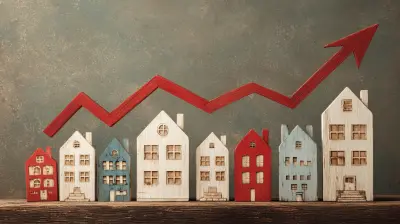
When to Walk Away: Knowing When a Real Estate Deal Isn’t Worth It
19 August 2026
So, there you are. Standing in a kitchen that's slightly too small, with cabinets a little too crooked, and you're trying to convince yourself that you can "make it work." The price seems right, the neighborhood fits, and on paper, everything looks fine. But deep down? Something feels off.
In real estate, as in life, sometimes the best decision isn't to push forward—it's to step back. But how do you know when to walk away from a real estate deal? That’s the million-dollar question (sometimes quite literally!).
Let’s peel back the layers and talk frankly about those red flags and gut-check moments that scream: “This isn’t the one.”
The Real Cost of a "Great Deal"
We’ve all heard the phrase, “If it seems too good to be true, it probably is.” In real estate, that line should be tattooed on our forearms.A deal that's priced way below market value might look like a shiny bargain, but ask yourself: Why?
Is the foundation cracked like an old vinyl record? Are the neighbors a demolition crew away from gentrification chaos? Maybe it’s just been sitting too long on the market like last week’s leftovers.
Cheap can be costly. Not just in dollars, but in stress, time, and sleepless nights.
Be Real with the Numbers
Before emotions take the wheel, bring in your calculator—or better yet, a savvy real estate agent and a trusted inspector. Consider:- Repair costs (and not just the cosmetic kind)
- Property taxes and HOA fees
- Comps in the neighborhood
- Potential rental ROI or resale value
If those numbers don’t sing in harmony, don’t try to force the melody. Walk.
Trust Your Gut, But Bring Your Brain
That gut feeling? It isn’t fluff. It’s instinct mixed with experience, stirred with a dash of common sense. If you feel uneasy, listen. But also, back it up with facts.The Emotional Trap
Buying a home isn’t like buying sneakers. You can’t return it after a week if it gives you blisters.We humans get attached too fast. Maybe it’s the wraparound porch or the open-concept kitchen. Maybe you picture your kids playing in the backyard or hosting Thanksgiving dinners. That’s beautiful—but that’s also emotional.
When emotions start clouding logic, you might ignore:
- A shady seller
- A tiny, overly complicated contract clause
- Neighborhood issues at night
- That funky smell you thought you could live with
Remind yourself: love can be blind, but your mortgage won’t be.
Inspections Reveal the Skeletons
Ah, the home inspection—the part where the magic fades and reality hits.This is where the house reveals its secrets. Some are just little quirks (hello, creaky stairs), while others are a full-blown horror show (mold infestation in the crawlspace, anyone?).
Major Issues That Should Make You Bolt
If you hear these words from a home inspector, take a deep breath and consider walking:- Foundation troubles
- Water damage or mold
- Pest infestations
- Electrical wiring nightmares
- Faulty roofing or plumbing systems
Now, can some of these be fixed? Sure. If you’re a seasoned investor or have deep pockets, you might take it on. But for the average buyer? It’s like adopting a dragon and hoping it won’t burn your house down. Think twice.
Financing Drama? Take a Step Back
You’ve found the home, you’ve made the offer—and now, the lender’s giving you the side-eye.If financing is becoming a circus act, with missed deadlines and changing terms, consider the costs. Shaky funding is not just inconvenient; it can destroy your deal and your credit.
Signs the Loan Isn’t in Your Favor
- Suddenly increased interest rates- Balloon payments buried in the fine print
- The appraised value comes in much lower than the offer
- Contingencies are ignored or brushed aside
A tough lender or a bad mortgage is like settling for a toxic relationship. They’ll smile during paperwork and ghost you when problems arise. Walk away before you’re locked in.
The Seller Won’t Budge
Negotiations are part of the game. But if you’re dealing with a seller who treats compromise like a foreign language, that’s a problem.Common Deal-Breaking Seller Behaviors
- Refusing to make necessary repairs- Not disclosing known issues
- Ghosting after offers or counter-offers
- Unrealistic pricing even when comps say otherwise
You deserve honesty and a fair shake. If you’re constantly hitting walls, it could be the universe’s way of saying, “This ain’t it.”
Paperwork Red Flags
Contracts are boring, I know. But buried in those pages are keys to the kingdom—or alarms warning you to run.What to Watch For
- Unexpected liens or legal claims on the property- Title issues or unclear ownership
- Overly aggressive clauses that favor the seller
- Lack of contingency clauses to protect you
Never—ever—let your excitement override contract clarity. Even one sketchy line could mean thousands in loss later.
If it smells like legal trouble but looks like a dream house, don’t fall for it. The devil, my friend, is in the details.
The Neighborhood Doesn’t Match Your Needs
A house isn’t an island. Look around. The best home in a crumbling neighborhood is still a bad investment.Red Flags Around the Block
- High crime rate (check local stats!)- Poor school ratings (even if you don’t have kids—it affects resale!)
- Noisy traffic, train lines, or industrial zones
- Low walkability or lack of amenities
- Frequent 'For Sale' signs that never come down
If you won’t enjoy living there—or if it’s likely to lose value—then it’s time to show yourself the door.
You’re Feeling Rushed
Here’s a truth bomb: urgency kills good judgment.If you're being pressured to "Act now!" or "Get it before it's gone!" take a pause. Fast-moving markets are common, but panic purchases are how regret is born.
Signs You’re Being Rushed
- You barely had time to read the contract- Skipped inspections or waived contingencies
- Agents or sellers pushing for immediate decisions
- Fear of missing out making you overlook flaws
Remember this: real estate is not a clearance sale. There will be another house. But there won’t be another you to protect your interests.
Your Future Plans Don’t Align
Here comes the big-picture stuff. What’s your 5-year, 10-year plan? Does this home fit into that story?When the Puzzle Pieces Don’t Fit
- It’s too small for your growing family- It's located too far from work, schools, or support networks
- The layout could limit aging in place
- The area's economy is declining
Buying a home is like planting roots. If the soil isn’t fertile for the future you want, don’t plant there.
Walking Away Isn’t Losing—It’s Wisdom
Let’s be real: walking away can feel like defeat. All that effort, the dreaming, the open houses, the paperwork, the emotional investment… just to say, “No thanks”? That’s tough.But here’s what’s tougher: feeling stuck in a bad investment for the next 30 years. That stings way more.
Knowing when to walk away means you’re tuned into reality. It means you’re valuing your peace of mind over a potentially bad deal. That’s powerful. That’s smart. That’s you taking control.
Final Thoughts: Protect Your Peace, Not Just Your Portfolio
In real estate, the pressure can get loud. Everyone wants to buy. Everyone seems to be closing deals. But this isn’t a race, and it’s not a contest.Buying a home (or investment property) is a major milestone, and it deserves caution. Don't let external hype drown out your internal voice.
If you spot red flags, slow down. If your gut’s whispering warnings, listen. And if you feel even a little off balance? It might just be time to walk away.
Because in the end, a home should be a sanctuary—not a sacrifice.
all images in this post were generated using AI tools
Category:
Real Estate NegotiationAuthor:

Travis Lozano
Discussion
rate this article
2 comments
Vanya Bass
If the house smells like a wet dog and the price is still high, it's definitely time to walk away... fast!
August 30, 2026 at 3:45 AM
Travis Lozano
Absolutely, a musty smell is a clear red flag. Don't overlook it-trust your instincts and move on.
Aiden Long
Great insights in this article. It's so important to recognize when a deal isn't right for you. Walking away can be tough, but sometimes it's the best choice. Your advice on assessing risks really hit home-thank you for shedding light on this vital aspect of real estate.
August 29, 2026 at 3:38 AM
Travis Lozano
Thank you for your kind words! I'm glad you found the insights valuable. Knowing when to walk away is crucial in real estate. Wishing you success in your future deals!