Sustainable Materials for Building a Resilient and Long-Lasting Home
14 January 2026
When it comes to building a home, most people want something that lasts—a place that can withstand the test of time, weather, and daily wear and tear. But have you ever stopped to consider how the materials used in construction impact not only your home’s resilience but also the environment?
Sustainable building materials are not just a trend; they are the future of home construction. Choosing eco-friendly, durable materials ensures a robust and energy-efficient house while reducing your carbon footprint. So, if you're planning to build or renovate, let's talk about the best sustainable materials that can help you create a strong and lasting home.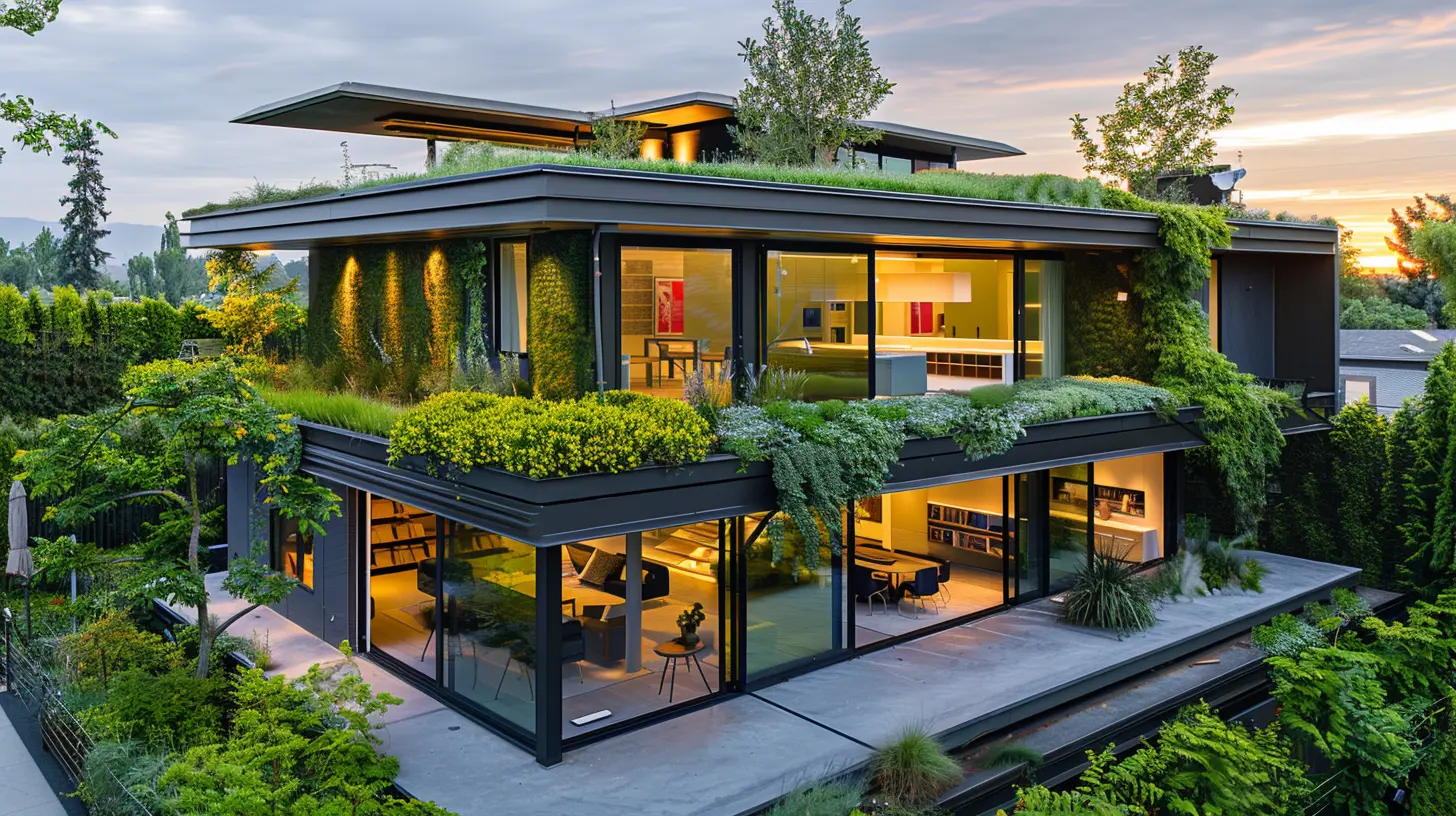
Why Sustainable Materials Matter in Home Construction
Traditional construction materials, like concrete and steel, consume massive amounts of energy and contribute significantly to carbon emissions. With climate change becoming a real and pressing issue, switching to sustainable materials is one of the easiest ways to make a difference.Using eco-friendly materials doesn’t mean compromising on strength or durability. In fact, many sustainable options can outlast traditional materials while keeping your home better insulated, more resilient, and healthier to live in. Plus, they often require less maintenance—who doesn’t love that?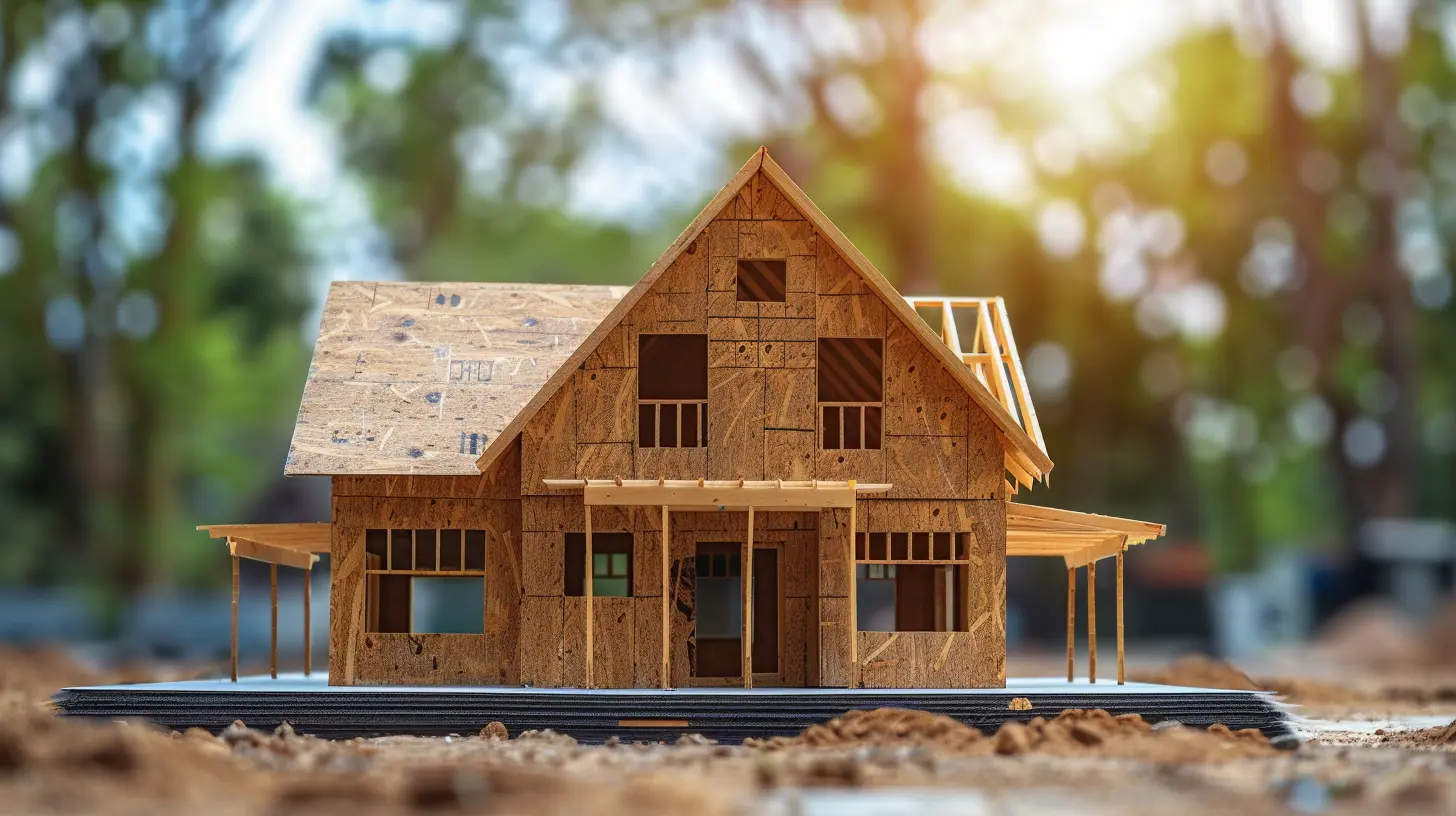
1. Bamboo: The Superhero of Sustainable Building
Bamboo is the Superman of building materials—it's strong, flexible, and grows insanely fast. Unlike hardwood trees that take decades to mature, bamboo is ready for harvest in just a few years. Plus, it absorbs carbon dioxide and releases oxygen at a much higher rate than traditional trees.Why Bamboo?
- Durability – Stronger than some types of hardwood and even concrete in some cases.- Renewability – Replenishes quickly, making it an excellent alternative to wood.
- Versatility – Works for flooring, walls, furniture, and even structural components.
The only downside? Since most bamboo is sourced from Asia, shipping it over long distances can reduce its environmental benefits. However, if sourced responsibly, it's still one of the best sustainable building materials out there.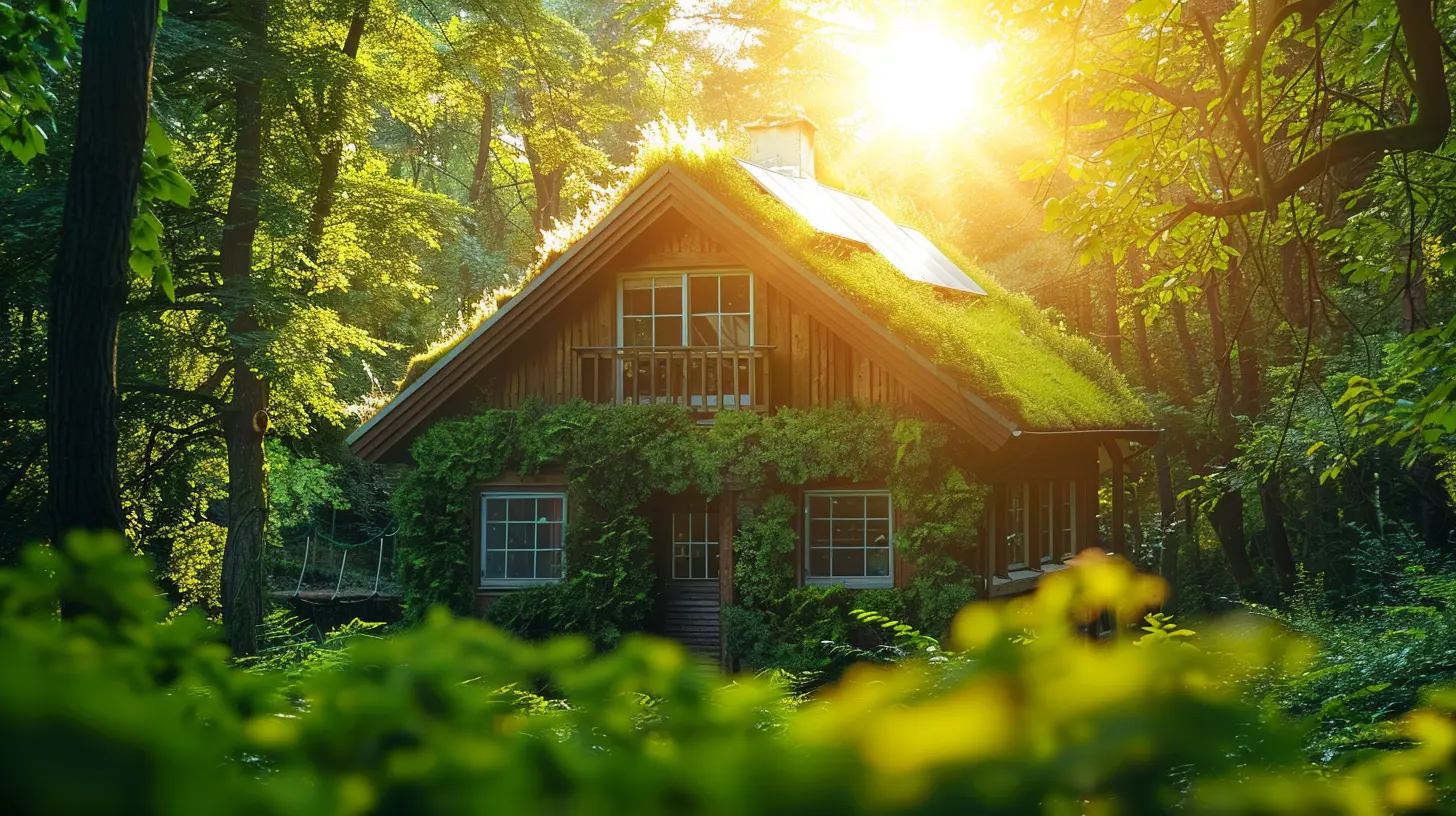
2. Recycled Steel: Strength That Saves the Planet
Steel is one of the most commonly used materials in construction, but the process of making new steel releases a staggering amount of CO₂. That’s where recycled steel comes in.Why Recycled Steel?
- Eco-Friendly – Reduces mining and energy consumption.- Incredible Strength – Can withstand earthquakes, hurricanes, and fires.
- Longevity – Doesn’t corrode as easily as other metals when properly treated.
By repurposing old steel from cars, bridges, and buildings, we can cut down on pollution while still enjoying one of the most durable materials available for home construction.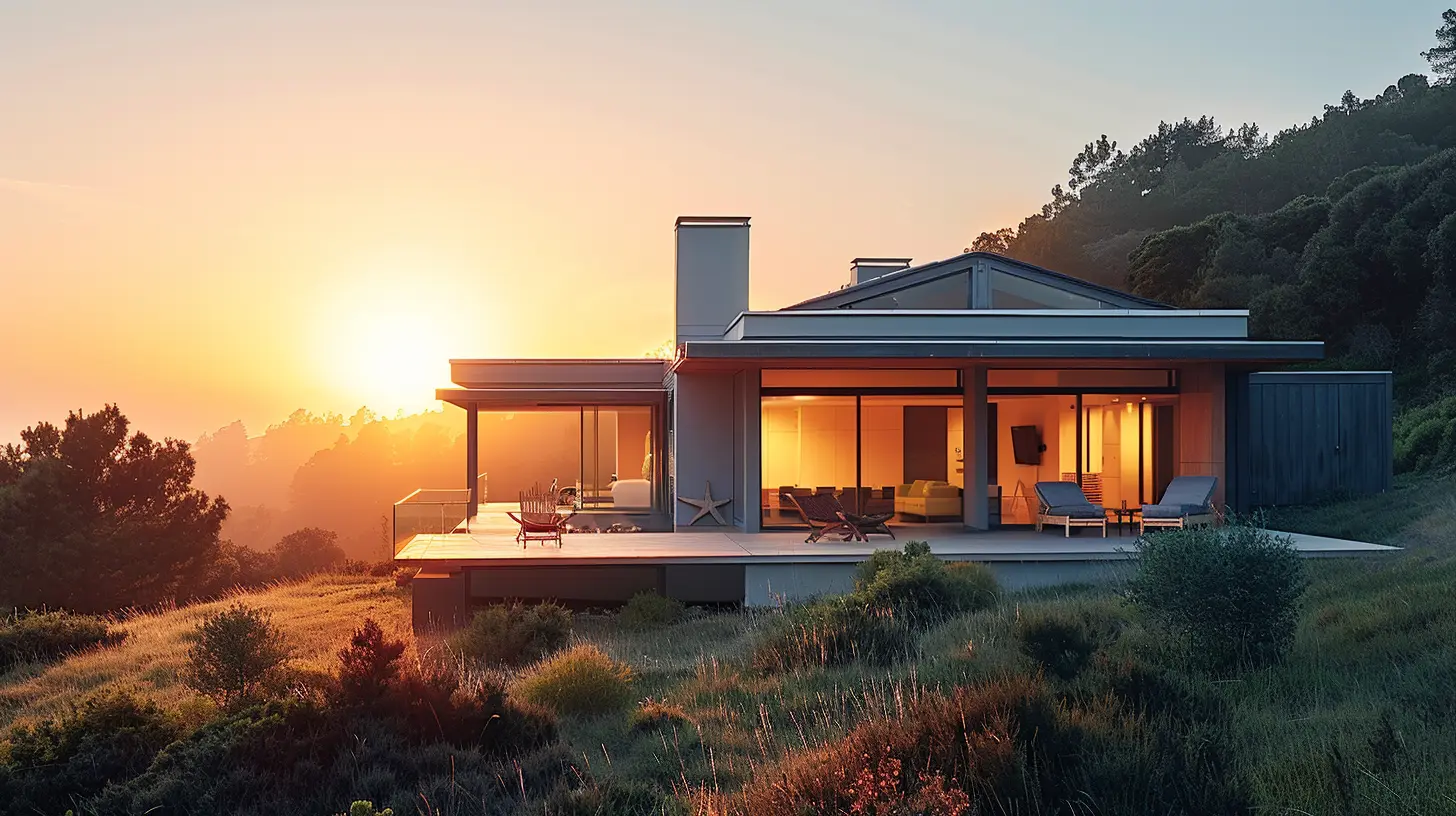
3. Rammed Earth: The Forgotten Treasure
Rammed earth is an ancient building technique that dates back thousands of years, and it's making a serious comeback. If you've never heard of it, imagine mixing soil, clay, sand, and a little water, then compressing it tightly into molds to create solid walls.Why Rammed Earth?
- Thermal Mass – Naturally regulates indoor temperature, reducing heating and cooling costs.- Extreme Durability – Some ancient structures built with rammed earth still stand today.
- Aesthetics – Creates a stunning, natural appearance that blends beautifully with modern architecture.
The process does require skilled labor, but if done right, a rammed earth home will last for generations.
4. Reclaimed Wood: Giving Old Timber a New Life
Why cut down new trees when we already have so much usable wood from old buildings, barns, and furniture? Reclaimed wood not only reduces deforestation but also adds character and charm to any home.Why Reclaimed Wood?
- Unique Aesthetic – Weathered, aged wood has a rustic appeal that’s hard to replicate.- Eco-Conscious – Keeps good-quality wood from ending up in landfills.
- Durability – Older wood is often denser and stronger than newly harvested timber.
From flooring to beams and furniture, reclaimed wood is one of the most sustainable and visually appealing materials you can use.
5. Cork: The Lightweight Champion
Cork isn’t just for wine bottles—it’s also a fantastic building material. Harvested from the bark of cork oak trees, it can be removed without harming the tree, making it an incredibly renewable resource.Why Cork?
- Flexibility & Durability – Resistant to moisture, fire, and pests.- Sustainable Harvesting – The same tree can be harvested multiple times over its 200-year lifespan.
- Great Insulation – Provides excellent thermal and sound insulation.
It’s mainly used for flooring and wall panels, offering a soft yet durable surface that’s comfortable underfoot.
6. Hempcrete: The Future of Green Homes
If you haven’t heard of hempcrete yet, prepare to be amazed. Made from hemp fibers, lime, and water, this lightweight, bio-composite material works as an excellent insulator.Why Hempcrete?
- Eco-Friendly – Hemp absorbs CO₂ as it grows, making hempcrete a carbon-negative material.- Fire & Pest Resistant – A home built with hempcrete is naturally resistant to common hazards.
- Excellent Insulation – Keeps your home cool in the summer and warm in the winter.
Hempcrete isn’t load-bearing, so it usually needs a frame, but it’s still one of the best sustainable materials for building walls.
7. Straw Bales: Nature’s Insulation
Straw might remind you of farm animals, but don’t write it off just yet. Straw bales are excellent insulators and can be used to construct energy-efficient homes.Why Straw Bales?
- Superb Insulation – Helps maintain indoor temperatures year-round.- Affordable & Renewable – Grows quickly and is often an agricultural byproduct.
- Fire Resistant – When compacted, straw bales are surprisingly fire-resistant due to a lack of oxygen inside.
Straw bale construction works best in dry climates but, when properly maintained, can last for decades.
8. Mass Timber: A Game Changer in Construction
Mass timber, including cross-laminated timber (CLT), is revolutionizing how we build homes. It’s made by layering pieces of wood together with adhesives to form ultra-strong panels.Why Mass Timber?
- Lower Carbon Footprint – Uses less energy than steel or concrete.- Fast Construction – Prefabricated panels speed up the building process.
- Strength & Beauty – Strong enough for tall buildings with a warm, natural look.
As a bonus, timber construction locks away carbon, helping reduce greenhouse gas emissions.
Making the Switch to Sustainable Building Materials
Switching to sustainable materials isn’t just good for the planet—it’s a smart investment. Many eco-friendly materials are more durable, energy-efficient, and healthier for your home environment.Key Takeaways:
- Sustainable materials reduce environmental impact and carbon emissions.- Many alternatives, like bamboo, recycled steel, and rammed earth, are stronger and last longer than traditional materials.
- Energy efficiency is another major perk—better insulation means lower utility bills.
- A home built with sustainable materials can increase property value and longevity.
Building with sustainability in mind isn’t just an environmental choice; it’s a lifestyle choice. It’s about crafting a home that doesn’t just stand strong for you—but also for the generations to come.
all images in this post were generated using AI tools
Category:
Building MaterialsAuthor:

Travis Lozano
Discussion
rate this article
2 comments
Mason McVicker
Utilizing sustainable materials not only enhances a home's durability but also minimizes environmental impact, making it a practical choice for modern, eco-conscious homeowners seeking resilience.
February 3, 2026 at 5:38 AM
Travis Lozano
Thank you for highlighting the dual benefits of sustainable materials! They truly are essential for creating resilient homes while protecting our environment.
Shelby McCool
Great insights! Sustainable materials truly enhance home resilience.
January 14, 2026 at 4:04 AM
Travis Lozano
Thank you! I’m glad you found the insights valuable. Sustainable materials are indeed key to building resilient homes.