The Benefits of Green Roofing in Sustainable Housing
9 January 2026
When it comes to sustainable housing, green roofing is a game-changer. Picture this: a lush, living roof above your home, buzzing with life, cutting your energy bills, and reducing your carbon footprint—sounds like a dream, right? Well, it’s not just a fantasy; it's a reality that more homeowners are embracing.
If you’re wondering whether a green roof is worth it, strap in because we’re about to break down the undeniable benefits of green roofing in sustainable housing. 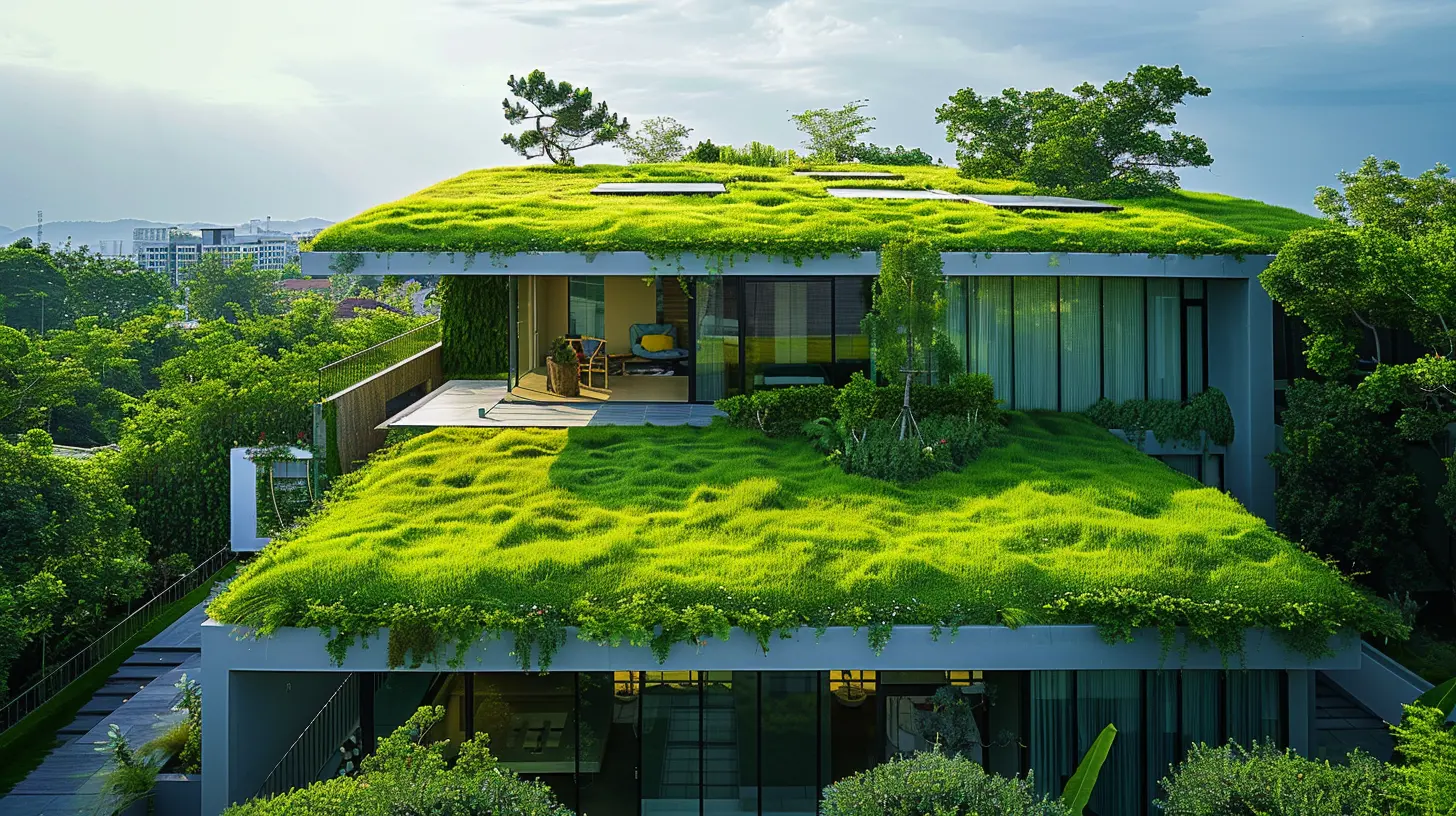
What Is Green Roofing?
Before we dive headfirst into its benefits, let's get the basics straight. Green roofing, also known as a living roof, is essentially a layer of vegetation planted over a waterproofing system on top of a building. Unlike traditional roofing materials that absorb and radiate heat like an oven, green roofs act as natural insulators and offer a ton of other benefits.Green roofs come in two main types:
- Extensive Green Roofs – Low-maintenance, lightweight, and typically covered in small plants like moss and sedum. Perfect for homeowners who want greenery without much upkeep.
- Intensive Green Roofs – Heavier, more diverse in plant life (think shrubs, flowers, and even small trees), and require more maintenance. These are essentially rooftop gardens.
Whether you go extensive or intensive, green roofs bring serious benefits to sustainable housing. 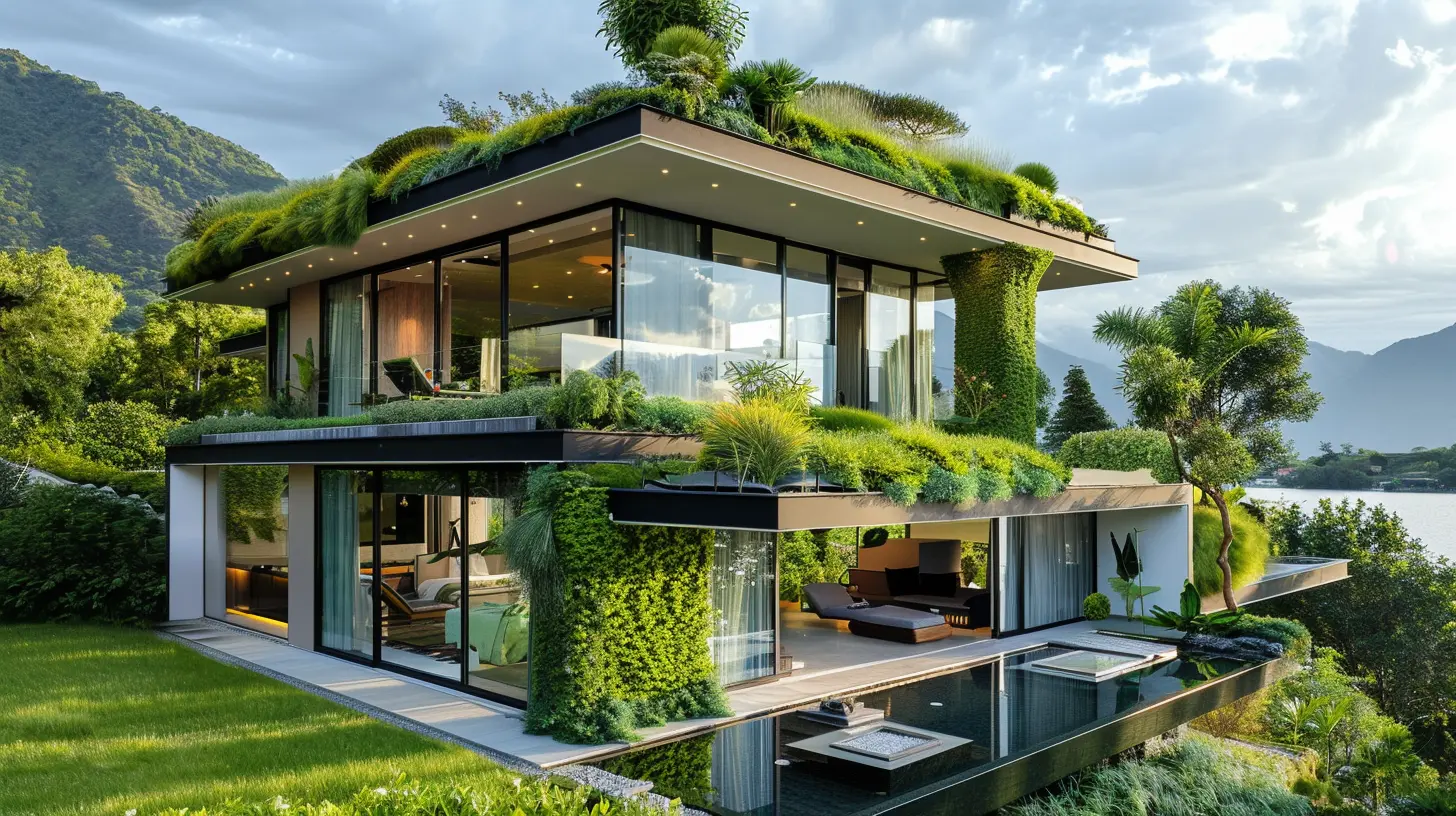
1. Energy Efficiency Like Never Before
Would you believe me if I said a green roof could slash your energy bills? Well, it’s true! Traditional roofs absorb the sun’s heat, making your home feel like a sauna in the summer. That means your air conditioning has to work overtime, racking up costs.A green roof, on the other hand, acts like Mother Nature’s insulation. It keeps heat out in the summer and traps warmth inside during winter, significantly reducing the need for heating and cooling. This means lower energy consumption, which is a win for both your wallet and the planet. 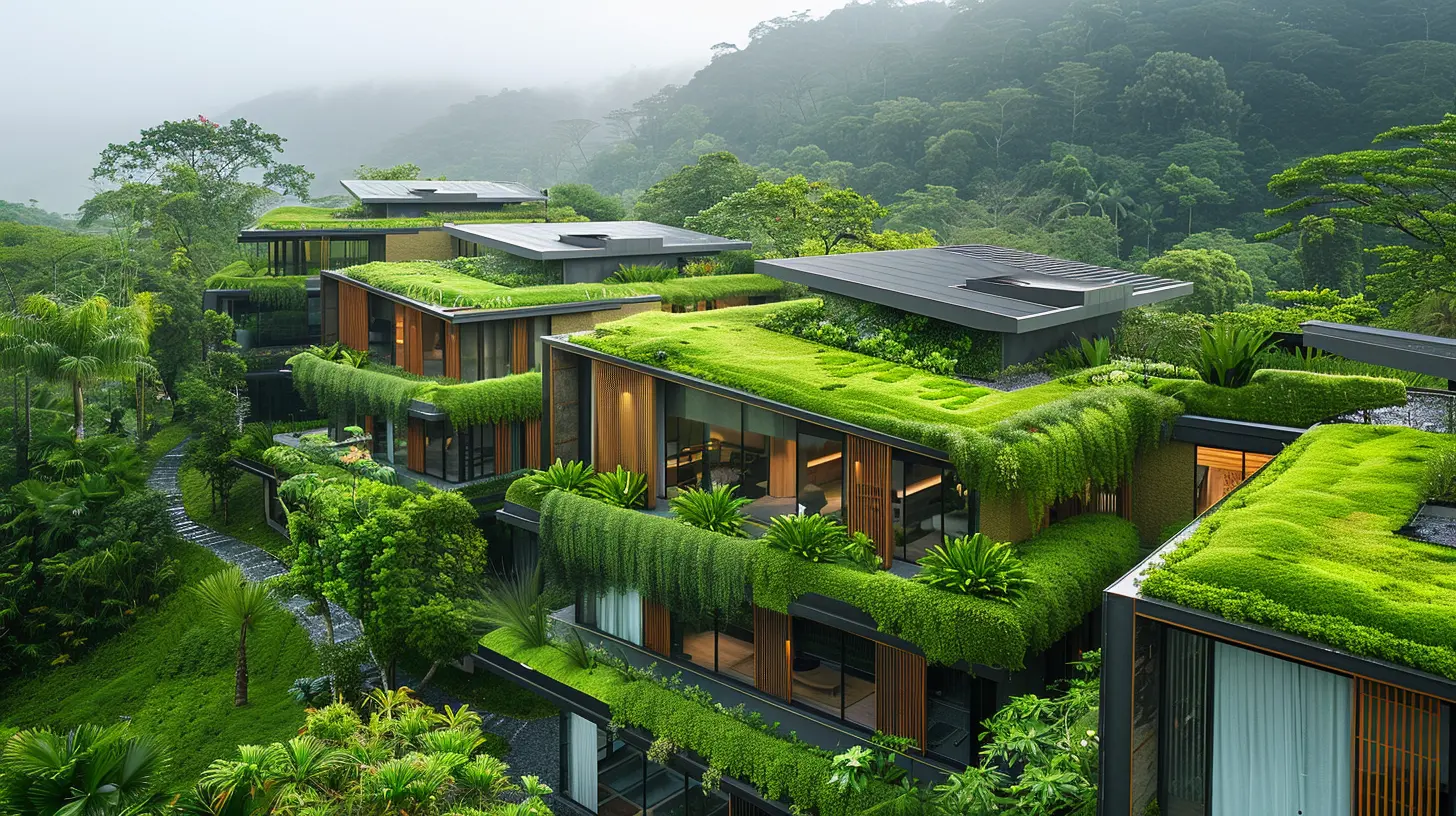
2. A Natural Air Purifier
Think of green roofing as your home’s personal air filter. With the growing concern over air pollution, having a system that naturally cleans the air is a big deal.Plants on a green roof absorb carbon dioxide and release oxygen, making the air around your home fresher and cleaner. Even better? They trap dust particles and pollutants, reducing toxins in urban areas. So, if you live in a city choked with smog, a green roof is like an oasis of fresh air. 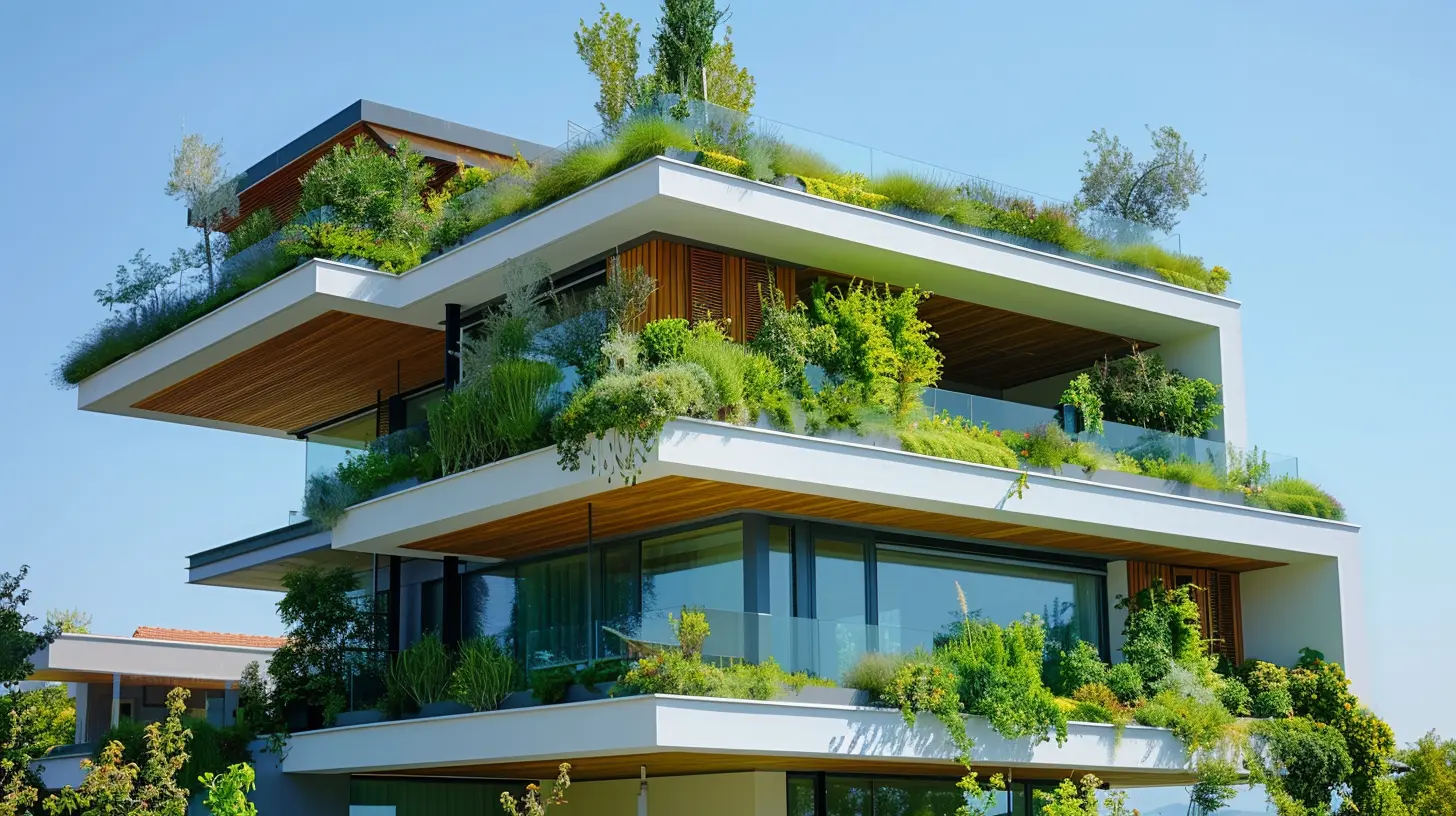
3. Stormwater Management Done Right
Ever thought about where all that rainwater goes when it pours? Traditional roofs send water rushing into drains, which can overwhelm sewer systems and lead to flooding.Green roofs act like sponges, absorbing rainwater and slowing down runoff. The plants filter and clean the water naturally, reducing the strain on drainage systems and lowering the chances of urban flooding. In other words, green roofs help cities breathe easier during heavy rainstorms.
4. Say Goodbye to the Urban Heat Island Effect
Cities are heat traps—thanks to endless concrete and asphalt. This phenomenon, known as the Urban Heat Island Effect, makes cities much hotter than surrounding rural areas.Green roofs help combat this heat buildup by cooling down buildings and their surroundings. They absorb less heat compared to traditional roofing materials and even provide much-needed shade. The result? Cooler neighborhoods, less reliance on air conditioning, and a more comfortable living environment.
5. Boost in Biodiversity
Imagine your rooftop becoming a mini-ecosystem—home to birds, bees, and butterflies. Sounds cool, right? Green roofs create habitats for wildlife, making them an essential tool for urban biodiversity.Pollinators like bees are crucial for the environment, and cities often lack green spaces for them to thrive. A green roof provides a sanctuary for these creatures, promoting a healthier ecosystem and supporting plant life in the area.
6. Noise Reduction for a Quieter Home
If you live in a noisy neighborhood (think honking cars, bustling streets, or chatty pedestrians), a green roof can be a lifesaver. The layers of soil and plants act as a natural sound barrier, absorbing noise instead of bouncing it around.This makes green roofing a fantastic option for homes in crowded cities or near airports. Say hello to quieter living spaces and better peace of mind.
7. Increased Roof Longevity
Let’s face it—roofs take a beating from the elements. Traditional roofing materials expand and contract with temperature changes, leading to cracks and deterioration over time.A green roof, however, protects the underlying structure from harsh UV rays, rain, snow, and extreme temperatures. This means your roof lasts significantly longer than a conventional one, saving you tons of money on repairs and replacements.
8. Higher Property Value
If you ever plan on selling your home, a green roof could be a major selling point. Sustainable features are in high demand, and eco-conscious buyers are willing to pay a premium for homes with energy-efficient and environmentally friendly elements.A green roof boosts curb appeal, lowers utility costs, and positions your home as a standout in the real estate market. So, whether you're thinking long-term or short-term, investing in a green roof pays off.
9. Mental and Physical Health Benefits
Ever noticed how spending time in nature instantly lifts your mood? Well, a green roof brings nature right to your doorstep.Studies show that greenery reduces stress, anxiety, and even enhances focus. Homes with green roofs provide a relaxing environment and improve overall well-being. Plus, if you install an intensive green roof, you can turn it into a rooftop garden—giving you space for some much-needed outdoor time without leaving home.
10. Government Incentives and Tax Benefits
Here’s a little bonus: many governments recognize the environmental benefits of green roofs and offer incentives for homeowners who install them.Some cities provide tax credits, rebates, or subsidies to encourage green roofing. That means you could get financial support to make your home more sustainable—now that’s what I call a smart investment!
Is a Green Roof Right for Your Home?
By now, you might be wondering if a green roof is the right investment for you. While it's true that installation costs can be higher than traditional roofs, the long-term savings and environmental benefits make it a worthwhile choice.If you're serious about sustainable living, cutting energy costs, and adding value to your property, a green roof is one of the best decisions you can make. Plus, who wouldn’t want a personal slice of nature right above their head?
Final Thoughts
Green roofing is more than just an architectural trend—it’s the future of sustainable housing. From energy efficiency and stormwater management to noise reduction and biodiversity, the benefits are too significant to ignore.If you’re ready to take the leap into eco-friendly living, a green roof could be your first step toward a more sustainable, cost-effective, and beautiful home. Whether you’re in the city or the suburbs, going green—literally—is always a good idea!
So, what’s stopping you? Your roof deserves better, and so does the planet.
all images in this post were generated using AI tools
Category:
Sustainable HousingAuthor:
Travis Lozano
Discussion
rate this article
2 comments
Tiffany Barnes
Why did the roof go green? Because it wanted to leaf a lasting impression! Seriously, green roofing isn’t just for eco-warriors; it’s for anyone who wants a roof that’s both stylish and a little bit ‘plant-tastic!’" 🌿🏠
February 1, 2026 at 5:54 AM
Travis Lozano
Thank you for the witty comment! Green roofing truly combines style and sustainability, making it an excellent choice for eco-conscious homeowners. 🌿🏠
Owen Hubbard
Green roofing enhances energy efficiency and promotes sustainability.
January 14, 2026 at 4:04 AM
Travis Lozano
Thank you for highlighting this! Green roofing indeed plays a crucial role in improving energy efficiency and supporting sustainable living practices.