The Role of Zoning in Protecting Historic and Cultural Assets
1 November 2026
Ah, zoning laws—those magical rules that tell you what you can and cannot do with your own property. Love them or hate them, they play a crucial role in shaping our cities, preserving our history, and stopping your neighbor from opening a 24-hour nightclub in the middle of your cozy, quiet neighborhood. But when it comes to protecting historic and cultural assets, zoning isn't just a bunch of red tape—it's a lifeline.
So, why do we need zoning laws to protect history? Can’t we just trust everyone to respect the beauty and significance of old buildings? Ha! If only. Without zoning, some developer would probably slap a glass skyscraper next to a centuries-old church and call it “progress.”
Let’s break down exactly how zoning keeps historic and cultural landmarks standing tall—while throwing in a little sarcasm (because, let’s face it, zoning laws aren’t the most thrilling topic). 
What Even Is Zoning?
Before we dive into why zoning is crucial for preservation, let's get the basics out of the way.Zoning is essentially the rulebook for land use. It dictates what can be built where, how tall it can be, what purpose it serves, and whether you can turn your grandma’s Victorian mansion into a trendy coffee shop. (Spoiler: probably not without a permit.)
Zoning falls into different categories—residential, commercial, industrial, and mixed-use. But within those, cities often create special historic preservation zones to protect significant buildings and cultural sites from being bulldozed in favor of yet another strip mall.
Which brings us to the ultimate question—why should we care? 
Why Protect Historic and Cultural Assets?
1. Because History Deserves Better Than a Parking Lot
Imagine walking through the streets of Rome, only to find the Colosseum demolished and replaced with luxury condos. Sounds absurd, right? Well, without zoning laws, similar things happen—just on a smaller (and slightly less tragic) scale.Historic buildings tell stories. They connect us to the past. But without zoning protection, many of them would be torn down and "modernized" into generic apartment complexes faster than you can say "cultural erasure."
2. Because Tourism = Money
Let’s be real: people don’t travel to a city to see its strip malls. They come for the history, the charm, the culture. Zoning helps maintain these attractions so cities can keep raking in that sweet tourism cash.Think about it—would New Orleans’ French Quarter be as magical if someone decided to replace half of it with a shiny new office park? Nope. Zoning keeps that from happening (or at least makes it really, really difficult).
3. Because Once It’s Gone, It’s Gone
You can always rebuild a structure, but you can’t recreate history. The materials, the craftsmanship, the uniqueness—once a historic site is demolished, it’s not coming back. Zoning laws act as the “do not touch” sign that (some) developers actually listen to.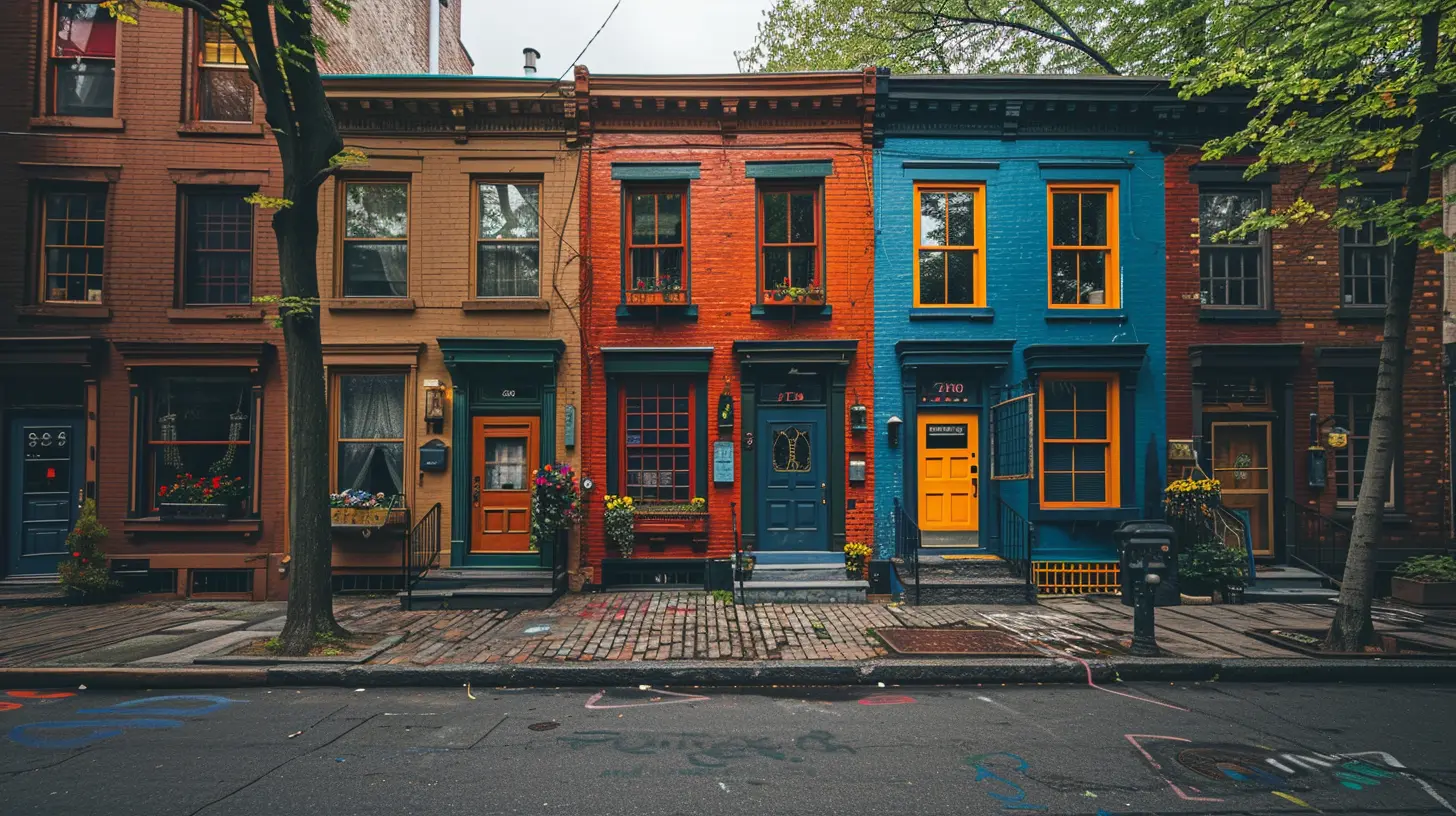
How Zoning Protects Historic and Cultural Sites
Alright, so zoning is important. But how does it actually work? Let’s break it down.1. Historic Preservation Overlays (A.K.A. “The No-Touch Zone”)
Some cities create special zoning districts called Historic Preservation Overlay Zones (HPOZs). These are the VIP sections of zoning, where historic landmarks get extra protection.Within these zones, you can’t just wake up one day and decide you want to add a neon-lit rooftop bar to your 1800s brownstone. Nope—it requires approval from preservation boards, meticulous planning, and probably more paperwork than you’d ever like to see in your lifetime.
2. Height and Design Restrictions (Goodbye, Ugly High-Rises)
Ever wondered why certain historical areas don’t have towering skyscrapers overshadowing them? Thank zoning.Height and design restrictions prevent new developments from clashing with historic neighborhoods. This means no futuristic glass monoliths popping up next to a centuries-old church. It keeps the aesthetic integrity intact—which, let's be honest, makes cities way more charming.
3. Adaptive Reuse (Because Old Buildings Deserve a Second Chance, Too)
Zoning doesn’t just protect historic buildings; it helps give them new life. Through adaptive reuse policies, old structures can be repurposed into something functional without stripping them of their character.That abandoned factory? It could become a boutique hotel. That old post office? Maybe a trendy coworking space. The point is, zoning makes sure these buildings aren't just left to rot—or worse, demolished.
4. Cultural Districts (Where History Meets Community)
Some zoning laws create designated Cultural Districts to protect areas rich in heritage. These districts celebrate local traditions, protect landmarks, and make sure historic neighborhoods aren’t taken over by corporate chains.Ever wondered why certain areas still have quirky, mom-and-pop businesses instead of a Starbucks on every corner? Cultural zoning is often at play, keeping the soul of a neighborhood alive. 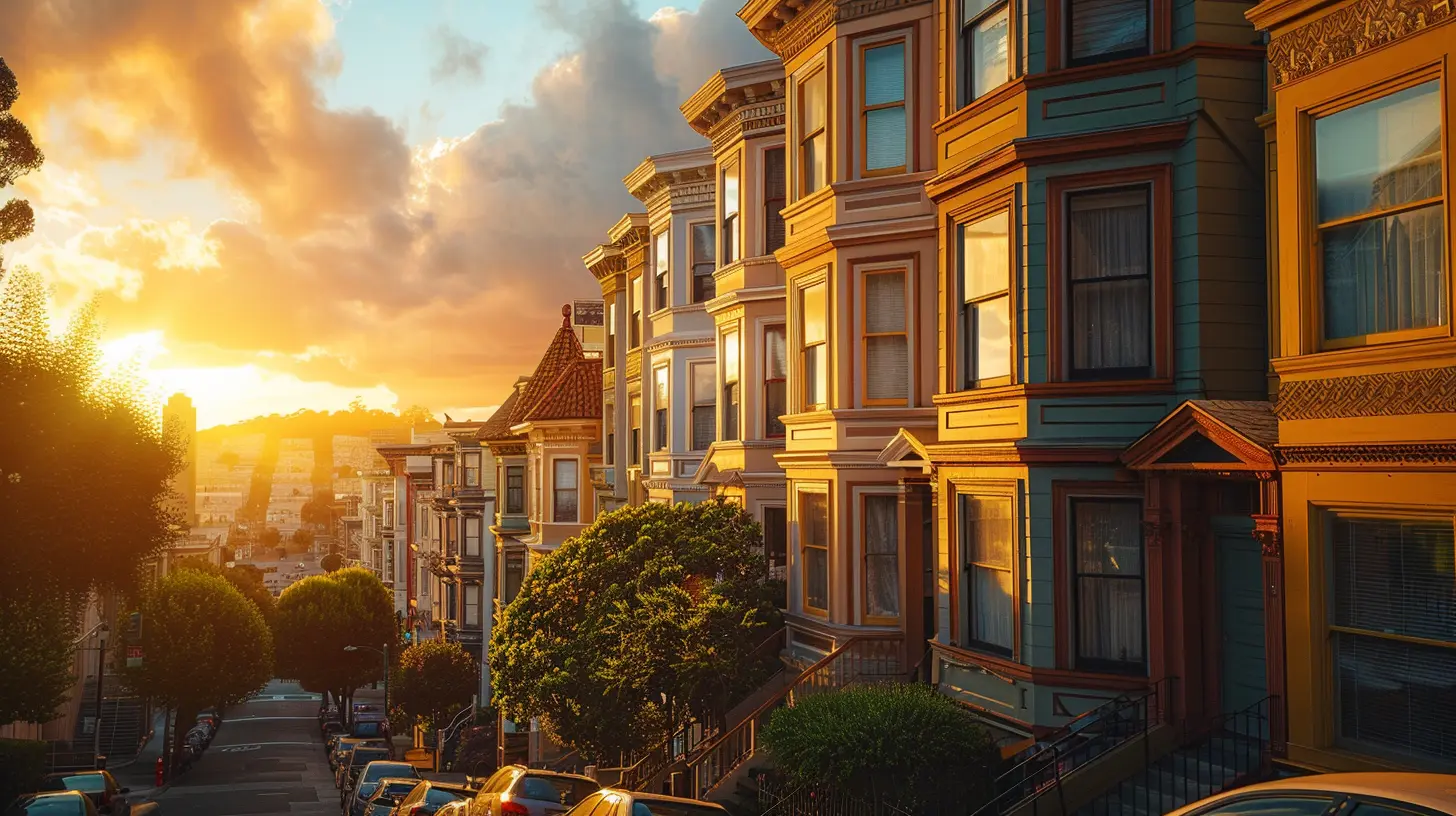
The Struggle: Preservation vs. Development
Of course, it’s not all sunshine and saved landmarks. Zoning laws often spark a classic battle: preservation vs. progress.Developers argue that restrictions limit economic growth. Preservationists argue that destroying history isn’t exactly a smart business move either (because, again, tourism). Finding the balance between modern expansion and keeping cultural heritage intact is a never-ending struggle.
But let’s be real—once a historic site is torn down, it’s not coming back. So shouldn’t we at least make sure we’re not trading priceless history for, I don’t know, a parking garage?
The Bottom Line: Zoning Matters (Even If It’s Boring)
Look, zoning might not be the most thrilling topic in the world. But if you love that old, charming neighborhood or that quirky historic district in your city, you can thank zoning laws for keeping it intact.Without these regulations, developers could bulldoze history in favor of high-rise condos, corporate chain stores, and parking lots (because apparently, we always need more of those).
So next time you stroll through a beautifully preserved historic district, take a moment to appreciate the zoning laws that made it possible. They might not be glamorous, but they’re doing the important work of keeping our past alive—one regulation at a time.
all images in this post were generated using AI tools
Category:
Zoning RegulationsAuthor:

Travis Lozano

