Understanding the Importance of Waterproofing Materials in Home Building
19 January 2026
Imagine building your dream home, only to discover a few months later that water has seeped through the walls, flooring, or even the foundation. Sounds like a nightmare, right? Well, that’s exactly what can happen if you overlook the importance of waterproofing materials in home construction.
Water may be essential for life, but trust me—you don’t want it sneaking into places where it doesn’t belong! Whether you're constructing a brand-new home or renovating an older one, waterproofing should be at the very top of your priority list.
In this guide, we’ll break down why waterproofing matters, what materials work best, and how they can save you from future headaches (and hefty repair bills). 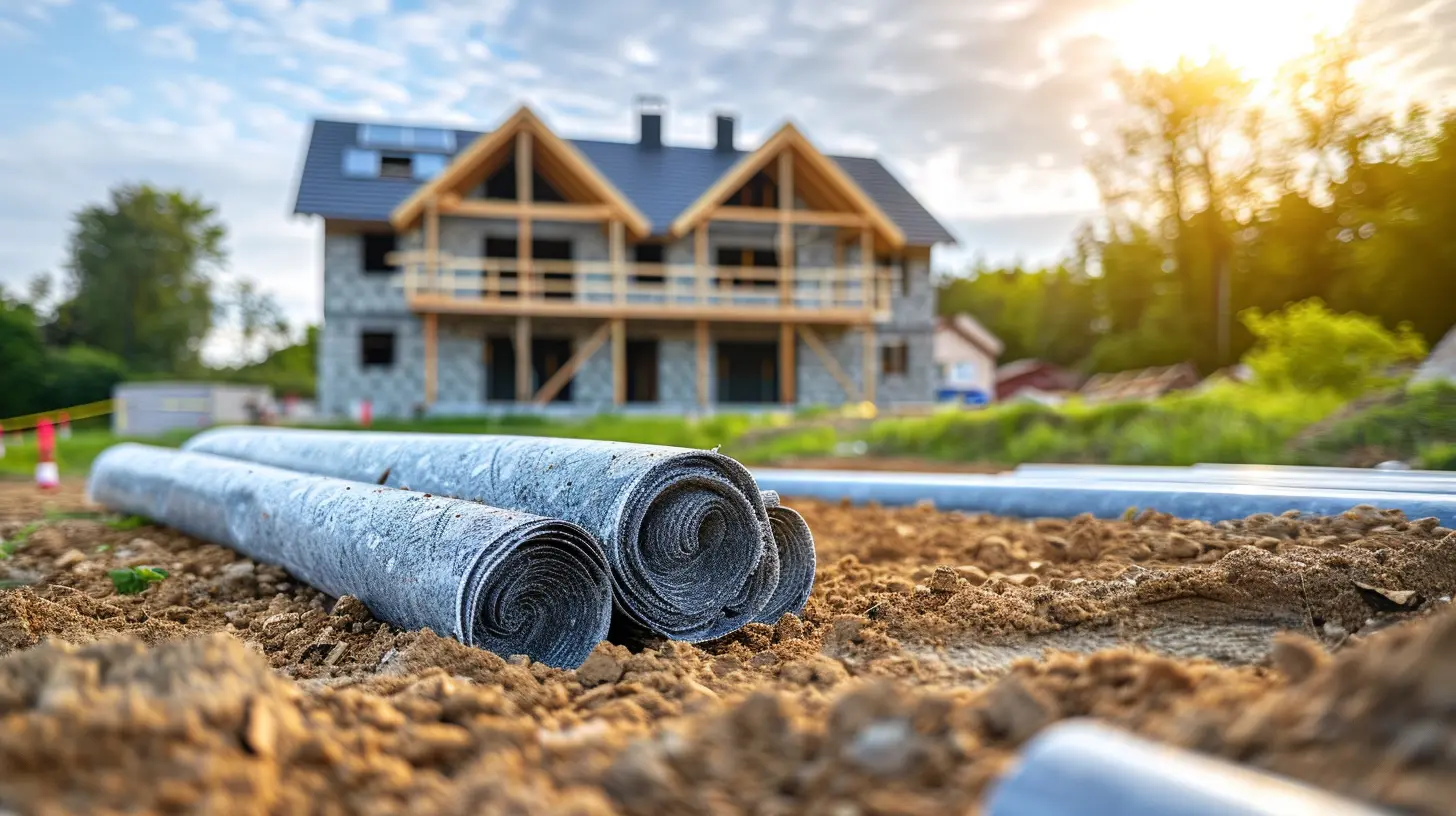
Why Waterproofing is Non-Negotiable in Home Construction
Water is a home's silent destroyer. It doesn’t break things down overnight, but given enough time, moisture can cause serious damage—structural issues, mold growth, and even health problems.The Damage Water Can Cause
Still debating whether waterproofing is worth the investment? Here’s what can happen if you skip it:- Cracks & Weak Foundations – Water seeps into cracks, weakens your foundation, and can cause shifting or sinking over time.
- Mold & Mildew Growth – Damp areas become breeding grounds for mold, leading to respiratory issues and nasty odors.
- Peeling Paint & Warped Walls – Water damage isn't just structural; it also ruins the aesthetic appeal of your home.
- Weakened Roofing – Improper waterproofing can lead to roof leaks, causing costly interior damage.
Basically, cutting corners on waterproofing today can lead to massive expenses down the road. Prevention is always cheaper (and less stressful) than repairs! 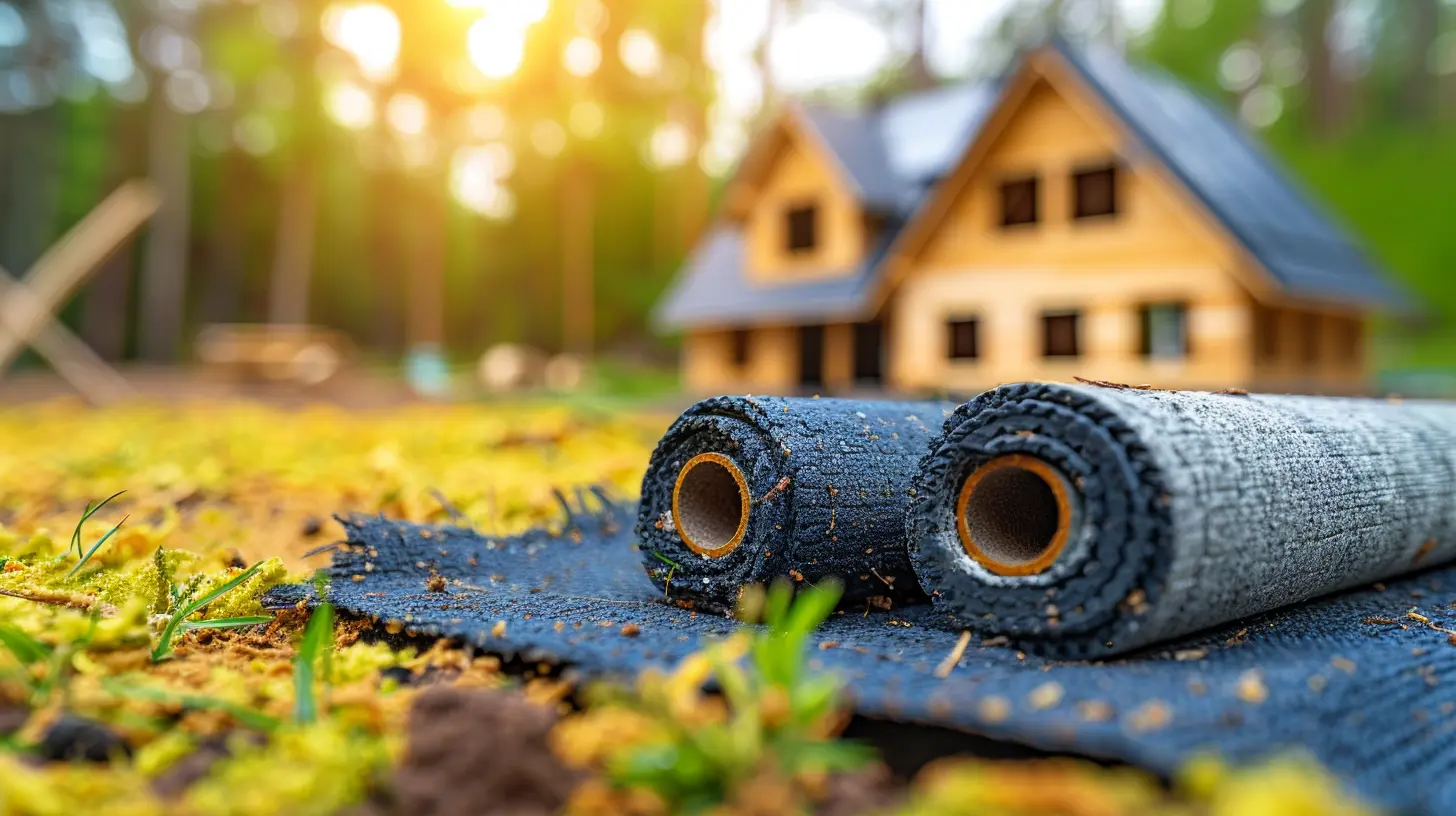
Common Waterproofing Materials and Their Uses
Now that we agree waterproofing is a must, let’s talk about the materials that get the job done. Not all waterproofing materials are created equal, and the right choice depends on where and how you’ll be using them.1. Cementitious Waterproofing
Ever heard of a "set-it-and-forget-it" solution? That’s cementitious waterproofing for you. This material is one of the easiest to apply, making it ideal for basements, water tanks, and bathrooms.Pros:
✅ Easy to mix and apply
✅ Extremely durable
✅ Perfect for internal wet areas
Cons:
❌ Not flexible—can crack if the structure moves
❌ Best for low-moisture areas (not suitable for heavy exposure)
2. Liquid Waterproofing Membrane
Think of this like painting on a waterproof jacket for your home. Liquid membranes are applied as a thin coat that hardens into a rubber-like waterproof layer.Best used for: Roofs, balconies, and areas exposed to heavy moisture.
Pros:
✅ Flexible—can expand and contract with temperature changes
✅ Easy to apply in tricky areas
✅ Provides seamless coverage
Cons:
❌ Requires thorough application to be effective
❌ Slightly more expensive than cementitious options
3. Bituminous Coating
Bitumen (aka asphalt) has been used in waterproofing for ages, and for good reason! This thick, black coating provides excellent moisture resistance, making it a popular choice for foundations and basements.Pros:
✅ Great protection against water and humidity
✅ Long-lasting and durable
Cons:
❌ Not UV-resistant—exposure to sunlight can make it brittle
❌ Not the best for visible areas due to its dark color
4. Polyurethane Waterproofing
If you need serious waterproofing power, polyurethane is your best bet. It’s highly flexible, UV-resistant, and easy to apply.Best used for: Roofs, exposed balconies, and areas needing heavy-duty protection.
Pros:
✅ Superior flexibility—even works on uneven surfaces
✅ UV resistant—perfect for outdoor areas
✅ Highly durable
Cons:
❌ Can be expensive
❌ Requires professional application for best results 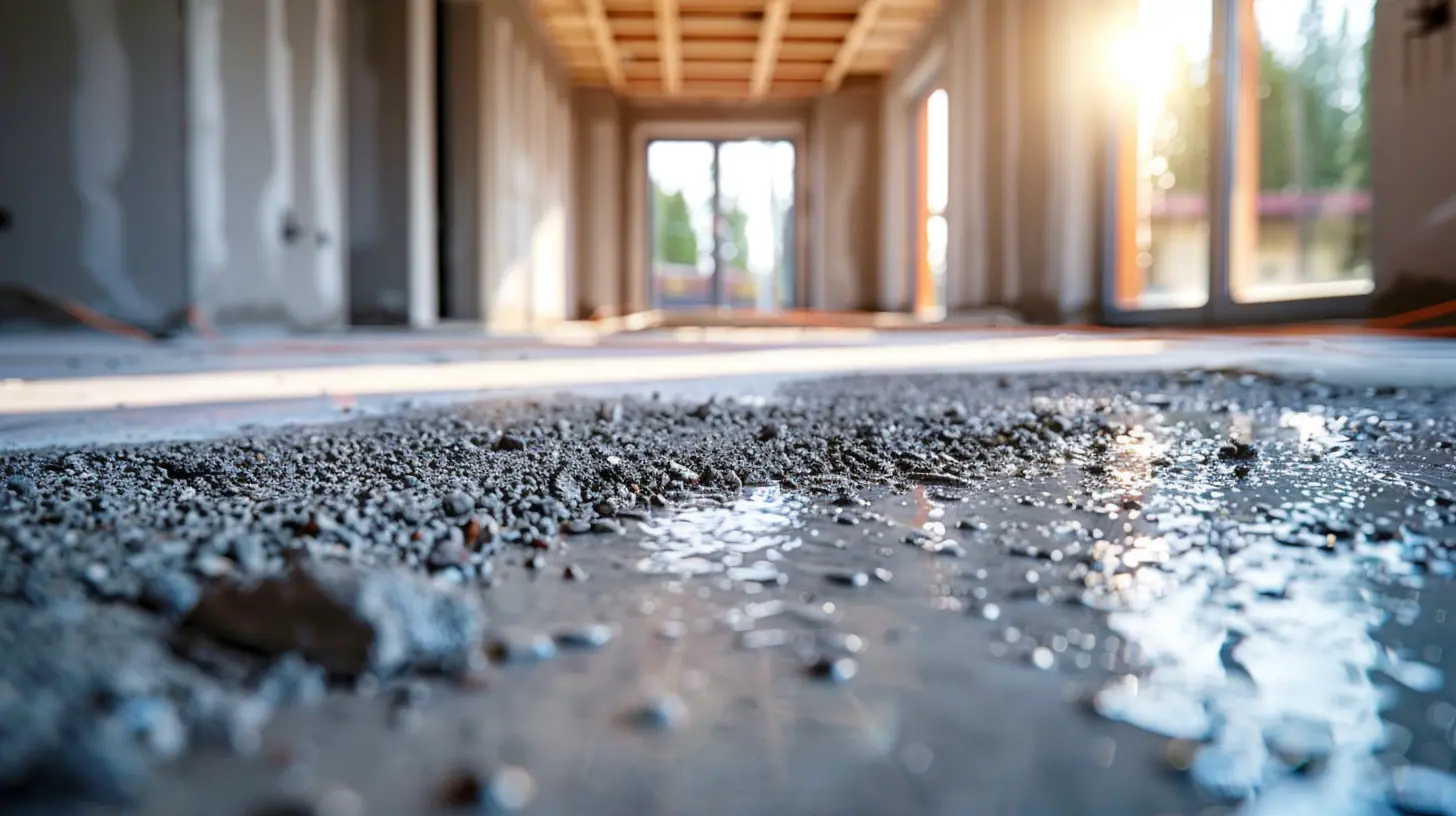
Where Waterproofing is Most Critical in a Home
Waterproofing isn’t just for the roof! There are several spots in your home that are highly vulnerable to moisture damage. Let’s take a look at the key areas where waterproofing is absolutely essential:1. Basement & Foundation
If water sneaks into your foundation, you’re in for big trouble. Cracks, shifting, and even total structural failure can result from poor waterproofing. Basement walls should always be sealed with a combination of waterproof coatings and drainage systems.2. Roof & Terrace
Roofs take the brunt of rain, sun, and temperature fluctuations. Without waterproofing, water will eventually find its way inside and cause leaks, mold, and damage to your ceiling. Using materials like polyurethane or bituminous membranes can help keep your home dry from the top down.3. Bathrooms & Kitchens
These rooms see daily exposure to water, making them prime candidates for waterproofing. Cementitious coatings and liquid membranes ensure water doesn’t seep into the walls and floors, preventing long-term issues.4. Balconies & Outdoor Spaces
Since balconies are exposed to the elements, they need waterproofing to prevent water from seeping through cracks and damaging the structure below.5. Exterior Walls
Waterproofing your home's exterior prevents moisture intrusion, which can damage insulation, cause peeling paint, and lower energy efficiency.
How to Choose the Right Waterproofing System
Still scratching your head over which waterproofing material to use? Here’s a quick guide to help you decide:| Area | Recommended Waterproofing Material |
|----------------|--------------------------------|
| Foundation/Basement | Bituminous coating, Cementitious waterproofing |
| Roof | Polyurethane, Liquid waterproofing membrane |
| Bathroom & Kitchen | Cementitious waterproofing, Liquid membrane |
| Balcony & Terrace | Polyurethane, Bituminous membrane |
| Exterior Walls | Liquid waterproofing membrane |
When in doubt, consult a professional! A waterproofing expert can assess your home’s needs and recommend the best materials for long-lasting protection.
Final Thoughts: Don’t Skip Waterproofing!
It’s tempting to focus on fancy countertops, elegant flooring, and stylish decor when building a home. But none of that matters if a leak pops up and ruins everything. Waterproofing may not be the most exciting part of construction, but it’s definitely one of the most crucial.Think of it like an insurance policy—except instead of just covering damage, it prevents it from happening in the first place. Investing in high-quality waterproofing materials today saves you from costly repairs and ensures your home stays strong, dry, and damage-free for years to come.
So, next time you’re planning a construction project (or even a renovation), make waterproofing a top priority. Your future self will thank you!
all images in this post were generated using AI tools
Category:
Building MaterialsAuthor:

Travis Lozano
Discussion
rate this article
2 comments
Sebastian McAndrews
Great article! Waterproofing is essential for long-lasting homes. It protects against moisture damage and ensures comfort. Understanding these materials can truly make a difference in home building. Thank you!
February 14, 2026 at 4:29 AM
Travis Lozano
Thank you for your kind words! I'm glad you found the article informative. Waterproofing is indeed crucial for a durable and comfortable home.
Zain McWilliams
Waterproofing materials are essential in home building, safeguarding structures against moisture damage and enhancing longevity. Investing in quality waterproofing solutions not only protects properties but also ensures comfort and energy efficiency for homeowners.
January 22, 2026 at 1:54 PM
Travis Lozano
Thank you for your insightful comment! I completely agree that quality waterproofing is crucial for protecting homes and enhancing their durability and efficiency.