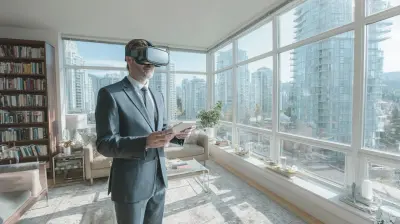
The Complete Guide to Buying Foreclosed Homes
16 July 2026
Buying a foreclosed home can be an incredible way to snag a property at a discounted price. But let’s be honest—navigating the foreclosure market isn’t always smooth sailing. It’s filled with potential risks, hidden costs, and plenty of fine print.
So, how do you ensure you’re making a smart investment? In this guide, we’ll break down everything you need to know about buying foreclosed homes, from understanding the foreclosure process to sealing the deal on the perfect property. 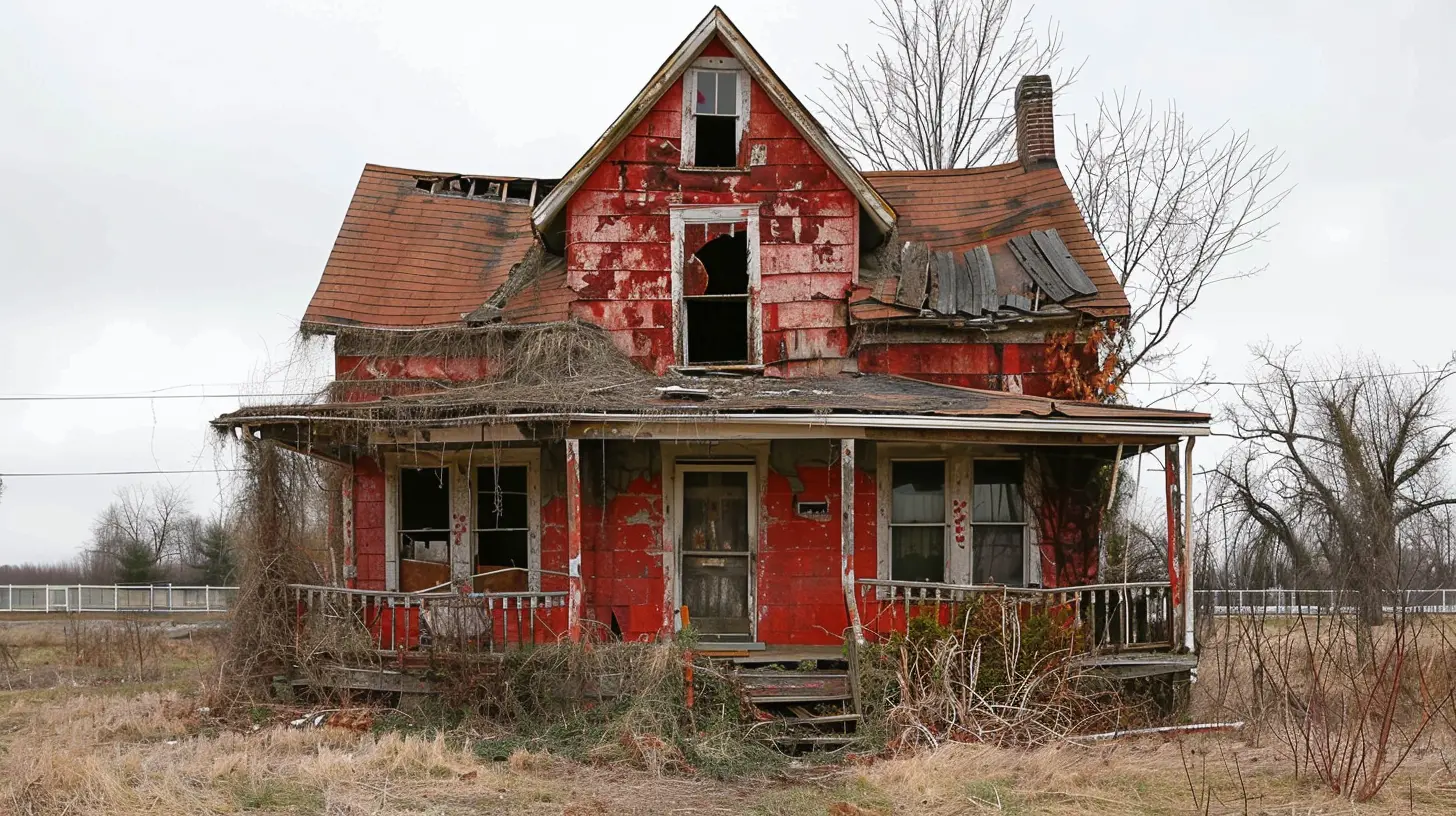
What Is a Foreclosed Home?
A foreclosed home is a property that has been repossessed by a lender after the homeowner fails to keep up with their mortgage payments. The lender—usually a bank—then sells the home to recover the unpaid loan balance.Foreclosures can happen for a variety of reasons, including job loss, overwhelming debt, or financial hardship. While it’s unfortunate for the previous owner, it can present an opportunity for buyers looking for a bargain. 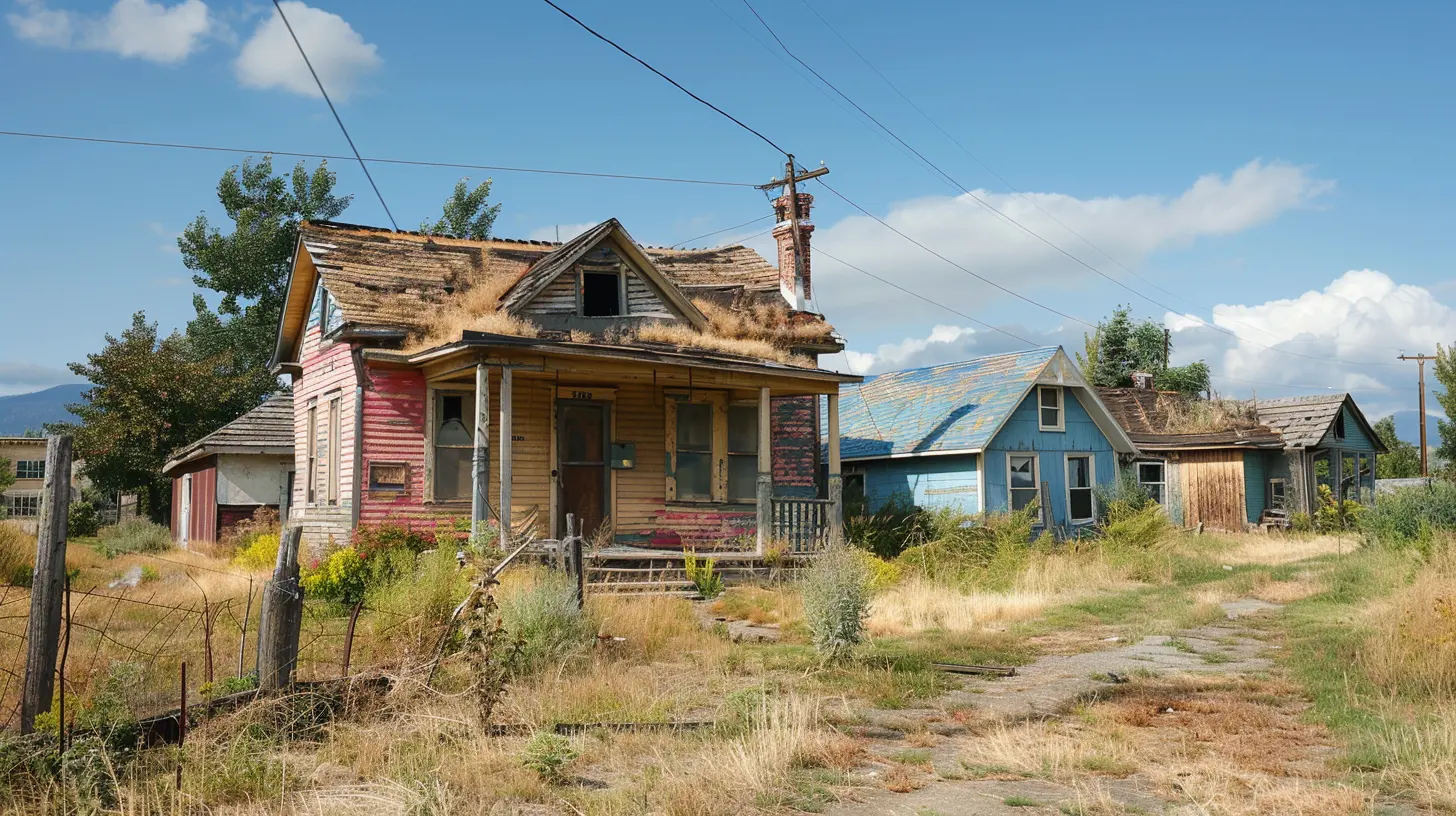
Pros and Cons of Buying Foreclosed Homes
✅ Pros:
- Lower Purchase Price: Foreclosed properties are often priced below market value.- Potential for Profit: If you’re handy with renovations, you can buy a foreclosure, fix it up, and sell for a profit.
- Less Competition: Unlike traditional real estate, foreclosures usually attract fewer buyers.
❌ Cons:
- Property Condition: Many foreclosures are sold “as-is,” meaning repairs and maintenance will be on you.- Complicated Buying Process: There are multiple steps and potential legal hurdles.
- Risk of Hidden Costs: Liens or unpaid taxes might be attached to the home.
Foreclosed homes can be a goldmine, but only if you know what you’re getting into. Let’s dive deeper into how you can successfully purchase one. 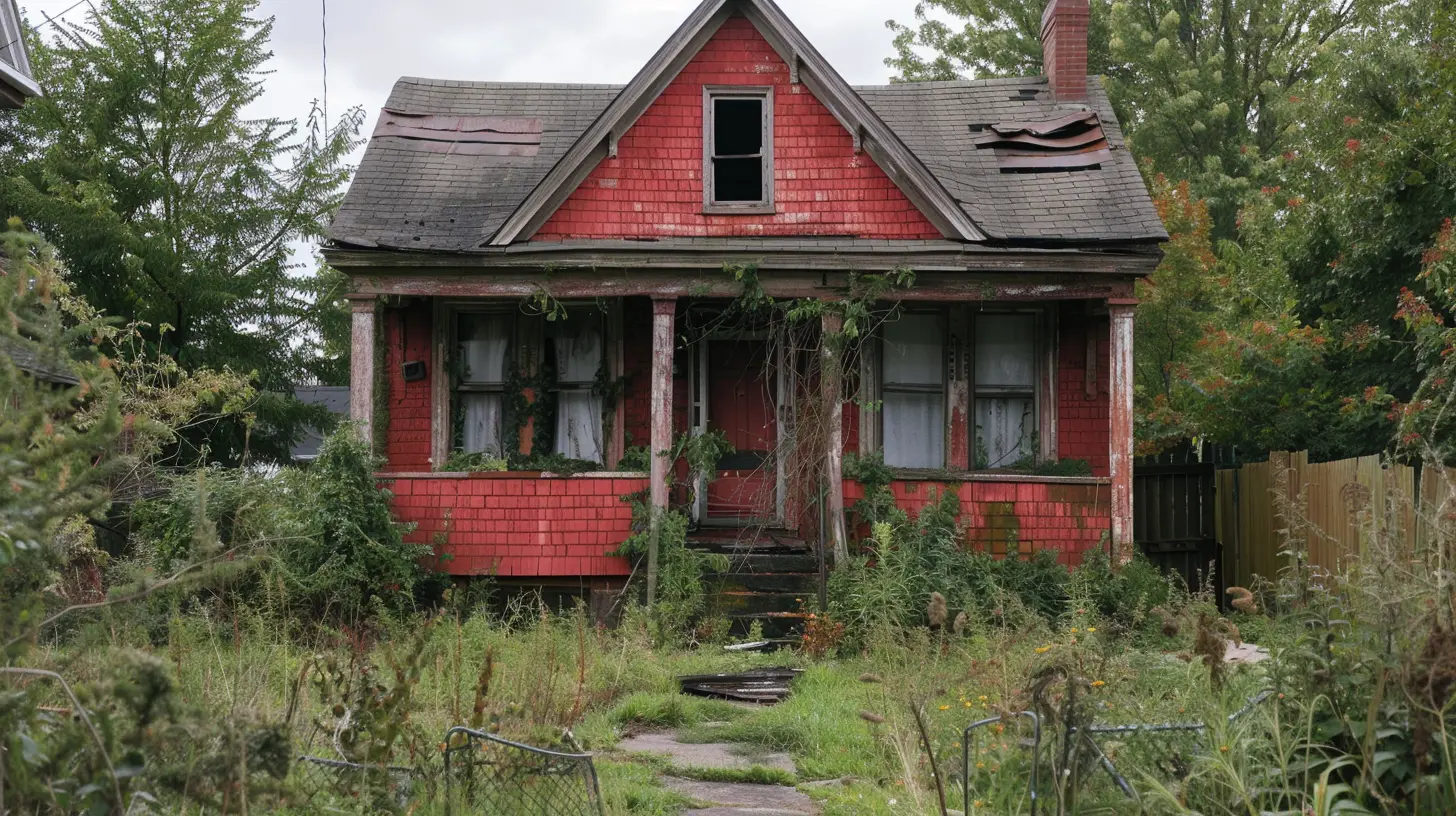
Understanding the Foreclosure Process
There are different stages of foreclosure, and depending on the timing, you’ll have different buying opportunities.1️⃣ Pre-Foreclosure
This is the period between the homeowner defaulting on their payments and the lender officially foreclosing. Some owners try to sell their homes at this stage to avoid foreclosure. You might be able to negotiate a deal directly with the seller.2️⃣ Auction Sale
Once the lender takes control of the home, it often goes up for auction. These sales happen quickly, and buyers usually have to pay in cash. That said, you can find deeply discounted prices.3️⃣ Real Estate Owned (REO) or Bank-Owned Homes
If a foreclosed home doesn’t sell at auction, it becomes an REO property, meaning the bank owns it. These homes are typically sold through real estate agents, and you can finance them just like a traditional home purchase.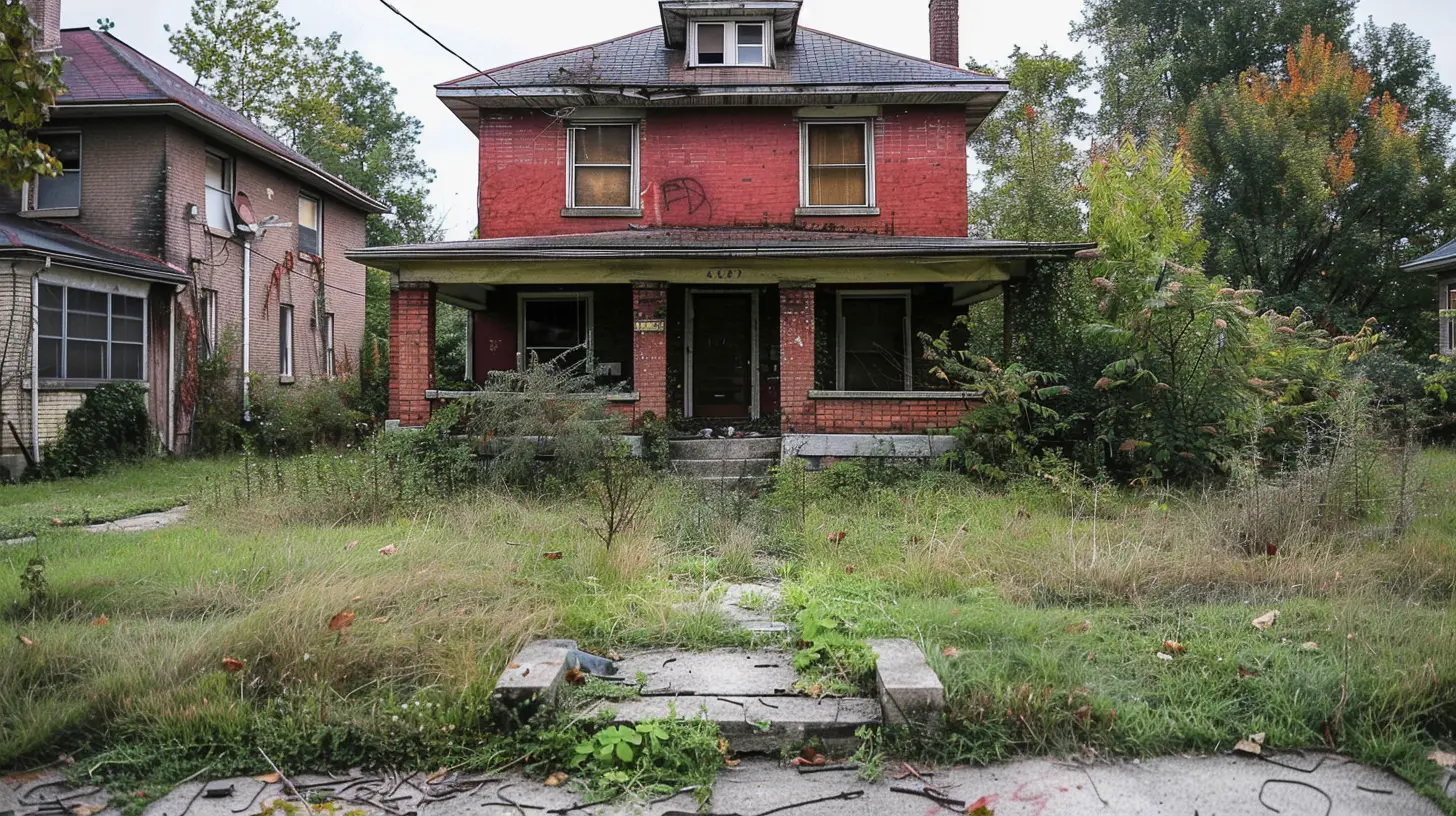
Where to Find Foreclosed Homes
1. Government Websites
You can find foreclosed homes on websites like:- HUD Home Store (Housing and Urban Development)
- Fannie Mae’s HomePath
- Freddie Mac’s HomeSteps
2. Bank Websites
Major banks like Wells Fargo, Chase, and Bank of America list their foreclosed properties online.3. Real Estate Agents
Working with an agent who specializes in foreclosures can save you time and hassle.4. Foreclosure Auctions
Local county auctions can be another great place to find foreclosure deals—just be prepared to pay cash.Steps to Buying a Foreclosed Home
Now that you know where to find foreclosures, let’s walk through the actual buying process.1. Get Pre-Approved for a Mortgage
If you’re not paying cash, you’ll need financing. Getting pre-approved shows you’re a serious buyer and helps you understand how much you can afford.2. Hire a Real Estate Agent (Optional but Recommended)
An experienced agent can help you navigate the foreclosure process, especially when dealing with banks or auctions.3. Research the Property and Neighborhood
Foreclosures are often sold “as-is,” so doing thorough research on the home’s condition and the surrounding area is crucial.4. Conduct a Home Inspection
Although some auction homes don’t allow inspections, REO and pre-foreclosures usually do. A home inspection can reveal costly repairs or structural damage.5. Make an Offer
If you’re buying an REO or pre-foreclosure, you’ll need to submit an offer—just like a regular home purchase. If it’s an auction, you’ll place bids.6. Conduct a Title Search
Foreclosed homes sometimes come with unpaid debts. A title search ensures there are no outstanding liens or legal issues.7. Close the Deal
Once everything checks out, you’ll sign the paperwork, finalize your financing (if needed), and get the keys to your new home.Financing Your Foreclosure Purchase
Can You Get a Mortgage for a Foreclosed Home?
Yes! But securing financing can vary depending on the type of foreclosure you’re buying. Here are a few options:✅ Conventional Loans – Many banks will finance REO homes, but they may require a higher down payment.
✅ FHA 203(k) Loans – If the home needs major repairs, this loan helps cover both the purchase price and renovation costs.
✅ VA Loans – If you're a veteran, you might qualify for a VA loan for certain foreclosed properties.
Mistakes to Avoid When Buying a Foreclosed Home
? Skipping a Home Inspection – Hidden repairs can turn a great deal into a money pit.? Underestimating Repair Costs – Budget for unexpected issues—because there will be some.
? Ignoring Legal Issues – Always check for unpaid taxes, liens, or eviction proceedings.
? Not Being Prepared for Bidding Wars – Some foreclosures attract multiple offers, so don’t assume you’re the only buyer.
Is Buying a Foreclosed Home Right for You?
Foreclosures can be fantastic investments, but they require patience, research, and a solid financial plan. If you’re willing to put in the work, you could land a great home at a below-market price.However, if you’re looking for a move-in-ready home with minimal hassle, a traditional home purchase might be a better fit.
At the end of the day, the key is understanding your risk tolerance and financial situation. If you play your cards right, buying a foreclosure could be one of the smartest financial moves you ever make.
Final Thoughts
Buying a foreclosed home isn’t for everyone, but if you go in prepared, it can be a fantastic opportunity. Whether you're an investor looking for a profitable flip or a homebuyer searching for a bargain, foreclosures offer plenty of potential.Do your homework, work with the right professionals, and always approach each deal with a clear strategy. Who knows? Your dream home—or your next big investment—could be waiting for you in the foreclosure market!
all images in this post were generated using AI tools
Category:
ForeclosuresAuthor:

Travis Lozano
Discussion
rate this article
1 comments
Emery McGee
Finding a gem in a foreclosure feels like treasure hunting, but with fewer pirates and more paperwork!
July 19, 2026 at 3:23 AM