Forecasting the Suburban Housing Boom Through 2027
22 April 2026
Remember the great urban exodus of 2020? The one that had everyone declaring the death of the city and the triumphant, permanent rise of the suburbs? Well, that was just the opening act. What we witnessed was a dramatic, pandemic-fueled acceleration of a trend that was already simmering on the back burner of the American Dream. Now, as we look toward 2027, the suburban housing market isn’t just holding steady—it’s gearing up for a sustained, transformative boom. But this isn’t your grandparents' suburban sprawl. This is a new chapter, a recalibration of what "the good life" means, and it’s reshaping landscapes, economies, and our very idea of home.
Let’s pull out our collective crystal ball, dust off the data, and forecast why the suburbs are poised for a remarkable run through the rest of this decade.
The Foundation: Why the Shift Isn't a Blip, It's a Reset
First, let’s squash a common misconception. The move to the suburbs isn’t a temporary panic response. Think of it less like a sudden stampede and more like a tectonic plate shift—slow-moving forces building pressure until something (like a global pandemic) causes a decisive crack. The underlying geology was already there.We’re talking about a profound reprioritization of space. For decades, urban density was king, trading square footage for proximity to culture, cuisine, and career. But what happens when your home must suddenly become your office, your school, your gym, and your sanctuary—all at once? The calculus changes. That spare bedroom isn’t a luxury; it’s a necessity for a Zoom call. A backyard isn’t just for barbecues; it’s a vital pressure valve. This fundamental need for functional, flexible space is the bedrock of the suburban boom. It’s a need that, once awakened, doesn’t just go away because offices have reopened.
The Key Drivers Fueling the Boom Through 2027
So, what specific engines will power this growth for the next several years? It’s a combination of demographic waves, technological liberation, and evolving economic realities.The Great Reshuffling of Remote & Hybrid Work
The single most powerful accelerant is the permanent embedding of remote and hybrid work models. The genie is out of the bottle. Companies have invested in digital infrastructure, and employees have tasted the freedom. This isn’t just about working from home in your pajamas; it’s about geographic arbitrage. Why pay a premium for a cramped apartment within a 30-minute commute of an office you visit twice a week? Suddenly, a 45-minute drive from a charming suburb for those in-office days becomes not just feasible, but financially brilliant. This "commute shed" has expanded dramatically, unlocking suburbs and exurbs that were previously considered too distant. The result? A broader, deeper pool of housing demand far from urban cores.The Millennial Family Formation Wave
Here comes the demographic bulldozer. The largest generation in U.S. history, millennials, are now solidly in their prime home-buying and family-raising years. And what do growing families traditionally seek? Space, safety, good schools, and a sense of community—the classic suburban value proposition. But with a twist. These millennials are digital natives. They demand high-speed fiber internet for their jobs and their kids' homework. They want walkable "town centers" with local breweries and farmers' markets, not just strip malls. They are driving demand for a new kind of suburb: one with the soul of a small town and the connectivity of a metropolis. This wave of demand will crest consistently through 2027.The Financial Reality: Seeking Value and Equity
Let’s be blunt: affordability remains a massive push factor. Even with rising suburban prices, the cost-per-square-foot and the possibility of actually owning a plot of land (and building equity!) is often starkly more attractive than in major cities. For young families and first-time buyers, the suburbs represent a tangible step toward financial stability and long-term wealth building. As urban rents and prices continue to challenge budgets, the suburban dream becomes a pragmatic financial strategy.The "Amenities Arms Race" in Suburbia
Gone are the days of the sleepy bedroom community. Today’s booming suburbs are engaged in an amenities arms race to attract these new residents. We’re seeing massive investments in:* Revitalized Downtowns: Creating pedestrian-friendly main streets with boutique shopping, diverse dining, and community event spaces.
* Recreational Infrastructure: Expanding trail networks, building state-of-the-art parks, and adding community centers and pools.
* Gigabit Internet: Treating high-speed internet as a necessary utility, not a luxury.
This transformation makes suburban living not a compromise, but a compelling lifestyle choice in its own right.
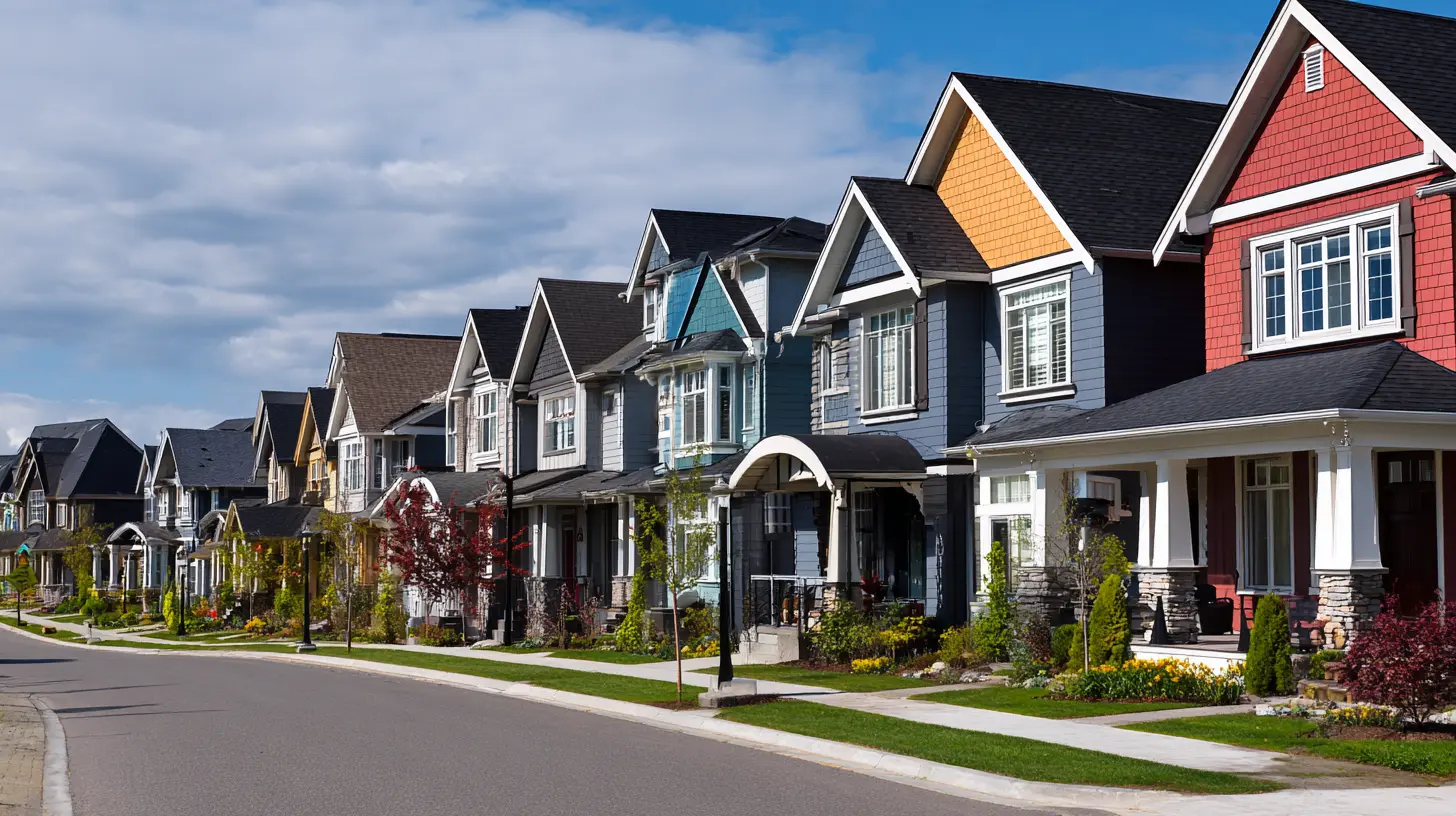
The Evolving Face of the 2027 Suburb
So, what will this in-demand suburb of 2027 actually look like? It won’t be a monolith.The "15-Minute Suburb": The hottest commodity will be communities designed where daily essentials—groceries, schools, parks, cafes, healthcare—are within a 15-minute walk or bike ride. It’s about convenience and community cohesion, reducing car dependency for daily tasks.
The "Zoom-Town" Exurb: Further out, smaller towns with great natural amenities (mountains, lakes) and solid internet will see explosive growth as full-time remote workers plant permanent flags, revitalizing local economies.
The Diverse & Multigenerational Suburb: Suburbs are becoming more diverse in every sense—architecturally, demographically, and generationally. Expect more multi-family housing (townhomes, duplexes) mixed with single-family homes, catering to young professionals, families, and downsizing empty-nesters alike, all seeking different kinds of space within the same community.
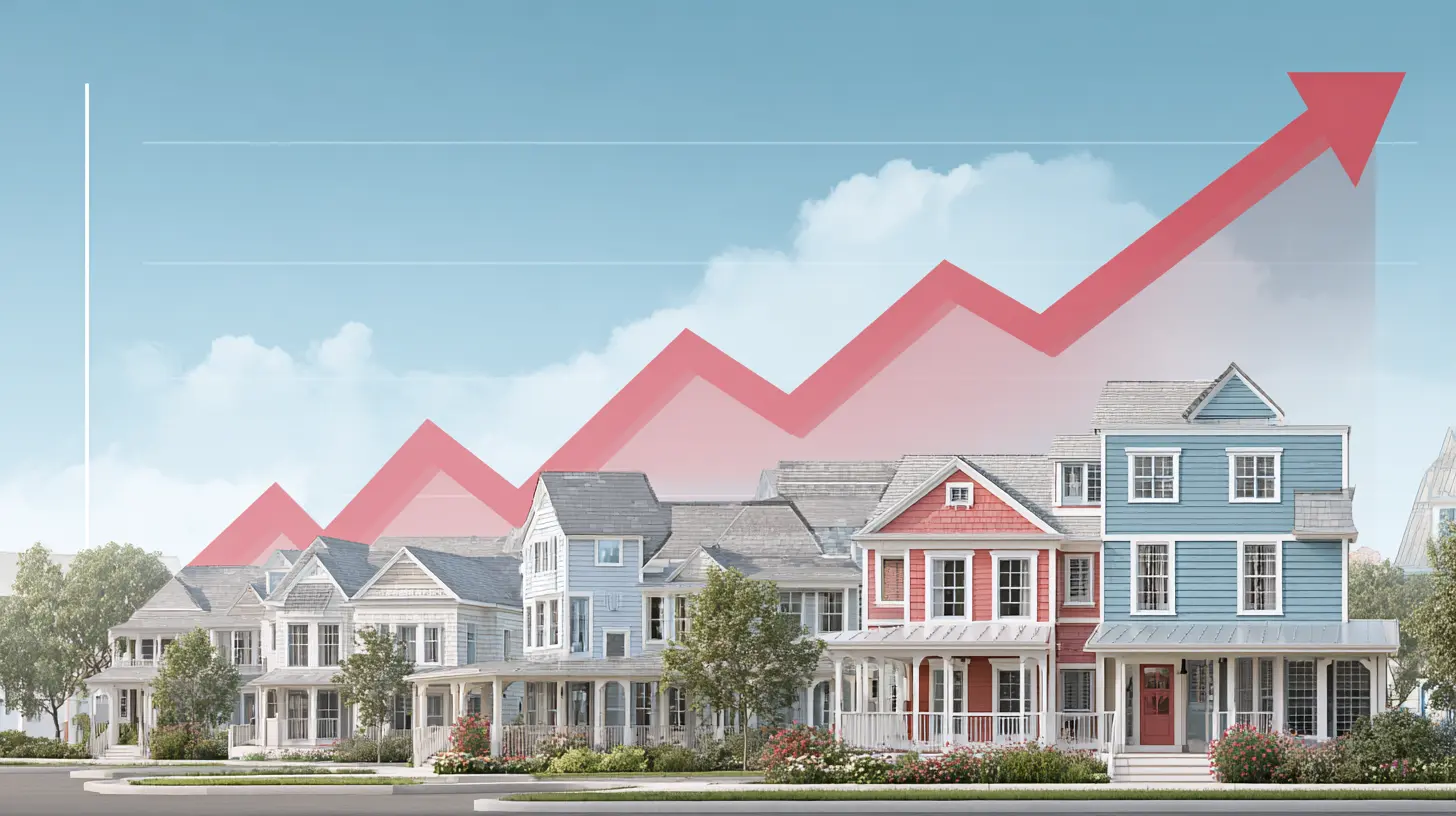
Challenges on the Horizon: The Clouds in a Sunny Forecast
No forecast is complete without acknowledging headwinds. The suburban boom will face significant tests:* Inventory Crunch & Affordability: Demand is outstripping supply. Construction faces hurdles like material costs, labor shortages, and restrictive zoning laws (especially those prohibiting multi-family units). This will keep upward pressure on prices.
* Infrastructure Strain: Can local roads, schools, sewage, and electrical grids handle rapid growth? Proactive investment is critical to avoid crippling congestion and declining quality of life.
* The Interest Rate Dance: Mortgage rates will continue to be a key variable, influencing buying power. However, the fundamental desire for space may prove more resilient to rate fluctuations than in past cycles.
What This Means for You: Whether You're Buying, Selling, or Investing
For Buyers: Patience and preparedness are key. The competition will be fierce, especially for move-in-ready homes in amenity-rich suburbs. Get your finances in impeccable order, be ready to move quickly, and consider suburbs that are next* in line for revitalization.* For Sellers: It remains a strong seller’s market in most suburban corridors. However, pricing correctly and presenting a home that caters to modern needs (a highlighted home office space, outdoor living area) is crucial.
* For Investors & Developers: The opportunity lies in smart, dense, and walkable development. Think mixed-use projects, missing-middle housing, and renovations that upgrade older suburban stock for a new era. It’s about building communities, not just houses.
The Bottom Line: A Sustainable Shift, Not a Spectacle
The suburban housing boom through 2027 is not a fleeting trend. It is the manifestation of a deep-seated, post-pandemic reassessment of our lives. We are collectively placing a higher value on space, stability, and a sense of groundedness. The suburbs, particularly those evolving to offer both connectivity and community, are uniquely positioned to deliver that.The cities aren’t dying—they’re adapting. But the gravitational pull of the suburbs has undeniably strengthened. It’s a move driven by the heart (family, safety, a yard for the dog) and the head (financial sense, work flexibility). As we navigate toward 2027, one thing is clear: the American Dream is getting a serious square-footage upgrade, and its address is increasingly, and confidently, suburban.
all images in this post were generated using AI tools
Category:
Housing Market TrendsAuthor:

Travis Lozano
Discussion
rate this article
2 comments
Karen Cole
This article raises fascinating points about the suburban housing market. I'm curious how shifting demographics and remote work trends will shape communities and influence real estate values in the coming years.
June 15, 2026 at 2:20 AM
Travis Lozano
Thanks for your thoughts! It's definitely an exciting time for the suburban housing market, and the impact of remote work and demographics will be key to watch.
Mercy McGhee
Great insights! It's fascinating to see how suburban living is evolving. With so many people seeking more space and a community feel, I can’t wait to see how this trend unfolds through 2027!
April 23, 2026 at 3:50 AM
Travis Lozano
Thanks for your thoughts! It's definitely an exciting time to watch these changes in suburban living. Let's see how it all develops!