The Power of Silence in Real Estate Negotiations
25 May 2026
Negotiations in real estate can often feel like a high-stakes chess game, where every move counts. The difference between getting a great deal and overpaying can sometimes come down to not just what you say—but what you don’t say.
One of the most underrated yet powerful tactics in real estate negotiations is silence. Yes, strategic silence can be your secret weapon in closing deals on favorable terms. But why does it work? And how can you use it to your advantage?
Let’s dive into the psychology behind silence, how to apply it effectively, and why sometimes saying nothing is the smartest move you can make.
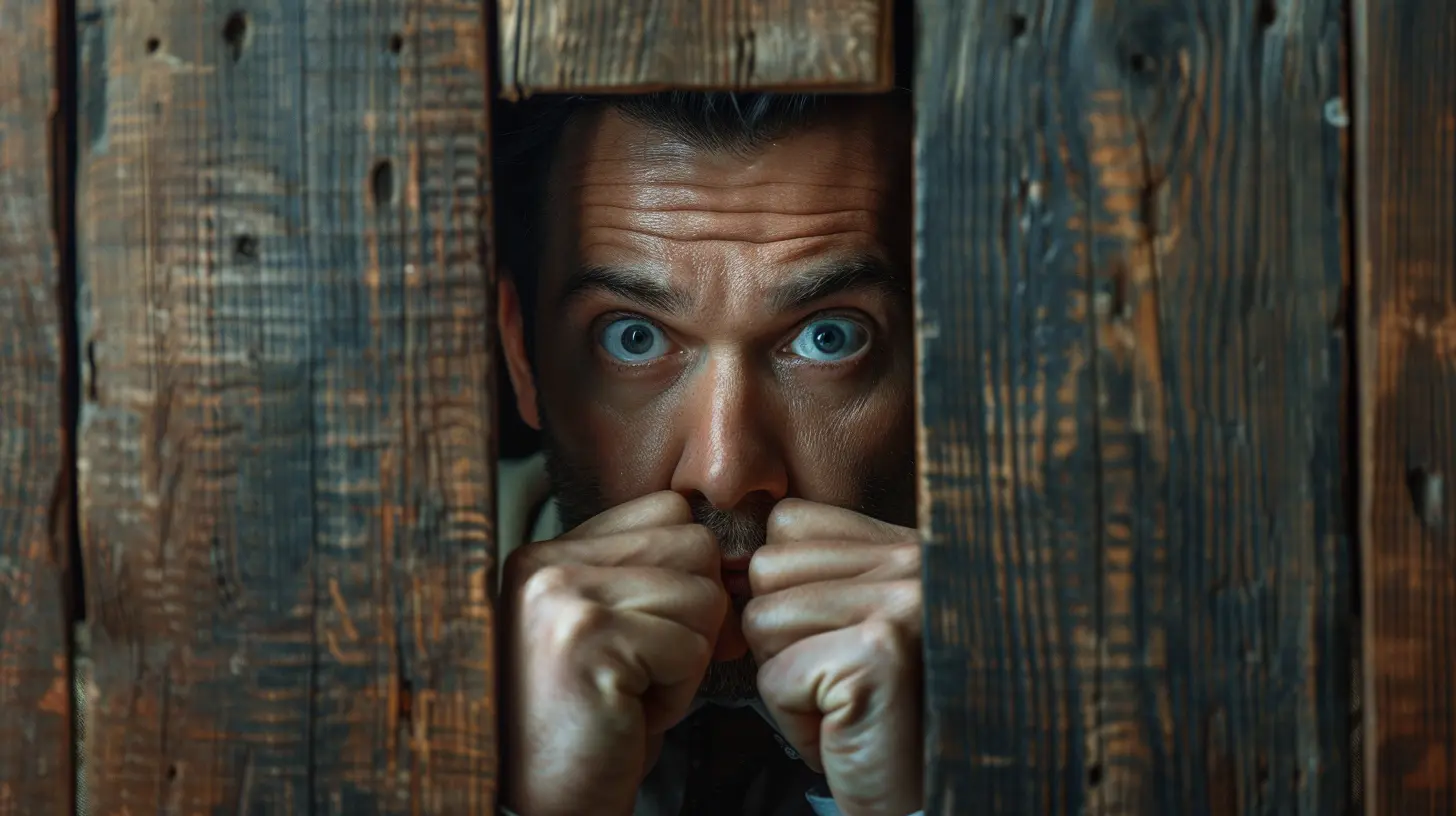
The Psychological Power of Silence
We’ve all experienced awkward silences in conversations, and most people instinctively try to fill them with words. This is exactly what makes silence so powerful in real estate negotiations—it shifts the pressure onto the other party.1. Silence Creates Discomfort
When there’s a pause in conversation, people often feel a need to say something—anything—to break the silence. If you're negotiating and you remain silent after an offer or counteroffer, the other party may start speaking to justify their position, reveal additional details, or even lower their price.2. Encourages the Other Party to Reveal More
Ever noticed that when people feel uncomfortable, they tend to talk more than necessary? In negotiations, this can lead to the other party revealing crucial information about their motivations, urgency, or willingness to negotiate further. This insight can be valuable in shaping your next move.3. Shows Confidence and Control
Talking too much can sometimes make you seem uncertain or desperate. Remaining silent after making an offer portrays confidence. It demonstrates that you believe in your offer and are in no rush to change it—this forces the other side to reconsider their position.
How to Use Silence in Real Estate Negotiations
Now that we understand why silence is so powerful, let’s discuss exactly how to use it effectively when negotiating a real estate deal.1. After Making an Offer—Stay Silent
One of the biggest mistakes buyers and sellers make is immediately following up their offer with explanations or justifications. Instead, after you present your offer, stop talking.- If they accept—great!
- If they counter—evaluate it carefully.
- If they hesitate—stay silent and let them be the first to break it.
This keeps the pressure on them while you remain in control of the conversation.
2. When the Other Party Quotes a Price
Let’s say you're interested in a property, and the seller tells you they're asking for $500,000. Instead of immediately responding, just take a deep breath and remain silent for a few moments.This pause creates a psychological effect—making the other party wonder if they’ve asked for too much. They may even start reducing their price or offering additional concessions before you say a word.
3. During Counteroffers
If the other party counters your offer, don’t rush to respond. Instead, take your time, remain silent, and think it over. This silence makes them nervous and may lead them to further adjust their offer in your favor.4. In Moments of Tension or Disagreement
When negotiations hit a roadblock or become tense, silence can be a powerful way to de-escalate the situation. Rather than arguing, simply pause, let the silence linger, and allow the other side to process their thoughts. Often, they'll soften their stance just to break the silence.5. At the Closing Table
Real estate closings involve a lot of last-minute negotiations. If you're buying or selling a property and a last-minute issue arises, sometimes the best approach is to remain silent and let the other party scramble to find a solution.
Common Mistakes to Avoid When Using Silence
While silence is a powerful tool, it can backfire if not used correctly. Here are some common mistakes to watch out for:1. Breaking the Silence Too Soon
The magic of silence works only if you allow enough time for the other party to start feeling uncomfortable. If you break the silence too early, you lose the advantage.2. Appearing Disinterested or Rude
Silence should be strategic, not dismissive. If overused, it can come across as cold or unprofessional. Be mindful of your body language—nod occasionally or maintain eye contact to show that you're engaged.3. Not Knowing When to Speak Up
While silence is powerful, there are moments when speaking up is necessary. If there's a misunderstanding, a need for clarification, or a crucial piece of information to be shared, don’t let silence get in the way of progress.4. Using Silence Without Confidence
Silence works best when paired with confidence. If you appear uncertain or uncomfortable while staying silent, the other party might not take it seriously. Stay composed, maintain good posture, and act as if you expected this silence all along.
Real-Life Examples of Silence in Action
Example 1: A Homebuyer’s Advantage
A buyer was interested in a home listed for $450,000. After touring the property, they made an offer of $420,000 and remained silent. The seller hesitated and then said, “Well… I was hoping for closer to $440,000, but I might be able to do $430,000.”The buyer stayed silent again. The seller, now uncomfortable, quickly followed up with, “Okay, fine. Let’s do $425,000.”
If the buyer had spoken too soon, they might have never received that additional $5,000 discount.
Example 2: A Seller’s Smart Move
A seller listed a property for $600,000 and received an initial offer of $570,000. Instead of immediately countering, the seller remained silent, processing the offer.The buyer, feeling the weight of the silence, started justifying their offer but then sighed and said, “You know what? Maybe we can meet in the middle at $585,000.”
By saying nothing, the seller got a better deal without even negotiating.
Final Thoughts
Silence is one of the most underutilized tactics in real estate negotiations, yet it holds immense power. By mastering the art of strategic silence, you gain control, encourage the other side to reveal more, and often secure better terms—all without saying an extra word.So next time you're in a negotiation, resist the urge to fill the gaps with unnecessary chatter. Instead, embrace the silence, let it work its magic, and watch as the other party scrambles to make a move.
all images in this post were generated using AI tools
Category:
Real Estate NegotiationAuthor:

Travis Lozano
Discussion
rate this article
2 comments
Cara West
Silence holds a unique power in negotiations. It can reveal intentions or create tension. Those who master its art often walk away with more than just a deal...
September 23, 2026 at 12:01 PM
Fleur Sullivan
Silence can truly create powerful opportunities.
May 25, 2026 at 6:45 PM
Travis Lozano
Absolutely true. Silence often leads to deeper insights and stronger positions in negotiations.