Limestone: A Classic Material Making a Comeback in New Constructions
14 December 2025
When you think of construction materials, what comes to mind? Brick, concrete, steel? One material that's been around for centuries but is now regaining its popularity is limestone. This natural stone has been used for everything from iconic historical structures like the Great Pyramids of Giza to modern luxury homes.
But why is limestone suddenly making a comeback? Is it just a trend, or does it bring real benefits to modern construction? Let’s dive into why limestone is capturing the attention of architects, builders, and homeowners once again. 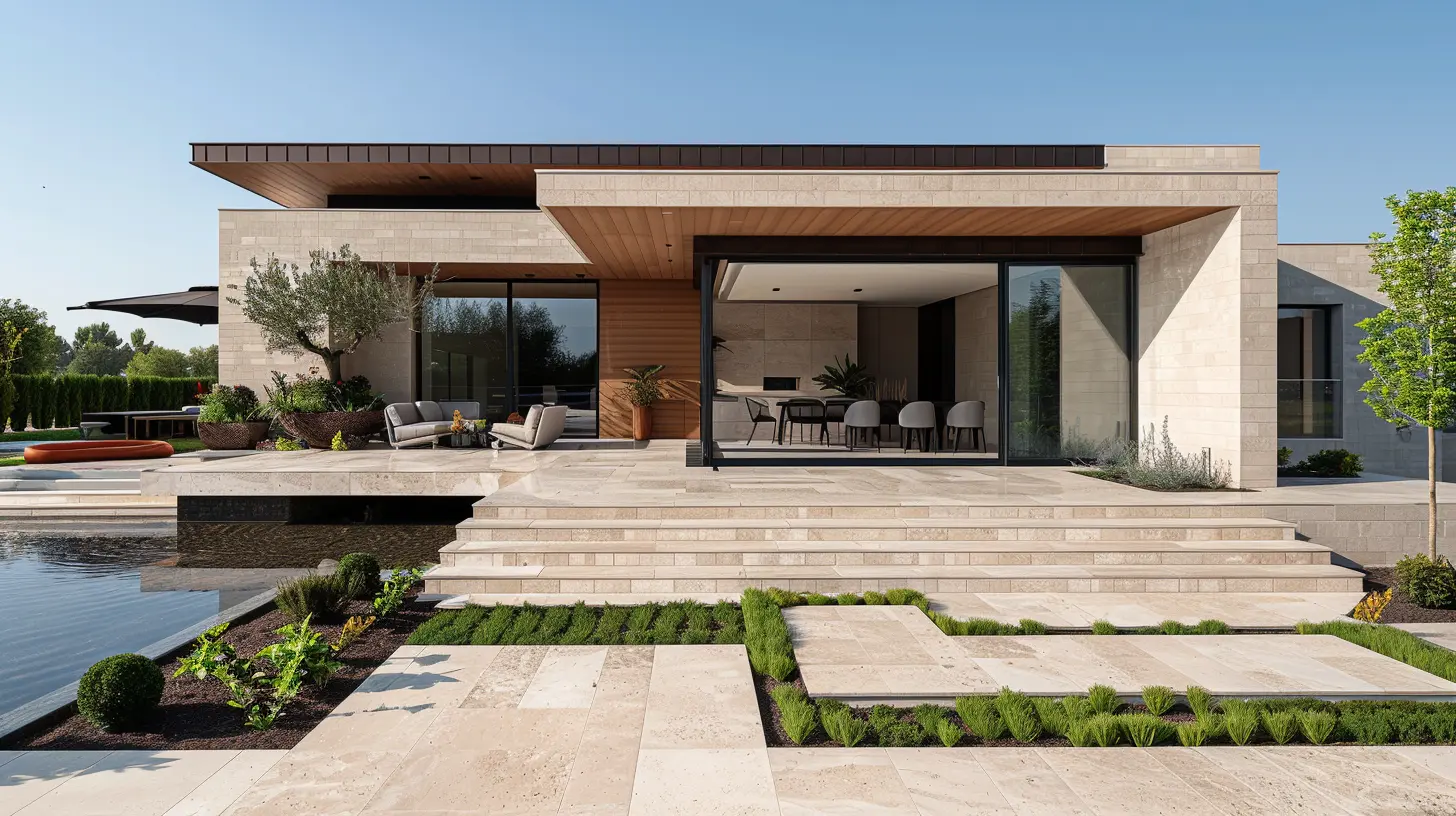
The Timeless Beauty of Limestone
Limestone isn't just another building material—it has a charm that few others can match. Its natural, earthy appeal gives buildings a classic yet elegant look that never goes out of style. Whether it's used for facades, flooring, countertops, or wall cladding, limestone brings warmth and sophistication to any space.What makes it stand out? Its softness of color and texture. Available in shades ranging from creamy whites to soft grays and rich beiges, limestone easily complements other architectural elements, making it a favorite among designers. 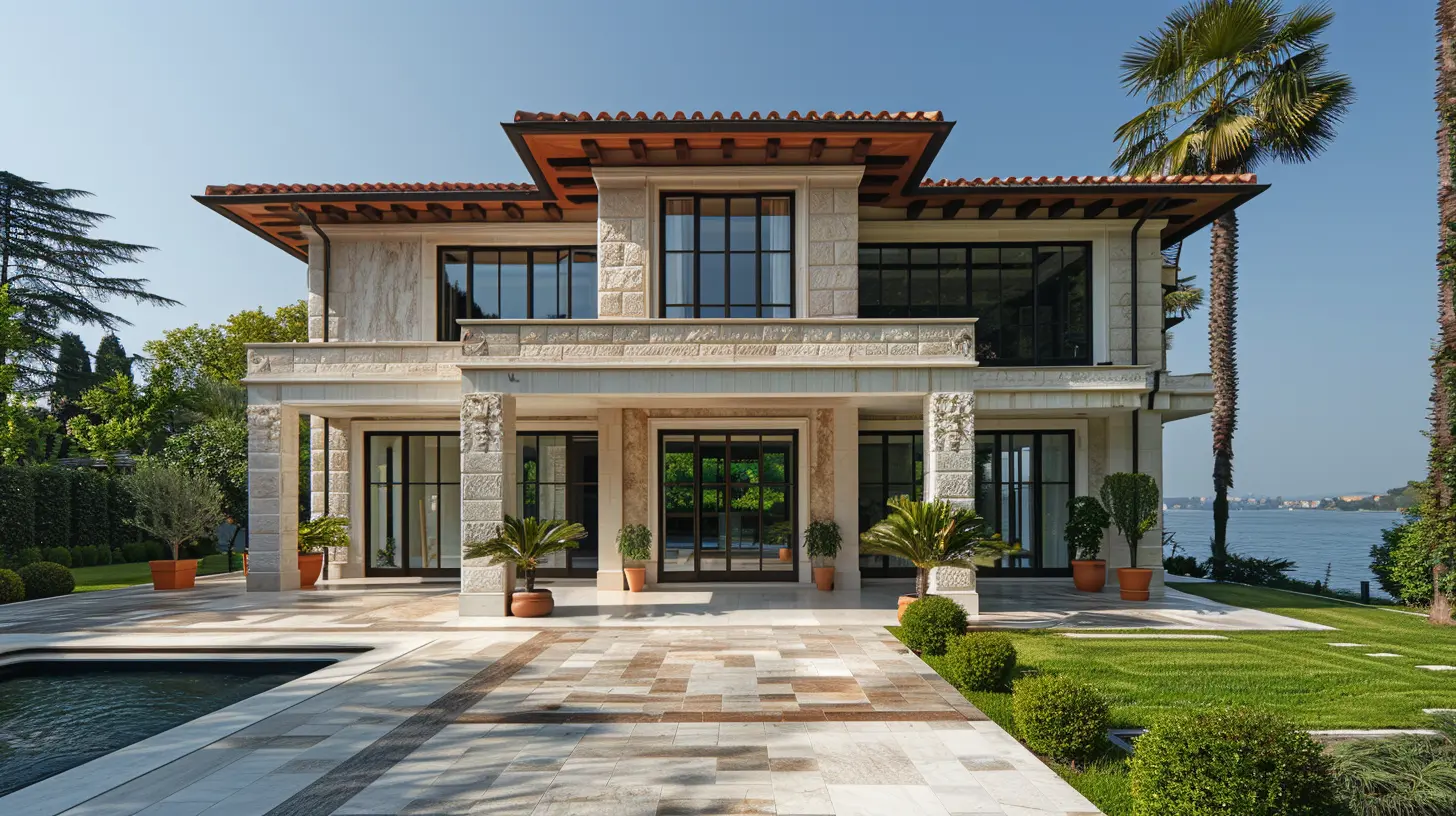
Why Limestone is Making a Comeback
1. Sustainability & Eco-Friendliness
As we become more environmentally conscious, sustainable building materials are in high demand. Limestone fits the bill perfectly. It is:✔ Abundant & Natural – Unlike synthetic materials, limestone is found naturally in large deposits.
✔ Low-Carbon Footprint – Compared to concrete and steel, limestone requires less energy to quarry and process.
✔ Biodegradable – It doesn’t leave harmful residues behind, making it an eco-friendly choice.
With builders and homeowners looking for greener choices, limestone is stepping back into the spotlight as a sustainable alternative.
2. Durability & Longevity
If it's strong enough to survive ancient civilizations, it's got to be durable, right? Limestone ages beautifully and withstands harsh weather conditions, making it perfect for both interiors and exteriors.Unlike modern materials that degrade over time, limestone develops a unique patina that enhances its appearance as it weathers. Think about historic European buildings—their charm grows with time, thanks to limestone’s resilience.
3. Versatility in Modern Design
Limestone isn’t just for traditional architecture—it fits perfectly in modern, minimalist designs too. Whether you want a sleek and contemporary look or a rustic, old-world charm, limestone adapts effortlessly.It’s used in:
- Countertops & Flooring – Adds a luxurious feel to kitchens and bathrooms.
- Wall Cladding & Facades – Brings texture and depth to modern exteriors.
- Fireplaces & Feature Walls – Creates a stunning focal point indoors.
No matter your design preference, limestone can transform a space effortlessly.
4. Cost-Effective in the Long Run
While limestone isn’t the cheapest material upfront, it’s an investment that pays off over time. Its durability means less maintenance and fewer replacements, making it more affordable in the long run.Plus, because of its natural insulation properties, limestone helps regulate indoor temperature, reducing energy costs for heating and cooling. Who doesn’t love saving money on utility bills?
5. A Material That Ages Gracefully
Unlike concrete that cracks and fades, limestone gains character over time. It weathers naturally, developing a beautiful finish that only adds to its charm.Think of it like a fine wine—it only gets better with age. 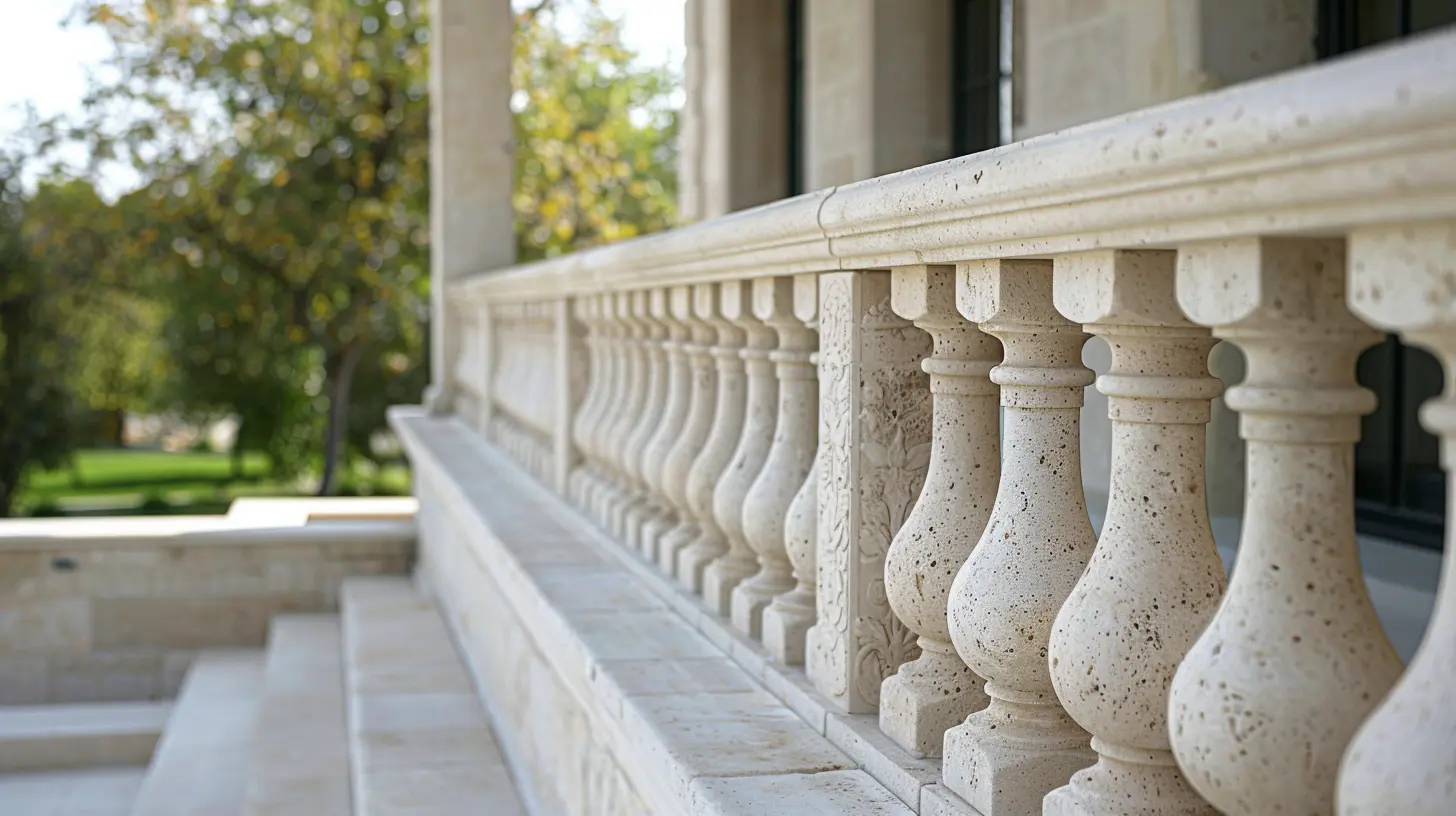
How Limestone Stands Against Other Materials
Curious how limestone compares to other popular materials? Here’s a quick breakdown:| Feature | Limestone | Concrete | Brick | Marble |
|-----------------|-------------------|--------------|----------------|-----------------|
| Durability | High | Medium | High | High |
| Maintenance | Low | Medium | Medium | High |
| Aesthetics | Timeless, Natural | Industrial | Classic | Luxurious |
| Cost | Moderate | Low | Moderate | High |
| Eco-Friendliness | High | Low | Medium | Low |
Limestone combines the strength of traditional materials with the beauty of luxury stones—all while being environmentally friendly. 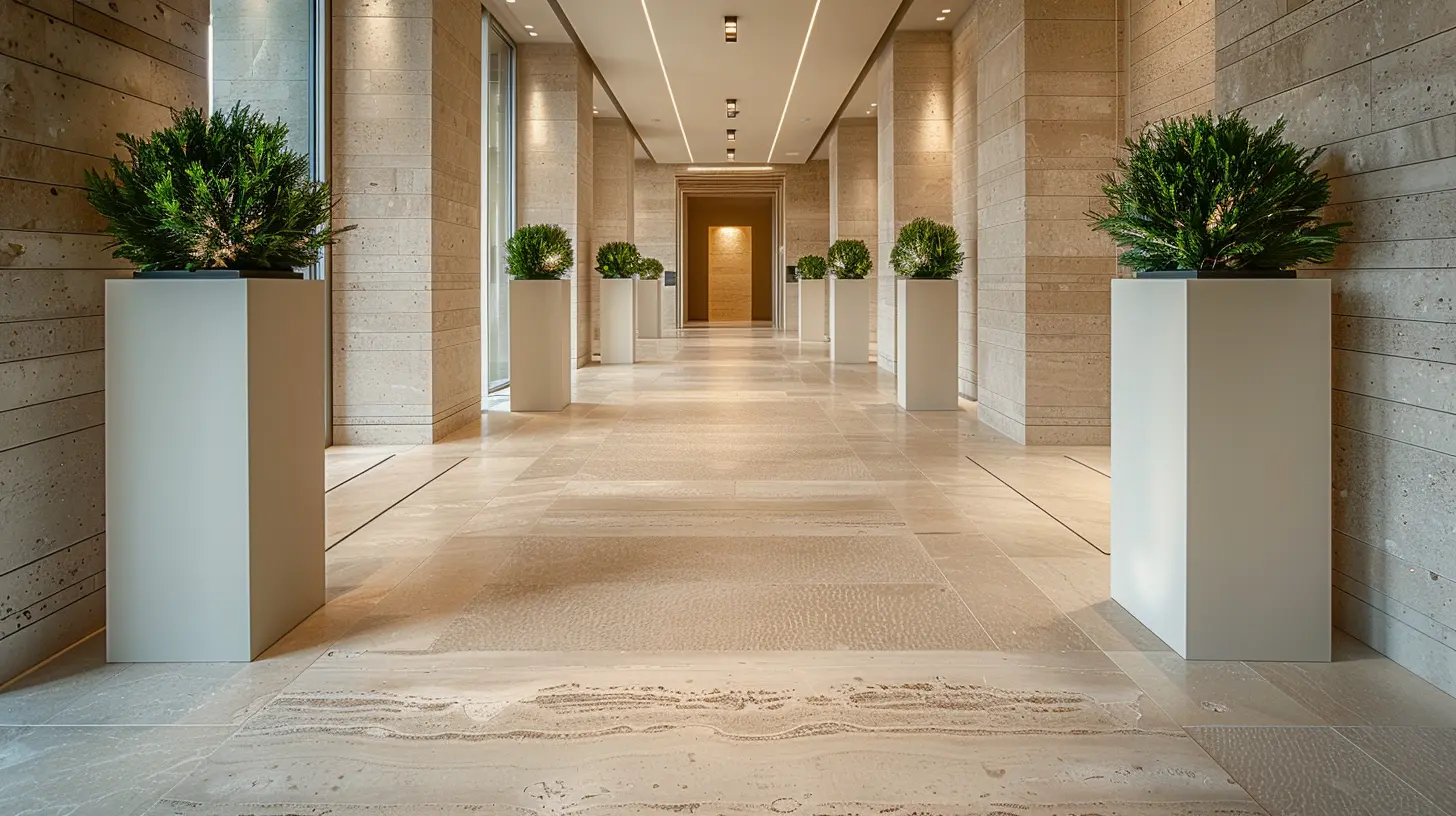
Things to Consider When Using Limestone
While limestone has many advantages, there are a few things you should keep in mind:1. Porosity & Sealing
Limestone is naturally porous, meaning it can absorb water and stains. To keep it looking pristine, regular sealing is recommended—especially for kitchen countertops and bathrooms.2. Sensitivity to Acids
Acidic substances like vinegar or lemon juice can etch the surface of limestone. If you're using limestone in kitchens or dining areas, be mindful of spills and clean them up quickly.3. Weight Considerations
Limestone is heavier than many synthetic materials, which means structural support needs to be factored in, especially for large applications like facades or feature walls.Is Limestone Right for Your Project?
If you're looking for a material that’s sustainable, beautiful, and built to last, limestone might be the perfect choice.Whether you’re building a modern home, renovating an old one, or just looking for an eco-friendly construction option, limestone checks all the boxes. It's practical, stylish, and a solid investment.
So, is limestone making a comeback? Definitely. And with all the benefits it brings, don’t be surprised if this classic material becomes the future of modern architecture.
Final Thoughts
Limestone has stood the test of time—literally. From ancient monuments to contemporary homes, this material is proving once again why it deserves a prime spot in modern construction.What do you think? Would you use limestone for your next building project? If timeless beauty, durability, and sustainability matter to you, it might just be the ideal choice.
all images in this post were generated using AI tools
Category:
Building MaterialsAuthor:

Travis Lozano
Discussion
rate this article
2 comments
Sarina Bellamy
Great article! I’ve always loved the timeless appeal of limestone. Its durability and aesthetic versatility truly enhance modern designs while honoring traditional craftsmanship. Excited to see how it continues to influence new constructions in creative ways!
December 27, 2025 at 12:01 PM
Travis Lozano
Thank you! I completely agree—limestone's blend of durability and beauty makes it a perfect choice for both modern and traditional designs. Exciting times ahead!
Molly Coleman
Limestone's resurgence in modern architecture beautifully bridges tradition with innovation. Its timeless elegance and durability not only enhance aesthetics but also promote sustainability. Embracing this classic material in new constructions invites a sense of history while creating vibrant, enduring spaces for generations to come!
December 16, 2025 at 4:27 AM
Travis Lozano
Thank you for your insightful comment! I completely agree that limestone's blend of tradition and modernity makes it a perfect choice for sustainable architecture. It truly enriches our spaces both aesthetically and historically.