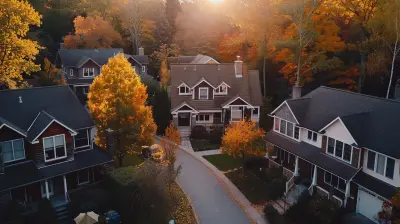
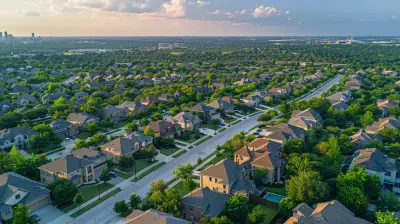
Zoning Laws and Wildlife Preservation: What Property Owners Should Know
22 February 2026
Hey there, homeowner (or future homeowner)! Let’s talk about something that doesn’t come up often at dinner parties, yet it affects your neighborhood, your property, and even the animals roaming near your backyard—zoning laws and wildlife preservation.
Before your eyes glaze over, stick with me. I promise it’s more interesting than it sounds, and as someone who cares about your property and your planet, this is something you really want to know.
Whether you’re buying, building, renovating, or just curious, understanding how zoning laws impact wildlife—and how you fit into the big ecological picture—can save you time, money, and maybe even help save a species or two. Intrigued? Thought so. Let’s jump in.
What Are Zoning Laws Anyway?
Let’s start with the basics. Zoning laws are rules set by your local government to control how land is used. Sounds simple, right? But there's a whole lot more to them.Zoning regulations determine:
- What kind of buildings can be constructed (residential, commercial, industrial, etc.)
- Where those buildings can be located
- How big they can be
- How close to the street or each other they can sit
In a nutshell, zoning keeps order in a community. Think of it as the invisible traffic light for urban development.
But here's the twist—these laws don’t just control buildings. They also protect green spaces, wetlands, forests, and wildlife habitats. And that’s where things get exciting.
Why Should You Care About Wildlife Preservation?
Okay, now you might be wondering, “Why should I, a property owner, care about wildlife?”Great question.
Your land doesn’t exist in a vacuum. It’s part of a broader ecosystem. Even if you live in a concrete suburb, you probably share your space with birds, squirrels, and maybe the occasional fox or deer. These creatures aren’t just cute—they’re essential.
Wildlife:
- Pollinates your garden
- Controls pests
- Keeps your local ecosystem balanced
- Provides that beautiful natural soundtrack when you open your windows
When we disrupt their habitats—for example, by plowing through a wetland or destroying an old-growth forest—we mess with the entire balance. That’s where zoning laws step in to keep both humans and animals happy.
How Zoning Laws Protect Wildlife
You might think of zoning laws as all about buildings, but they actually play a big role in conservation. Some key ways zoning supports wildlife include:1. Conservation Zoning
Certain areas are specifically zoned for conservation purposes. This means development is either heavily restricted or outright banned to protect fragile ecosystems like wetlands, forests, or mountain areas.If you own land in a conservation zone, you’re likely limited in what you can build or modify—but that’s not a bad thing. It keeps the area pristine and maintains property values in the long run.
2. Buffer Zones
You know that strip of trees or patch of grass between a development and a park or wetland? That’s a buffer zone. Zoning laws often require these to protect sensitive areas from pollution, noise, and human interference.This is especially important in places where water quality and soil erosion are issues. Plus, it gives critters some breathing room.
3. Habitat Corridors
Ever heard of a wildlife corridor? Imagine a “highway” for animals—routes that allow them to move safely between habitats. Zoning laws can include requirements to preserve these paths, connecting fragmented habitats that would otherwise isolate native species.Without them, animals get trapped in places with limited food, water, and mates. (Not ideal for anyone, right?)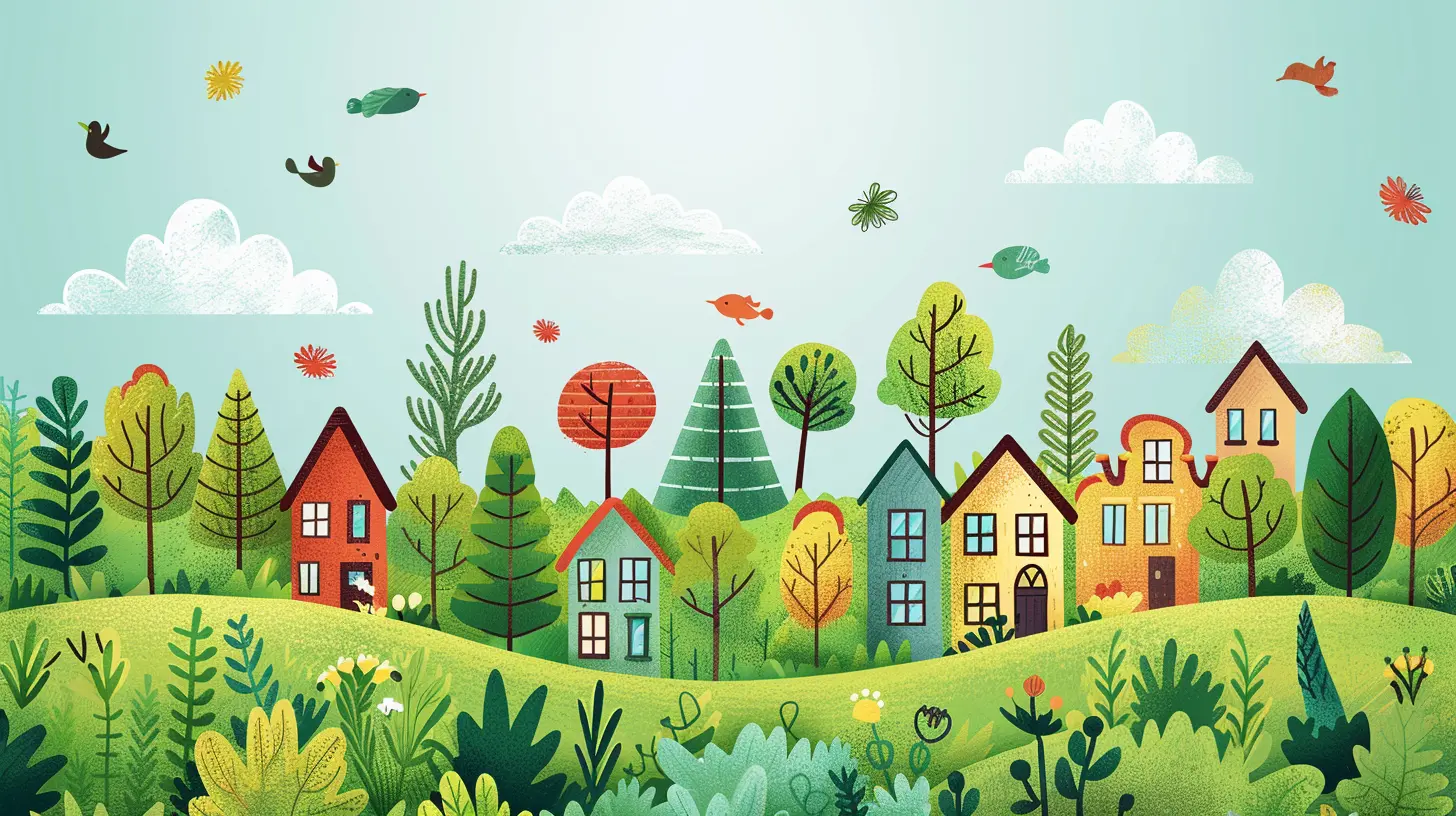
Can Zoning Laws Affect What You Do on Your Own Property?
Yep, they sure can.Let’s say you bought a few acres on the edge of town, dreaming of building your dream cabin, installing a pool, and maybe even clearing a small area for horses. But guess what? If your property falls within a conservation zoning area or near a protected habitat, there may be restrictions.
You might need:
- A special permit
- An environmental impact study
- To skip the pool altogether
But don’t get discouraged. These regulations ensure long-term sustainability, and there are often workarounds that align with both your goals and the land’s needs.
What If You Accidentally Violate Zoning Restrictions?
Mistakes happen. Maybe you cleared a few trees or added a fence without realizing it encroached on restricted land. If you unknowingly violate zoning laws, the consequences can vary:- Fines (sometimes hefty)
- The requirement to undo the change (like removing the fence)
- Denied permits for future projects
- Legal action in extreme cases
But don’t worry—local governments usually work with owners to find solutions. The key is to communicate and do your homework before starting any big projects.
How to Stay on the Right Side of Zoning and Wildlife Regulations
Alright, so how do you make sure you're not stepping on any legal (or environmental) toes? Here are a few practical tips to keep yourself in the clear:1. Contact Your Local Zoning Office
They’re your best resource. Before buying land or starting a project, reach out and ask about current zoning rules. It’s their job to explain them—and they usually do it for free.2. Check for Environmental Assessments
Some properties come with environmental studies, especially if they’re near a protected area. These reports will tell you if there are wetlands, endangered species, or other sensitive spots on or near your land.3. Work With Eco-Conscious Builders
There are architects and developers who specialize in eco-friendly construction. They’ll know how to design your project while preserving habitats. Win-win!4. Respect Nature’s Boundaries
If animals frequently roam a section of your yard or if there’s a nearby creek or forest, try to leave it as undisturbed as possible. Plant native vegetation, avoid chemicals, and leave natural barriers where you can.The Benefit of Being a Nature-Friendly Property Owner
Okay, so maybe zoning laws feel like a bunch of red tape. But what if we flipped the script?Instead of seeing them as limitations, think of them as your secret weapon for creating a beautiful, balanced property.
Being mindful of zoning and wildlife:
- Increases your property value
- Reduces maintenance costs over time
- Attracts nature lovers (great for resale!)
- Helps protect endangered species
- Makes you part of something bigger
There’s a deep sense of satisfaction in knowing that you’re not just another homeowner—you’re a steward of the land.
Real-Life Stories That Inspire
Let’s bring this home with a couple of quick real-world examples.🐢 The Turtle Haven in Florida
A property developer in Florida discovered that a small wetland on his lot was a nesting site for endangered turtles. Instead of bulldozing it, he restructured his plans to build around the area and even added a tiny wildlife observation deck. The result? His homes sold faster—and for more money—because buyers loved the connection to nature.🐦 The Backyard Bird Paradise in Oregon
A retired couple in Oregon found out their backyard was part of a migratory route for native bird species. With a bit of guidance from local conservationists, they turned their garden into a certified wildlife habitat. It became the talk of the town—and they even started hosting eco-tours!In both stories, zoning laws acted as the foundation—and the owners built dream spaces within that framework. That’s the magic formula.
Final Thoughts: Be a Zoning and Wildlife Hero
You don’t have to be a biologist or a land-use expert to navigate zoning laws and support wildlife preservation. You just need curiosity, compassion, and a little guidance.Every acre of land has a story. When you understand zoning laws and embrace preservation, you’re not just building or living on your property—you’re adding your own chapter to that ongoing story. And trust me, it’s one you’ll be proud of.
So, ready to be a zoning hero and a wildlife warrior all at once? You’ve got this.
all images in this post were generated using AI tools
Category:
Zoning RegulationsAuthor:

Travis Lozano
Discussion
rate this article
2 comments
Piper Reilly
Protect wildlife; it's our responsibility as property owners!
March 14, 2026 at 11:45 AM
Travis Lozano
Absolutely! As property owners, we play a crucial role in balancing development with wildlife preservation. Let's work together to protect our local ecosystems.
Priscilla McLaury
Understanding zoning laws is crucial for balancing property development and wildlife preservation effectively. Stay informed!
February 24, 2026 at 4:29 AM
Travis Lozano
Thank you for emphasizing the importance of understanding zoning laws in achieving a balance between development and wildlife preservation!