Maximize Profitability with Fixer-Uppers: Tips for Rehabbing Right
5 July 2026
Investing in fixer-uppers can be one of the most profitable ways to make money in real estate—if done correctly. The idea of taking a worn-down property, breathing new life into it, and selling it at a higher price sounds simple, but the reality is often much more complex.
If you jump in without a plan, you could end up with an endless money pit rather than a profitable investment. But don’t worry! With the right approach, you can turn a fixer-upper into a cash cow. Let’s dive into some essential tips to rehab your property the right way and maximize your return on investment. 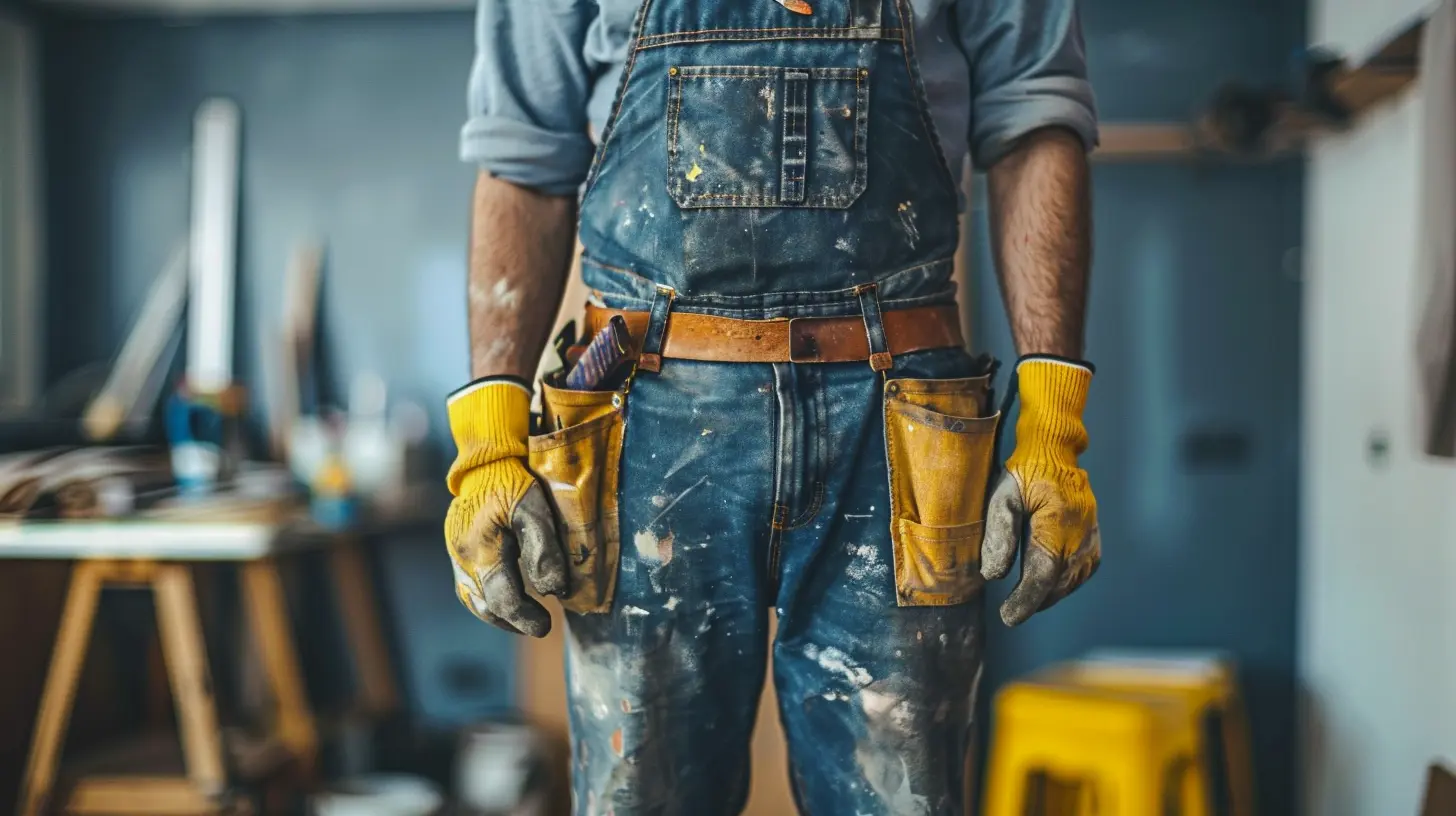
Why Fixer-Uppers Can Be a Goldmine
Fixer-uppers offer some of the best opportunities in real estate. Because they often come at a lower purchase price, you have the potential to add significant value through renovations. But there's a catch—you need to know what you're doing.When done strategically, fixer-uppers allow you to:
✅ Buy low, sell high – The lower upfront cost gives you room to add value through improvements.
✅ Customize for buyers – Updating key features makes your property more attractive to the market.
✅ Generate rental income – If you're not flipping, a well-renovated property can provide steady cash flow.
The key is knowing how to rehab smartly without over-improving beyond the market value. 
Choosing the Right Fixer-Upper
Not every fixer-upper is a good deal. Some homes are beyond saving, and others may drain your budget faster than you can refill it. Here’s what to look for when choosing the right fixer-upper:1. Location is Everything
You can change almost anything about a home—except its location. A rundown house in an up-and-coming neighborhood is often a solid investment. But a beautifully renovated home in a declining area? That’s a tough sell.Check for:
- Proximity to schools, parks, and shopping centers.
- Neighborhood trends—are property values rising?
- Crime rates and future development plans.
2. Structural Issues vs. Cosmetic Fixes
A fixer-upper with cosmetic issues (think outdated kitchens, peeling paint, old floors) is a fantastic opportunity. These are relatively inexpensive fixes that can dramatically increase a home's value.On the other hand, major structural issues—like foundation problems, roof replacements, or extensive water damage—can quickly eat into your profits. Always get a professional inspection before committing.
3. The Numbers Must Work
Before making an offer, crunch the numbers. A simple rule of thumb is the 70% rule, which says:? After Repair Value (ARV) × 70% - Estimated Repair Costs = Maximum Offer Price
For example, if a home will be worth $300,000 after renovations and you estimate repairs will cost $50,000:
$300,000 × 70% = $210,000
$210,000 - $50,000 = $160,000 maximum purchase price
If you stick to this formula, you’ll have a better shot at making a solid profit. 
Planning Your Rehab the Right Way
Once you’ve chosen your fixer-upper, it's time to renovate smartly. Here’s how to get the biggest bang for your buck:1. Start with a Budget and Stick to It
One of the biggest mistakes investors make is underestimating rehab costs. Always add an extra 10-15% cushion for unexpected expenses.Break your costs into three categories:
- Essential Repairs (plumbing, electrical, roof, foundation)
- High-ROI Upgrades (kitchens, bathrooms, flooring)
- Cosmetic Touches (paint, landscaping, light fixtures)
2. Prioritize High-ROI Improvements
Not all renovations are created equal. Some put more money back into your pocket than others. Focus on these:? Kitchen Remodels: Buyers love updated kitchens. Modern cabinets, countertops, and appliances can drive up the home’s value significantly.
? Bathroom Upgrades: A fresh, stylish bathroom can be a major selling point. Think new vanities, fixtures, and tile.
? Paint & Curb Appeal: A fresh coat of paint and an inviting exterior can make a world of difference at a low cost.
? Lighting & Fixtures: Swapping out old, outdated light fixtures and hardware instantly modernizes a space.
3. DIY vs. Hiring Professionals
While some tasks (like painting or landscaping) are easy to DIY, others should be left to professionals. Cutting corners on electrical work, plumbing, or structural repairs can lead to costly mistakes down the road.A good rule of thumb? If it requires a permit, hire a pro. 
Avoiding Common Pitfalls
Renovating a fixer-upper can be lucrative, but plenty of investors fall into common traps. Here’s how to avoid them:1. Over-Improving Beyond Market Value
It’s easy to get carried away with high-end finishes, but if your upgrades outprice the neighborhood, you won’t get that money back when you sell. Know the local market and renovate accordingly.2. Skipping the Inspection
Never, ever skip a home inspection. Even if the property looks fine, underlying issues can cost you thousands. A professional inspection can reveal hidden problems like:- Termite damage
- Faulty wiring
- Plumbing leaks
- Foundation issues
3. Underestimating the Timeline
Rehabbing takes time—especially with unforeseen delays. Factor in extra time for:- Permitting and inspections
- Contractor availability
- Weather delays for exterior work
The longer your property sits unfinished, the more costs (like mortgage payments and utilities) will eat into your profits.
Selling for Maximum Profit
Once your fixer-upper is beautifully renovated, it’s time to sell for the best possible price. Here’s how to do it right:1. Price It Right from the Start
Overpricing can scare away buyers, while underpricing leaves money on the table. Work with a real estate agent to set the right price based on comparable homes in the area.2. Stage for Success
Staged homes sell faster and for more money. Highlight your renovations with:- Fresh flowers and neutral decor
- Proper lighting to brighten spaces
- Minimal clutter for a clean, spacious feel
3. Market Like a Pro
Don’t just list it and hope for the best. Use high-quality photos and videos, write compelling property descriptions, and promote the listing on multiple platforms.? Pro Tip: Consider hosting an open house to attract serious buyers and create buzz!
Final Thoughts
Fixer-uppers can be real estate goldmines if handled correctly. The key is buying wisely, budgeting smartly, and renovating strategically. If you can navigate the potential pitfalls and make high-ROI improvements, your investment will pay off handsomely.So, whether you're looking to flip a property for a quick profit or rent it out for long-term gains, rehabbing the right way can set you up for financial success. Ready to dive in and transform a fixer-upper into a lucrative investment? Go for it—but do it smart!
all images in this post were generated using AI tools
Category:
Real Estate StrategiesAuthor:

Travis Lozano
Discussion
rate this article
1 comments
Seraphine McFee
Transforming spaces reveals potential, igniting community and value.
July 5, 2026 at 4:41 AM
Travis Lozano
Absolutely! When we transform spaces, we not only enhance their value but also create a sense of community that drives engagement and interest.