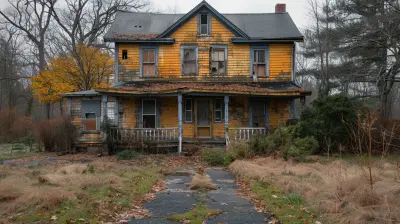
Foreclosure Auctions: What You Need to Know
14 May 2026
The world of real estate is brimming with opportunities, and foreclosure auctions stand as one of its most thrilling yet daunting frontiers. Imagine a high-stakes chess game where each move could lead to a jackpot or a costly misstep. The allure? Bargain-priced properties waiting for the right bidder to claim them. The risk? Hidden pitfalls that could turn a dream deal into a financial nightmare.
Let’s dive into the nitty-gritty of foreclosure auctions—what they are, how they work, and how you can navigate them like a seasoned pro. 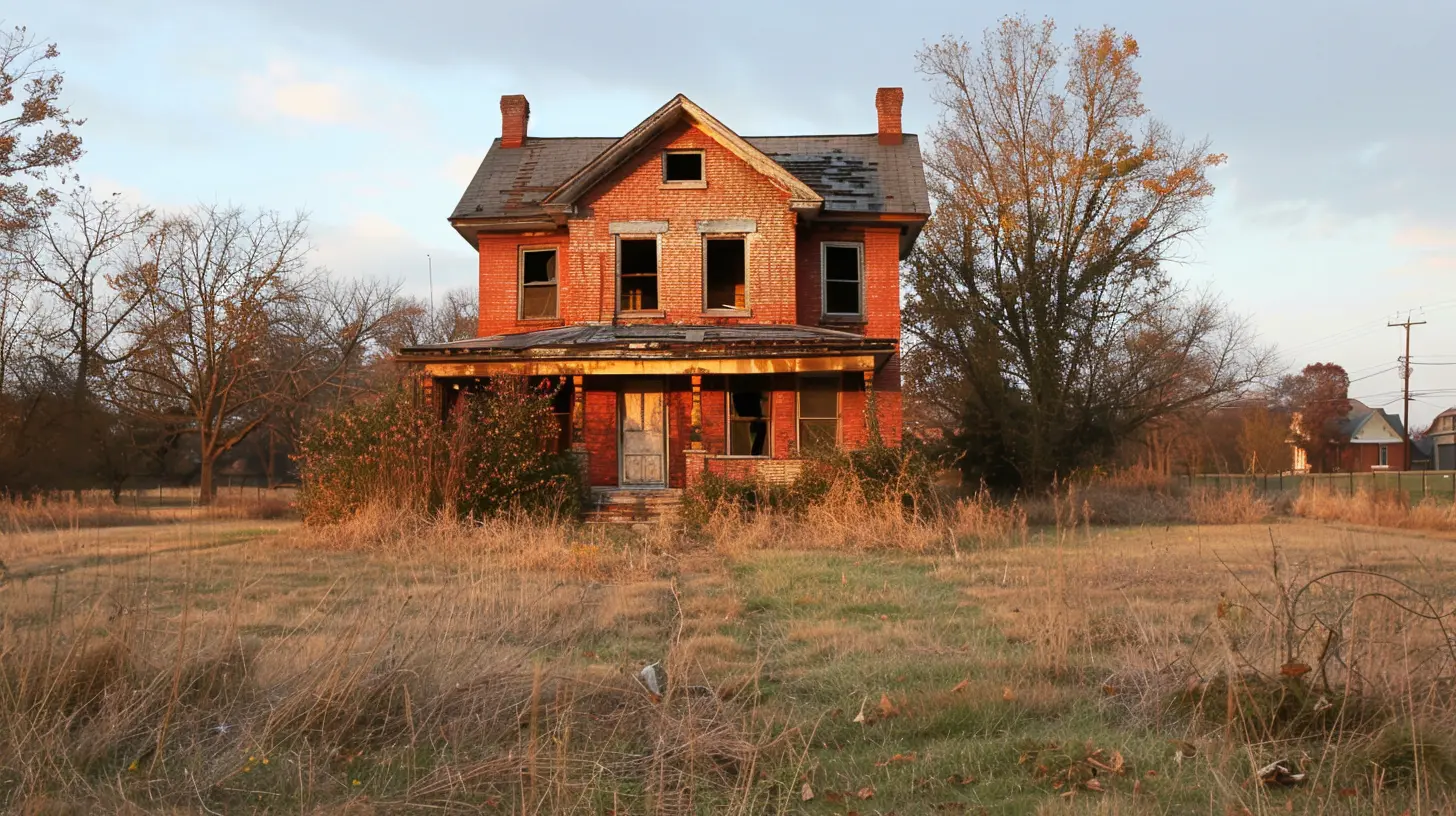
? What Is a Foreclosure Auction?
A foreclosure auction is the final act in a homeowner’s financial struggle. When homeowners fail to make mortgage payments, the lender takes possession of the property and sells it at auction to recover the outstanding loan balance.These auctions are typically public and can happen online or in person, offering real estate investors, homebuyers, and bargain hunters a chance to snag properties below market value. But don’t be fooled—while the price tags might seem tempting, these deals come with their own set of challenges. 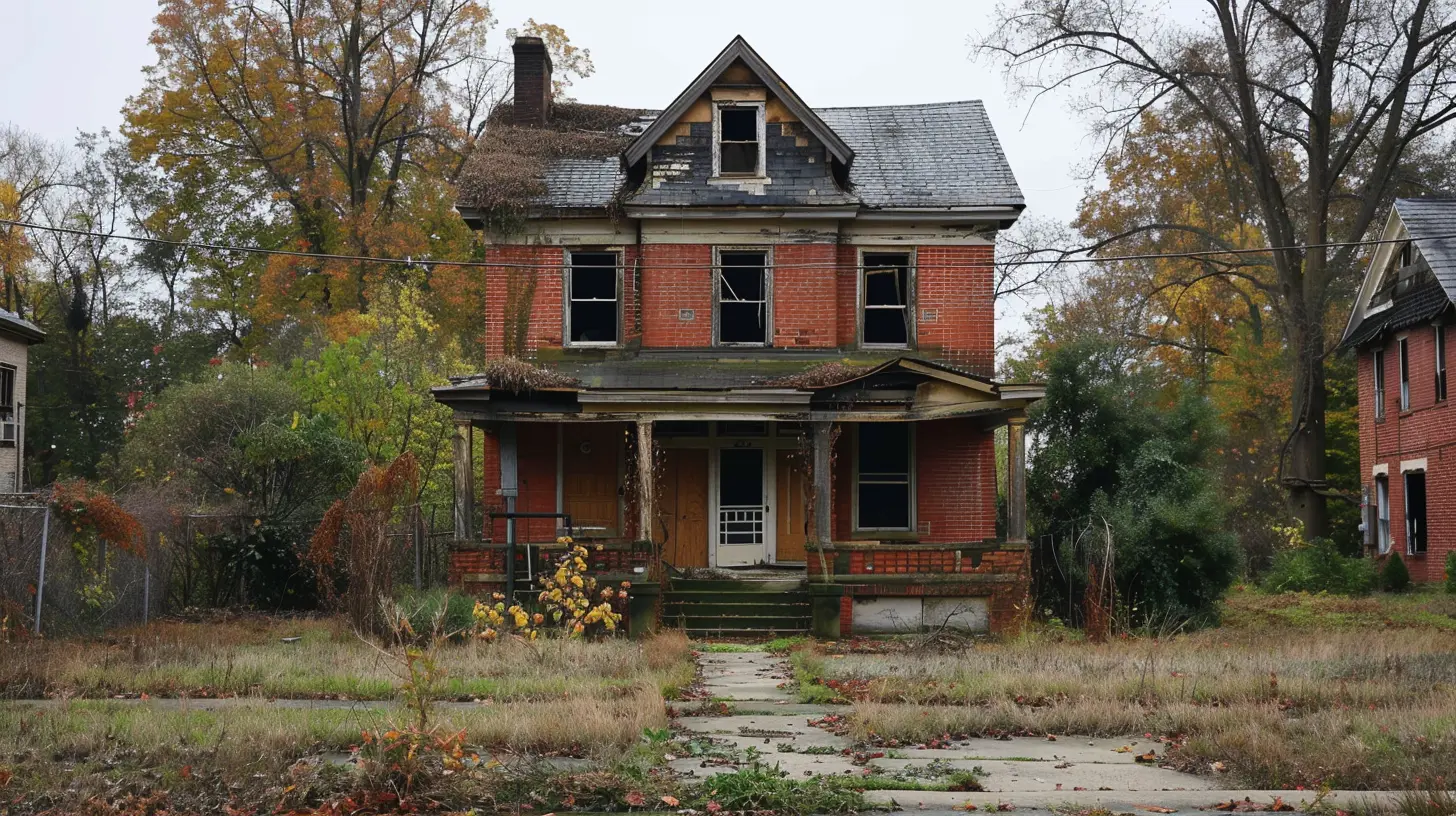
? Why Do Properties Go to Foreclosure Auctions?
Foreclosures occur for several reasons, with the most common being:- Missed Mortgage Payments – Homeowners fall behind on their loans due to financial hardship.
- Property Tax Defaults – Unpaid property taxes can lead local governments to seize and auction homes.
- HOA Liens – If a homeowner fails to pay their homeowners' association fees, the HOA can foreclose.
Essentially, foreclosure auctions serve as a lender’s last-ditch effort to recoup losses while offering buyers the chance to acquire properties at discounted prices. 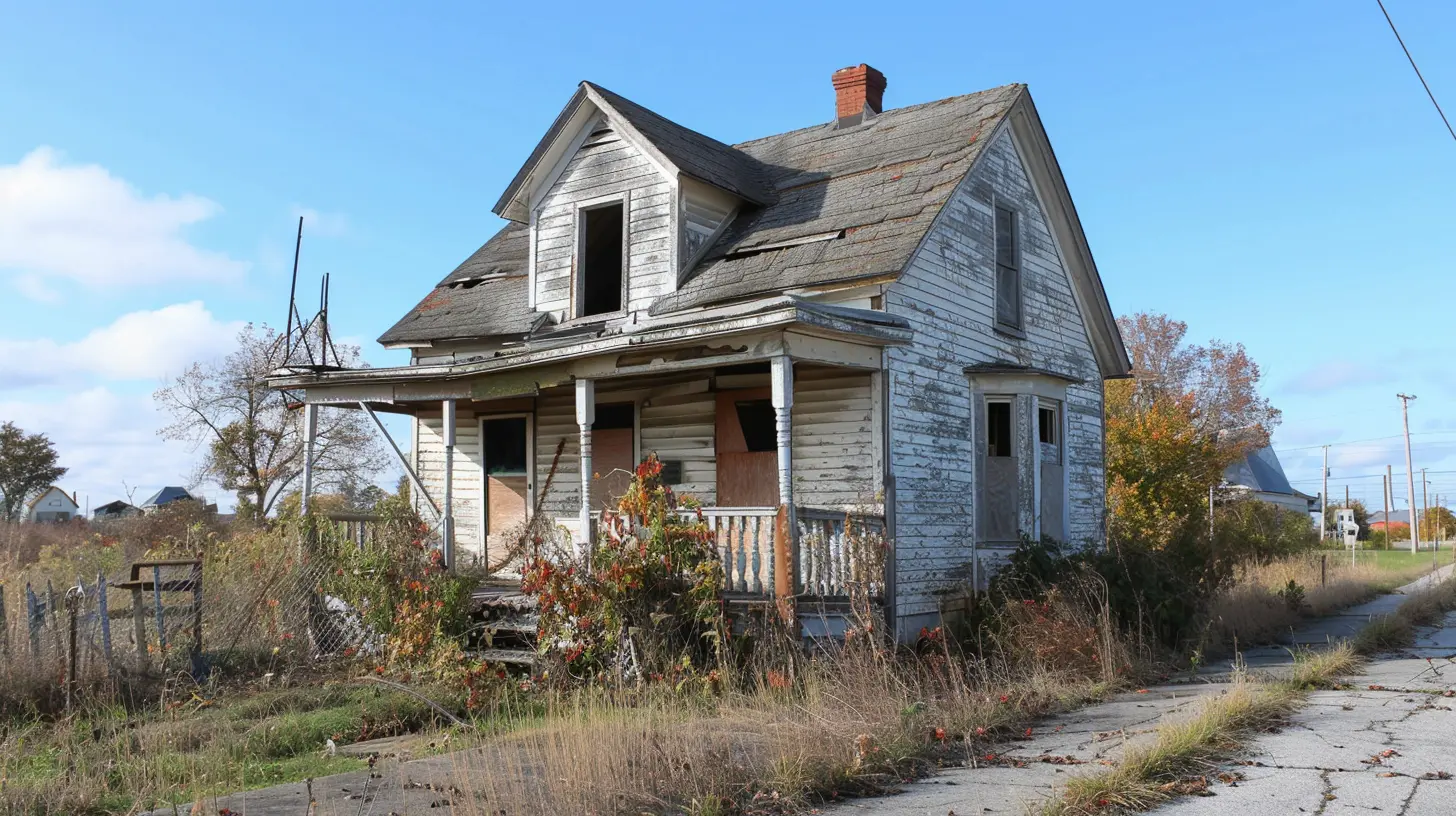
? The Foreclosure Auction Process
Before you start bidding, understanding how the process unfolds is crucial. Here’s a step-by-step breakdown:1️⃣ Pre-Foreclosure Period
Before a property hits the auction block, it goes through a pre-foreclosure phase. This is when the homeowner still has time to settle debts, sell the property, or negotiate with the lender. Savvy investors sometimes snag great deals during this phase by negotiating directly with the owner.2️⃣ Notice of Trustee’s Sale (or Sheriff's Sale)
Once foreclosure is inevitable, a public notice is issued announcing the auction date, time, and location. This gives potential buyers the opportunity to research properties before the auction.3️⃣ Auction Day
This is where the real action happens! Bidders gather (either in person or online), and the auctioneer starts the bidding. The property typically goes to the highest bidder, provided they meet the reserve price set by the lender.4️⃣ Winning the Bid
If you win the auction, congratulations—but your work isn’t done. Many auctions require immediate payment, often in cash or certified funds. There’s also the risk of hidden issues, so due diligence before the auction is non-negotiable.5️⃣ Ownership Transfer
Once the payment is confirmed, the buyer receives a deed, officially making them the new property owner. However, they may still need to evict occupants or deal with existing liens.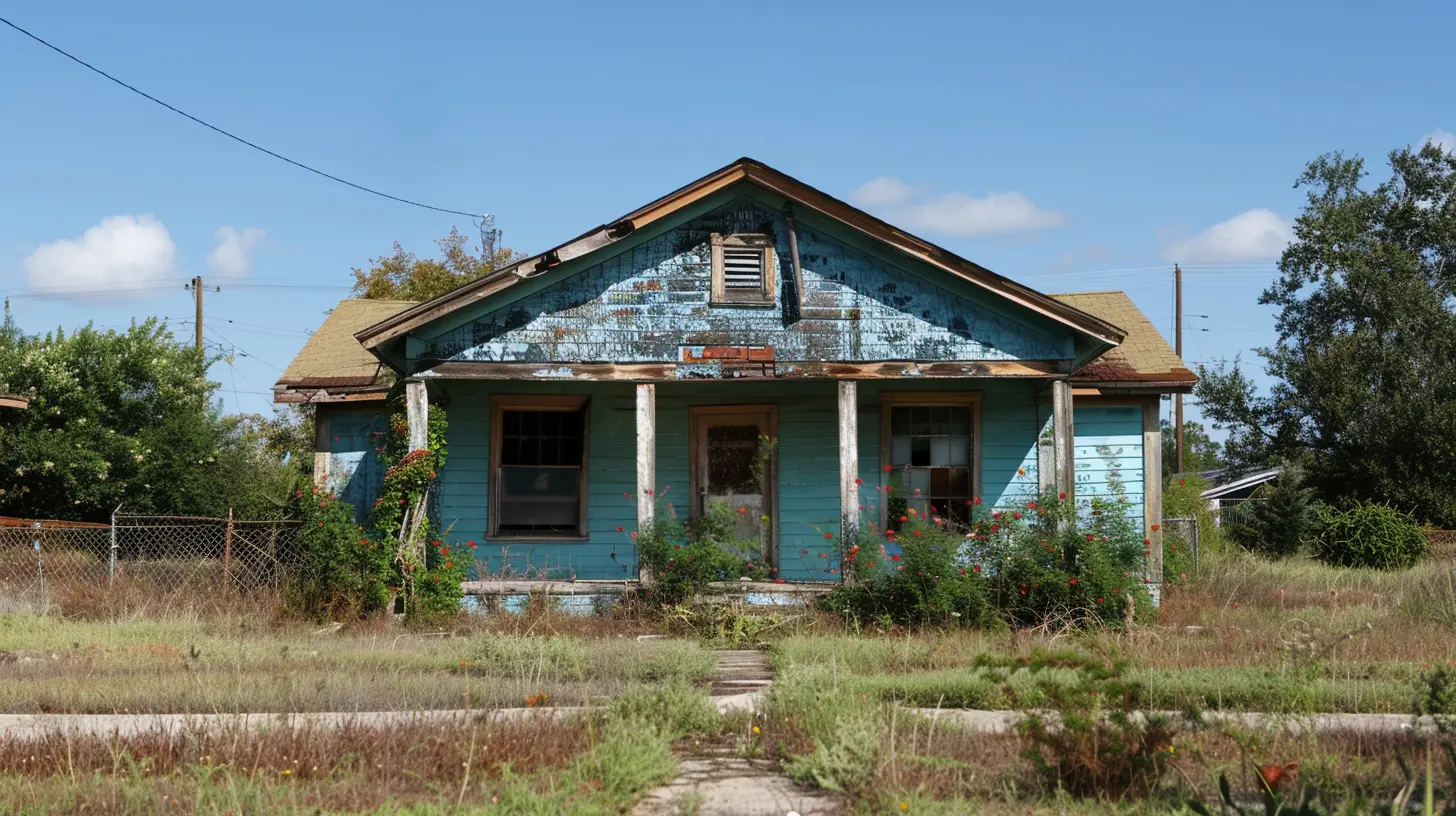
? How to Prepare for a Foreclosure Auction
Jumping into a foreclosure auction without preparation is like diving into the ocean without a life vest. Here’s how to set yourself up for success:✅ Research, Research, Research
Not all auction properties are golden opportunities. Some come with title issues, unpaid liens, or severe damage. Always:- Check Public Records for liens, unpaid taxes, or legal issues.
- Visit the Property (If Possible) to assess its condition.
- Estimate Repair Costs before bidding to avoid financial surprises.
✅ Understand Auction Rules
Every auction has its own set of rules. Some require upfront deposits, while others demand immediate full payment. Read the fine print before stepping into the bidding war.✅ Set a Maximum Bid
It’s easy to get caught up in the excitement and overpay. Know your budget and stick to it. Winning a property is great, but not if you end up in financial distress because of it.✅ Secure Financing in Advance
Many foreclosure auctions require cash payments. If you don’t have the funds, explore financing options beforehand so you’re not scrambling at the last minute.? Risks and Challenges of Buying at Foreclosure Auctions
Foreclosure auctions may seem like a goldmine, but they come with risks you must be aware of:❌ No Home Inspections
Unlike traditional sales, foreclosure auction properties are typically sold as-is. You won't get the luxury of a home inspection, so what you see (or don’t see) is what you get.❌ Existing Liens and Debts
Some properties might have unpaid taxes, homeowner association fees, or other hidden costs. If you win the bid, these debts become your responsibility.❌ Eviction Issues
If the previous owners or tenants are still occupying the home, you might face legal battles to evict them. This can be time-consuming and costly.❌ Intense Competition
Bank representatives, real estate investors, and house flippers often dominate foreclosure auctions. Competing against experienced bidders can drive up property prices.? Tricks of the Trade: How to Succeed at Foreclosure Auctions
If you want to dominate at foreclosure auctions, follow these expert tips:? Attend Auctions as an Observer First
Before placing real bids, attend a few auctions just to observe. This helps you understand the pacing, bidding strategies, and overall process.? Partner with a Real Estate Professional
A real estate agent or attorney with foreclosure experience can help you navigate legal complexities and make informed decisions.? Watch Out for Redemption Periods
Some states allow former homeowners to reclaim their property within a certain period after the auction. Make sure you check whether your purchase is truly final.? Don’t Put All Your Eggs in One Basket
Foreclosure deals can fall through, so have backup properties in mind and avoid emotional attachments to any single property.? Is Buying at a Foreclosure Auction Right for You?
Foreclosure auctions aren't for the faint of heart. They require patience, research, and a bit of risk tolerance. If you're a real estate investor looking for profitable deals or a homebuyer hoping to snag a bargain, auctions can be rewarding—but only if you go in prepared.If the idea of competing with seasoned investors, dealing with legal complexities, and buying properties sight unseen sounds overwhelming, a foreclosure auction might not be the best route. But if you’re up for the challenge and willing to do your homework, the rewards can be well worth the effort.
So, are you ready to test your luck and skill in the fast-paced world of foreclosure auctions? Just remember—knowledge is power, and strategy is key.
Final Thoughts
Foreclosure auctions offer a unique avenue to snag properties at discounted rates, but they come with risks that shouldn’t be ignored. Whether you’re a first-time buyer or an experienced investor, the key to success lies in thorough research, preparation, and financial discipline.Like a high-stakes poker game, you need to know when to play, when to fold, and when to walk away. Tread carefully, bid wisely, and who knows? Your next real estate jackpot might just be a foreclosure auction away.
all images in this post were generated using AI tools
Category:
ForeclosuresAuthor:

Travis Lozano
Discussion
rate this article
2 comments
Cody McElroy
Foreclosure auctions can unlock new opportunities-stay informed and embrace the possibilities ahead.
July 26, 2026 at 4:21 AM
Travis Lozano
Thanks for your insight! Staying informed is key to making the most of these opportunities.
Merida Hines
Foreclosure auctions can be a goldmine for savvy buyers. With the right knowledge and preparation, you can turn challenges into opportunities. Stay informed, be strategic, and embrace the path to property ownership. Your dream home could be just a bid away!
May 23, 2026 at 12:55 PM
Travis Lozano
Absolutely! With careful research and a solid plan, foreclosure auctions can indeed unlock great opportunities for buyers. Your dream home might just be within reach.