Clay as a Sustainable Choice for Natural Home Design
29 June 2026
When it comes to designing a home that is both beautiful and eco-friendly, few materials can compete with clay. For centuries, people have used clay to build homes that stand the test of time, offering sustainability, comfort, and a unique aesthetic. But with today's push for greener living, clay is making a strong comeback in modern architecture.
So, why should you consider clay for your home? Let’s dive into its natural benefits, durability, and why it’s a perfect fit for sustainable home design.
Why Clay is a Game-Changer for Sustainable Homes
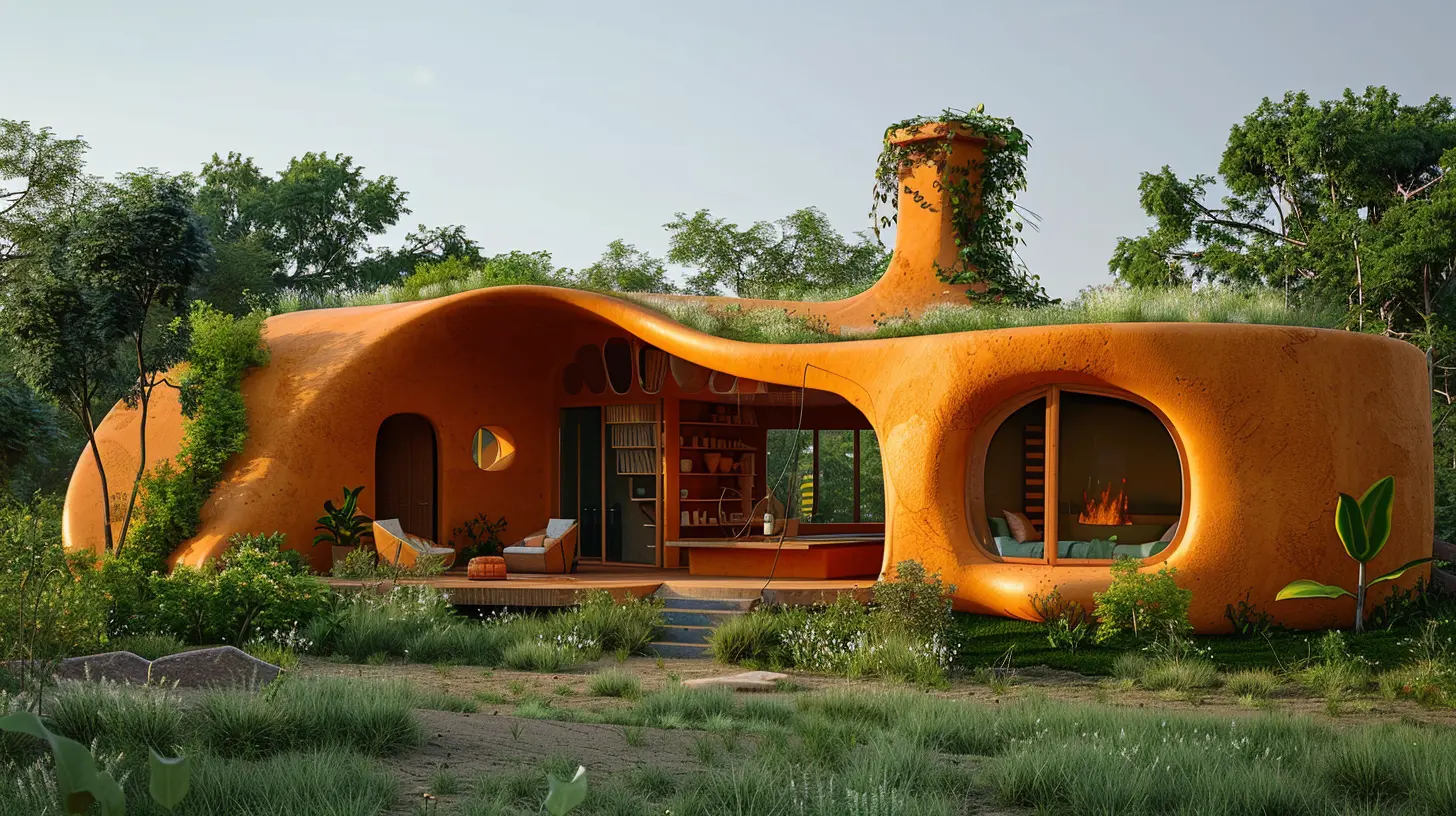
Sustainability isn't just a trend—it’s a necessity. And clay, being one of the most abundant natural materials on Earth, ticks all the right boxes. It’s organic, non-toxic, and doesn’t require harmful chemicals during its preparation or use.Unlike synthetic materials that emit harmful pollutants, clay walls and structures actually improve indoor air quality. They regulate humidity, prevent mold growth, and create a healthier living space. Plus, clay products can be sourced locally, reducing the carbon footprint associated with transportation and production.
Natural Insulation and Energy Efficiency
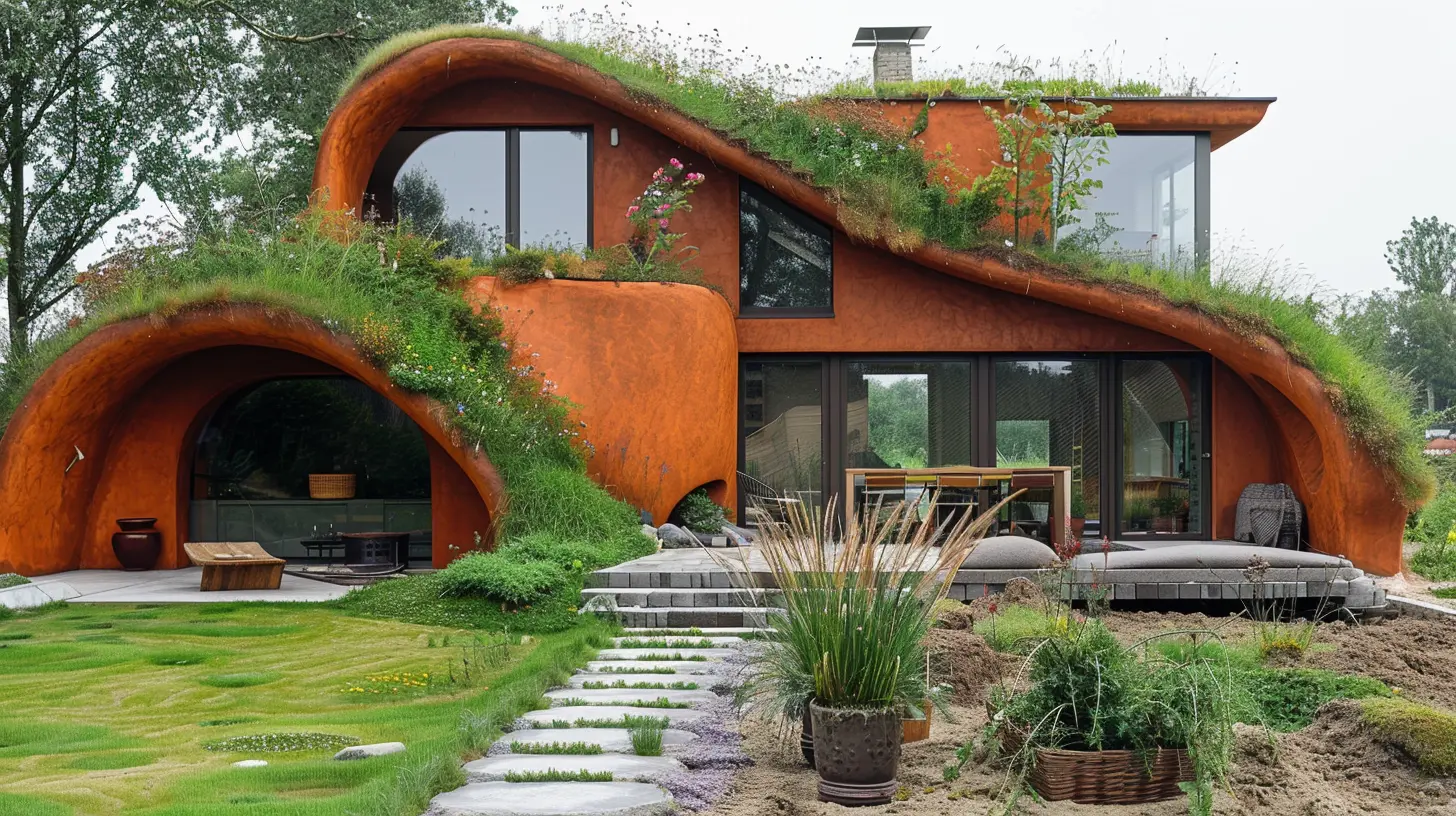
One of clay’s best-kept secrets? It’s an excellent insulator.Homes built with clay-based materials stay naturally cooler in the summer and warmer in the winter. This means reduced energy bills and less reliance on heating and cooling systems. The thermal mass of clay allows it to absorb heat during the day and slowly release it at night, keeping indoor temperatures stable.
And let’s be honest—who wouldn’t love lower utility bills while also reducing their impact on the planet?
Durability: Built to Last
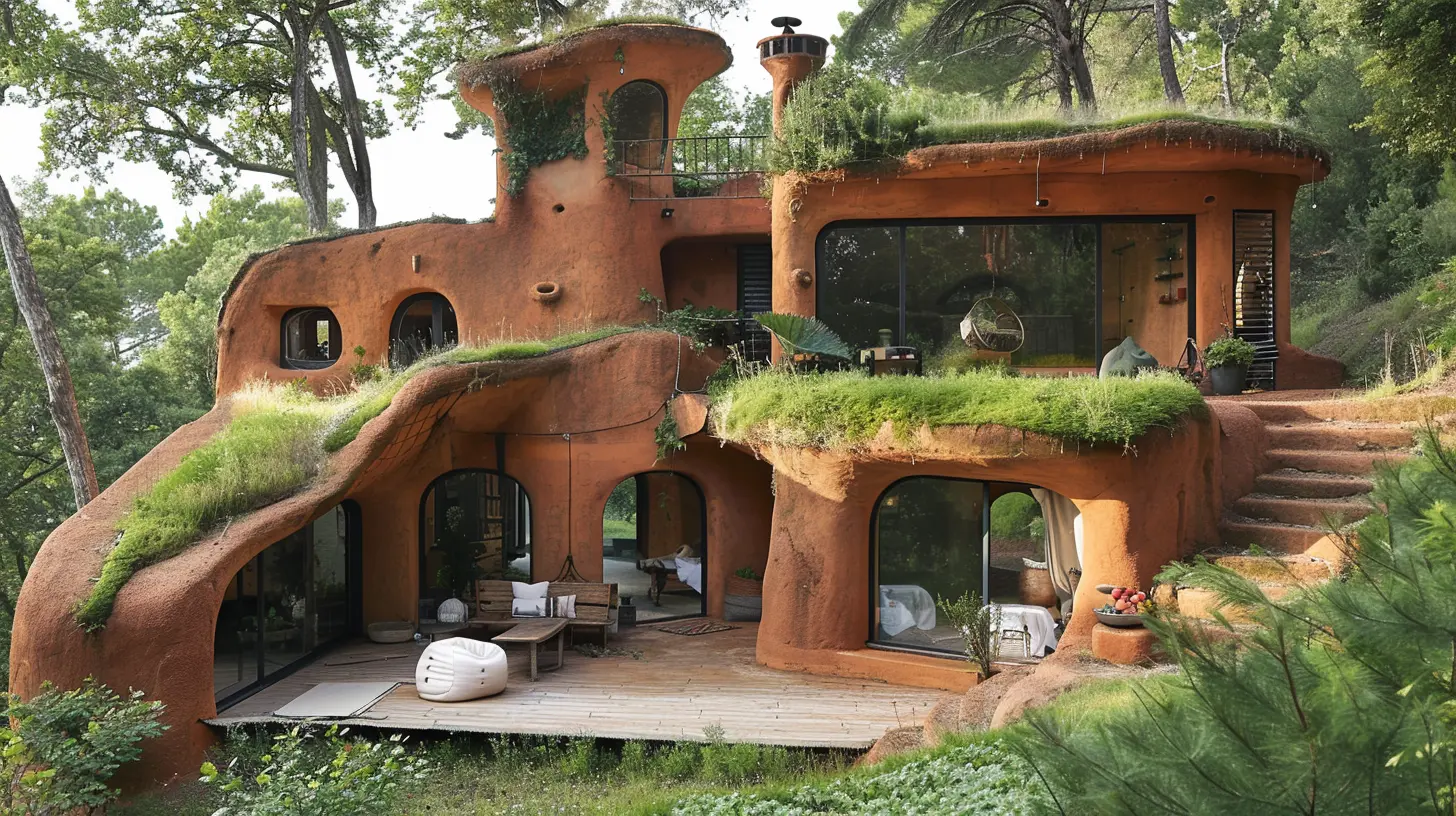
Clay structures have stood for centuries in various parts of the world, proving their longevity. Unlike conventional building materials that degrade over time, clay gains strength as it ages. It resists fire, pests, and even extreme weather conditions.Ever heard of adobe houses in the Southwestern U.S. or the ancient rammed earth structures in China? They’re still standing strong, thanks to the natural resilience of clay. If you’re looking for a home material that will outlive trends and withstand the elements, clay is a solid choice.
Aesthetic Versatility and Timeless Beauty
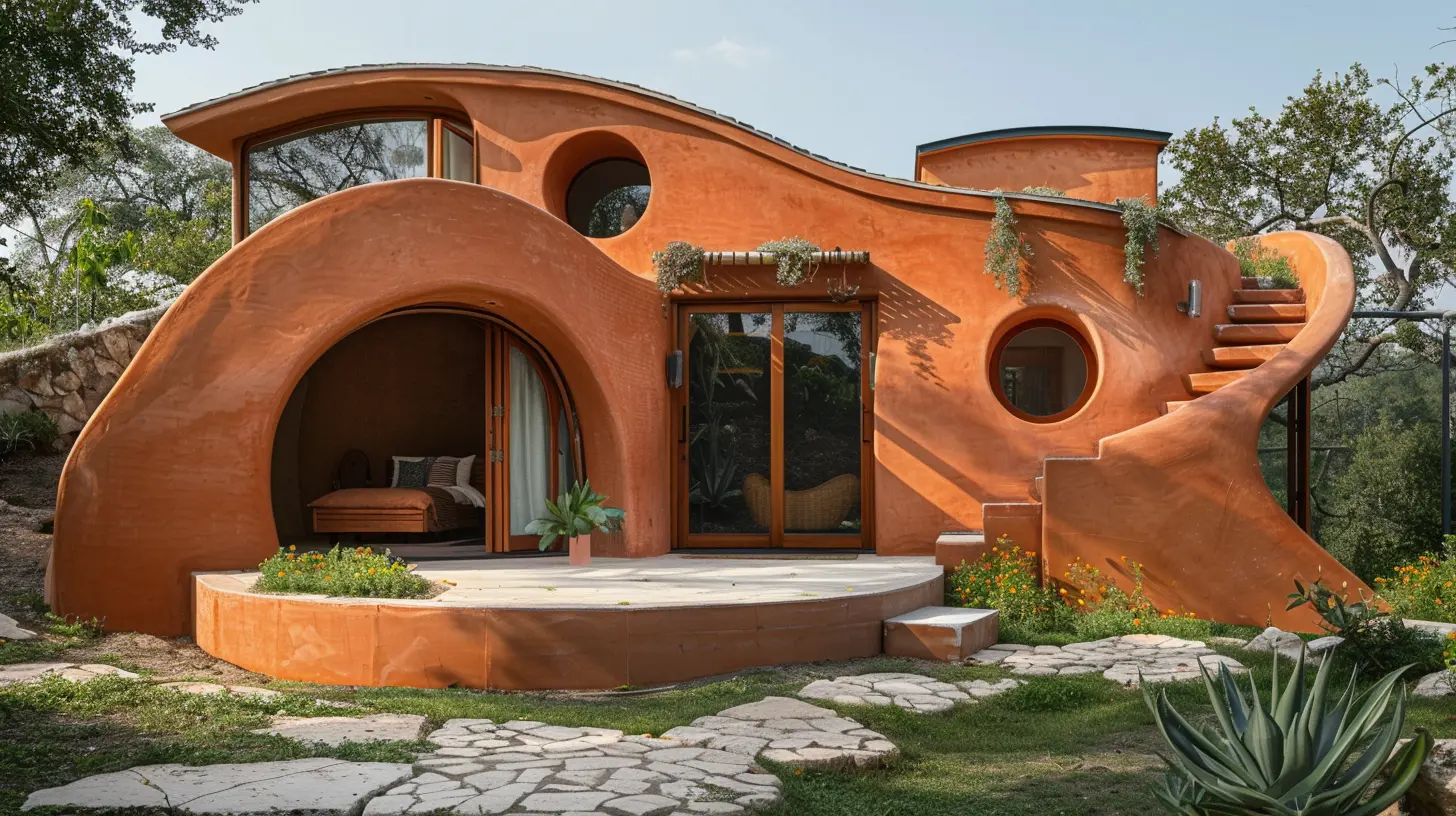
Who says sustainability can’t be stylish?Clay offers a variety of finishes, textures, and colors that can blend seamlessly into modern, rustic, or minimalist designs. Whether you prefer smooth, polished clay walls or a raw, earthy look, the design possibilities are endless.
You can use clay bricks, adobe, rammed earth, or even clay plasters to create a cozy, natural ambiance. The best part? No two clay homes look exactly alike—each has its own character and charm.
Non-Toxic and Healthy Living Spaces
Your home should be a safe haven, free from harmful chemicals and toxins. Unlike synthetic paints, glues, and finishes that release volatile organic compounds (VOCs), clay is 100% natural and breathable.Clay walls help purify the air by absorbing pollutants and excess moisture, maintaining a balanced indoor environment. If you’re prone to allergies or respiratory issues, a clay-built home might be the healthiest choice for you.
Types of Clay-Based Construction Techniques
If you’re thinking of incorporating clay into your home, you’ve got several options. Each technique has its own unique benefits and aesthetic appeal.1. Adobe
Adobe bricks are made by mixing clay, sand, and straw, then sun-dried. This traditional building method is ideal for hot climates, as the thick walls provide excellent thermal mass. Adobe homes exude warmth and character, with their rounded edges and organic forms.2. Rammed Earth
Rammed earth construction involves compacting layers of damp clay-rich soil between wooden forms, creating solid walls. These walls are extremely sturdy and provide exceptional insulation. Rammed earth homes have a stunning, layered appearance that adds a natural, artistic flair.3. Cob
Cob is a mix of clay, sand, straw, and water that’s sculpted by hand to form walls. This technique allows for creative, flowing designs—think Hobbit-style homes. Cob structures are highly durable and energy-efficient, perfect for those looking for a DIY natural home.4. Clay Plaster
For those who aren’t ready to commit to full clay construction, clay plaster is a fantastic option. Applied over drywall or existing structures, clay plaster adds texture, warmth, and breathability to any living space. It’s also a natural alternative to traditional paints and synthetic finishes.Is Clay Right for Every Climate?
Clay works beautifully in many environments, but there are a few considerations to keep in mind.- In dry, arid climates, clay homes thrive because they retain moisture and prevent excessive heat absorption.
- In humid regions, proper sealing and drainage are essential to prevent excessive water absorption.
- In colder climates, clay homes need additional insulation to maintain warmth.
That said, with proper design and planning, clay can be adapted to almost any climate.
The Sustainable Choice: Why More Homeowners Are Turning to Clay
With rising concerns about climate change and environmental impact, more homeowners are looking for ways to reduce waste and live sustainably. Clay-built homes are fully biodegradable, meaning they won’t pollute the environment when they eventually break down.Plus, clay minimizes construction waste. Unlike conventional materials that clog landfills, excess clay can be repurposed, reused, or simply returned to the earth.
How to Get Started with Clay in Your Home Design
If you’re considering clay for your next home project, here are a few steps to get started:- Consult with a Natural Builder: Find professionals who specialize in clay-based construction.
- Choose the Right Technique: Decide between adobe, cob, rammed earth, or clay plaster based on your needs.
- Source Local Materials: Support sustainability by using clay from nearby suppliers.
- Experiment with Small Projects: Not ready for a full clay home? Start with a clay plastered accent wall or an adobe outdoor oven.
Final Thoughts: A Future Built on Clay
Clay isn’t just a building material—it’s a statement. Choosing clay for your home design means embracing sustainability, durability, and timeless beauty. With its natural insulating properties, non-toxic nature, and minimal environmental impact, it’s no wonder more people are turning to this ancient yet innovative material.If you’re looking for a way to build or renovate your home while keeping it healthy and eco-conscious, clay might just be the perfect choice. So, are you ready to get your hands a little dirty and build something that lasts?
all images in this post were generated using AI tools
Category:
Building MaterialsAuthor:

Travis Lozano
Discussion
rate this article
1 comments
Evelyn Wilkins
I love the idea of using clay in home design. It connects us to nature while offering sustainability and warmth. Great insights!
July 6, 2026 at 2:51 AM
Travis Lozano
Thanks for your thoughts! I'm glad you appreciate the connection between clay and nature in home design. It truly adds warmth and sustainability.