Zoning’s Impact on Traffic and Infrastructure Planning
13 November 2026
Zoning might sound like a technical, behind-the-scenes concept that only city planners care about. But the truth is, it affects everyone—from the daily commuter stuck in traffic to the real estate developer planning new neighborhoods. The way cities divide land into different zones directly influences traffic flow, infrastructure development, and even property values.
So, how does zoning impact traffic and infrastructure planning? And why should you care? Let’s break it down.

Understanding Zoning and Its Role
Zoning laws dictate what can and can't be built in specific areas. Some zones allow for residential homes, while others are strictly reserved for businesses, industries, or mixed-use developments. These regulations shape the way cities grow and function, influencing everything from road networks to public transit accessibility.At its core, zoning is about balance—ensuring that cities grow in a way that supports long-term sustainability. However, when zoning policies aren’t well thought out, they can lead to serious traffic congestion, strained public services, and inadequate infrastructure.
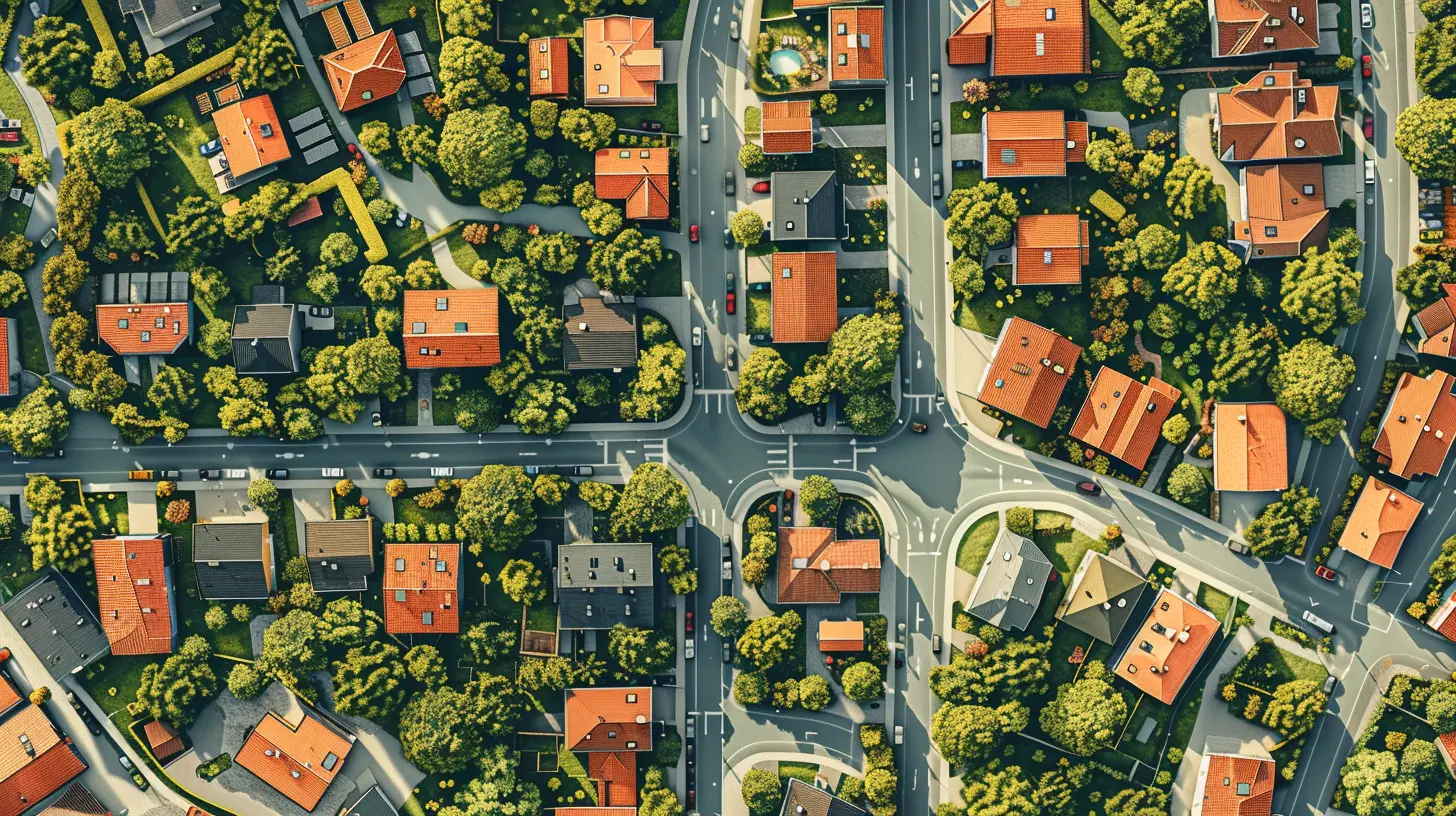
The Link Between Zoning and Traffic Issues
1. Single-Use Zoning Creates Traffic Jams
Many cities follow a traditional zoning model that separates residential, commercial, and industrial areas. While this might sound logical, it actually forces people to drive more. If you live in a residential-only neighborhood and have to drive miles to work, shop, or eat out, the result is increased traffic congestion.Mixed-use zoning—where businesses, homes, and amenities coexist—can reduce traffic by making it easier for people to walk, bike, or take public transportation. Instead of driving across town for groceries, residents can simply walk downstairs or around the corner.
2. High-Density Zoning and Congestion Problems
High-density developments, such as apartment complexes and office towers, bring more people into a concentrated area. While this can be great for economic growth, it can also overwhelm existing roads and public transit systems if infrastructure planning doesn't keep up.Ever noticed how some city centers are impossible to navigate during rush hour? That often happens when zoning laws permit high-density development without upgrading nearby roads or expanding transportation options.
3. Parking and Traffic Flow
Zoning laws also dictate parking requirements. If a city mandates that every new retail store must provide a large parking lot, it encourages car use rather than public transit. On the other hand, cities that limit parking spaces can push more people to use bicycles, buses, or metro systems.The challenge? Finding a balance. Too little parking can frustrate drivers, while too much can encourage car dependency and add to congestion.
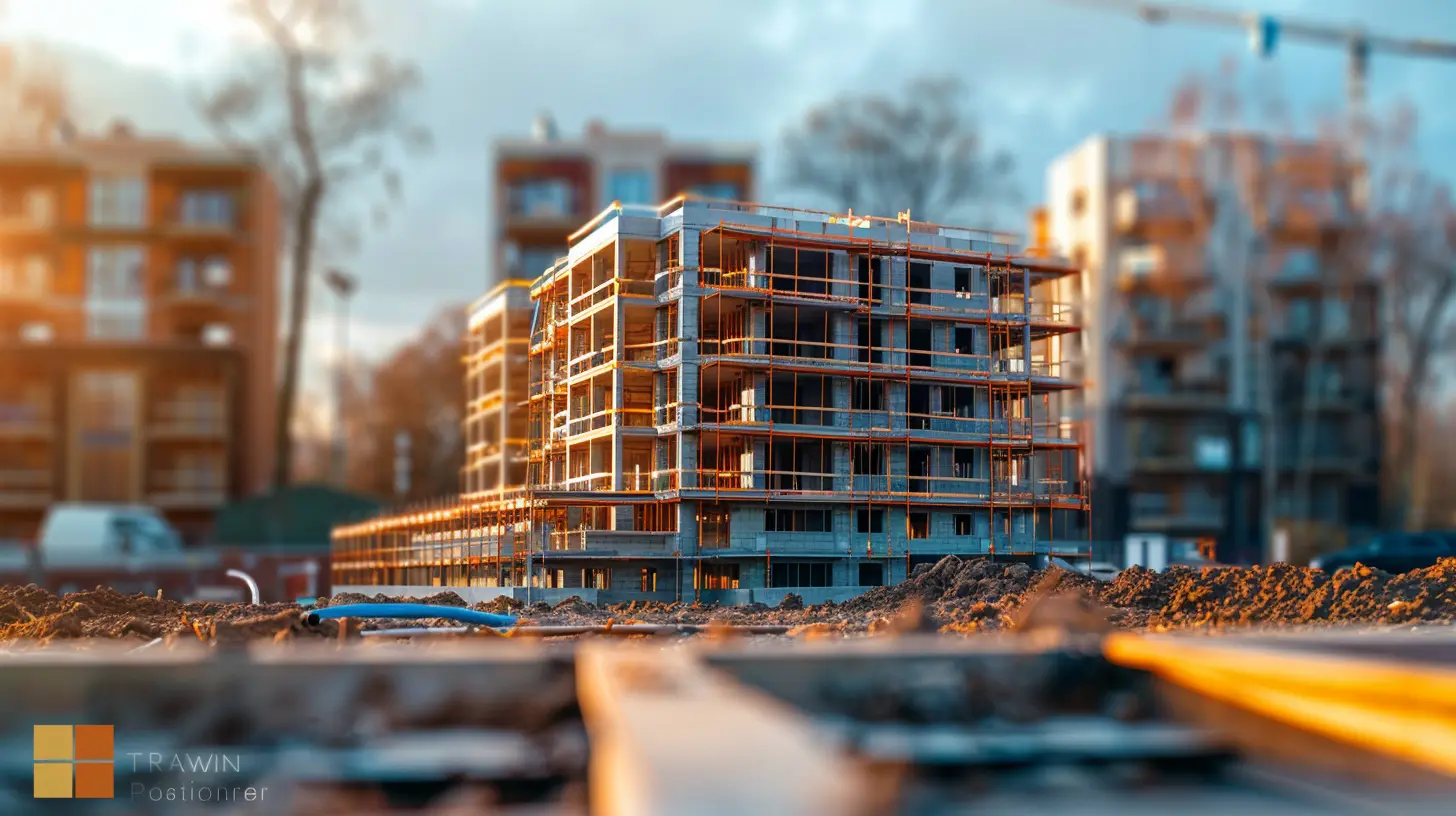
How Zoning Affects Infrastructure Planning
Beyond traffic, zoning plays a major role in shaping roads, utilities, and public services. Poorly planned zoning can strain infrastructure, while smart zoning ensures that growth happens in a sustainable way.1. Road Networks and Public Transportation
Zoning policies influence how roads are developed. High-density zoning in an area without sufficient road access creates bottlenecks, while mixed-use zoning encourages walkability and public transit use.Cities that prioritize transit-oriented zoning—where developments are built around train stations or bus hubs—tend to have more efficient transportation systems. This reduces car dependency, eases traffic congestion, and lowers emissions.
2. Utility Services and Capacity Demand
Infrastructure isn’t just about roads. It also includes water, electricity, sewage, and internet services. When zoning allows for rapid development without proper planning, utilities can become strained.For example, a zoning change that permits high-rise apartments in an area originally planned for single-family homes can overwhelm water and sewage systems. Without necessary upgrades, residents might experience frequent outages or poor service reliability.
3. Emergency Services Response Times
Ever wondered why some neighborhoods have faster emergency response times than others? Zoning plays a role.If commercial and residential developments are spread too far apart, police and fire stations might not be able to adequately service all areas. Urban sprawl—where development is spread over large areas—can stretch emergency services too thin, leading to slower response times.

The Real Estate Perspective
For real estate investors and developers, zoning is both an opportunity and a challenge. A well-zoned area with strong infrastructure can attract buyers and businesses, while poorly zoned regions can deter investment.1. Property Values and Demand
Good zoning policies can drive up property values. Mixed-use developments, efficient transportation options, and well-maintained infrastructure make neighborhoods more desirable.On the flip side, poor zoning can lead to declining property values. If an area is plagued by traffic congestion or lacks basic utilities, people will be less inclined to buy or rent property there.
2. Development Challenges and Opportunities
Zoning regulations can either support or hinder development projects. Too many restrictions can make it difficult to build, while too few can lead to overcrowding and infrastructural stress. Smart developers look for areas where zoning laws strike the right balance between growth and sustainability.3. Transit-Oriented Development (TOD)
A major trend in real estate is transit-oriented development (TOD). This concept focuses on building communities around public transportation hubs, making it easier for residents to live without depending on cars. TODs tend to have high property values, low vacancy rates, and strong demand.Possible Solutions: Smarter Zoning for Better Cities
Given the direct connection between zoning, traffic, and infrastructure, how can cities improve?1. Encourage Mixed-Use Development
Rather than separating homes, businesses, and entertainment spots, cities should embrace mixed-use zoning to reduce traffic congestion and make communities more walkable.2. Invest in Public Transit Infrastructure
When cities plan high-density developments, they need to invest in reliable public transit. Expanding bus routes, rail lines, and bike lanes can help reduce car dependency.3. Adopt Flexible Zoning Regulations
Outdated zoning laws can stifle development. Implementing adaptive zoning policies allows cities to adjust based on changing population needs and economic conditions.4. Prioritize Infrastructure Before Development
Rather than approving large developments and worrying about roads and utilities later, cities should ensure infrastructure is in place beforehand. This prevents unnecessary congestion and service disruptions.5. Use Data-Driven Planning
Smart cities use technology to analyze traffic patterns, infrastructure stress points, and zoning effectiveness. By leveraging data, urban planners can make informed zoning decisions.
Final Thoughts
Zoning isn’t just a bureaucratic exercise—it’s the blueprint that shapes our daily lives. The way cities structure their zoning policies directly impacts traffic congestion, infrastructure efficiency, and real estate values.Poor zoning can lead to gridlocked streets and overburdened public services, while smart zoning fosters vibrant, accessible, and well-connected communities. As cities continue to grow, adopting forward-thinking zoning practices will be essential for a sustainable and efficient future.
all images in this post were generated using AI tools
Category:
Zoning RegulationsAuthor:

Travis Lozano