The Economic Ripple of Rising Housing Prices Through 2026
7 October 2026
When home prices climb, the conversation usually stays narrow. Sellers celebrate. Buyers grimace. A few headlines note that affordability is stretched. Then everyone moves on. That narrow framing misses what is actually happening. Housing is not just a place to live. It is collateral, a wage substitute, a tax base, a retirement plan, and a driver of consumer confidence all at once. When its price moves, the effects radiate outward through the entire economy, often in ways that take years to fully surface.
Through 2026, this ripple matters more than most people realize. We are in an unusual stretch where prices in many markets have held firm or risen even as borrowing costs stayed elevated, inventory remained historically thin, and wage growth struggled to keep pace in real terms. That combination does not behave like a normal cycle. It creates a specific set of winners, losers, and second-order consequences that deserve a closer look.
This article walks through those consequences, from the household level up to national fiscal policy, and offers practical guidance for anyone trying to make decisions in this environment.
Why Housing Prices Are Not Just a Number
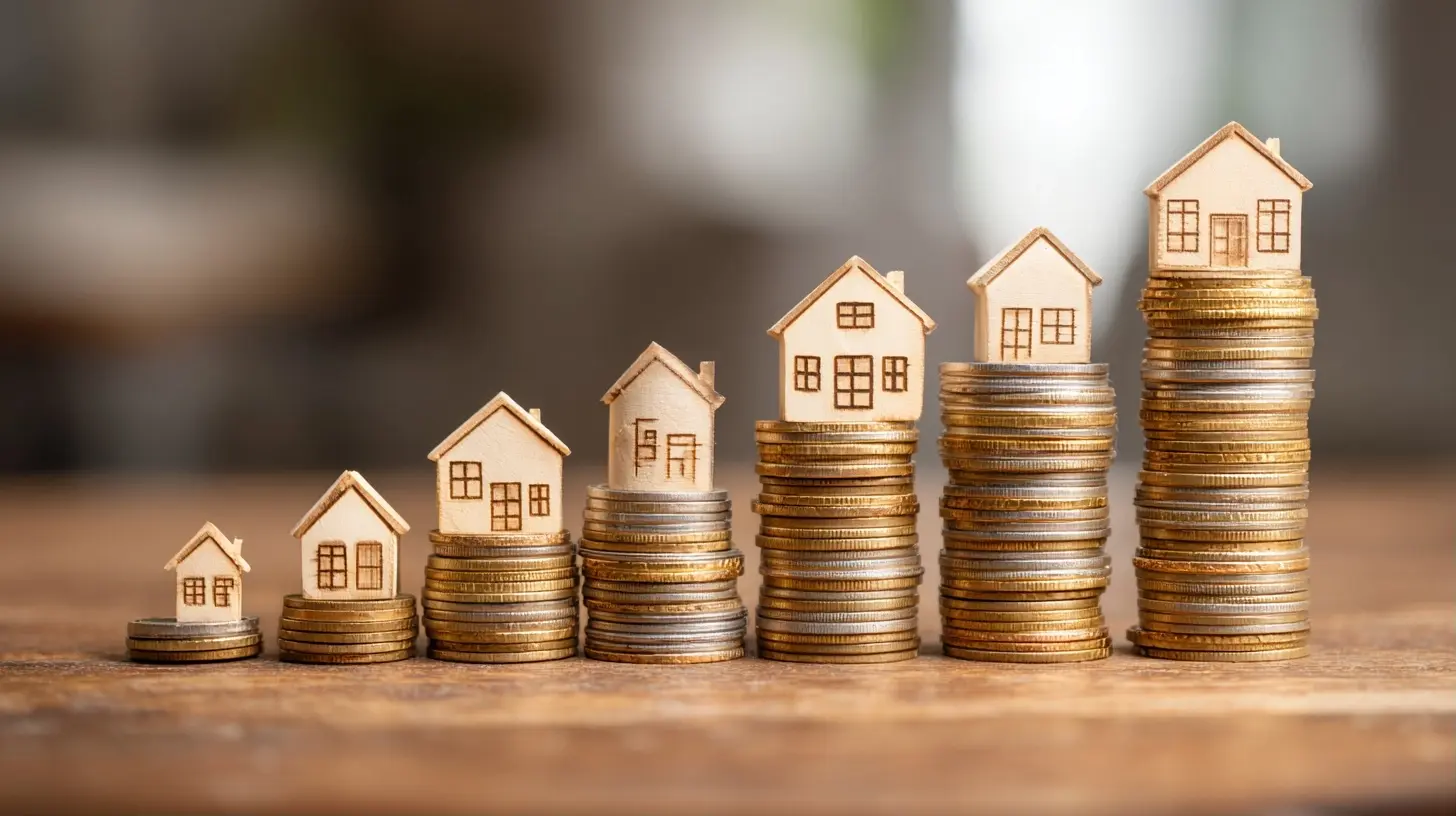
A home price is a signal, but it is also a mechanism. It determines what a family can borrow, what a local government can collect in property taxes, what a bank holds on its balance sheet, and what a retiree can extract from decades of ownership. Change the price, and you change all of those things at once.Consider a simple example. A house that was worth 350,000 dollars in 2020 and is worth 500,000 dollars in 2026 has not just made its owner 150,000 dollars richer on paper. It has changed:
- The owner's borrowing capacity, because home equity lines of credit scale with appraised value.
- The property tax bill, which funds schools, roads, and emergency services.
- The owner's sense of financial security, which affects spending even if no cash changes hands.
- The cost of any future move, because the next house has also risen.
None of these effects happen in isolation. Each one feeds the next. That is the ripple.

The Wealth Effect and Its Limits
Economists talk about the "wealth effect," the idea that when asset values rise, people spend more because they feel richer. Housing is the largest asset most households will ever own, so this effect is powerful. But it is also misunderstood.The wealth effect from housing is real, but it is uneven and often overstated in the short run. A homeowner whose house appreciated by 100,000 dollars does not typically rush out and spend 100,000 dollars. They might renovate a kitchen. They might feel comfortable replacing a car. They might stop worrying so much about a layoff. Those small decisions, multiplied across millions of households, add up to meaningful economic activity.
The catch is that this spending is not free. It is often financed by debt. Home equity lines of credit, cash-out refinances, and higher credit card balances all tend to rise when home values climb. That works fine as long as prices keep rising or at least hold steady. It becomes a problem when they do not.
When the Wealth Effect Turns Negative
If prices flatten or fall, the same mechanism runs in reverse. Homeowners who borrowed against equity find themselves underwater or close to it. They cut spending. They delay moves. They stop listing their homes, which tightens inventory and can paradoxically keep prices from falling as fast as they otherwise would.This is one reason housing markets are so sticky. They do not crash the way stock markets do. They grind. A slow decline can last years and quietly reshape local economies long before national statistics reflect it.
Renters, First-Time Buyers, and the Affordability Squeeze
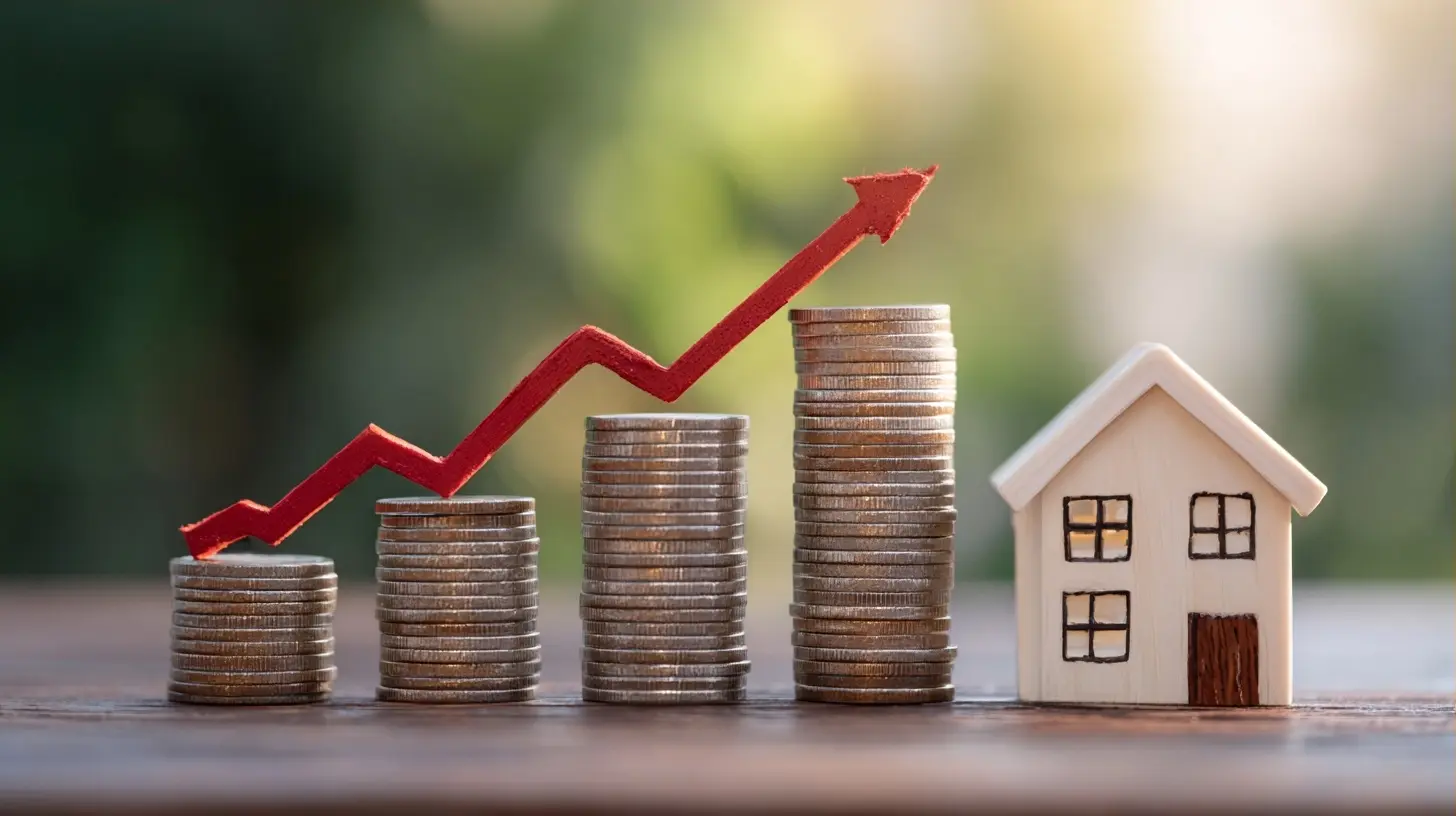
The most obvious casualty of rising home prices is the first-time buyer. But the story is more complicated than "prices are too high."When home prices rise faster than incomes, several things happen at once:
1. Down payments become harder to save, because rent is also rising.
2. Monthly payments stretch further, especially with higher interest rates.
3. Buyers who can qualify end up with less house than they expected.
4. Some buyers delay purchases, which increases rental demand.
5. Increased rental demand pushes rents higher, which makes saving even harder.
That loop is the core affordability trap. It is not just that homes cost more. It is that the path to affording one keeps getting longer.
Why Renters Are Not Simply "Waiting It Out"
A common misconception is that renters are just temporarily priced out and will buy when things calm down. In many markets through 2026, that assumption is shaky. If rents keep climbing and wages do not, the gap between what a renter can save and what a down payment requires can actually widen, not narrow.This is where the ripple becomes generational. Households that would have bought in their late twenties or early thirties are still renting in their late thirties. That delay affects family formation, labor mobility, and long-term wealth accumulation. It also changes what kinds of housing get built, because developers respond to demand, and demand is increasingly concentrated in rental product.
The Construction Response and Why It Lags
In theory, rising prices should trigger more construction. Higher prices mean higher potential profits, which should attract builders. In practice, the response is slow and uneven.Several forces get in the way:
- Land costs. As prices rise, so does the cost of the land beneath the house.
- Labor shortages. Skilled trades are in short supply in many regions.
- Material costs. Supply chains have become more resilient but not immune to shocks.
- Regulation. Zoning, permitting, and impact fees vary wildly by jurisdiction.
- Financing. Builders need capital, and higher rates make that capital more expensive.
The result is that supply rarely catches up quickly. It can take years for a surge in prices to translate into a meaningful increase in completions. By the time it does, the market may have shifted.
The Misconception About "Just Build More"
"Just build more homes" is a popular refrain, and it is directionally correct. But it oversimplifies a real problem. Building more in the wrong places, at the wrong price points, or with the wrong timelines does not solve affordability. It can even make things worse by encouraging sprawl, straining infrastructure, and creating long commutes that erase the savings from cheaper housing.The useful question is not "are we building enough?" It is "are we building the right homes, in the right places, at the right prices, and fast enough to matter?" That is a much harder question, and it is why housing policy is so difficult.
Local Government Finance and the Property Tax Feedback Loop
Cities and counties rely heavily on property taxes. When home values rise, so does the tax base, at least in the short term. That sounds like good news for local budgets, and often it is. But it comes with complications.First, assessment lags mean that rising values do not show up in revenue immediately. Second, many jurisdictions have caps or exemptions that limit how much taxes can rise, which protects homeowners but also limits the windfall. Third, and most importantly, rising home values can push long-time residents, especially seniors on fixed incomes, into tax bills they cannot afford.
That last point is the quiet crisis inside the housing boom. A homeowner who bought thirty years ago and has a modest pension can be "house rich and cash poor." Their home is worth a fortune on paper, but their income has not changed. Rising property taxes, insurance, and maintenance costs can force them to sell, which disrupts communities and can push older residents out of neighborhoods they have lived in for decades.
Why This Matters Beyond the Household
When long-time residents sell, the character of a neighborhood shifts. Schools change. Local businesses lose loyal customers. The tax base becomes more volatile because new owners may be more mobile. None of this shows up in a headline about median home prices, but it is part of the ripple.
The Labor Market Connection
Housing prices and labor markets are tightly linked, but not in the way most people assume. It is not simply that expensive cities have better jobs. It is that housing costs shape where workers can afford to live, which shapes where businesses can find talent, which shapes where they expand.In regions where housing is extremely expensive, employers face a hidden tax. They must pay enough for workers to afford housing, or they must accept long commutes and higher turnover. Some respond by relocating. Others automate. Others simply grow more slowly.
This is one reason housing policy is increasingly treated as economic development policy. A region that cannot house its workforce cannot grow, no matter how attractive its jobs are.
The Remote Work Wildcard
Remote work has complicated this picture. Workers who can do their jobs from anywhere have more freedom to choose where they live, which has pushed demand into smaller cities and rural areas. That has raised prices in places that were previously affordable, sometimes dramatically.Whether this trend continues through 2026 depends on factors that are hard to predict: how employers handle return-to-office policies, how reliable broadband becomes in rural areas, and how workers weigh lifestyle against career advancement. What is clear is that the old assumption, that housing demand is tied tightly to job centers, is no longer reliable.
Interest Rates, Affordability, and the Payment Shock
Home prices get most of the attention, but the monthly payment is what actually matters to buyers. A 400,000 dollar loan at 3 percent costs roughly 1,686 dollars per month before taxes and insurance. The same loan at 7 percent costs about 2,661 dollars. That is a difference of nearly 1,000 dollars per month, and it has nothing to do with the price of the house.This is why rising rates and rising prices together create a double squeeze. Buyers who could have qualified two years ago may not qualify now, even if their income has grown. Sellers who locked in low rates are reluctant to move, which reduces inventory, which keeps prices higher than they would otherwise be.
The Lock-In Effect and Its Consequences
The "lock-in effect" is a real and measurable phenomenon. Homeowners with mortgages at 3 or 4 percent are far less likely to sell than homeowners with mortgages at 6 or 7 percent, because selling means giving up a cheap loan and taking on an expensive one. This reduces the supply of existing homes for sale, which pushes buyers toward new construction, which is often more expensive and located further out.The lock-in effect is not permanent. Over time, life events, job changes, and family needs force people to move regardless of their mortgage rate. But it can persist for years, and it can distort the market in ways that are easy to miss if you only look at median prices.
What This Means for Different Groups Through 2026
The ripple does not hit everyone the same way. Here is how different groups are likely to experience rising housing prices through 2026.Existing Homeowners With Low-Rate Mortgages
This group is in the strongest position. Their housing costs are fixed, their equity is growing, and they have options. The main risk is complacency. Homeowners who treat rising prices as a reason to borrow heavily against equity can find themselves overextended if prices stall or if their income changes.First-Time Buyers
This group faces the hardest path. Higher prices, higher rates, and competition from cash buyers make it difficult to break in. The most practical strategies are often unglamorous: buying in a less expensive market, using first-time buyer programs, or accepting a smaller or older home than originally planned.Renters
Renters are caught in the affordability loop described earlier. The best defense is to keep housing costs below 30 percent of income, build savings aggressively, and avoid taking on debt that could interfere with a future mortgage application.Retirees and Fixed-Income Households
Retirees who own their homes outright are often asset-rich but cash-poor. Rising property taxes, insurance, and maintenance costs can strain budgets. Options include downsizing, reverse mortgages, or property tax deferral programs where available. Each has trade-offs that should be evaluated carefully.Small Landlords and Investors
Rising prices can be a boon for landlords, but they also raise acquisition costs, insurance premiums, and property taxes. The math on rental properties has gotten tighter in many markets. Investors who bought years ago at low prices are in good shape. Those trying to enter now face yields that may not justify the risk.Practical Guidance for Navigating the Next Few Years
If you are trying to make housing decisions through 2026, here are some principles that hold up regardless of which way prices go.Focus on the payment, not the price. A house is affordable if you can comfortably cover the monthly cost, including taxes, insurance, maintenance, and any HOA fees. A lower price with a higher rate can cost more per month than a higher price with a lower rate.
Stress-test your budget. Assume your payment could rise, your income could fall, or a major repair could hit in the first year. If you cannot absorb those shocks, you are buying too close to the edge.
Do not treat equity as income. Home equity is real, but it is illiquid and it can disappear. Borrowing against it for consumption is one of the most common ways homeowners get into trouble.
Understand your local market. National statistics are almost useless for individual decisions. Prices, inventory, rents, and taxes vary enormously by city, neighborhood, and even street. Do your own research or work with someone who knows the area well.
Be honest about timelines. If you plan to stay for at least five to seven years, buying usually makes sense. If you might move sooner, renting is often the better financial choice, even if it feels like throwing money away.
Avoid the fear of missing out. Rising prices create urgency, and urgency leads to bad decisions. There will always be another house. There will not always be another chance to avoid a mortgage you cannot afford.
Common Mistakes and Misconceptions
A few beliefs about housing prices are so widespread that they deserve direct correction."Housing always goes up." It does not. Prices can fall, and they can stay flat for years. Markets that rose fastest often correct hardest.
"Renting is throwing money away." Renting buys flexibility, mobility, and freedom from maintenance costs. In many markets, renting and investing the difference outperforms buying over short horizons.
"I can always refinance later." Refinancing depends on rates, equity, income, and credit. None of those are guaranteed to be favorable when you need them.
"Prices will crash, so I will wait." Timing the housing market is extremely difficult. Waiting can mean paying more later, or missing a market that never drops as much as expected.
"More construction will fix affordability." Construction helps, but it takes years to matter, and it only works if the homes built match the demand that exists.
The Bigger Picture
Rising housing prices are not a single event. They are a slow, compounding force that reshapes household balance sheets, local budgets, labor markets, and generational wealth. Through 2026, the most important thing to understand is that the ripple is not uniform. It lifts some people and drags on others, often in the same city, sometimes on the same block.The homeowners who benefit most are those who bought early, financed conservatively, and stayed put. The people who struggle most are those trying to enter the market without existing equity, especially renters and first-time buyers. In between is everyone else, making decisions with incomplete information and hoping the math works out.
There is no perfect strategy. There is only the strategy that fits your income, your timeline, your risk tolerance, and your life. The better you understand how housing prices ripple through the economy, the better equipped you will be to make choices you can live with, whether prices rise, fall, or simply stay stubbornly high.
all images in this post were generated using AI tools
Category:
Rising Home PricesAuthor:

Travis Lozano