What First-Time Buyers Should Expect from the Market in 2027
25 September 2026
If you are planning to buy your first home in 2027, congratulations. You have picked a year that nobody can fully predict, which is either exciting or terrifying depending on how much you enjoy uncertainty. The good news is that you do not need a crystal ball. You need a realistic framework, a few honest conversations, and a tolerance for paperwork that would make a tax accountant weep.
This article is not going to promise you a crash, a boom, or a secret hack that lets you buy a house for the price of a used sedan. Instead, it will walk you through what the market will likely feel like in 2027, why it will feel that way, and how to prepare so you are not the person who bursts into tears at the closing table. That happens more often than anyone admits.
The Big Picture: A Market That Refuses to Be Simple
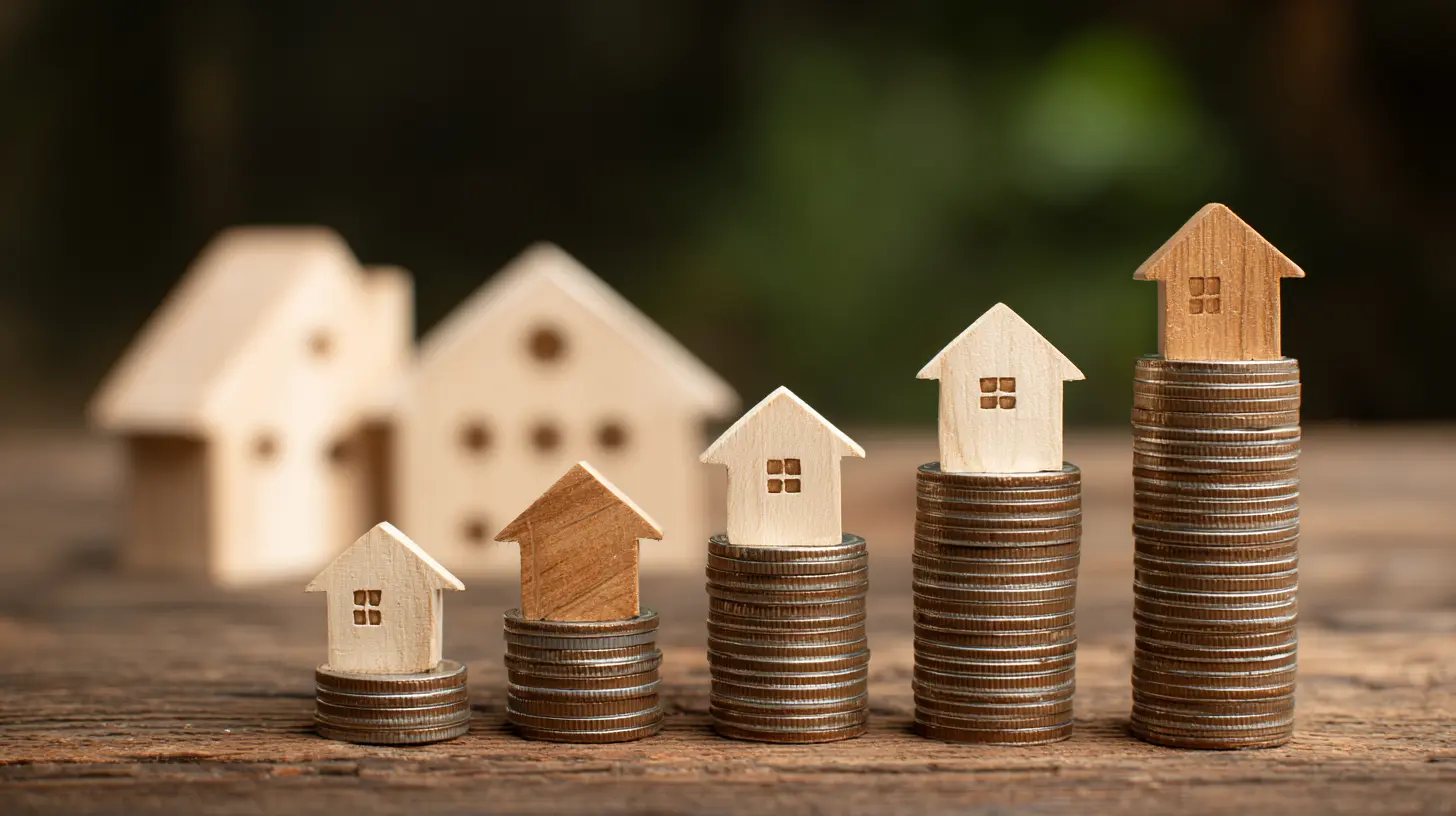
By 2027, the housing market will probably sit somewhere between "normal" and "weird," which is basically its permanent address. The wild swings of the early 2020s will be further in the rearview mirror, but the scars will remain. Builders will still be playing catch-up. Many existing homeowners will still be sitting on mortgage rates far below anything available to you. And a whole generation of renters will still be trying to figure out how to save a down payment while their rent eats 40 percent of their paycheck.Here is the part nobody tells you. The market does not care about your timeline. It does not care that you got engaged, that your lease ends in June, or that your landlord just raised rent again. It moves on its own schedule, driven by interest rates, inventory, wages, migration patterns, and the collective mood of millions of people making the biggest financial decision of their lives. Your job is not to outsmart it. Your job is to understand it well enough to make a good decision inside it.
Why 2027 Will Not Look Like 2021
In 2021, buyers were waiving inspections, offering six figures over asking, and writing love letters to sellers like they were applying to college. That was a market fueled by historically low mortgage rates and a sudden demand for space. By 2027, that frenzy will be a memory, but not a distant one. Rates will likely be higher than the 3 percent era, though where exactly they land depends on inflation, Federal Reserve policy, and global economic conditions that no one can forecast with confidence.What does that mean for you? It means the market will probably be less competitive than the peak, but not easy. You will still face competition, especially in desirable neighborhoods, good school districts, and any city where jobs are growing faster than homes are being built. The difference is that you may have more room to negotiate, more time to think, and fewer sellers expecting you to grovel.
The Inventory Problem Will Not Magically Disappear
Here is a hard truth. The United States has underbuilt housing for years. Estimates vary, but most analysts agree the shortage is in the millions of units. That gap does not close overnight. In 2027, you will still see limited inventory in many markets, especially entry-level homes. Builders tend to focus on higher-priced homes because the margins are better, which leaves first-time buyers competing for a smaller slice of the pie.This matters because first-time buyers are usually price-sensitive. You are not shopping for a custom build with a wine cellar. You are looking for something affordable, livable, and not located next to a sewage treatment plant. That segment of the market will remain tight, and you should plan accordingly.

Mortgage Rates: The Number That Rules Your Life
Let us talk about the thing that keeps first-time buyers up at night. Mortgage rates. In 2027, rates will depend on a mix of factors, including inflation, the Federal Reserve's decisions, and the bond market's mood swings. Nobody can tell you the exact number, and anyone who claims they can is either selling something or guessing.What you can do is prepare for a range. If rates are in the 5 to 7 percent range, that is roughly in line with historical averages before the ultra-low era. If they are lower, great. If they are higher, you will need to adjust your budget. The mistake many first-time buyers make is waiting for the perfect rate. That is like waiting for the perfect weather to plant a garden. You will miss the season.
Why Waiting for Lower Rates Can Backfire
Here is the counterintuitive part. If rates drop significantly, more buyers enter the market. That increases competition, which drives prices up. So you might get a lower rate but pay more for the house. The monthly payment could end up similar, or even higher. This is not a reason to buy at any rate. It is a reason to stop treating the rate as the only variable.A better approach is to get pre-approved early, understand what monthly payment you can genuinely afford, and then decide whether the total cost makes sense. If rates drop after you buy, you can refinance. If they rise, you will be glad you locked in.
The Refinance Trap
Refinancing sounds simple. You get a lower rate, your payment goes down, everyone is happy. In practice, refinancing costs money. There are closing costs, appraisal fees, and paperwork. If you plan to stay in the home for several years, it can be worth it. If you might move in two years, the math often does not work.First-time buyers in 2027 should think of refinancing as a possibility, not a plan. Do not stretch your budget today because you assume you will refinance tomorrow. Buy something you can afford at the rate you have, and treat any future refinance as a bonus.
Down Payments: The Myth of 20 Percent
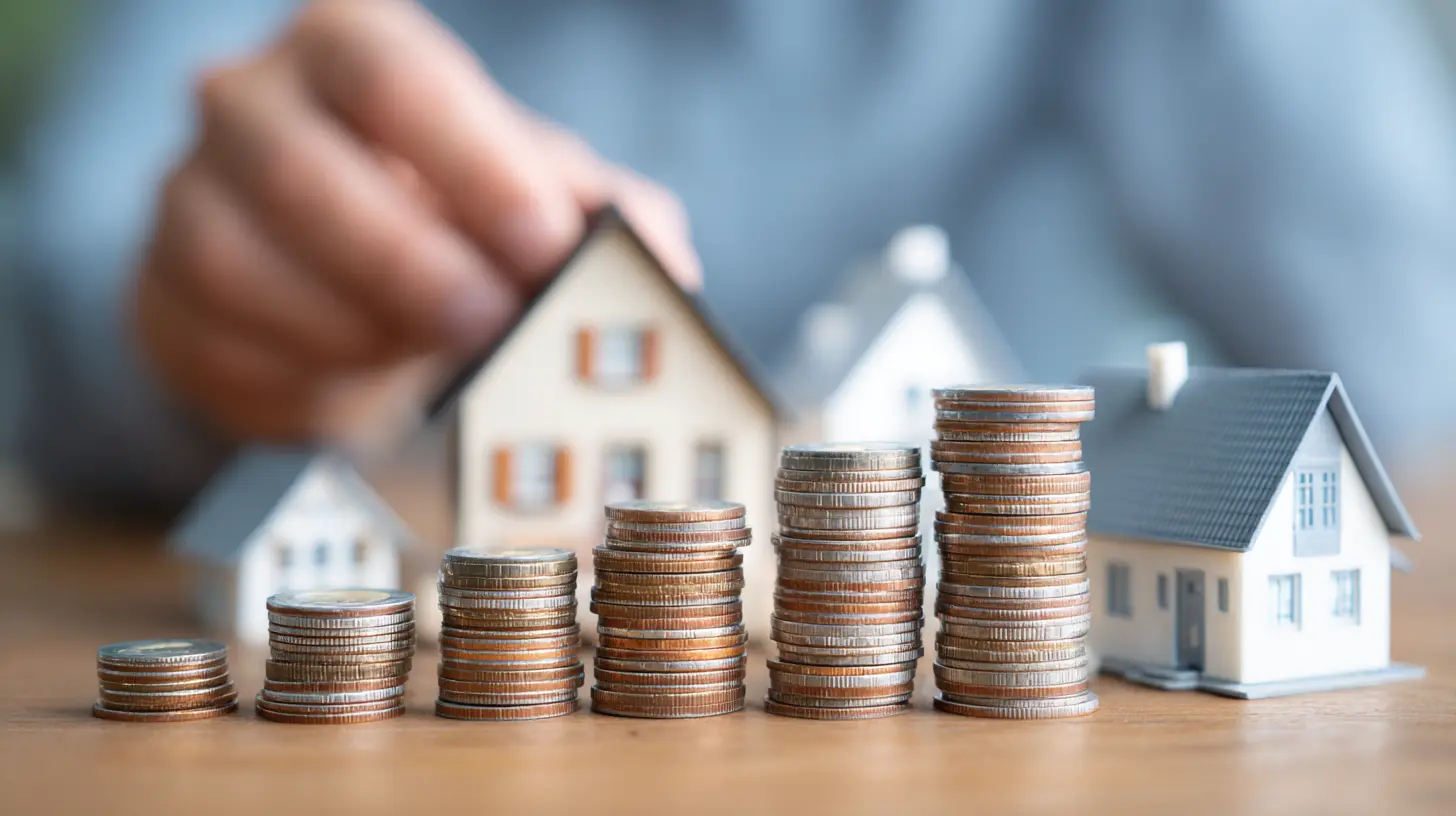
The 20 percent down payment is one of the most persistent myths in real estate. Yes, it helps you avoid private mortgage insurance and can get you a better rate. No, it is not required for most loans. In 2027, you will still have access to conventional loans with 3 to 5 percent down, FHA loans with 3.5 percent down, and VA loans with zero down for eligible veterans and service members.The real question is not whether you can buy with less than 20 percent down. It is whether you should. A smaller down payment means a larger loan, which means higher monthly payments and more interest over time. It also means you have less equity, which matters if the market dips or you need to sell quickly.
When a Low Down Payment Makes Sense
A low down payment can be a smart move if it gets you into a home years earlier than you otherwise could, especially if rents are rising faster than your savings. It can also make sense if you have stable income, a healthy emergency fund, and a plan to stay in the home for at least five years. The key is to run the numbers, not just the vibes.What you should avoid is draining your savings to the last dollar. Buying a house with no cash reserves is like buying a car with no spare tire and no roadside assistance. The moment something goes wrong, and it will, you are stuck.

Location: The Decision You Cannot Undo
You can change your paint, your furniture, and even your mortgage rate. You cannot change your location. In 2027, location will matter more than ever, because remote work has reshaped where people want to live. Some cities have seen prices cool as workers moved away. Others have seen prices climb as people flocked in.First-time buyers often make the mistake of prioritizing the house over the neighborhood. That charming fixer-upper on a busy road might look like a bargain, but you will hear every truck that passes. The tiny condo in the perfect walkable neighborhood might feel cramped, but you can walk to coffee, restaurants, and transit. These trade-offs are personal, but they are worth thinking through before you fall in love with a listing.
The School District Question
If you do not have children, you might think school districts do not matter. They do. Homes in good school districts tend to hold value better and sell faster. Even if you never set foot in a classroom, you benefit from the demand. That said, you will pay a premium for it. If the premium is out of reach, look for up-and-coming areas where schools are improving. That is where you can find value without sacrificing long-term appreciation.The Emotional Rollercoaster Nobody Warns You About
Buying your first home is emotional. You will fall in love with a house and lose it to a higher offer. You will second-guess every decision. You will wonder if you are making a huge mistake. This is normal. It does not mean you are doing it wrong.The best defense is a clear plan. Know your budget. Know your must-haves and your nice-to-haves. Know when to walk away. If a house needs major repairs you cannot afford, walk away. If the seller is unreasonable, walk away. There will be other houses. There always are.
Common Mistakes First-Time Buyers Make in a Market Like 2027
Let us run through the greatest hits, because avoiding these will save you money, time, and sanity.- Skipping the home inspection to win a bidding war. This is almost always a bad idea. You are buying a house, not a lottery ticket.
- Stretching your budget to the max. Lenders will approve you for more than you should spend. Do not take that as permission.
- Forgetting about closing costs. They typically run 2 to 5 percent of the purchase price. Budget for them.
- Ignoring maintenance costs. A house is not an apartment. Things break. You pay for them.
- Assuming the market will crash. It might. It might not. Do not bet your future on a prediction.
- Buying with someone you are not married to without legal advice. It happens. Get a lawyer.
A Realistic Timeline for 2027 Buyers
If you want to buy in 2027, start now. Not tomorrow. Now. Here is a rough timeline that works for most people.- Twelve months out: Check your credit. Pay down debt. Save aggressively.
- Nine months out: Talk to a lender. Get pre-approved. Understand your budget.
- Six months out: Start browsing listings. Go to open houses. Learn your market.
- Three months out: Get serious. Make offers. Be ready to move quickly.
- One month out: Finalize your loan. Schedule the inspection. Prepare for closing.
This timeline is not rigid. Some people buy in six weeks. Some take two years. The point is to give yourself room to make mistakes without losing the house of your dreams.
The Bottom Line
The 2027 market will not be easy, but it will not be impossible. It will reward preparation, patience, and honesty about what you can afford. It will punish impulsiveness, overconfidence, and anyone who thinks they can time the market perfectly.Buying your first home is a big deal. It is also just a decision. A big, expensive, life-altering decision, but a decision nonetheless. Do your homework. Ask hard questions. Trust your gut when something feels off. And remember that the perfect house does not exist. The right house does.
all images in this post were generated using AI tools
Category:
Housing Market TrendsAuthor:

Travis Lozano