The Benefits of Using Bio-Based Insulation in Green Building
27 February 2026
So, you're thinking about going green with your next building project? That’s fantastic—you’ll be saving the planet while keeping your home cozy! But have you ever stopped to think about what’s inside your walls? Nope, not creepy crawlies (hopefully), but the insulation!
Most traditional insulation materials are about as eco-friendly as a gas-guzzling SUV. Enter bio-based insulation—a game changer for sustainability AND your wallet. Intrigued? Keep reading to find out why this is the upgrade your home never knew it needed.
What Is Bio-Based Insulation, Anyway?
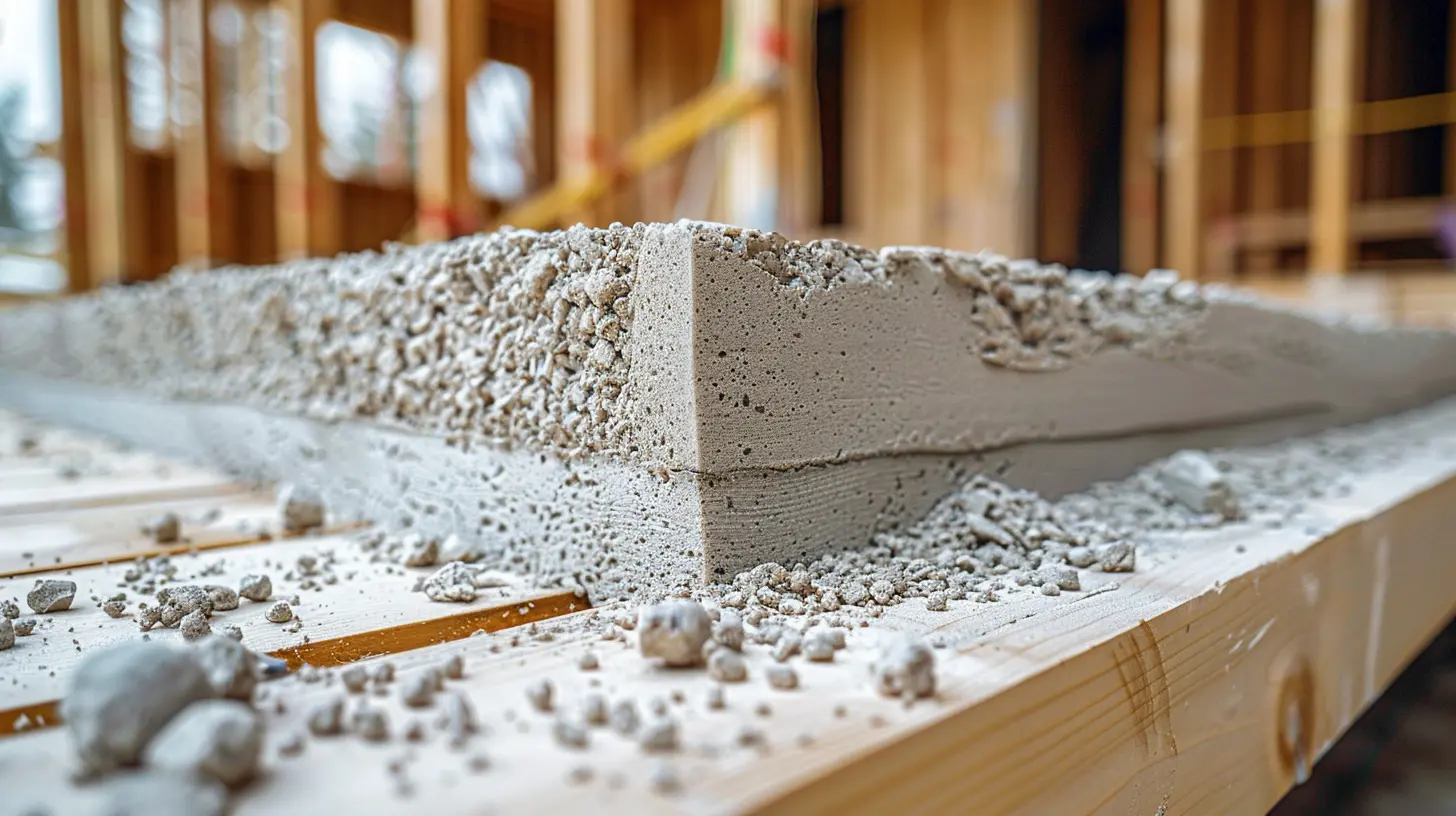
Bio-based insulation is a fancy way of saying "insulation made from natural, renewable sources." Unlike fiberglass or foam (which are derived from petroleum—yikes!), bio-based insulation comes from plant or animal fibers, such as:- Sheep’s wool
- Recycled cotton (old jeans, anyone?)
- Hemp
- Cork
- Cellulose (basically, treated recycled paper)
- Straw
Instead of stuffing your walls with synthetic fluff, these organic materials create a healthier, greener, and more sustainable home. So, let’s talk about why your future self will thank you for choosing bio-based insulation.
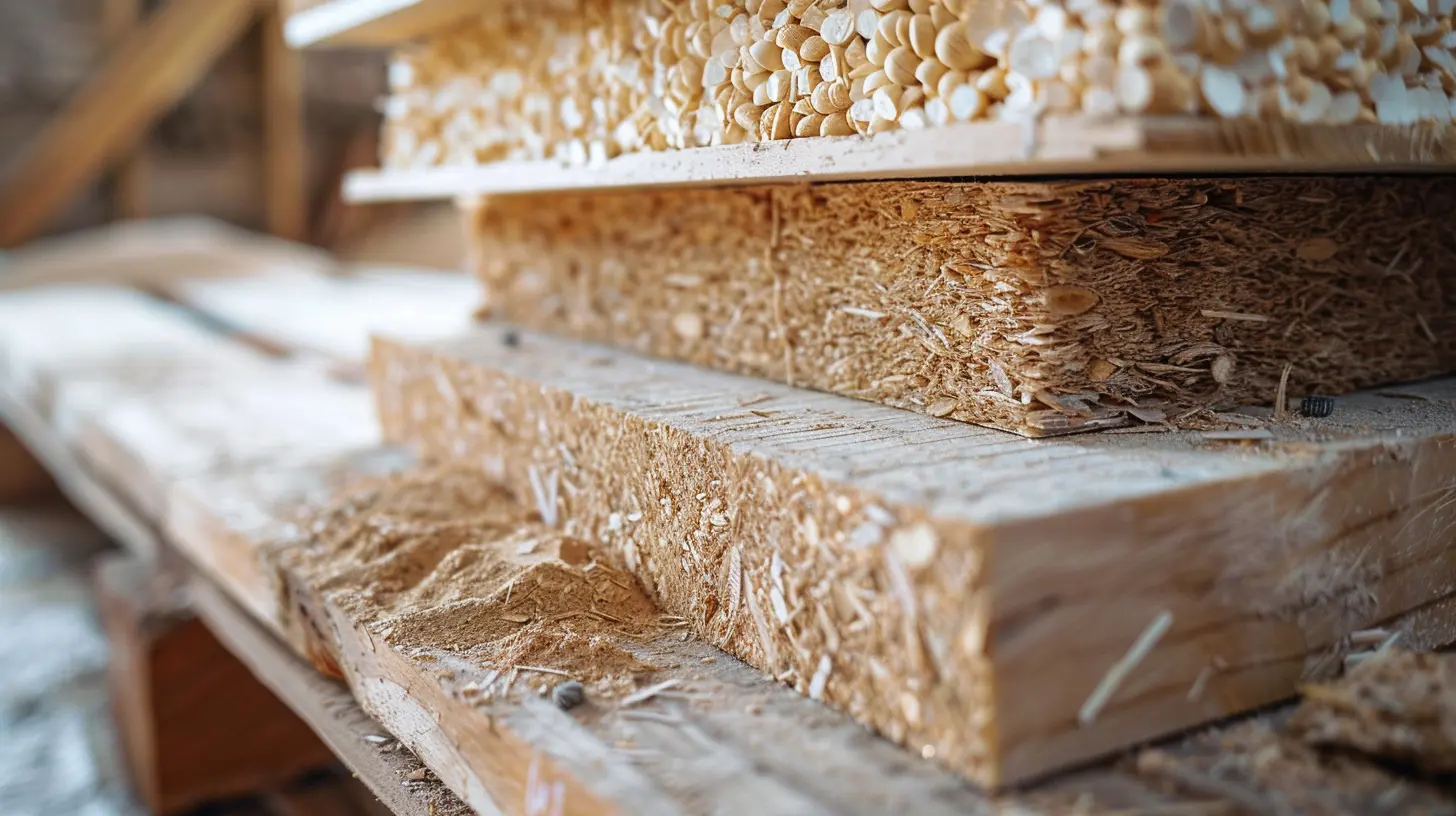
1. It’s Healthier for You and Your Family
Ever installed fiberglass insulation without gloves? It’s like handling a bag of tiny, angry needles. The tiny glass fibers can irritate your skin, eyes, and even lungs if you breathe them in.Bio-based insulation? None of that nonsense. No itching, no chemical off-gassing, and no potential health risks. Plus, it helps maintain better indoor air quality, meaning you’re not slowly poisoning yourself with volatile organic compounds (VOCs).
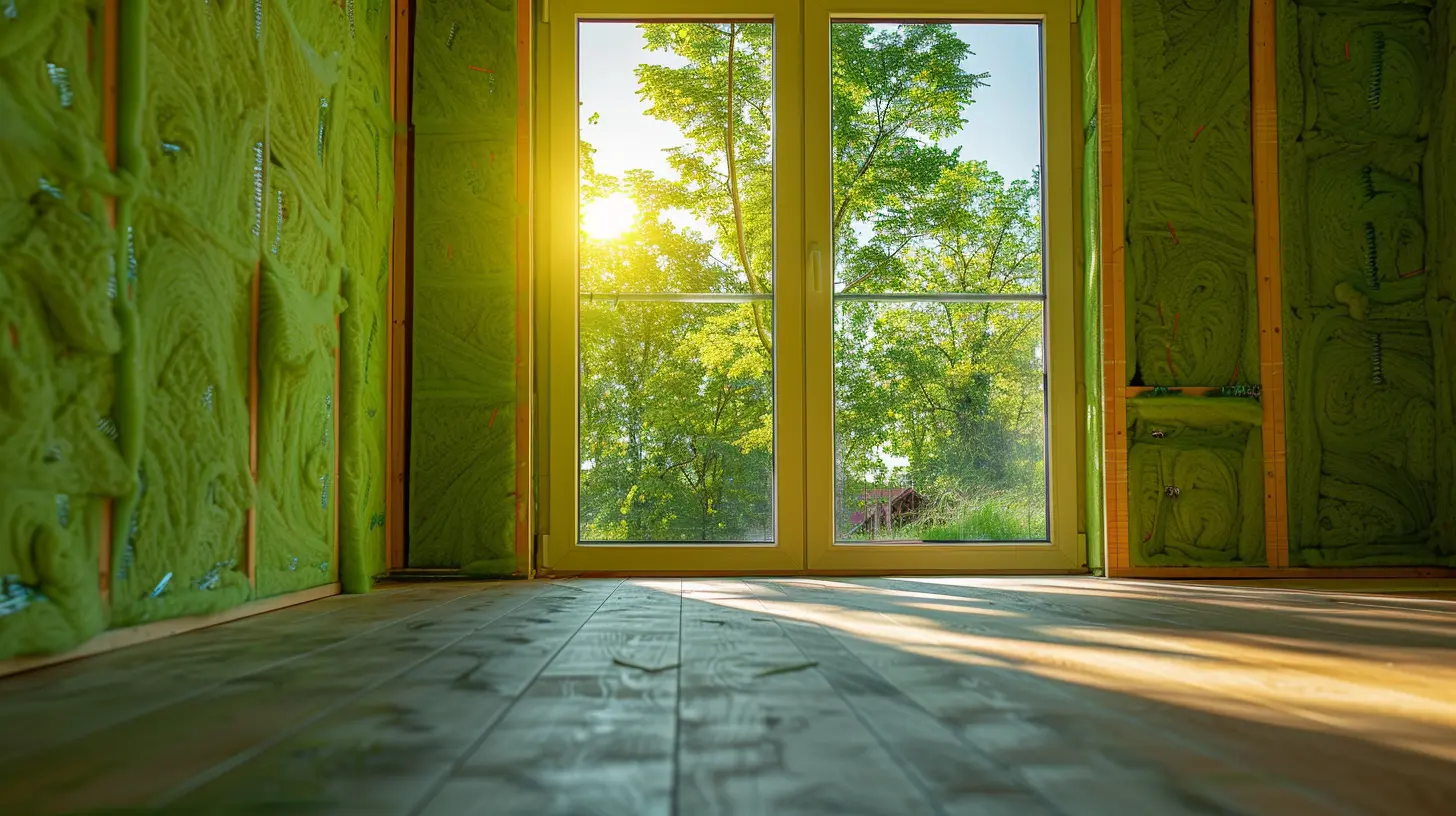
2. Mother Nature Will High-Five You
If your home had a carbon footprint, traditional insulation would be stomping around in size 15 boots. Manufacturing foam and fiberglass require a ton of energy and petroleum-based materials—meaning more CO₂ emissions.Bio-based insulation, on the other hand, is like a yoga-practicing, plant-eating eco-warrior. It’s made from renewable resources, has a low environmental impact, and some materials (like hemp) even absorb CO₂ while growing. Your walls could literally be fighting climate change.
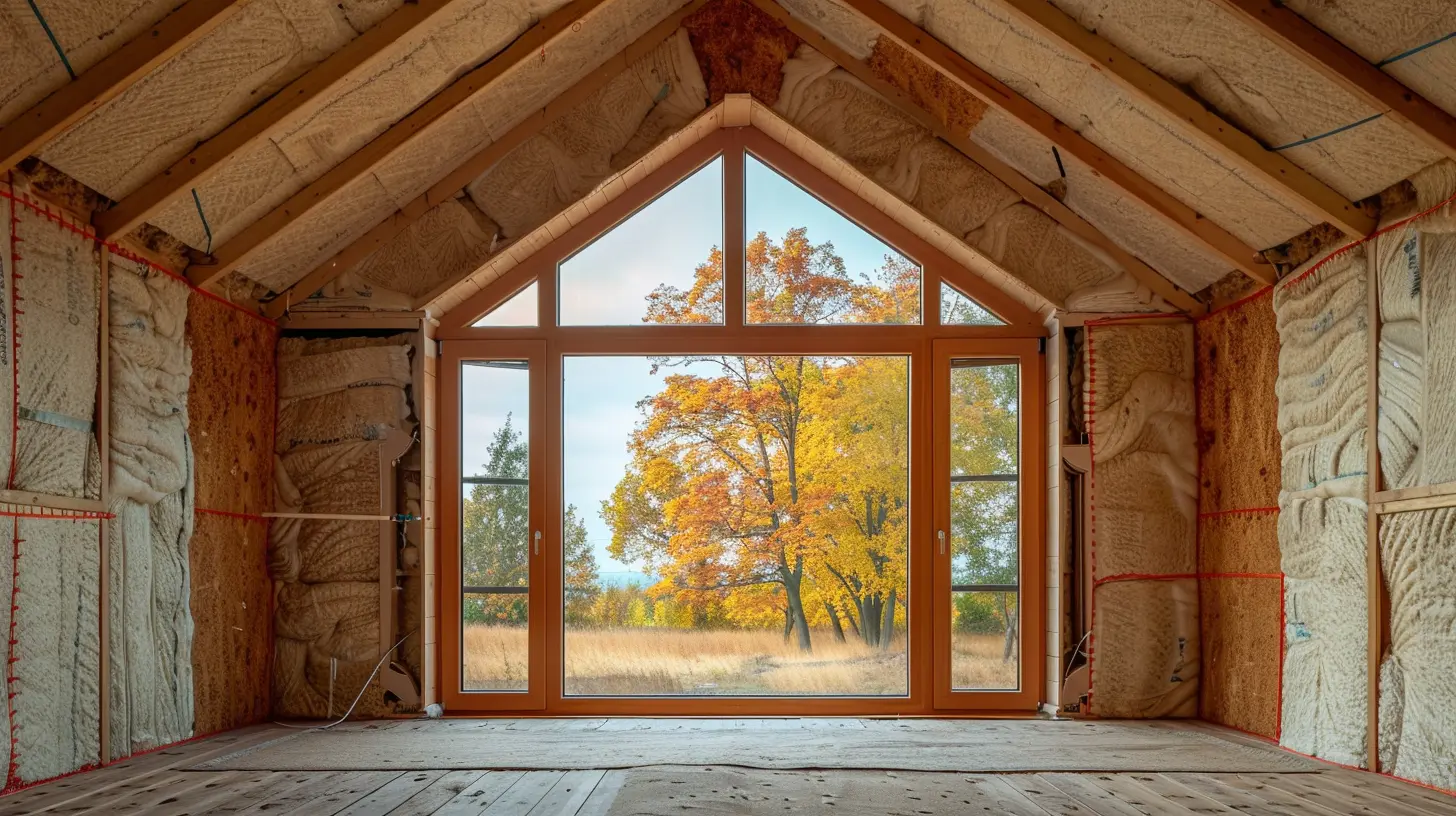
3. Say Goodbye to High Energy Bills
I don’t know about you, but I like my money where I can see it—not vanishing into endless heating and cooling costs. Bio-based insulation provides excellent thermal performance, keeping your home warm in the winter and cool in the summer.That means your HVAC system won’t have to work overtime, and your bank account won’t cry every time you get your utility bill. Win-win!
4. Better Moisture Management = No Moldy Nightmares
Mold is the uninvited guest that nobody wants. Traditional insulation materials can trap moisture, creating a breeding ground for mold and mildew. Yuck.Bio-based options—especially wool and hemp—actually help regulate moisture. Wool can absorb up to 30% of its weight in water without feeling damp. Basically, it breathes like a yogi, keeping your home mold-free and fresh.
5. It’s Surprisingly Durable (And Might Even Outlive You)
Think natural equals flimsy? Think again. Some bio-based materials, like cork and hemp, are ridiculously durable. In fact, hempcrete (a hemp-based building material) can last for hundreds of years.Yep, while your neighbors are replacing their insulation every couple of decades, yours will be standing strong. Get ready to be smug.
6. Noise? What Noise?
Ever wanted to drown out your neighbor’s late-night karaoke sessions? Bio-based insulation doesn’t just regulate temperature—it also acts as a fantastic sound barrier.Materials like sheep’s wool and cellulose absorb sound waves, meaning you won’t have to listen to every footstep, door slam, or off-key rendition of "Bohemian Rhapsody."
7. Reduced Waste = A Cleaner Planet
Choosing bio-based insulation means less waste ending up in landfills. Many bio-based materials are made from recycled content or are biodegradable.For example, cellulose insulation is made from old newspapers, giving them a second life instead of sending them straight to the dump. Your eco-karma just went up a notch.
8. It Can Be Fire-Resistant (Yes, Really!)
You might think, “Wait… isn’t stuffing my walls with plant-based materials a fire hazard?” Surprisingly, no. Many bio-based insulation materials are naturally fire-resistant or can be treated with non-toxic flame retardants.For example, wool has a natural high ignition point, meaning it’s much slower to catch fire than synthetic insulation. So, your home stays safer while still being planet-friendly.
9. It Supports Local and Sustainable Farming
Many bio-based insulation materials—like hemp and wool—are sourced from sustainable farms rather than giant factories spewing pollution.By using these materials, you’re not just helping the environment; you're also supporting local farmers and businesses. It’s like farm-to-table, but for your walls!
10. Easy-to-Install (AKA No Pain, All Gain)
If you’re a DIY enthusiast, installing bio-based insulation is about 10x easier (and less painful) than handling fiberglass. No special suits, no masks, and no feeling like you rolled in a bed of needles after.For example, wool insulation comes in easy-to-handle batts that you can simply cut and place. No special tools or PhD in insulation required.
The Future of Green Building is Bio-Based
If we’re serious about making our homes more sustainable, bio-based insulation is the way forward. It’s healthier, better for the environment, more energy-efficient, and even more durable than traditional options.So, next time you’re planning a renovation or building from scratch, ditch the synthetic and embrace the natural. Your home—and the planet—will thank you for it.
Final Thought:
Going green doesn’t have to be boring or expensive. Sometimes, the best solutions have been around for centuries—we just needed to rediscover them. So, why not build smarter, live greener, and stay comfy while you're at it?all images in this post were generated using AI tools
Category:
Building MaterialsAuthor:

Travis Lozano
Discussion
rate this article
2 comments
Kairoth McClintock
Who knew insulation could be so eco-friendly and fun? 🌱 Bio-based insulation isn't just saving the planet; it's making your home cozy and happy too! Time to cuddle up with Mother Nature while keeping those energy bills in check. Go green and stay warm! 🏡💚
March 14, 2026 at 3:28 AM
Travis Lozano
Absolutely! Bio-based insulation not only enhances comfort but also promotes sustainability. It's a win-win for both your home and the planet! 🌍💚
Kristina Conrad
Great insights on bio-based insulation! It's impressive how these materials not only enhance energy efficiency but also reduce environmental impact. As green building gains momentum, using sustainable insulation solutions becomes essential for creating healthier living spaces and lowering carbon footprints. Looking forward to more innovations in this area!
March 1, 2026 at 5:16 AM
Travis Lozano
Thank you for your insightful comment! I'm glad you found the benefits of bio-based insulation important. Exciting innovations are indeed on the horizon for sustainable building!