What Banks Don't Tell You About Buying Foreclosures
27 August 2026
If you've ever dreamt of scoring a house for a fraction of its market value, you've probably toyed with the idea of buying a foreclosure. It sounds like a dream—walking into a deal where the bank just wants to offload a property ASAP, giving you a steal of a deal. But here's the thing: banks, like magicians, have a few tricks up their sleeves. And let’s just say, they’re not exactly eager to spill all the beans about foreclosures.
So, before you start picturing yourself in that bargain-priced dream home, let’s uncover what banks conveniently “forget” to mention when it comes to buying foreclosures. 
1. The “As-Is” Reality Check
You know how supermarkets label bruised apples as “discounted” but conveniently skip mentioning that they might go bad tomorrow? That’s kind of how banks sell foreclosures.When you buy a foreclosure, you're getting the house as-is—no warranties, no guarantees, and definitely no refunds. That means if the plumbing is busted, the roof leaks, or the previous owner took their frustration out on the walls, it's all your problem now. Banks won’t lift a finger to fix anything. That’s why a home inspection is your best friend.
? Pro Tip: Always, always, always get a professional home inspection before making a bid. Surprises are great for birthdays, not for your new home’s foundation. 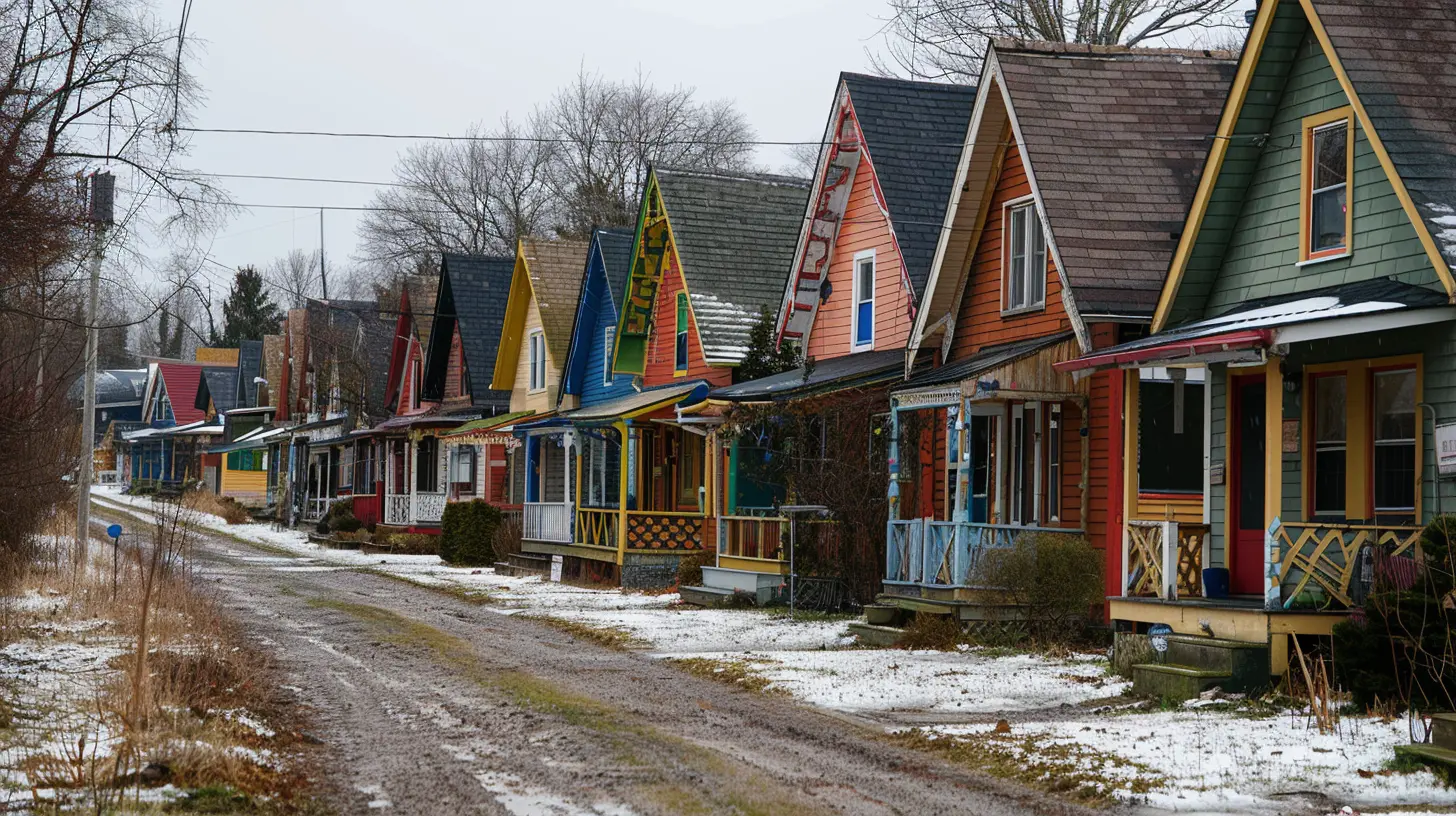
2. Banks Are Not in the Charity Business
Contrary to what you may think, banks aren’t looking to give you a crazy good deal just because they need to get a property off their books. They have a bottom line, and squeezing every dollar out of a foreclosure sale is part of their playbook.They often set the price at or near market value, especially in competitive areas. And if you think you can charm them into accepting a sweet lowball offer—think again. They’re not emotionally attached to the house, so they’ll wait for a higher bid instead of being swayed by your negotiating skills.
? Pro Tip: Research comparable homes in the area before making an offer. A “cheap” foreclosure isn’t always a deal if it's priced just like a regular home. 
3. The Hidden Costs Nobody Warned You About
Ah, the joys of surprise costs—like finding out your budget-friendly vacation package didn’t include baggage fees, airport transfers, or, you know, actual comfort. Buying a foreclosure comes with its own set of hidden expenses, and if you’re not careful, they can turn your great deal into a financial nightmare.Some sneaky costs include:
- Unpaid property taxes – Banks don’t always clear these before selling. Guess who gets stuck with the bill?
- Liens on the property – The previous owner may have owed HOA fees, contractor payments, or other debts tied to the home.
- Repairs and renovations – That “minor fixer-upper” might need a major cash infusion.
? Pro Tip: Get a title search done to uncover any lingering financial surprises attached to the home before purchasing. 
4. Financing a Foreclosure is Trickier Than You Think
If you assume you can waltz into a bank with a standard mortgage application and walk out with a foreclosure deal, think again. Banks know that foreclosed homes often need repairs, so they tend to be picky about what they’ll finance. That means traditional loans don’t always work for foreclosures in rough shape.In some cases, you might need a renovation loan (like an FHA 203(k) loan) or be prepared to pay in cash. If the home is in really poor condition, lenders might just say “nope” altogether.
? Pro Tip: Get pre-approved for a loan that specifically covers foreclosures before you start shopping. Your dream home won’t wait while you scramble to secure financing.
5. The Waiting Game is Real
Patience is a virtue—especially when dealing with banks and foreclosures. Unlike a traditional home sale where an eager seller might respond quickly, banks often move at a snail’s pace.Why? Because foreclosure sales involve layers of bureaucracy, piles of paperwork, and sometimes even legal complications. It could take weeks (even months) for banks to process your offer, and if there are multiple bids, they’ll probably hold out for the highest one.
? Pro Tip: If you're in a hurry to move, a foreclosure might not be your best bet. But if you can afford to wait, good things come to those who are patient.
6. Bank-Owned Doesn’t Mean Problem-Free
Once a home goes through the foreclosure process, it becomes Real Estate Owned (REO) by the bank. Some people assume that means it's now a stress-free purchase. Nope.Even though the bank technically owns it, they usually don’t know much about the property's condition. They don’t have seller disclosures, which means you’re walking in somewhat blind. And remember—just because they own it doesn’t mean they fixed it.
? Pro Tip: Treat an REO property with the same caution you would any other foreclosure. Assume there are issues unless proved otherwise.
7. Competition Can Be Brutal
You’re not the only one who sees the appeal of buying a foreclosure. Investors, flippers, and bargain hunters are all in the game, and they come prepared with cash.If you’re relying on a mortgage and competing against someone who can pay upfront, the bank is more likely to go with the faster, less complicated deal.
? Pro Tip: If possible, get pre-approved and be ready to move fast. Consider working with a real estate agent experienced in foreclosures to help you navigate the process.
8. Some Foreclosures Never Hit the Market
Banks aren’t obligated to list every foreclosed home for sale. Sometimes, they sell them in bulk to investment firms or unload them through private auctions. If you're only relying on publicly listed foreclosure properties, you're missing out on potential deals.? Pro Tip: Work with an agent who has insider knowledge on foreclosures and bank-owned properties. They can help you find listings before they hit the public market.
Final Thoughts: Is a Foreclosure Right for You?
Buying a foreclosure can be an amazing opportunity—or a colossal headache. The key is knowing what you're getting into before you dive in.Remember:
✔️ Do your homework (title searches, inspections, financing)
✔️ Be patient (banks operate on their own timeline)
✔️ Expect the unexpected (hidden costs are real)
✔️ Stay competitive (cash buyers might be your biggest obstacle)
Foreclosures can be the jackpot of real estate deals, but only if you’re prepared for the reality—not just the fairytale. So, if you’re ready to play the game (and play it smart), a foreclosure deal could be your golden opportunity.
all images in this post were generated using AI tools
Category:
ForeclosuresAuthor:

Travis Lozano
Discussion
rate this article
2 comments
Finnian McLain
Great insights on navigating foreclosure purchases.
September 8, 2026 at 5:06 AM
Rowan Barlow
Great insights! Understanding the hidden aspects of buying foreclosures can really empower buyers. Knowledge is key to making smart choices in the real estate market.
August 30, 2026 at 10:28 AM
Travis Lozano
Thanks for your feedback! You're right-knowledge definitely makes a difference in navigating the foreclosure market.