Understanding Zoning Setbacks and How They Affect Construction
28 January 2026
If you’ve ever considered building a house, adding a garage, or maybe even putting up a shed in your backyard, chances are you’ve run into the term “zoning setbacks.” And if you’re anything like most people, your first reaction was probably something along the lines of, “What the heck is that?”
Don’t sweat it—this guide is here to break it down for you in plain English. Let’s dive into what zoning setbacks really mean, why they matter, and how they can affect your construction plans. Whether you're a homeowner, builder, or real estate investor, understanding zoning setbacks is key to avoiding costly mistakes and keeping your project on track.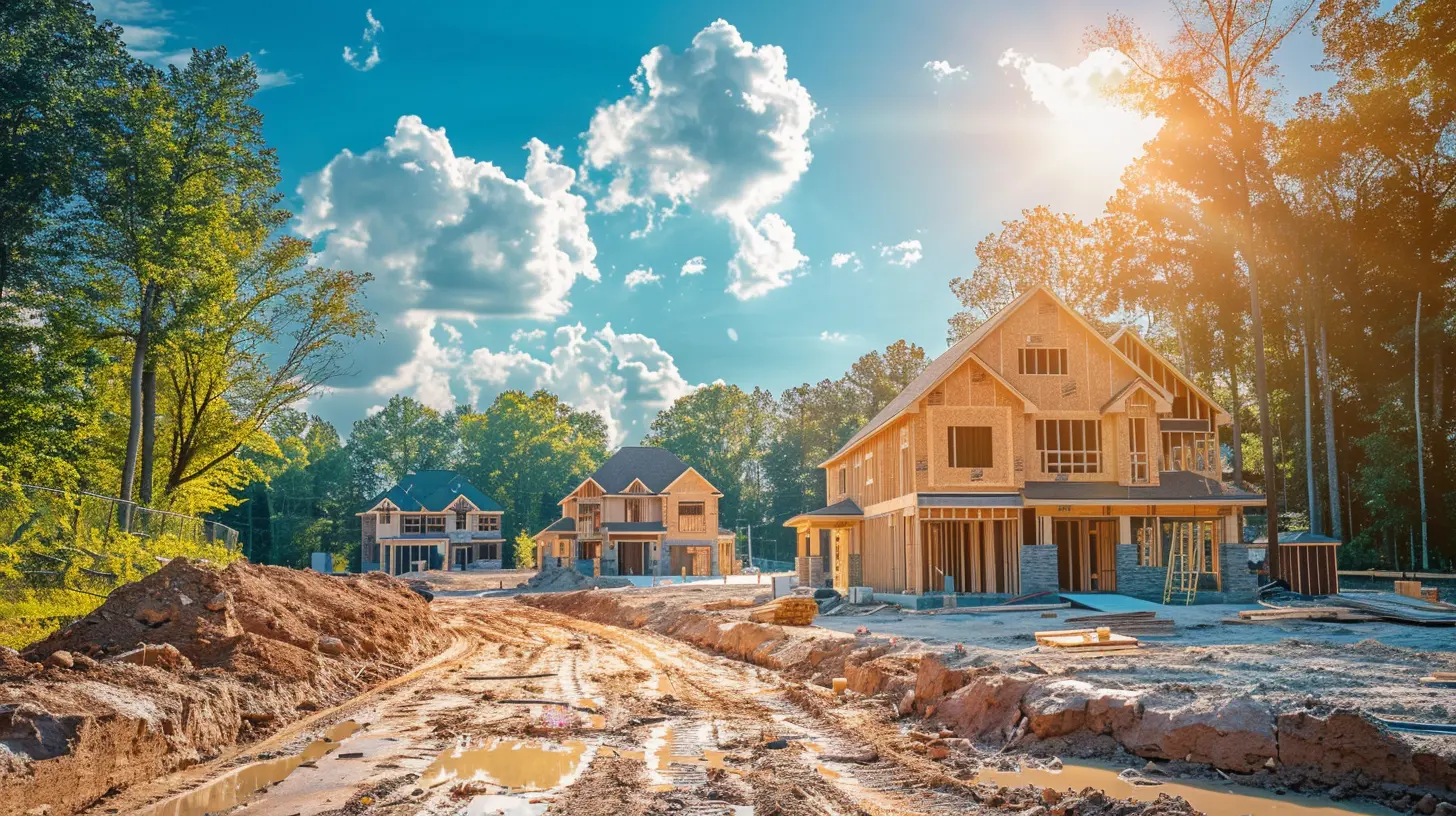
What Are Zoning Setbacks Anyway?
Think of zoning setbacks as invisible boundaries around your property. These boundaries say, “Hey, you can’t build anything past this line!” Setbacks are part of zoning laws, and they dictate how far structures must be from property lines, streets, neighboring buildings, and sometimes even natural features like rivers or trees.Why do cities and counties use them? It’s mostly about safety, maintaining the neighborhood’s look and feel, and making sure we’re not building on top of one another, literally.
The Three Main Types of Setbacks
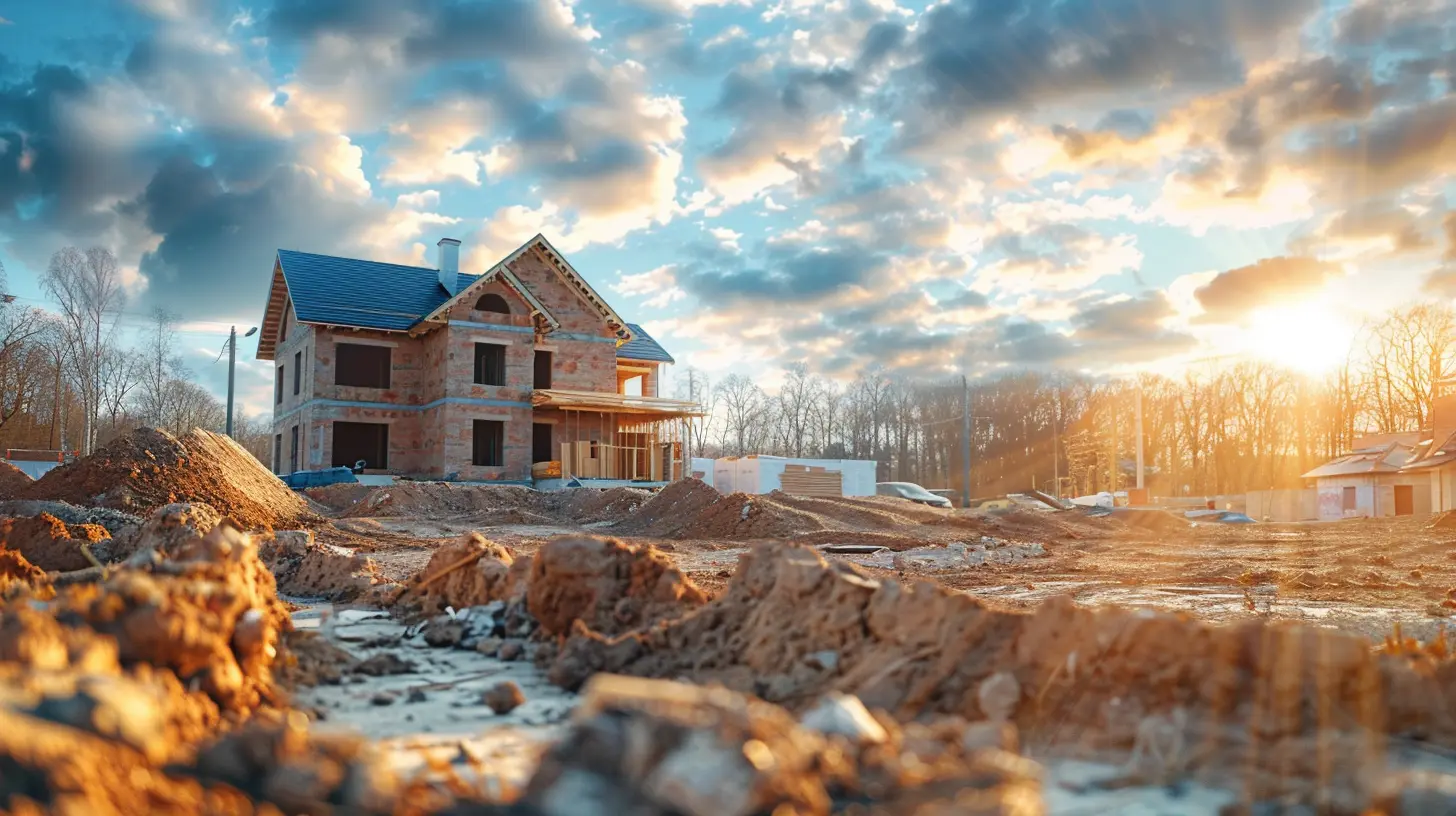
1. Front setback – This is the distance between your structure and the street. It’s usually the largest of the three. Cities don’t want your house practically in the road.2. Side setbacks – These prevent buildings from being too close to each other. That way, your neighbor isn’t 2 feet away from your kitchen window.
3. Rear setback – This pushes structures away from the back property line. If you’re planning that dreamy backyard pool, this is the one you’ll need to care about.
Why Setbacks Exist in the First Place
Zoning setbacks aren’t just red tape. There’s some solid logic behind them. Here are a few reasons why they’re a thing:- Privacy: No one wants their neighbor’s bathroom window facing their breakfast nook.
- Air and light: Proper spacing between buildings helps with ventilation and natural light.
- Safety: Setbacks keep buildings away from roads and allow room for emergency access.
- Aesthetic consistency: They help neighborhoods look more uniform and organized.
- Environmental protection: In some areas, setbacks prevent building too close to environmentally sensitive spaces like wetlands or flood zones.
How Setbacks Affect Construction
Here’s where things get real. Say you're excited to build a new garage or expand your house. You’ve got the plans drawn, the budget set, and the contractor ready to roll. Then—boom—you find out that the new structure violates a setback rule.What happens next? Well, at best, you’ll need to revise your plans, and at worst, you might have to scrap the idea altogether. Understanding setbacks can make or break your project.
You Might Have Less Usable Land Than You Think
Imagine your property is a rectangle. Now, draw an invisible border 20 feet in from the front, 10 feet in from each side, and another 15 feet in from the back. What’s left in the center is your “buildable area.”Depending on your lot size, these setbacks can eat up a big chunk of your land. For smaller lots, this can be especially limiting.
Setbacks Can Limit the Size and Shape of Your Building
Want to build a wide ranch-style home? Or maybe a large backyard addition? Setbacks might force you to scale down or reconfigure your plans. Instead of stretching out, you might have to build up or go in a totally different direction.Certain Features Count, Others Don’t
Not all structures are treated equally. A covered porch? Yep, that usually counts and has to follow setback rules. But a small deck or a shed? It might be exempt—or might not. Setback rules can get specific and sometimes even a little weird. That’s why it’s super important to check with your local zoning office.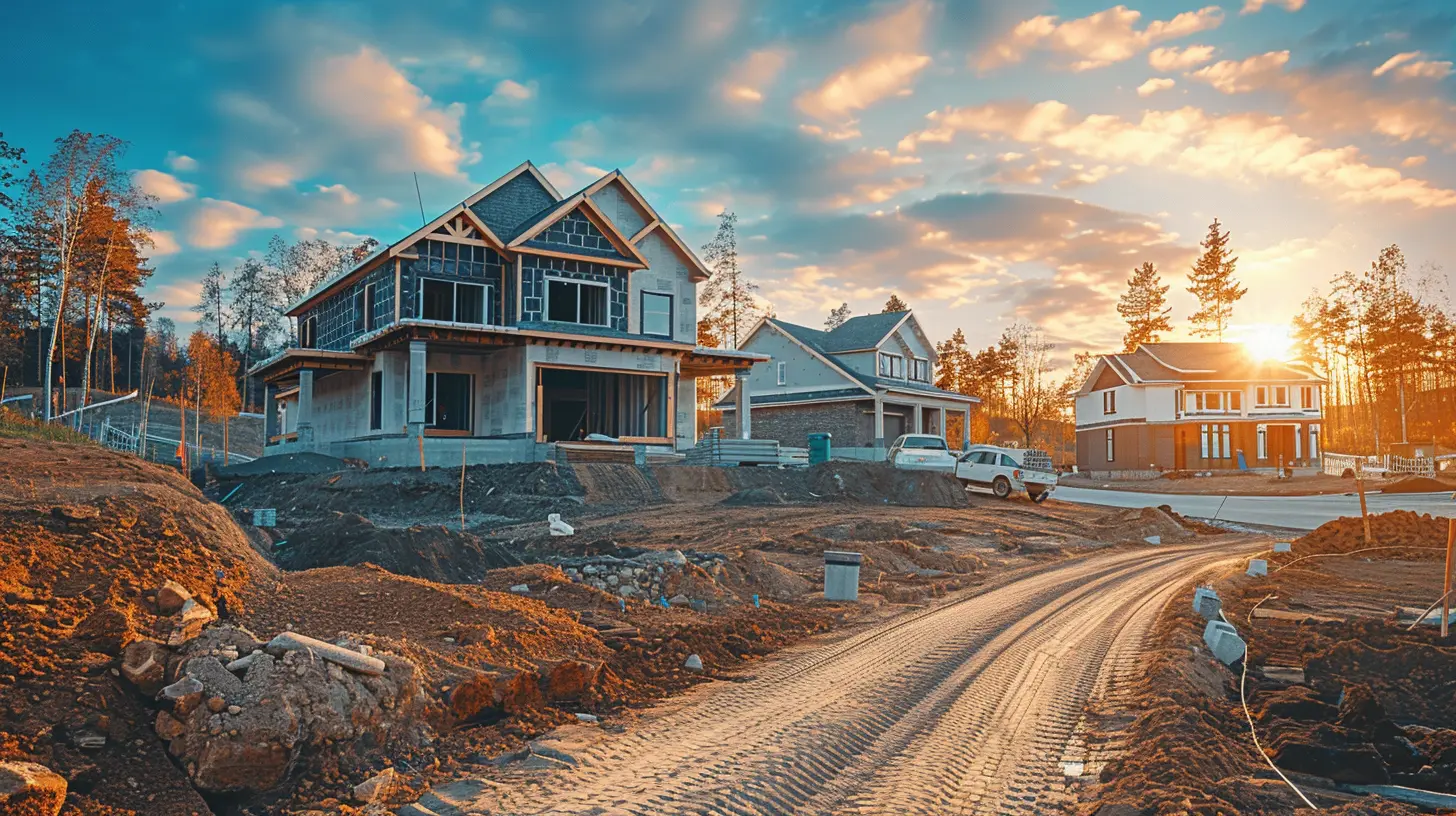
Setback Variances: When the Rules Can Bend
There is a bit of hope if you find yourself boxed in by setbacks. It’s called a variance. This is a special permission you can apply for that allows you to build closer to the property line than typically allowed.But here’s the catch—it’s not automatic. You’ll need a good reason, a formal application, and possibly even a public hearing. You’ve got to prove that the setback is causing you undue hardship and that your project won’t negatively impact the neighborhood or break any major rules.
Here are a few tips if you're thinking about applying for a variance:
- Talk to your neighbors first—it helps your case if they’re on board.
- Show that your project aligns with the area’s overall style and vibe.
- Be ready to adjust your design to meet halfway if needed.
Setbacks and Real Estate Investment
For real estate investors, setbacks can be a hidden pitfall—or a useful lever. If you’re buying a property to redevelop or build on, zoning setbacks should be one of the first things you look into.Due Diligence Saves Dollars
Before you buy, request a zoning report or check the municipality’s zoning map. If you’re planning to maximize the buildable area, you need to know where you can and can’t build. Surprises after purchase? That's just money down the drain.Setbacks Can Create ‘Unusable’ Land
Sometimes, what looks like a spacious side yard turns out to be unbuildable space due to setbacks. That’s land you’re paying for but can’t really use. On the flip side, if a property has a large buildable footprint, that might be a huge advantage.How to Find Your Property’s Setbacks
So, how do you actually figure out what your property’s setback requirements are? Every city has its own rules, and sometimes even separate codes for different neighborhoods.Here’s where to start:
1. Check your local zoning codes – Most cities have zoning ordinances available online.
2. Call the planning or zoning office – Speaking directly with a city planner can save you hours of research.
3. Review your property survey – This document usually shows property lines and any existing structures.
4. Hire a professional – If it’s a big project, an architect or land-use consultant can help guide you.
Common Setback Mistakes to Avoid
Setbacks might sound simple, but there are a few traps people fall into. Here are some common ones to steer clear of:- Not checking setbacks before designing: Don’t invest in architectural plans before knowing your limits.
- Assuming what works for your neighbor works for you: Rules can change, and older builds may be grandfathered in.
- Overlooking seasonal structures: Things like pergolas, sheds, or fences might also be regulated.
- Not pulling permits: Skipping this step might lead to fines—or worse, a teardown order.
Creative Workarounds for Setback Challenges
Feel like zoning regulations are boxing you in? Don’t worry—there’s usually a way to work around the setbacks without tossing your dream build in the trash.Here are a few ideas:
- Build upward: Instead of expanding outward, consider a second story.
- Opt for flexible design: Modular or L-shaped layouts can maximize space.
- Use landscaping creatively: Even if you can’t build, you can still beautify and make the space functional with smart landscaping or outdoor furniture.
- Apply for a minor variance: Sometimes even shaving off a single foot from a setback can make your design viable.
Final Thoughts
Zoning setbacks might not be the most exciting part of building or buying property, but they’re incredibly important. Whether you’re building your dream home, flipping a fixer-upper, or just planning a cozy backyard retreat, knowing the setback rules is like reading the playbook before the big game—it sets you up for success.So before you start hammering nails or sketching floor plans, take the time to understand your property’s zoning. A little homework now can save you a ton of headaches (and dollars) later on.
all images in this post were generated using AI tools
Category:
Zoning RegulationsAuthor:

Travis Lozano
Discussion
rate this article
2 comments
Raven Rhodes
Great article! Understanding zoning setbacks is crucial for any construction project. It ensures compliance and can significantly impact your design and budget. Clear explanations like this help homeowners navigate the complexities of local regulations.
February 21, 2026 at 4:39 AM
Travis Lozano
Thank you! I’m glad you found the article helpful. Understanding zoning setbacks is indeed vital for successful projects.
Parisa Frye
Great insights on zoning setbacks! Understanding these rules is crucial for successful construction projects.
January 28, 2026 at 4:38 AM
Travis Lozano
Thank you! I'm glad you found the insights helpful for your construction projects.