Understanding the Foreclosure Process for First-Time Buyers
9 July 2026
Ah, foreclosure—a word that makes some people shudder and others drool over potential deals. If you're a first-time buyer eyeing a foreclosed home, congratulations! You're about to enter a real estate rollercoaster filled with financial opportunities, red tape, and the occasional headache.
But don't worry! We're about to break it all down for you—the good, the bad, and the downright frustrating—so you can navigate the foreclosure process like a pro. 
What is Foreclosure, and Why Should You Care?
Before we dive in, let’s get something straight. Foreclosure is essentially when a homeowner fails to pay their mortgage, and the lender decides, “Alright, time’s up! We’re taking the house back.” The property is then put up for sale, often at a discount, making it a tempting option for first-time buyers.Sounds like a dream, right? Cheap home, great deal? Not so fast! There’s a reason these homes are discounted, and you need to know what you’re getting into. 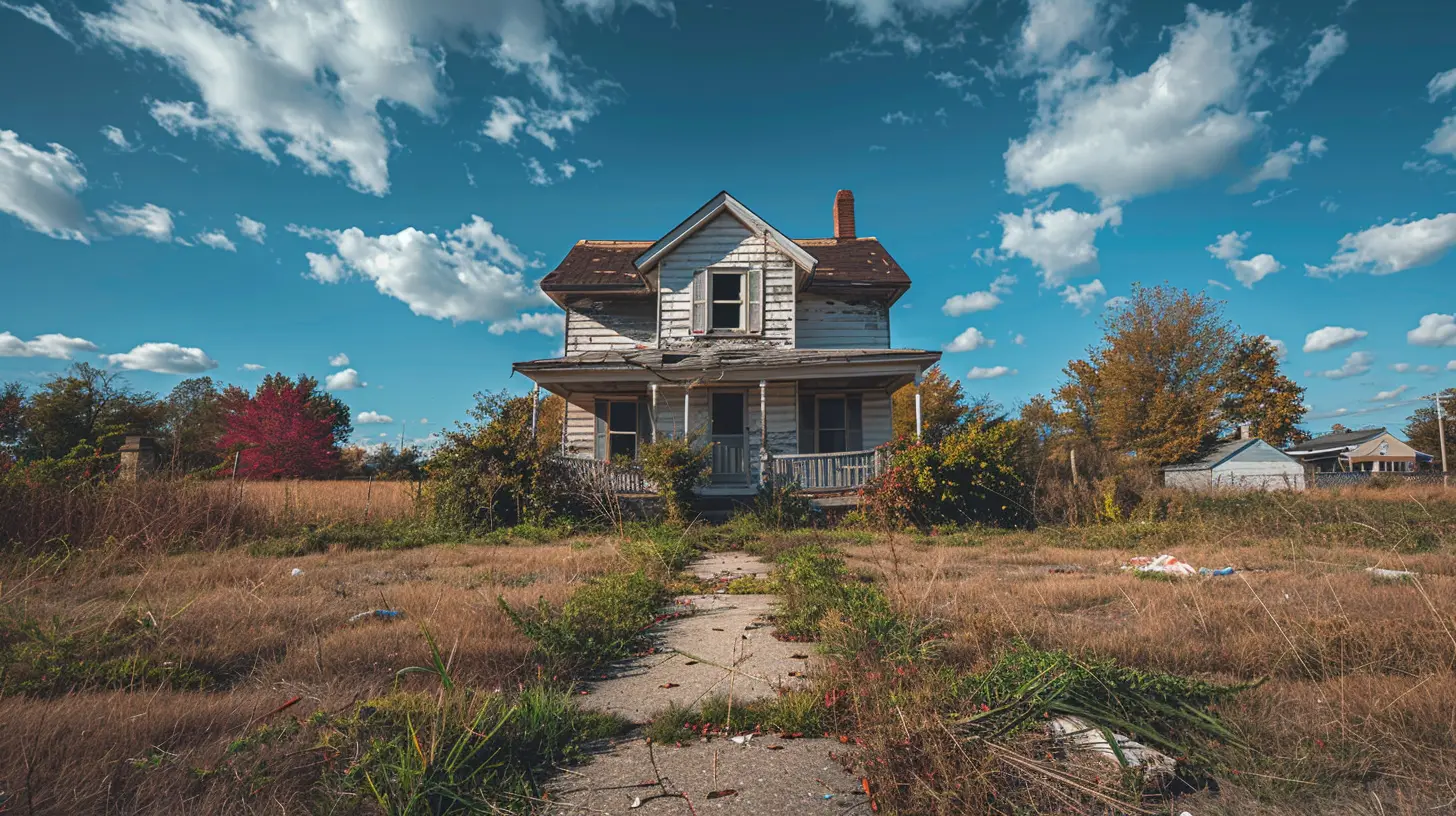
The Stages of Foreclosure (a.k.a. The Drama Unfolds)
Foreclosures don’t happen overnight. In fact, they go through a few stages before they hit the market. Understanding these steps will help you figure out when (and if) you should make your move.1. Payment Default – The Beginning of the End
Picture this: A homeowner starts missing mortgage payments. Maybe they lost their job, had unexpected medical bills, or simply decided Netflix and takeout were more important than their home loan. Whatever the reason, after a few missed payments, the lender starts sending "friendly" reminders that sound more like threats.2. Notice of Default (NOD) – The Official Warning
After about 90 days (because lenders like to give people a little bit of time to get their act together), a Notice of Default (NOD) is sent. This is a formal document announcing, Hey, you’re about to lose your house unless you pay up! At this point, the homeowner still has a chance to fix things.3. Pre-Foreclosure – The Last-Hope Phase
This is the part where homeowners either:A) Scramble to pay off their debt,
B) Try to sell the home before the foreclosure happens, or
C) Pretend the problem doesn’t exist and hope their mortgage company forgets about them. Spoiler: They won’t.
For buyers, this is a great time to strike a deal. If the owner is motivated to sell quickly, you could potentially buy the home at a discount before it officially goes into foreclosure.
4. Auction – The High-Stakes Game
If the homeowner doesn’t turn things around, the property is put up for auction. This is where things get wild. Think of it like an eBay war, but for houses. Buyers bid against each other, and the highest bidder wins—usually needing to pay in cash.If you’ve got deep pockets (or an investor buddy who does), this could be a great way to score a deal, but be warned: You often can’t inspect the home beforehand, which means you could end up with a money pit rather than a steal.
5. Bank-Owned (REO) – The Leftovers Market
If nobody snatches up the home at auction, it becomes a bank-owned property, also known as "Real Estate Owned" (REO). This is when you, as a first-time buyer, have the best shot. The bank just wants to get rid of it, and they might be willing to negotiate.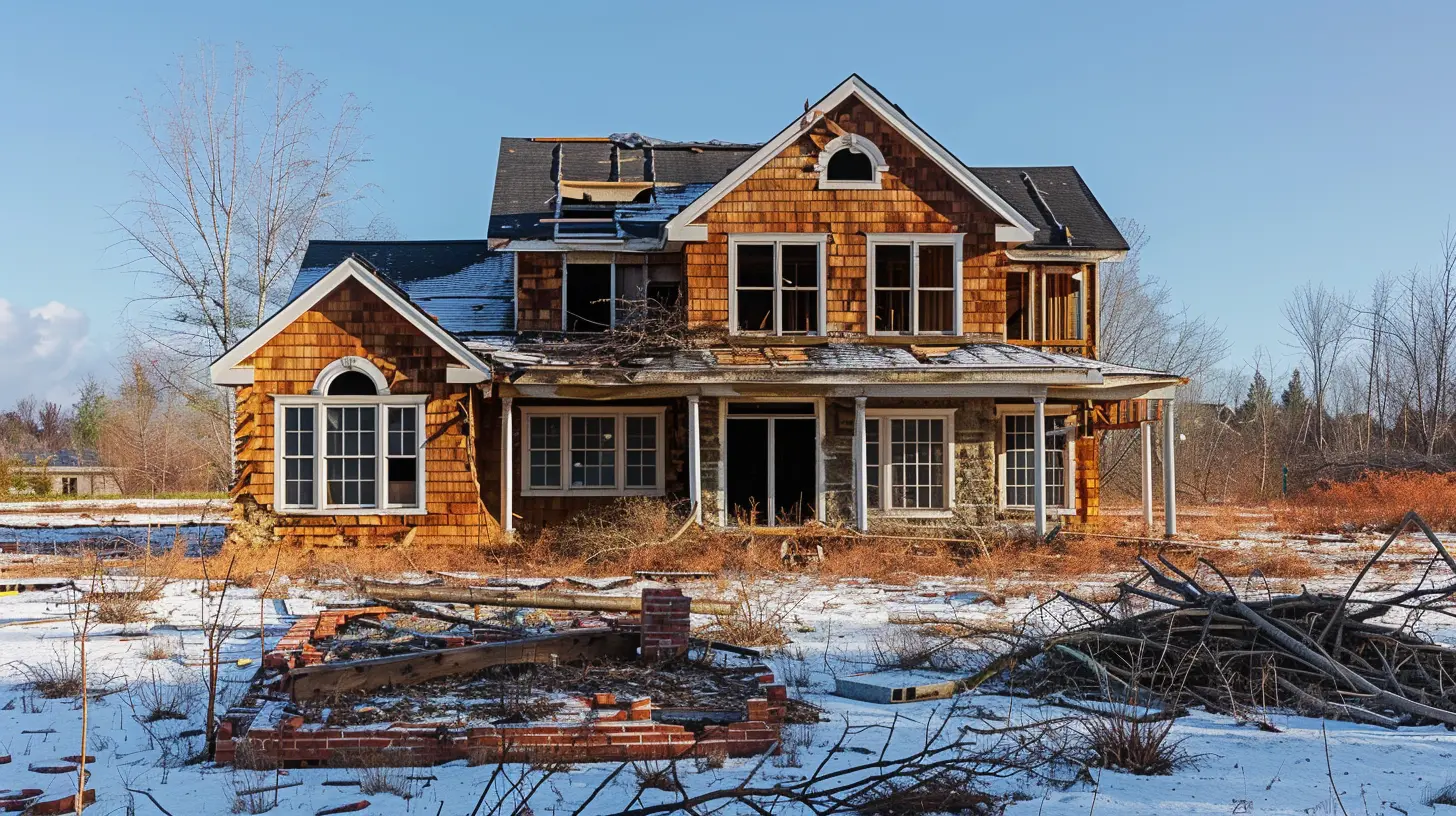
Pros and Cons of Buying a Foreclosed Home
Great deals come with great risks. Let’s break it down:? The Pros (Because Who Doesn’t Love a Bargain?)
✔ Lower Prices – Foreclosed homes can be way cheaper than other houses in the same area. More house, less cash—sounds good, right?✔ Motivated Sellers – Whether it's the bank or a desperate homeowner, someone wants this house GONE. That means there’s room for negotiation.
✔ Potential for Profit – If you buy smart, fix it up, and sell later, you could walk away with a nice chunk of change. House-flipping dreams, anyone?
⚠ The Cons (Because Let’s Be Real, It’s Not All Sunshine and Rainbows)
❌ Condition Issues – Many foreclosed homes are in rough shape. Picture broken windows, missing appliances, and that one room that smells like a crime scene.❌ Red Tape & Delays – Buying a foreclosure isn’t as simple as walking in and saying, “I’ll take it!” Banks have rules, paperwork, and timelines that can make you question your life choices.
❌ Competition Can Be Fierce – You’re not the only one looking for a deal. Investors, flippers, and other buyers might be lining up with bags of cash, ready to outbid you. 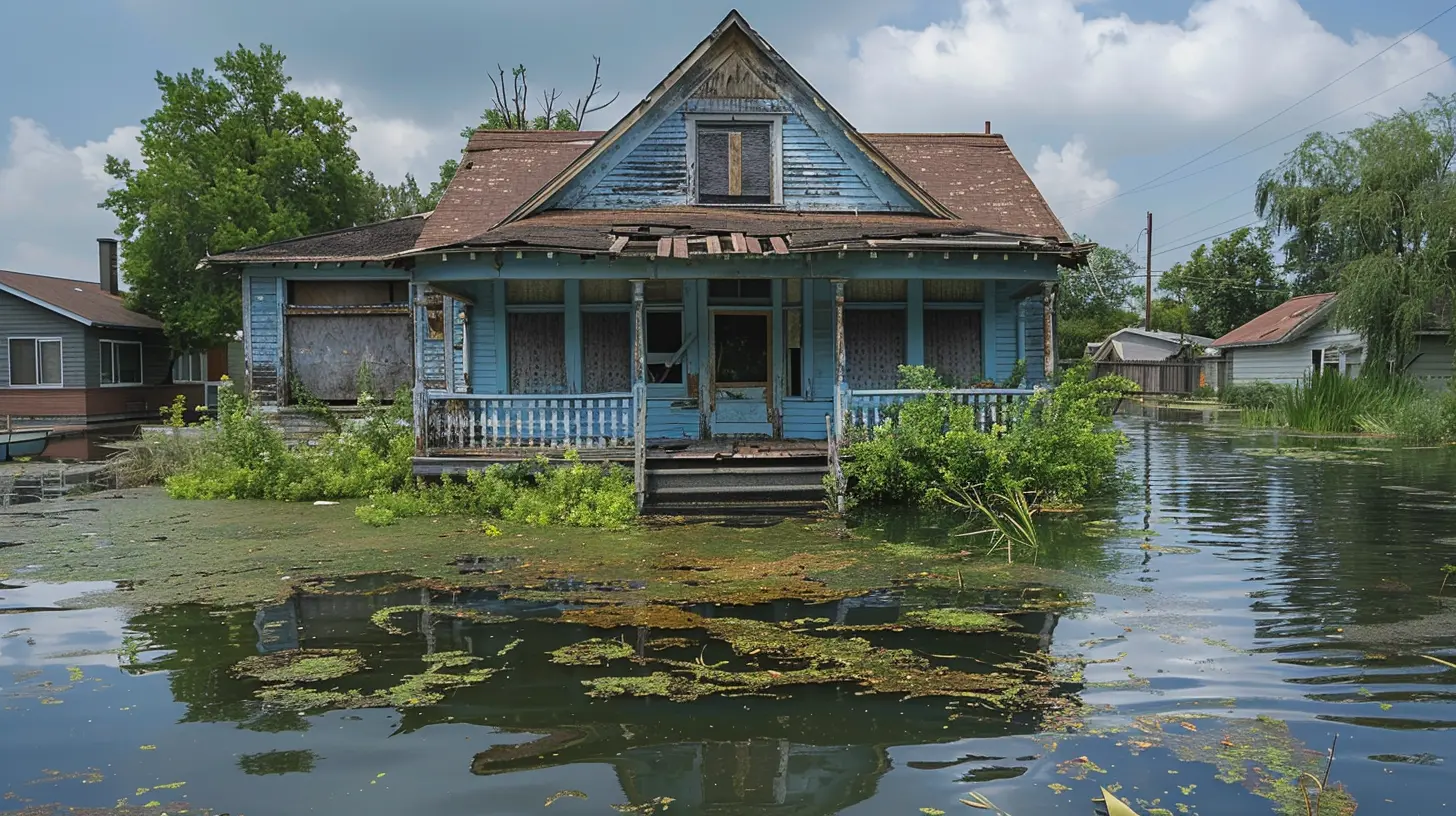
How to Buy a Foreclosed Home Without Losing Your Mind
Alright, so you’re still interested? Good! Here’s how to avoid disaster and actually score a good deal.1. Get Pre-Approved for a Loan
Unless you’re sitting on a pile of cash, you’re going to need financing. Banks won’t take you seriously if you don’t have a mortgage pre-approval lined up.2. Work with a Real Estate Agent Who Knows Foreclosures
Not all agents are created equal. You need someone who actually understands the foreclosure market. Otherwise, you might end up buying a house with a secret foundation problem (yikes).3. Do Your Homework on the Property
Check property records, see if there are unpaid taxes, and for the love of real estate, get a home inspection if possible. The last thing you want is to find out your "dream home" needs a new roof, plumbing, and a priest for an exorcism.4. Be Patient, But Ready to Act Fast
Contradictory advice? Maybe. But foreclosure deals don’t last long. If you find a good one, don’t hesitate too much—someone else will snatch it up.5. Budget for Repairs
Even the best foreclosure deals come with a few surprises. Set aside some extra cash for unexpected fixes (because there will be some).Final Thoughts – Should You Dive Into the Foreclosure Market?
Buying a foreclosed home can be an amazing opportunity—or a complete nightmare. If you do your research, stay patient, and keep your expectations realistic, you could walk away with a killer deal.Just remember: The foreclosure market isn’t for the faint of heart. But if you're willing to take on the challenge, you might just find yourself owning a home for a price that makes your friends jealous.
Happy house hunting!
all images in this post were generated using AI tools
Category:
ForeclosuresAuthor:

Travis Lozano
Discussion
rate this article
1 comments
Amanda McGivern
Great insights on the foreclosure process. This will definitely help first-time buyers navigate confidently.
July 11, 2026 at 3:04 AM