Top Strategies for Finding Hidden Gems in Foreclosures
15 March 2026
Foreclosures—whispered secrets of the real estate world. A place where forgotten houses wait, their doors creaking open like an invitation to the bold, the dreamers, the deal hunters. If you've ever dreamt of snagging a house at a fraction of the market price, then you're in the right place.
But let's be real—finding a foreclosure that's actually a hidden gem is like finding a diamond in the rough. You need patience, a keen eye, and a few tricks up your sleeve. So, let's dive into the best strategies to uncover those hidden treasures in the foreclosure market. 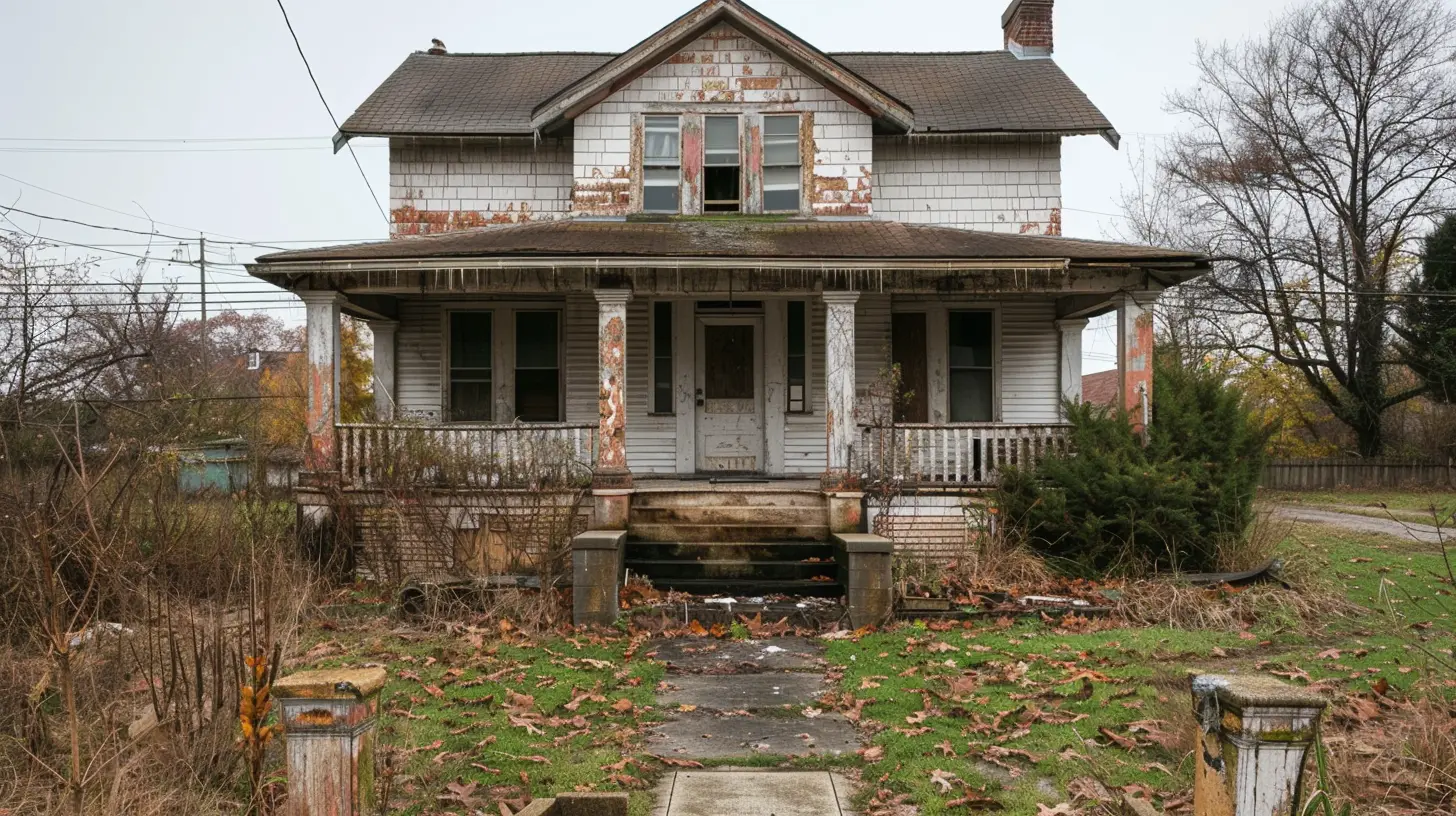
1. Understand What You’re Getting Into
Before you rush in, you need to know exactly what you're dealing with. Foreclosures aren’t just cheap houses—there’s a story behind them, sometimes a sad one. A family had to leave, the bank took over, and now it’s up for grabs.These homes often come as-is, meaning no repairs, no touch-ups, no fresh coat of paint to make it pretty. Some might have been abandoned for months or even years. So, while the price tag might be tempting, you need to factor in potential repairs and hidden costs.
Think of it like dating—you wouldn't just jump into a relationship without knowing a little about the other person, right? The same goes for foreclosures. 
2. Start With the Right Resources
You wouldn't go treasure hunting without a map, so why go house hunting without the right tools? There are plenty of ways to find foreclosure listings, and here are some of the best:- MLS Listings – If you have a real estate agent, they can access the MLS (Multiple Listing Service), which may have foreclosure properties not widely advertised.
- Foreclosure-Specific Websites – Sites like RealtyTrac, Foreclosure.com, and HUD.gov offer listings dedicated to foreclosures.
- Bank Websites – Some banks like Wells Fargo and Bank of America list their own foreclosed properties for sale.
- County Auctions & Sheriff Sales – Sometimes, foreclosed properties are sold at auctions. You can check your local county website for upcoming events.
Having multiple sources in your arsenal increases your odds of spotting a great deal before the competition. 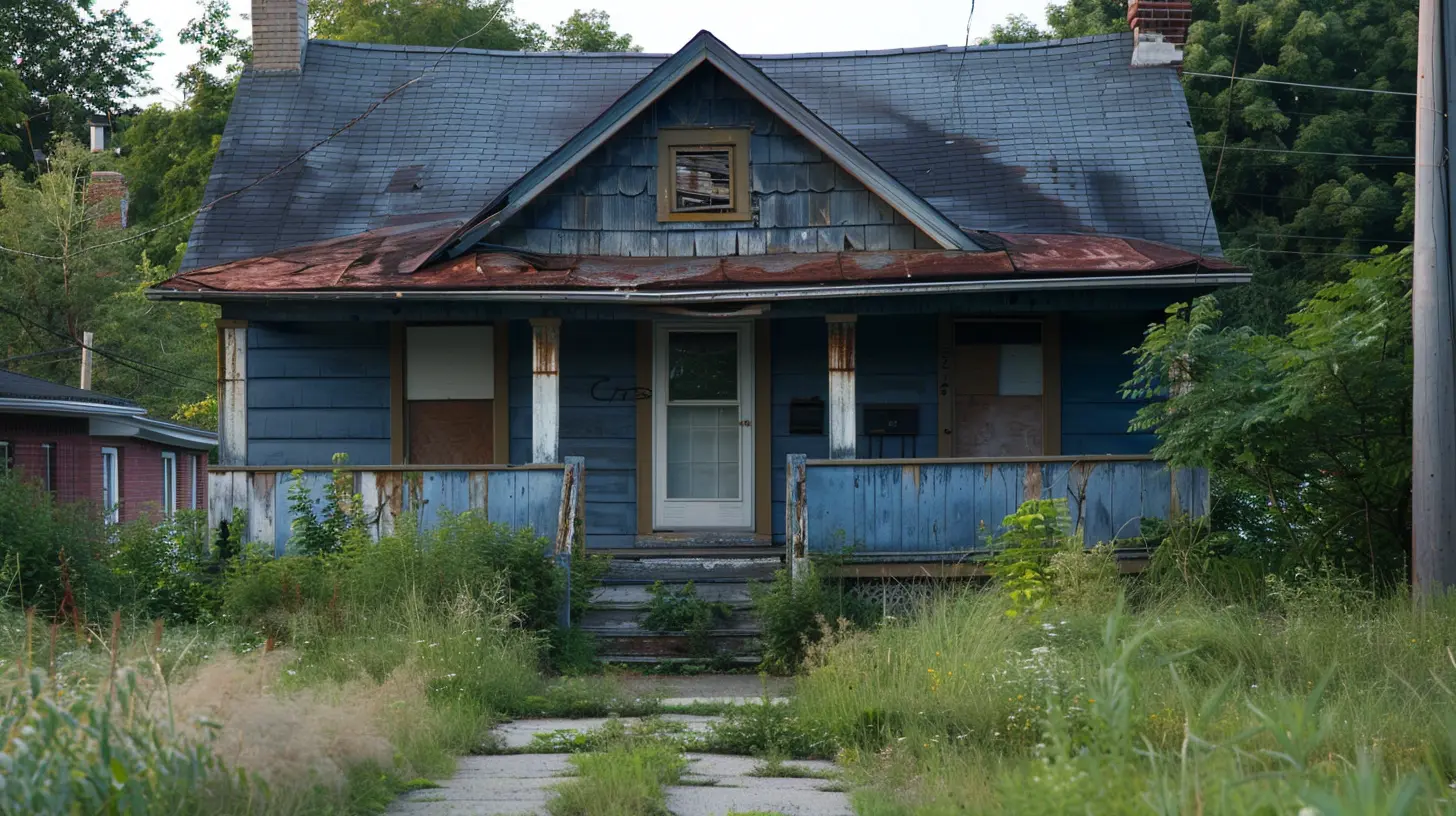
3. Look for "Pre-Foreclosures"
Here's a pro tip: Don't just wait for a house to hit the auction block—go after properties that are still in pre-foreclosure.Pre-foreclosures are homes where the owners have fallen behind on payments, but the property hasn’t been taken by the bank yet. This is a sweet spot for investors because:
- You can negotiate directly with the owner, often at a better price.
- There's a chance to buy a house in better condition before it's abandoned.
- You avoid the frenzy of competitive foreclosure auctions.
Websites like Zillow have pre-foreclosure listings if you know where to look. Getting in early can be like finding a vintage record before the collectors swoop in. 
4. Work With a Real Estate Agent Who Specializes in Foreclosures
Trying to navigate the foreclosure market without an expert is like trying to sail through a storm without a compass. A real estate agent experienced in foreclosures can be your guiding light.They'll know:
✅ Which banks have the best foreclosure deals
✅ What paperwork you'll need
✅ How to make a competitive (but smart) offer
✅ Hidden pitfalls that could cost you thousands
Finding the right agent means filtering out the ones who just dabble in foreclosures versus those who live and breathe distressed properties.
5. Check Public Records for Clues
This is where a little detective work pays off. Public records hold a wealth of information about a foreclosed property, including:- Last sale price – Helps you gauge if you’re truly getting a deal.
- Liens or unpaid taxes – These could become your problem after buying.
- Foreclosure timeline – Understanding how long a home has been sitting can give you negotiation leverage.
Your local county assessor’s office or online public records portals can be goldmines of information. Be the Sherlock Holmes of real estate and dig deep.
6. Attend Foreclosure Auctions Wisely
Foreclosure auctions are high-stakes poker tables. Big investors and seasoned buyers come prepared, and if you're not careful, you can get swept up in the bidding frenzy.A few key rules to keep in mind:
- Set a Max Bid: Know your limit before the auction starts. It’s easy to get caught up in the excitement and overpay.
- Have Cash Ready: Some auctions require full payment upfront or a significant down payment.
- Inspect the Property First: Some auctions don’t let you see inside, but if possible, drive by the house and check the exterior for any red flags.
- Check the Fine Print: Some properties may still have occupants, meaning you’ll have to deal with evictions.
If done right, auctions can be where you score the biggest deals—but they’re not for the faint of heart.
7. Target "Zombie Foreclosures"
Wait...zombie foreclosures? No, we're not talking about haunted houses (though some foreclosures might feel that way). Zombie foreclosures are homes that were abandoned by owners before the bank officially took possession.These properties often sit in legal limbo, deteriorating while waiting for a new owner. The good thing? The banks don't want them. They just want to offload them—and that means you could negotiate a dirt-cheap deal.
Look for these properties in:
📍 Neighborhoods with multiple vacant homes
📍 Public records showing long-term delinquency
📍 Areas where homes have been sitting unattended for months
It might take extra effort to track down the bank responsible, but patience pays off when you’re getting properties for pennies on the dollar.
8. Negotiate Like a Pro
With foreclosures, negotiation is king. Unlike traditional home sales where emotions play a role, banks just want to cut their losses and move on.Here’s how to win the game:
✔ Make an Offer Below Asking Price – Banks often list properties slightly higher knowing they'll settle for less.
✔ Highlight Your Speed & Reliability – Banks prefer buyers who can close quickly without financing headaches.
✔ Request Repairs or Credits – If an inspection reveals issues, ask for a price reduction or repair credits.
Remember, this isn’t a back-and-forth tug-of-war—it's a strategic dance. Play it right, and you’ll walk away with a dream deal.
9. Don’t Skip the Inspection
Here's the golden rule: Never buy a foreclosure without an inspection.Foreclosed homes are notorious for hidden issues:
- Plumbing Problems – Pipes may have frozen or burst from disuse.
- Roof Leaks – No one's maintained it for a while.
- Mold & Structural Issues – Especially if the home was left vacant for too long.
Even if you have to pay for the inspection out of pocket, it’s worth every penny. The last thing you want is a "bargain" turning into a money pit.
10. Have a Renovation Budget Ready
Unless you luck out with a pristine foreclosure (rare, but possible), expect to do some repairs.The trick is budgeting smartly:
🔹 Prioritize essential repairs – Structural and safety issues first, aesthetics later.
🔹 Keep a contingency fund – Unexpected surprises will come up.
🔹 DIY what you can – Some fixes, like painting or landscaping, are easy to handle yourself.
Just because a house needs work doesn't mean it’s a lost cause. A little sweat equity can turn a neglected foreclosure into your dream home—or a profitable resale.
Final Thoughts
Finding hidden gems in the foreclosure market isn’t for the timid—it’s for the strategic, the persistent, and the daring. With the right knowledge, tools, and approach, you can unlock incredible deals that others overlook.So, arm yourself with patience, sharpen your negotiation skills, and start searching. Because somewhere out there, behind an overgrown lawn and peeling paint, your hidden gem is waiting.
all images in this post were generated using AI tools
Category:
ForeclosuresAuthor:

Travis Lozano
Discussion
rate this article
2 comments
Faelan McDermott
Great article! Your strategies for uncovering hidden gems in foreclosures are spot on. I particularly appreciate the emphasis on thorough research and networking—both are essential for identifying undervalued properties in today’s market.
March 27, 2026 at 1:01 PM
Travis Lozano
Thank you for your kind words! I'm glad you found the strategies helpful. Research and networking truly are key to finding those hidden gems!
Candice Rhodes
Uncovering hidden gems in foreclosures is like deciphering a secret code. Each property tells a story, waiting for the right interpreter. Dive deep into the shadows—treasures often lie where the light seldom reaches.
March 17, 2026 at 4:59 AM
Travis Lozano
Absolutely! Every foreclosure has unique potential; it just takes the right perspective to unveil its story. Happy hunting!