The Role of Zoning in Floodplain Management and Risk Mitigation
31 May 2026
Floods are among the most devastating natural disasters, causing billions of dollars in damage every year. From homes and businesses to critical infrastructure, no one is entirely immune to flood risks. However, one crucial tool can help communities reduce these risks—zoning.
Zoning plays a significant role in floodplain management and risk mitigation, ensuring that land use regulations keep people and property safe from flood hazards. But how exactly does zoning work in this context? And why is it so crucial for homeowners, developers, and city planners?
Let’s dive into the details and break it down in a way that’s easy to understand. 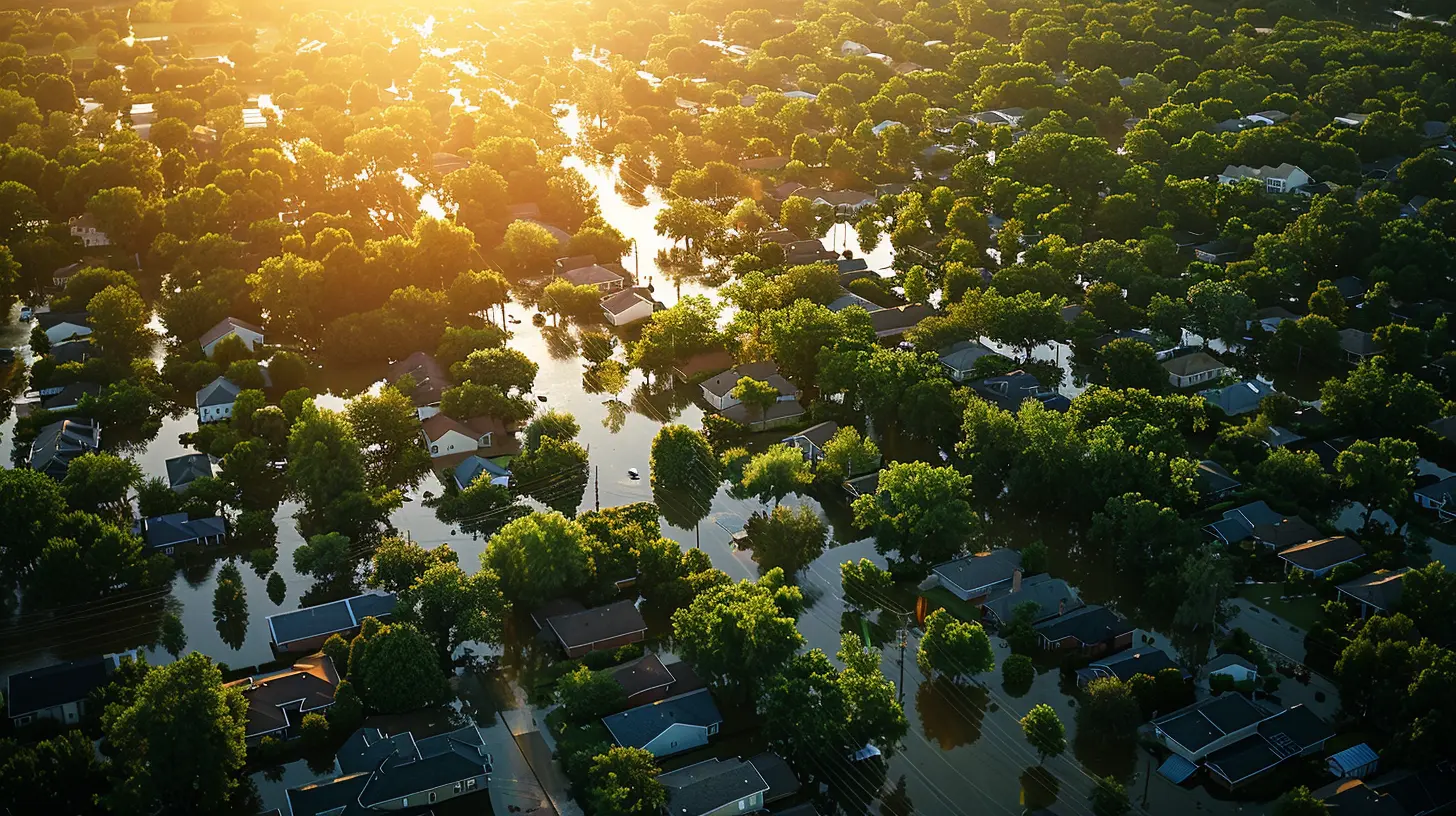
Understanding Floodplains
Before we explore zoning’s role, let’s get clear on what a floodplain actually is.A floodplain is an area of land that is prone to flooding, typically adjacent to a river, lake, or other water bodies. These areas absorb excess water during heavy rainfall, acting as nature’s overflow system.
Floodplains can be categorized into:
- 100-year floodplain: This has a 1% chance of flooding any given year.
- 500-year floodplain: This has a 0.2% chance of flooding annually.
The reality? Floods don’t follow schedules. Just because a flood is labeled as a “100-year event” doesn’t mean it won’t happen tomorrow—or even twice in one year.
That’s why zoning regulations come into play—to help minimize damage and protect properties. 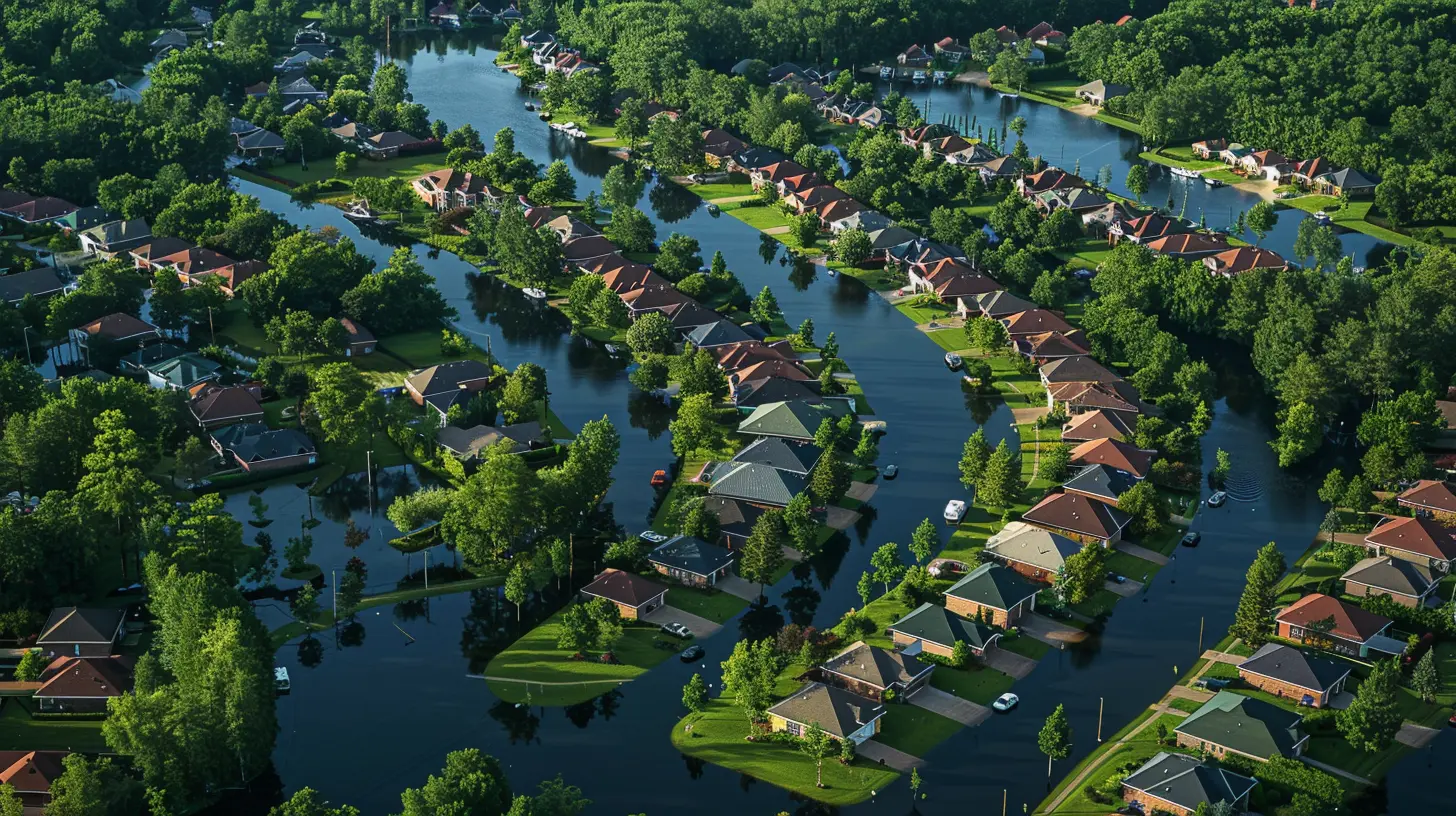
What Is Zoning?
Zoning refers to laws and regulations that control how land is developed and used. These rules dictate whether a property can be used for residential, commercial, industrial, or agricultural purposes.But when it comes to floodplain management, zoning takes on a more critical role. Local governments use zoning policies to regulate development in flood-prone areas, ensuring that buildings, infrastructure, and even entire neighborhoods aren’t positioned in harm’s way.
Now, let’s break down the key ways zoning helps with flood risk mitigation. 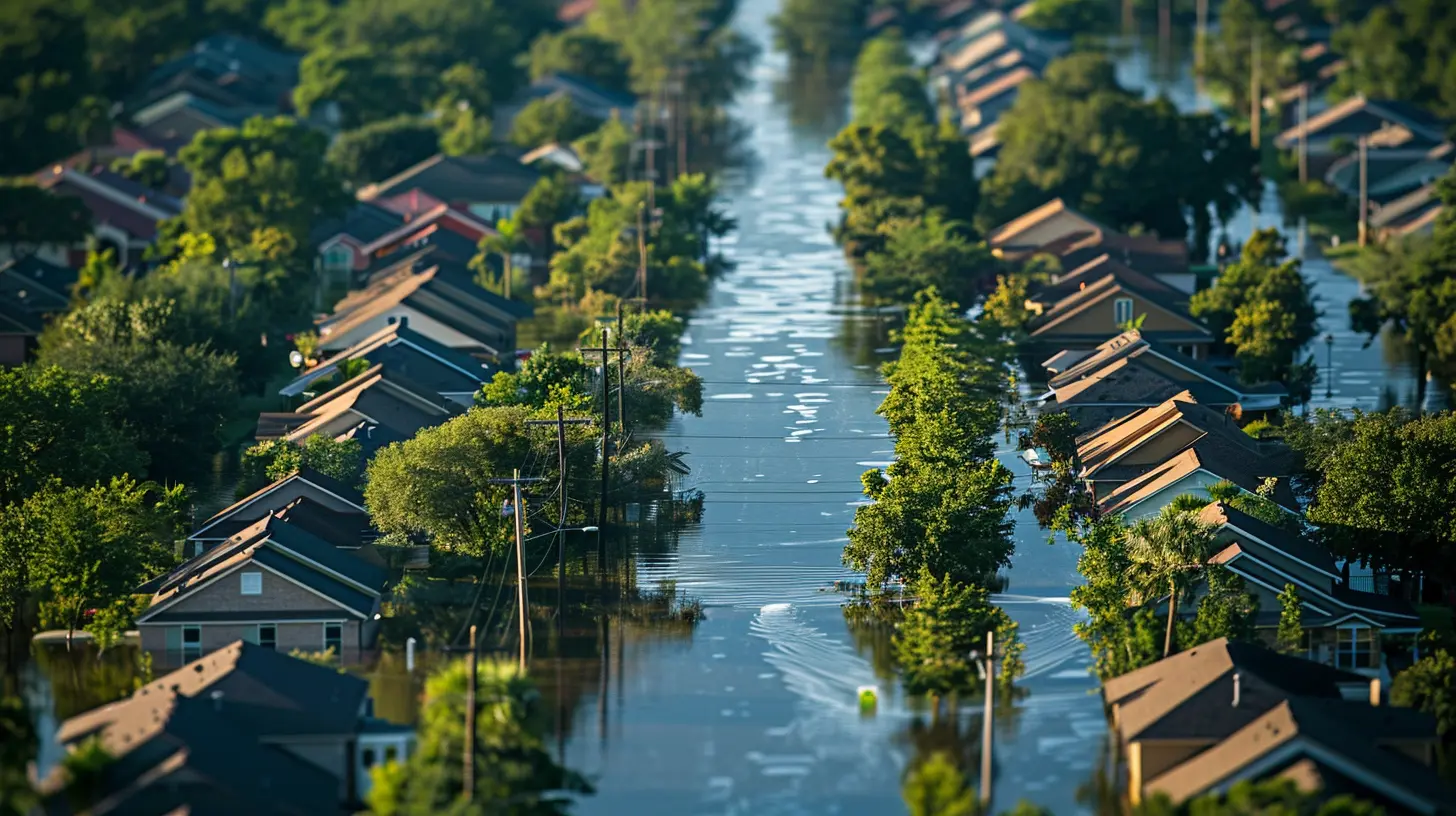
How Zoning Helps Manage Flood Risks
Zoning isn’t just about telling people where they can and can’t build—it’s a life-saving measure that can reduce property damage, lower insurance costs, and improve safety. Here’s how it works:1. Restricting High-Risk Development
One of the biggest benefits of zoning is that it prevents construction in areas where flooding is highly probable. By restricting high-density developments in flood-prone zones, governments can reduce exposure to flood risks.Imagine building a housing complex right in the middle of a floodplain. It might look great on sunny days, but when heavy rainfall hits, the entire neighborhood could be underwater. That’s exactly what floodplain zoning helps prevent.
2. Implementing Elevation Requirements
In areas where development is allowed, zoning laws often require buildings to be elevated above base flood levels. This means homes and businesses must be built on stilts, raised foundations, or constructed using flood-resistant materials.Local governments rely on Base Flood Elevations (BFE)—the estimated height floodwaters will reach during a base flood event. Structures that meet or exceed these elevations are far less likely to suffer significant damage during a flood.
3. Encouraging Flood-Resistant Infrastructure
Beyond homes and businesses, smart zoning encourages cities to design flood-resilient infrastructure. This includes:- Stormwater drainage systems that efficiently move excess water.
- Green spaces and wetlands that act as natural flood barriers.
- Permeable pavement that helps absorb rainwater instead of letting it pool on the surface.
By planning communities with flood resilience in mind, cities can mitigate the devastating impacts of flooding.
4. Creating Buffer Zones and Open Spaces
Ever noticed that some flood-prone areas remain untouched? That’s no accident—zoning can designate certain regions as open spaces or conservation areas.These buffer zones help absorb floodwaters naturally and reduce the speed and impact of rising waters. Parks, wetlands, and green belts often serve this purpose.
Not only does this reduce flood risks, but it also enhances the environment and quality of life for residents. Win-win, right?
5. Reducing the Cost of Flood Insurance
Here’s something many homeowners love—lower flood insurance costs!Zoning laws that promote flood-resistant development can lead to lower insurance premiums under the National Flood Insurance Program (NFIP). This is because communities that enforce strict zoning and floodplain management practices qualify for discounts.
For homeowners, this means more affordable insurance policies while also reducing the overall financial burden of flood damage.
6. Encouraging Smart Development and Relocation
In extreme cases, some cities adopt relocation strategies through zoning. Rather than rebuilding in high-risk areas after a flood, governments may use buyouts or incentives to relocate communities to safer locations.This proactive approach ensures long-term safety and prevents continuous cycles of destruction and rebuilding. 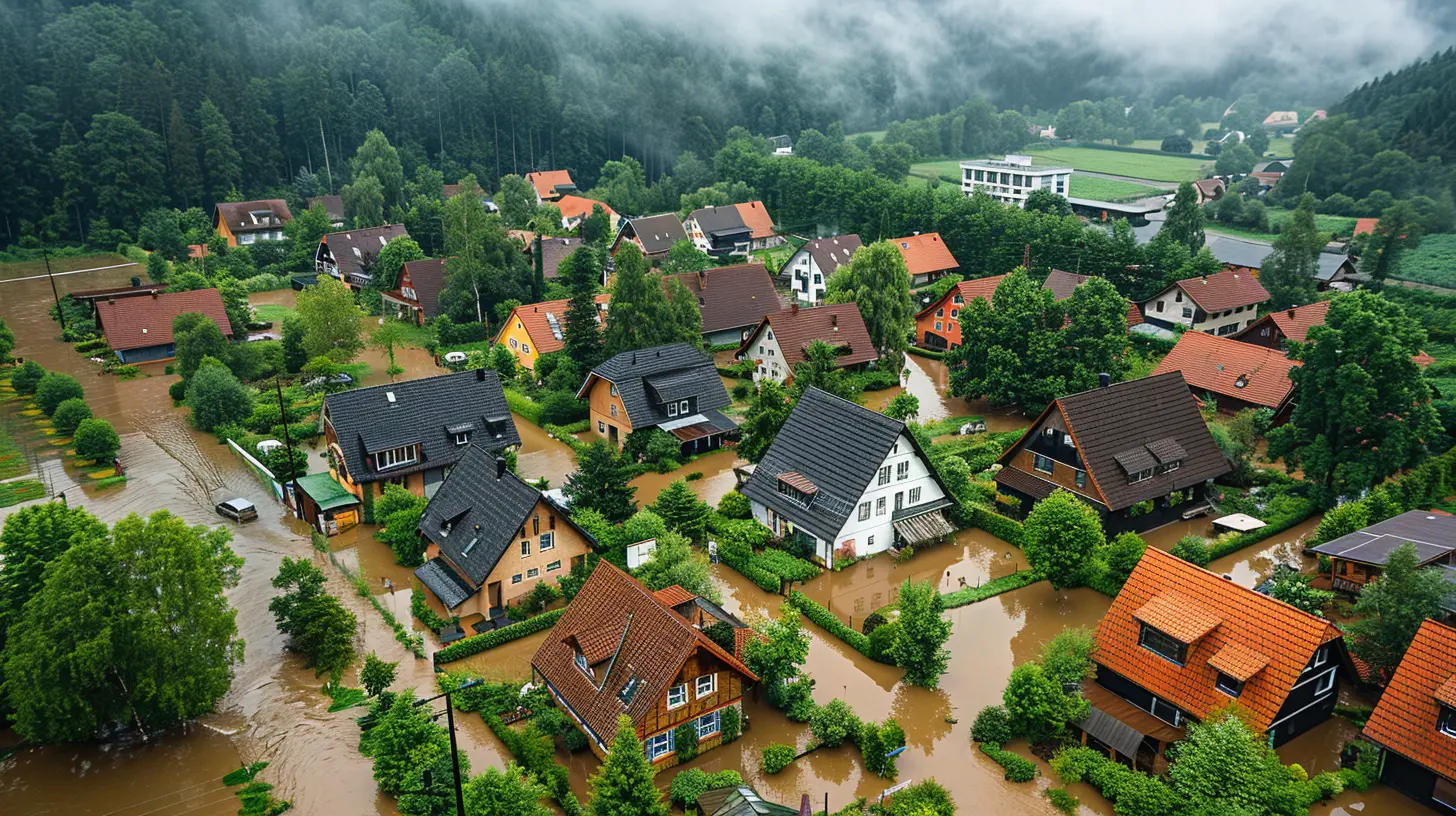
The Challenges of Zoning for Floodplain Management
While zoning offers tremendous benefits, it also comes with challenges.1. Resistance from Developers and Property Owners
Many developers and private landowners may disagree with floodplain zoning regulations, arguing that these restrictions lower property values or limit economic opportunities.However, when explained properly, the long-term benefits—such as reduced flood damage costs—become clearer.
2. Climate Change and Changing Flood Patterns
With climate change causing more intense and unpredictable flooding, historical floodplain maps may become outdated. This means zoning laws must continuously adapt to ensure long-term effectiveness.3. Balancing Growth and Safety
Cities must strike a balance between allowing economic growth while ensuring flood safety. This requires careful planning, investment in resilient infrastructure, and community awareness.What This Means for Homeowners and Buyers
If you're a homeowner or looking to buy property, understanding floodplain zoning is crucial. Here’s what you can do:- Check flood maps before purchasing property.
- Understand local zoning laws—some areas have strict development restrictions.
- Consider flood insurance, even if it’s not mandatory.
- Invest in flood-resistant modifications, like elevated foundations and flood barriers.
By staying informed, you can make smarter real estate decisions and protect your investment from future risks.
Conclusion
Zoning is a powerful tool in floodplain management and risk mitigation. By restricting high-risk development, enforcing elevation requirements, promoting flood-resistant infrastructure, and encouraging buffer zones, cities can significantly reduce flood-related damage.While challenges exist, the benefits of proactive zoning far outweigh the risks. With proper regulations, communities can build safer, flood-resilient environments—protecting people, their homes, and their livelihoods.
So, next time you hear about zoning laws, remember: they’re not just about city planning—they’re about protecting our future.
all images in this post were generated using AI tools
Category:
Zoning RegulationsAuthor:

Travis Lozano
Discussion
rate this article
1 comments
Parker Dorsey
Great article on the importance of zoning in floodplain management. It's crucial for communities to understand these regulations to effectively mitigate risks. Clear communication of zoning laws can empower residents and promote safer development practices. Thank you for shedding light on this vital topic.
June 1, 2026 at 4:34 AM
Travis Lozano
Thank you for your thoughtful comment! I'm glad you found the article helpful. Understanding zoning is indeed key to safer communities.