The Relationship Between Zoning Codes and Community Growth
3 July 2026
When most people think about community growth, they imagine new businesses, fresh housing developments, or revitalized public spaces. But what if I told you that a significant force shaping all of this is something not often discussed in casual conversations? That’s right—zoning codes. These urban planning tools often operate in the background, quietly influencing how a town or city expands, who lives where, and what gets built.
Zoning might not be the most exciting topic at first glance, but trust me, understanding it can give you a whole new perspective on how communities evolve. Let’s break it down.

What Are Zoning Codes?
At their core, zoning codes are rules that dictate how land in a community can be used. They determine whether an area can host residential homes, commercial buildings, industrial facilities, or a mix of these. These regulations may also control building height, density, parking requirements, and green space allocations.For example, have you ever wondered why a sprawling shopping center isn’t randomly placed in the middle of a quiet suburban neighborhood? Or why high-rise apartments aren’t usually found in small rural towns? That’s zoning at work.
Municipal governments establish zoning codes to ensure orderly development, balancing property rights with the broader needs of the community. But while zoning can help maintain harmony, it also has a significant impact—both positive and negative—on how a community grows.
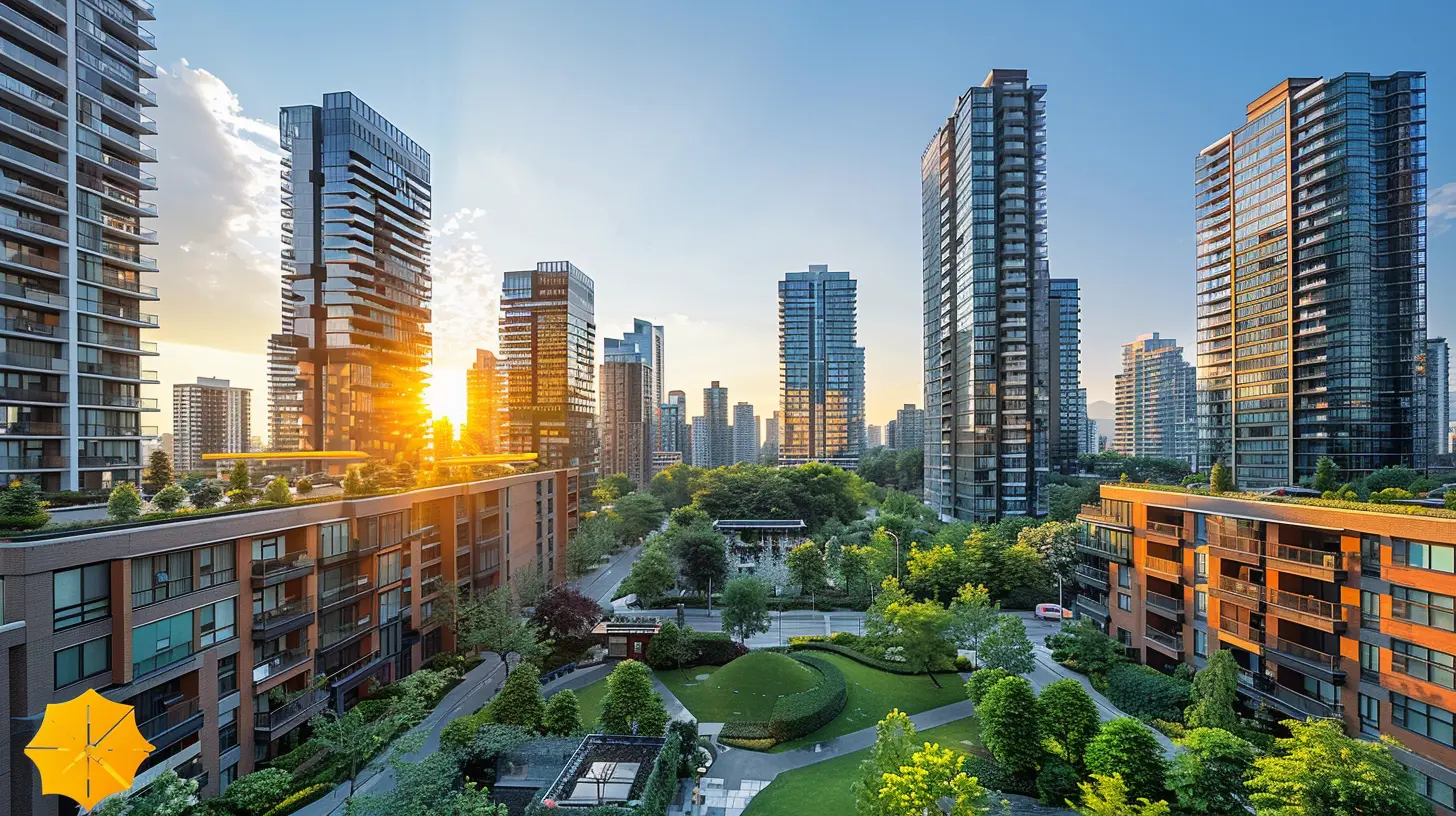
How Zoning Codes Drive Community Growth
Zoning is a powerful tool. When used correctly, it can foster economic development, create vibrant spaces, and improve residents' quality of life. Let’s look at how zoning plays a critical role in community expansion.1. Encouraging Economic Development
Proper zoning can fuel business growth and job creation. Commercial zones allow businesses to thrive by providing designated spaces for them to operate without interference from residential restrictions.Take mixed-use zoning, for example. This approach, which allows residential and commercial spaces to coexist, has led to the rise of dynamic, walkable neighborhoods. Think about areas where you can grab a coffee, shop for groceries, and walk back to your apartment without needing a car—that’s mixed-use zoning in action!
On the flip side, restrictive or outdated zoning laws can stifle business growth. If a community doesn’t provide enough space for commercial expansion, businesses may relocate elsewhere, leaving behind economic stagnation.
2. Shaping Housing Availability and Affordability
Housing shortages and skyrocketing real estate prices are major concerns in many cities. Zoning codes play a direct role in this issue.For instance, restrictive zoning laws—such as those that only allow for single-family homes—can limit the supply of housing, driving up prices. On the other hand, zoning reforms that allow for higher-density housing, such as duplexes, apartments, and accessory dwelling units (ADUs), can create more affordable living options.
Cities like Minneapolis and Portland have recently reformed their zoning policies to encourage more housing diversity, helping to combat affordability crises.
3. Influencing Community Character and Aesthetics
Every town or city has its unique charm. Whether it's a picturesque suburban neighborhood, a bustling business district, or a historic downtown area, zoning ensures that each area retains its intended character.Historic preservation zoning, for instance, helps protect architectural gems from being replaced by modern high-rises, preserving a city's cultural identity. Meanwhile, aesthetic zoning can require buildings to follow specific design guidelines, ensuring a visually appealing and harmonious community.
However, zoning must strike a balance. Overly strict design mandates can increase development costs, making it harder for new businesses and residents to settle in.
4. Managing Infrastructure and Public Services
Imagine if there were no zoning codes and developers could construct massive apartment complexes in areas with inadequate roads, schools, or sewer systems. The result? Overcrowded schools, traffic congestion, and insufficient public services.Zoning helps regulate growth in a way that ensures infrastructure keeps up with demand. When city planners anticipate population increases, they can make zoning adjustments that encourage growth while also investing in necessary infrastructure upgrades.

Challenges and Controversies in Zoning
While zoning provides structure and order, it isn’t without its problems. In some cases, zoning codes can create unintended barriers that slow growth or worsen social inequalities.1. Exclusionary Zoning and Socioeconomic Segregation
Zoning laws have historically been used to segregate communities, both economically and racially. In some areas, large-lot zoning (which requires homes to be built on big plots of land) has priced out lower-income residents by making housing unaffordable. Such practices contribute to a lack of diversity, deepening socioeconomic divides.Efforts to combat exclusionary zoning have been gaining momentum, with many cities reconsidering outdated zoning restrictions to promote more inclusive communities.
2. Red Tape and Bureaucracy
Developers often face zoning-related hurdles that delay projects for months—sometimes even years. Complex approval processes, countless hearings, and strict regulations can slow down housing and business development.While zoning is necessary to maintain order, municipalities must work to streamline processes to encourage responsible growth without unnecessary roadblocks.
3. Environmental Concerns
Zoning policies also intersect with environmental issues. Poorly planned zoning can lead to urban sprawl—where communities expand outward, consuming large amounts of land and increasing car dependency. This can negatively impact green spaces, wildlife habitats, and air quality.On the other hand, smart zoning—such as promoting high-density development and green building requirements—can minimize environmental harm while still supporting community growth.

The Future of Zoning and Community Growth
As cities expand and populations grow, zoning codes must adapt. Many urban planners and policymakers are rethinking traditional zoning strategies to promote more sustainable and inclusive development.1. Flexible Zoning for Changing Needs
Rather than rigid zoning laws that dictate only one use per area, many communities are experimenting with flexible zoning. This approach allows for adaptable land use that responds to changing economic and societal needs.For example, some cities are allowing more live-work spaces, where residents can operate small businesses from their homes—blurring the lines between residential and commercial zones in a way that benefits entrepreneurs and the community alike.
2. Transit-Oriented Development
With public transportation becoming a bigger priority, zoning reforms that promote transit-oriented development (TOD) are on the rise. This strategy encourages denser, mixed-use developments near public transit hubs, reducing car dependency and fostering vibrant, walkable neighborhoods.Cities like Denver and Washington, D.C., have embraced TOD to accommodate population growth without overwhelming infrastructure.
3. Sustainable and Green Zoning Practices
As concerns about climate change mount, zoning is evolving to promote sustainability. More communities are integrating eco-friendly zoning codes that require energy-efficient buildings, green roofs, and more public green spaces.These forward-thinking practices not only benefit the environment but also improve residents' overall well-being by creating healthier, more livable spaces.
Final Thoughts
Zoning codes might not grab headlines like new skyscrapers or trendy urban developments, but they are the backbone of community growth. They influence where people live, work, and play, shaping the character of cities and towns in profound ways.When zoning is thoughtful and inclusive, it has the power to foster economic prosperity, enhance affordability, and create vibrant, connected communities. But when misused or outdated, it can stifle growth, deepen inequalities, and contribute to sprawl.
As city planners and policymakers continue to adapt zoning laws to modern needs, communities have an opportunity to grow smarter, greener, and more inclusive. The next time you walk through your neighborhood, take a moment to appreciate the invisible rules that helped shape it—you might just see your surroundings in a whole new light.
all images in this post were generated using AI tools
Category:
Zoning RegulationsAuthor:

Travis Lozano
Discussion
rate this article
1 comments
Georgina McGovern
Zoning codes play a crucial role in shaping community growth. They determine land use, influence development patterns, and impact housing availability, making them essential for balancing progress and neighborhood needs.
July 6, 2026 at 11:50 AM
Travis Lozano
You're absolutely right. Zoning codes are vital for guiding sustainable development while addressing the unique needs of each community.