The Importance of Zoning Boundaries in Real Estate
20 November 2026
Zoning boundaries might not seem like the most exciting topic in real estate, but trust me, they’re incredibly important. Whether you're buying a home, investing in commercial property, or developing land, zoning laws shape what can and can't be done with a piece of real estate. And if you ignore them? Well, let's just say you could be in for some serious trouble.
In this article, we’ll dive deep into the role of zoning boundaries in real estate—why they matter, how they affect property values, and what you need to watch out for when making any real estate decision. 
What Are Zoning Boundaries?
Before we go any further, let’s clarify what zoning boundaries actually are. Zoning laws are local regulations that dictate land use within a city or municipality. These laws divide land into different sections—known as zoning districts—to control and direct development in an organized way.Zoning boundaries, then, are the invisible lines that define where one zoning district ends and another begins. These boundaries determine what kind of buildings can go up in a given area, what businesses can operate there, and even finer details like parking requirements and building heights.
Now, you might be thinking: "Okay, but why does that matter to me?" Well, let’s break it down. 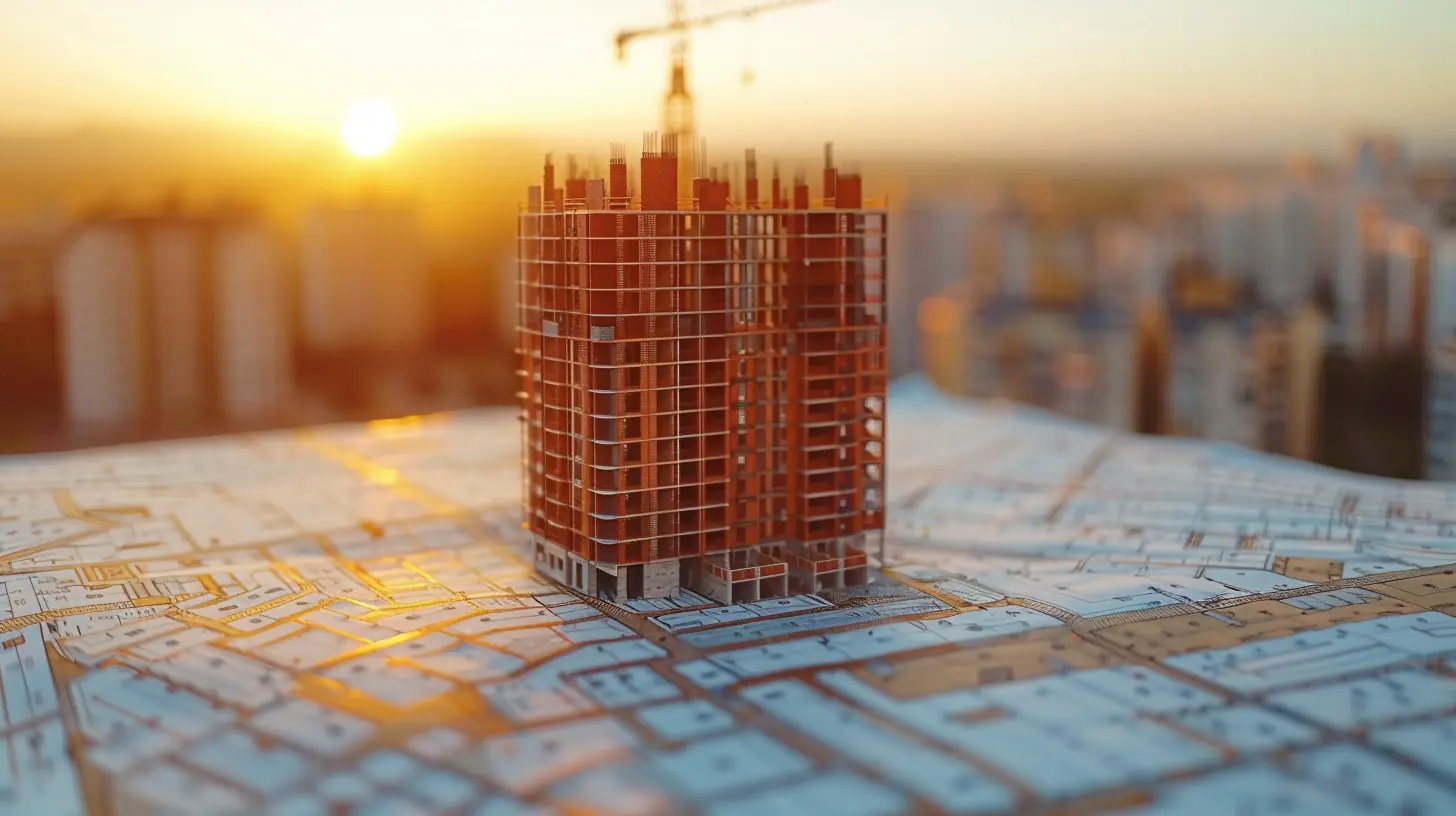
Why Zoning Boundaries Matter in Real Estate
Zoning might seem like just another layer of red tape, but it plays a huge role in shaping neighborhoods, maintaining property values, and protecting community interests. Here’s why zoning boundaries are so critical:1. They Dictate Land Use
Imagine buying a home in what you think is a quiet residential neighborhood, only to find out later that a massive apartment complex is about to be built right next door. Not ideal, right? Zoning boundaries prevent this kind of chaos by clearly defining what types of buildings can be constructed in specific areas.There are several common zoning types, including:
- Residential (single-family homes, apartments, condos)
- Commercial (offices, retail stores, restaurants)
- Industrial (factories, warehouses)
- Mixed-use (a blend of residential and commercial spaces)
Knowing the zoning designation of a property before buying or developing it ensures that you won’t run into unexpected headaches down the line.
2. They Protect Property Values
Zoning laws help maintain stable property values by keeping incompatible land uses separate. For example, if you own a beautiful suburban home, you probably don’t want a loud nightclub or an industrial plant popping up next door.By enforcing zoning boundaries, local governments maintain the integrity of different types of areas—ensuring that residential zones stay attractive to homeowners, commercial areas remain vibrant for businesses, and industrial zones don’t interfere with neighborhood livability.
3. They Influence Future Development
Zoning boundaries aren’t set in stone—they evolve with time. If a city is growing, rezoning may occur to allow for new developments. This is where smart investors and developers pay close attention.For instance, if you buy a property near a zoning boundary that’s slated for commercial rezoning, its value could skyrocket when businesses start moving in. On the flip side, if your neighborhood is suddenly rezoned for high-density apartments, you might see a shift in traffic and property values.
4. They Impact Business Opportunities
If you’re a real estate investor or business owner, zoning can make or break your success. Certain zoning laws regulate things like:- Whether you can run a business from home
- The type of business you can open in a specific district
- The size and height of buildings
- How much parking must be provided
Before signing a lease or purchasing property for your business, it’s crucial to check the zoning regulations. The last thing you want is to invest in a space, only to find out later that you can’t legally operate there. 
Common Zoning Issues to Watch Out For
Zoning boundaries are necessary, but they can also create some challenges. Here are a few common zoning issues that property owners and investors should keep an eye out for:1. Zoning Changes and Rezoning Challenges
Zoning laws aren’t permanent, and local governments can change them as needed. If you own property and find out that the city is considering rezoning your area, it could impact property values, business regulations, or even your ability to renovate or expand.Whenever you invest in real estate, especially in fast-growing cities, it’s smart to stay informed about zoning discussions in the local planning department.
2. Variances and Special Permits
What if your property doesn’t quite fit into the designated zoning rules? Sometimes, property owners can apply for a variance or special permit to allow for specific uses outside of the standard zoning regulations.For example, if your home is in a strictly residential zone but you want to open a small home-based business, you might need a special permit. But these aren’t always easy to get, so it’s better to research before making any major plans.
3. Non-Conforming Use Issues
Non-conforming use refers to properties that existed before the current zoning laws were put in place. These properties are often "grandfathered in," meaning they can continue operating even if they don’t meet current zoning regulations.However, if that property changes ownership or undergoes significant renovations, it might have to comply with the new zoning laws—which can sometimes mean costly modifications or even shutting down a business.
4. Encroachments and Boundary Disputes
Zoning boundaries are different from property boundaries, but they can overlap in ways that lead to disputes. If you own land near a zoning boundary line, you could end up in a legal battle if a neighbor or builder encroaches into your zoning district.This is why it’s always a good idea to get professional assistance, like a land surveyor or real estate attorney, when dealing with boundary-related issues. 
How to Check Zoning Laws in Your Area
If you’re thinking about buying, selling, or developing property, you should always check the zoning laws first. Here’s how you can do that:1. Visit Your Local Government’s Website – Most city and county governments have zoning maps and regulations posted online.
2. Call the Zoning Office – If you need clarification, speaking directly with a zoning administrator can save you a lot of time and confusion.
3. Hire a Land Use Attorney – If you have complex zoning concerns, a legal expert can help you navigate regulations and permits.
4. Request a Property Zoning Report – Some real estate professionals provide detailed zoning reports that break down all the rules associated with a property.
Final Thoughts
Zoning boundaries are one of those behind-the-scenes factors that significantly impact real estate. Whether you're buying, building, or investing, understanding how zoning laws work could be the difference between a successful purchase and a costly mistake.So, before you sign that next contract or start developing land, do your homework. Zoning regulations can either be your best friend or your worst nightmare—it all depends on how well you understand them.
Want to avoid zoning-related headaches? Always check zoning laws before making a real estate move. Trust me, it’s better to be safe than sorry!
all images in this post were generated using AI tools
Category:
Zoning RegulationsAuthor:

Travis Lozano