The Impact of Zoning on Urban Expansion
24 July 2026
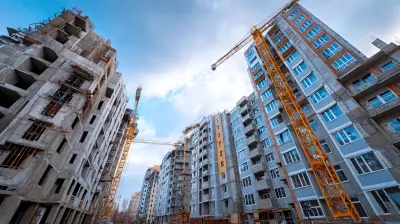
Urban expansion is inevitable. As cities grow, they need more space for housing, businesses, and public infrastructure. But how this growth happens isn’t random—it’s shaped by zoning laws. These regulations dictate what can be built and where, influencing everything from property values to traffic congestion.
But is zoning a blessing or a curse for urban expansion? Let’s dive deep into the impact of zoning on growing cities and whether it’s helping or hindering urban development.
What is Zoning?
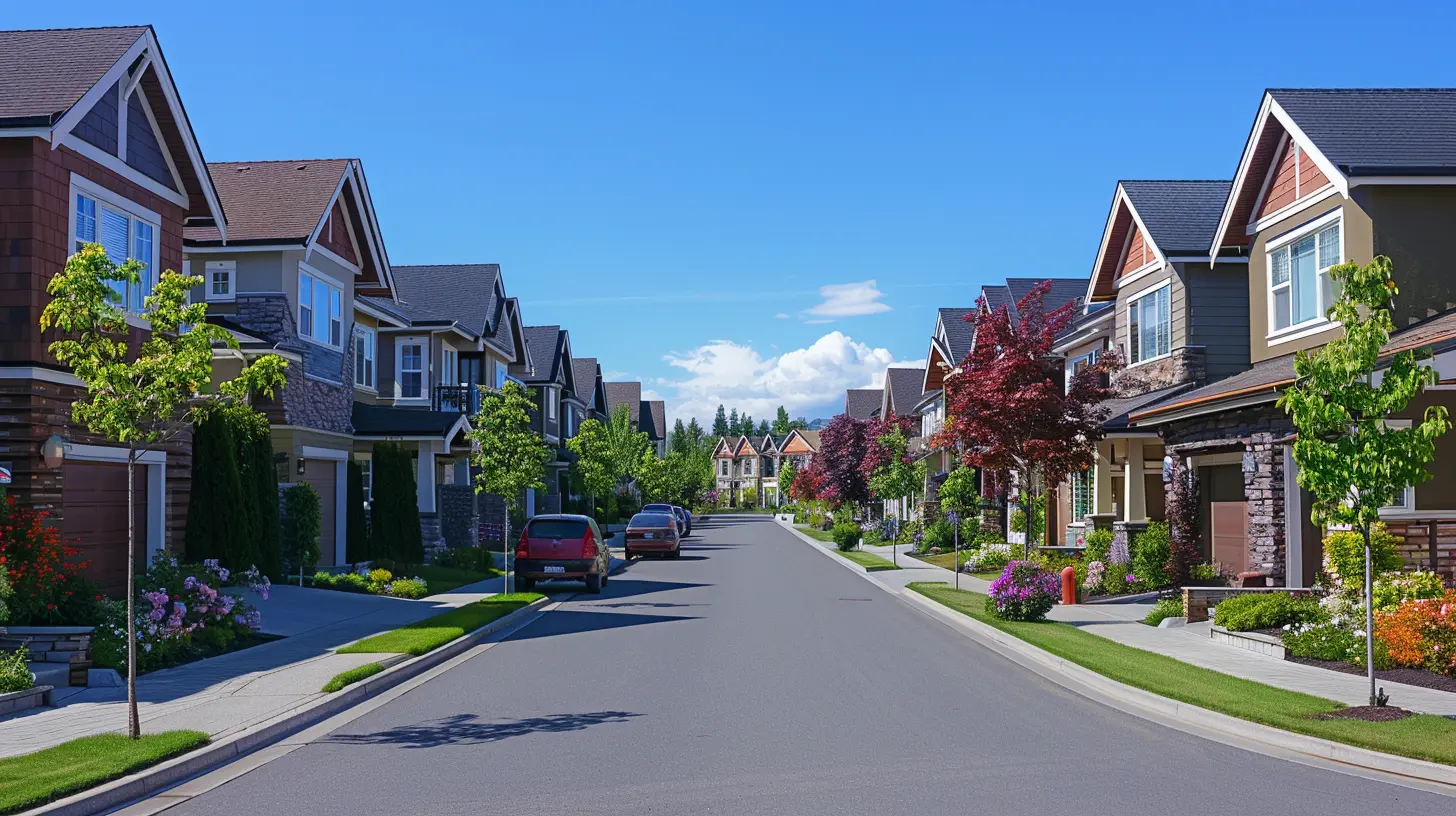
Before we get into the impact, let’s clarify what zoning actually means. Zoning is a set of laws that control land use within a city or town. These regulations determine where homes, businesses, and industries can be located.For example, a city might divide land into:
- Residential Zones – Areas where houses and apartments are allowed
- Commercial Zones – Spaces designated for businesses like shops and offices
- Industrial Zones – Reserved for factories and warehouses
- Mixed-Use Zones – Areas that allow a combination of residential, commercial, and sometimes industrial use
Essentially, zoning is a city’s way of organizing growth, ensuring different types of development don’t clash. But while that sounds good on paper, zoning laws have a massive influence on how cities expand—and not always in a positive way. 
How Zoning Affects Urban Expansion
1. Regulating Growth and Preventing Chaos
Without zoning, cities would be an absolute free-for-all. Imagine a quiet suburban neighborhood suddenly having a noisy factory built next door—nobody would be happy. Zoning prevents such chaos by separating incompatible land uses.By controlling what can be built where, zoning creates a structured approach to urban expansion, ensuring developments are orderly and sustainable. It also helps governments plan for essential services like roads, schools, and utilities.
However, while zoning brings order, it can also create many unexpected challenges.
2. Zoning Can Limit Housing Availability
One major downside to strict zoning laws is how they can restrict the availability of housing. Many cities enforce single-family zoning, which only allows standalone homes in particular areas. While this might preserve neighborhood character, it significantly reduces the amount of land available for apartments and multi-family housing.The result? Housing shortages, skyrocketing property prices, and increased gentrification. Young professionals and low-income families often struggle to find affordable places to live because zoning laws make certain areas off-limits for high-density housing.
Some experts argue that relaxing zoning laws would allow for more mixed-use and high-density developments, ultimately helping cities grow in a way that meets housing demands.
3. Urban Sprawl: A Side Effect of Restrictive Zoning
Ever notice how cities tend to spread out rather than build up? That’s largely due to zoning. When cities enforce strict height restrictions and low-density zoning in urban centers, developers look elsewhere for land—usually in suburban areas.This phenomenon, known as urban sprawl, leads to:
- Longer commutes
- Increased traffic congestion
- Higher infrastructure costs
- Loss of natural landscapes and farmland
Urban sprawl makes cities less walkable and more car-dependent, which isn’t ideal for sustainability or quality of life. In contrast, cities with flexible zoning that allow for mixed-use developments encourage compact, pedestrian-friendly growth instead of endless suburban expansion.
4. The Role of Zoning in Property Values
Zoning plays a huge role in determining property values. A landowner sitting on a plot that’s zoned for high-rise apartments is sitting on a goldmine, while someone next door with land zoned for single-family homes may not see the same financial benefits.This selective zoning can create huge disparities in land value, often benefiting developers and investors while making it harder for everyday homeowners to navigate the real estate market.
Additionally, zoning changes can dramatically impact property prices. If a city rezones an area to allow high-density housing, demand for land in that region can skyrocket overnight. This has led to countless zoning battles where residents, investors, and politicians fight over land use decisions.
5. Zoning’s Influence on Commercial Development
Zoning doesn’t just impact housing—it also shapes commercial expansion. Cities with overly strict commercial zoning may struggle to attract businesses, while those with more flexible zoning laws can encourage economic growth.For example, in cities where mixed-use zoning is allowed, businesses can thrive in residential areas, making neighborhoods more vibrant and walkable. Think about towns where you can grab a coffee at a corner café right below an apartment complex—this type of zoning encourages an integrated, community-friendly atmosphere.
On the flip side, inflexible commercial zoning can lead to sprawling business districts that force people to travel long distances just to shop or eat out.
The key is balance—cities need zoning laws that protect communities while still supporting economic expansion. 
The Future of Zoning in Urban Expansion
As cities continue to grow, zoning laws must evolve to meet modern needs. Some cities are already rethinking their zoning regulations to encourage smarter urban expansion.1. Upzoning for Higher-Density Housing
Cities like Minneapolis and Portland have started upzoning, which allows for greater housing density in traditionally low-density areas. By permitting duplexes and apartment buildings in areas previously reserved for single-family homes, these cities are addressing housing shortages head-on.2. Encouraging Transit-Oriented Development
Many cities are adopting transit-oriented development (TOD) strategies, where zoning laws promote high-density housing and commercial spaces near public transportation hubs. This reduces car dependency and fosters sustainable urban growth.3. Flexible Mixed-Use Zoning
More cities are embracing mixed-use zoning, allowing residential and commercial properties to coexist. This not only makes cities more walkable but also reduces the need for long commutes.4. Eliminating Parking Minimums
Traditional zoning often requires new developments to include a set number of parking spaces, even in areas where public transportation is available. Some cities are scrapping these outdated rules to encourage more efficient land use.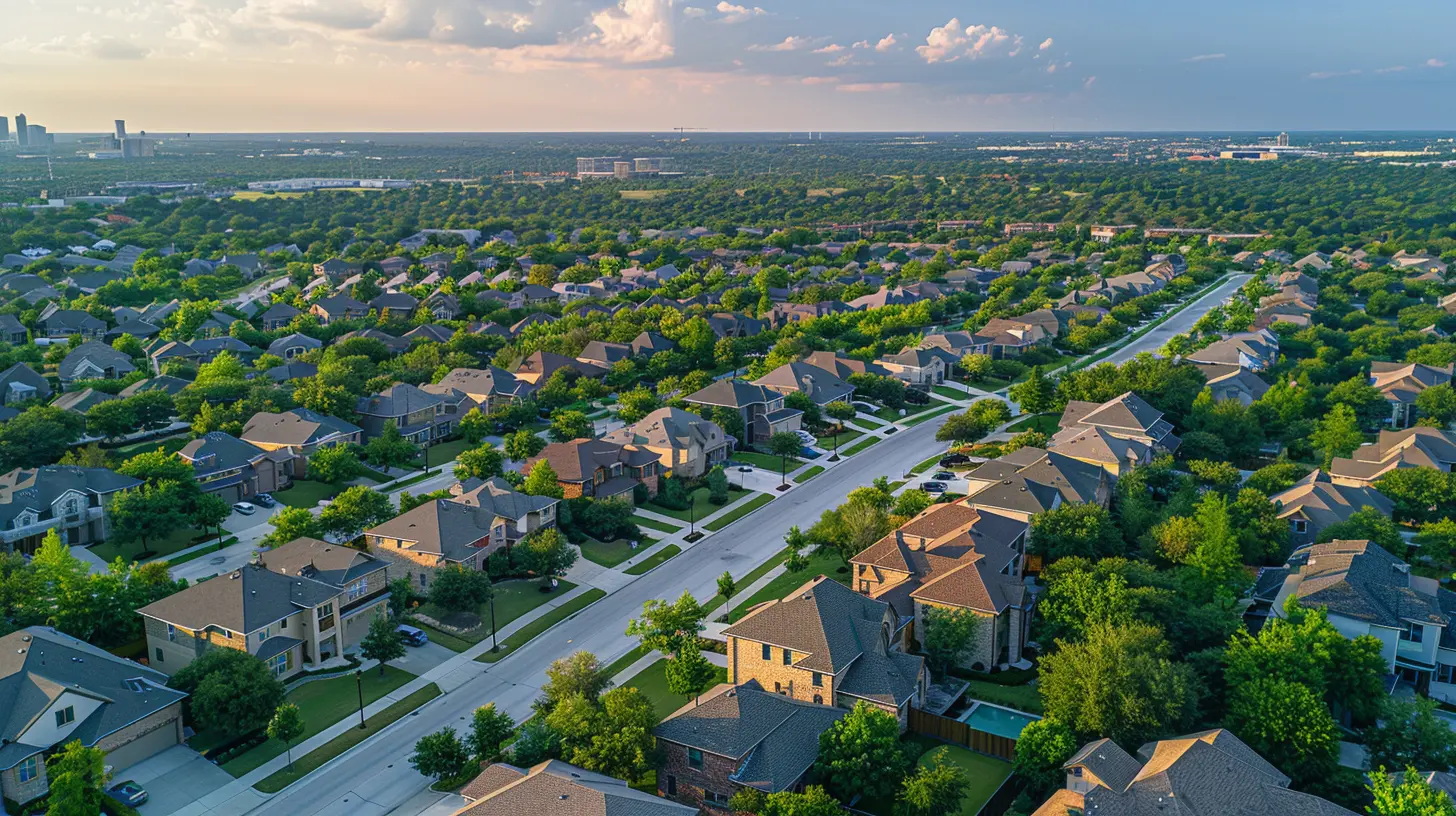
Final Thoughts
Zoning is both a powerful tool and a double-edged sword when it comes to urban expansion. While it helps keep cities organized and prevents chaotic development, restrictive zoning can limit housing availability, contribute to urban sprawl, and drive up property prices.To support sustainable urban growth, cities must rethink outdated zoning laws and embrace more flexible, forward-thinking policies. The future of urban expansion depends on how well cities can adapt zoning regulations to balance order, affordability, and economic growth.
At the end of the day, zoning should work for the people—not against them.
all images in this post were generated using AI tools
Category:
Zoning RegulationsAuthor:

Travis Lozano
Discussion
rate this article
1 comments
Molly McFarlane
Zoning regulations play a crucial role in shaping urban growth. By controlling land use, they can either encourage vibrant development or stifle potential. Thoughtful planning is essential for future expansion.
July 24, 2026 at 2:59 AM
Travis Lozano
Thanks for your insights. You're right-zoning is key to either fostering growth or limiting it. Thoughtful regulations can make all the difference.