Can New Construction Catch Up With Demand Before 2026 Ends?
6 October 2026
The short answer is: not everywhere, and not in the way most buyers hope. The longer answer requires separating the housing market into its component parts, because new construction is not one thing. It is a luxury condo tower in Austin, a build-to-rent subdivision outside Phoenix, a scattered-site infill project in Cleveland, and a manufactured home on a leased lot in rural Georgia. Each of those segments faces different constraints, different timelines, and different definitions of "catching up."
What follows is a practical framework for thinking about whether supply can meet demand by the end of 2026. It covers the structural bottlenecks, the segments where progress is genuinely possible, the ones where it is not, and what buyers, investors, and local officials should actually do with that information.
What "Catching Up" Actually Means
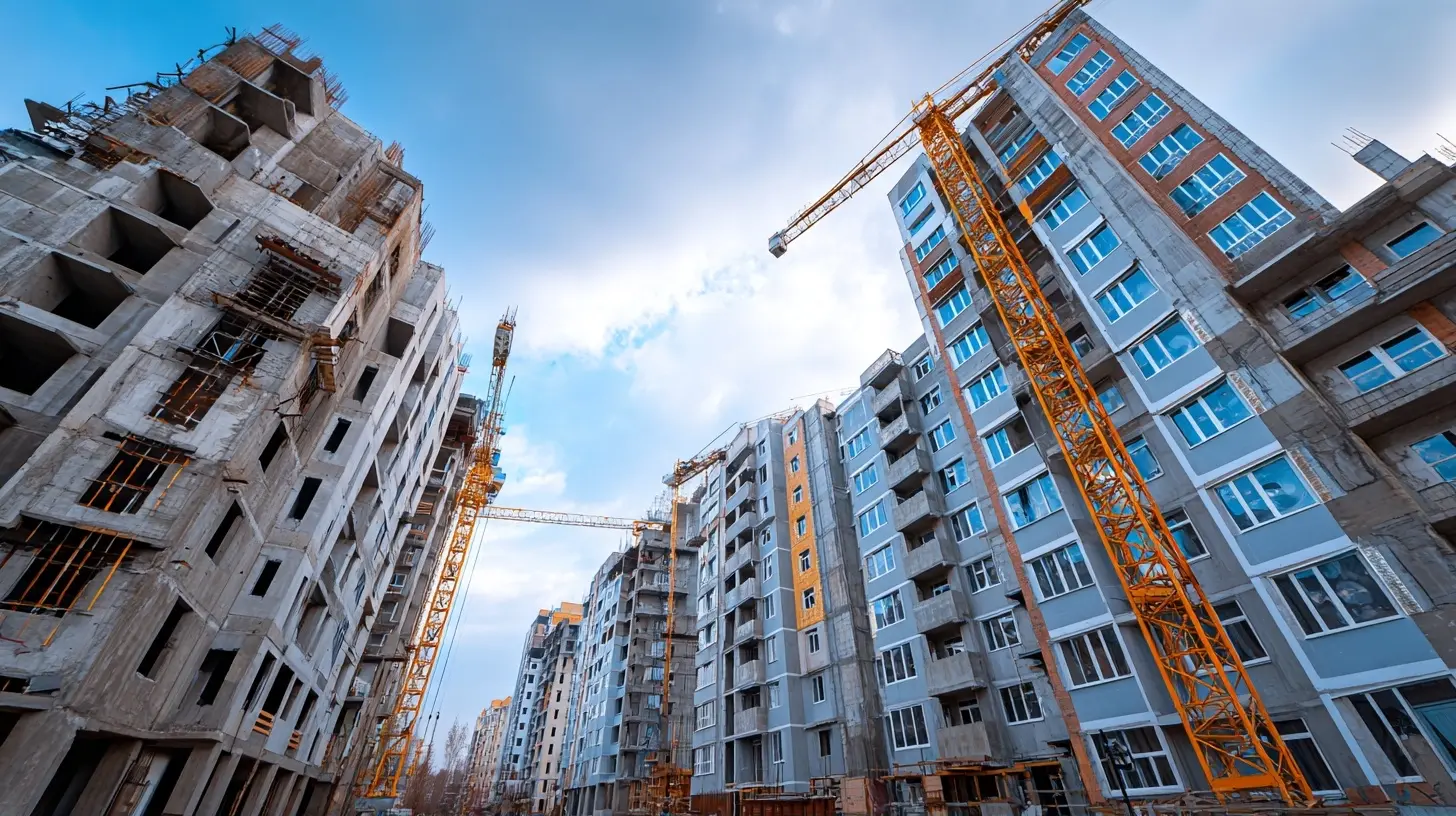
Before debating whether construction can close the gap, define the gap. Most headline numbers about housing shortages come from estimating how many additional units would be needed to return to some historical norm of vacancy, affordability, or household formation. Those estimates are useful for advocacy and nearly useless for decision-making, because they treat a national figure as if it described a single market.A more honest framing: catching up means different things in different places.
In a market with strong job growth and limited land, catching up might mean stabilizing price growth rather than reducing prices. In a declining region with excess older housing stock, catching up might mean demolishing or rehabbing units rather than building new ones. In a market where demand is driven by investors rather than owner-occupants, catching up might mean shifting the mix of what gets built, not increasing the total.
So the question "can new construction catch up" is really several questions. Can it catch up in the specific submarkets where the shortfall is most acute? Can it catch up in the product types that middle-income households can actually afford? And can it do so on a timeline that matters before the end of 2026?
The Timeline Problem
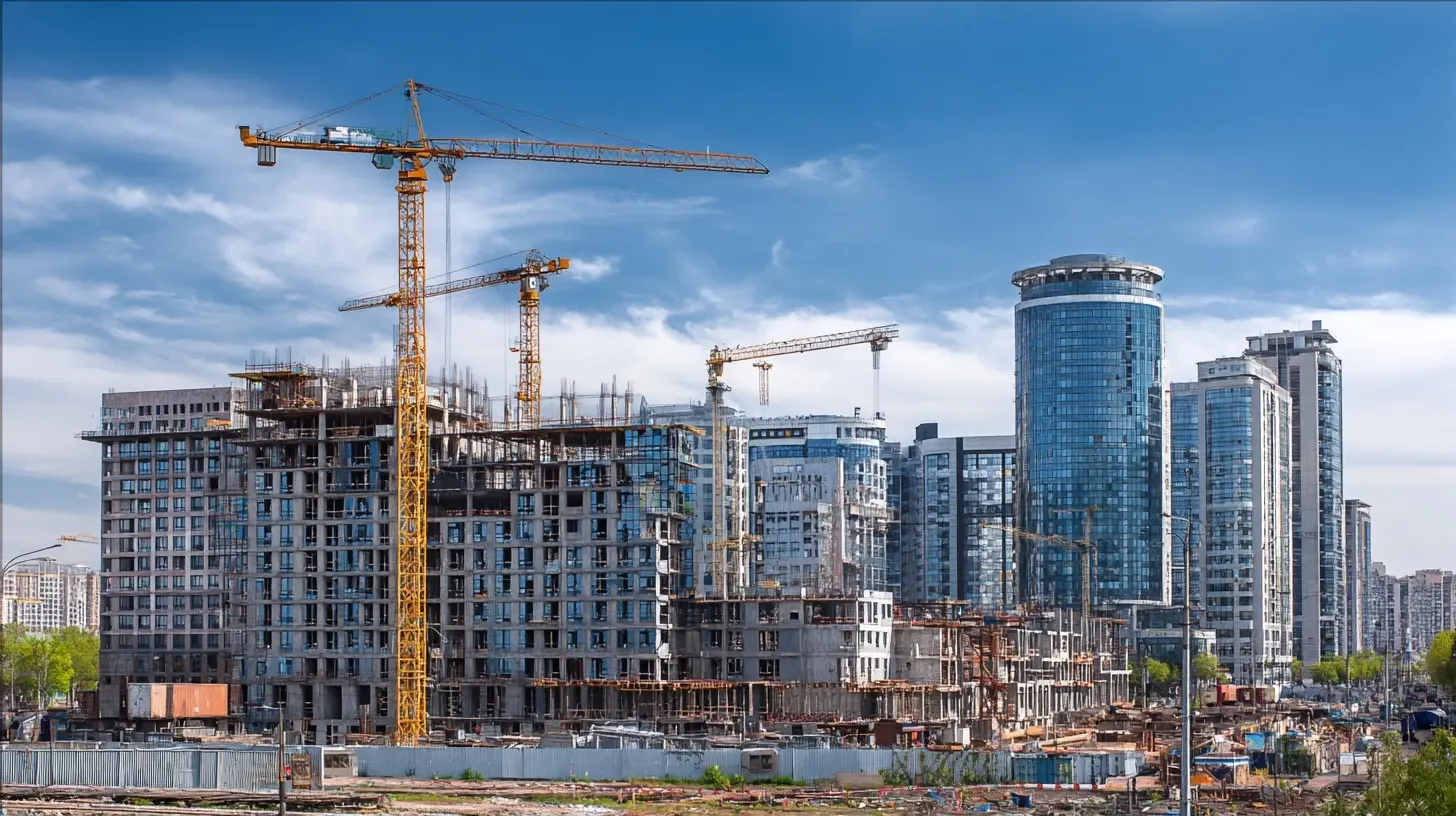
Construction timelines are longer than most people assume. A single-family home in a functioning market can go from permit to occupancy in six to ten months. That sounds fast. But the permit itself may take weeks or months, and the entitlement process before the permit can take years in jurisdictions with discretionary review.For larger projects, the math is brutal. A 200-unit apartment building might spend 18 to 36 months in design, entitlement, and financing before a shovel touches dirt, then another 18 to 30 months under construction. If a project has not already broken ground by the time you read this, it is unlikely to deliver meaningful units before 2026 ends.
This is the single most important insight for anyone trying to forecast supply: the pipeline for 2026 is largely already determined. Projects that will deliver in 2026 are mostly under construction or fully entitled today. Policy changes made now will affect 2027 and beyond, not 2026.
That does not mean nothing can change. It means the levers that matter for the next two years are different from the levers that matter for the next decade.
Where Supply Can Realistically Move
The Sun Belt and the "Easy Build" Markets
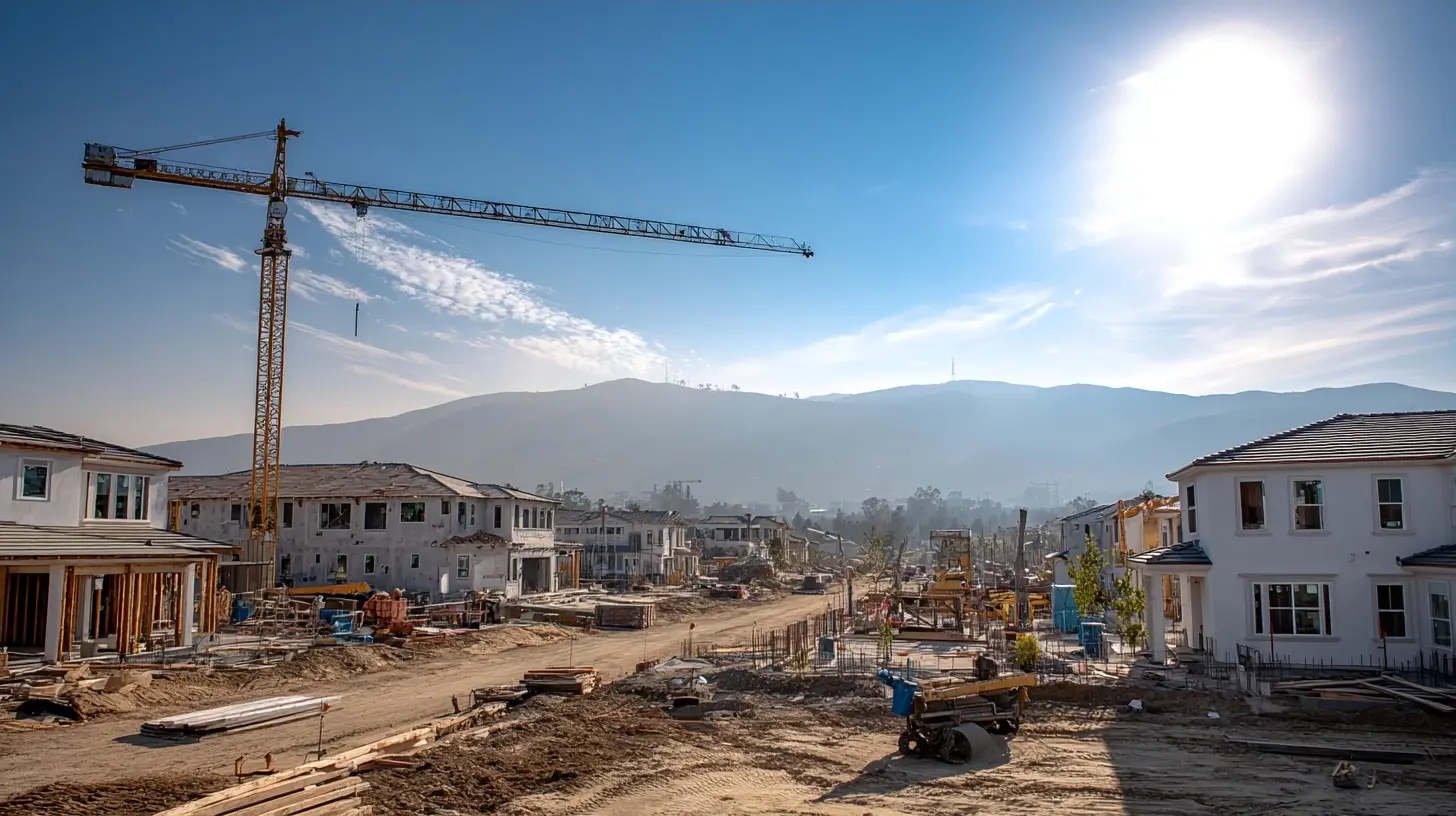
Markets with abundant flat land, permissive zoning, and fewer discretionary approvals can add units quickly. Parts of Texas, Florida, Tennessee, and the Carolinas have historically fit this description. In these markets, the constraint is less regulatory and more financial: interest rates, construction costs, and labor availability.When rates fall or stabilize, these markets can ramp quickly. When rates rise, they stall just as quickly. The 2022 to 2024 period demonstrated this clearly, with many builders slowing starts not because they could not get approvals but because the economics of a new mortgage or a new lease no longer penciled out.
For 2026, the key variable in these markets is not whether they can build, but whether buyers and renters can absorb what gets built at prevailing prices. Supply catching up to demand in a technical sense does not help if the resulting units sit empty because they are priced above what the local market can pay.
Infill and Missing Middle
Smaller projects, typically between two and 50 units, can move faster than large ones. They also tend to face fewer financing hurdles because they do not require the same scale of capital stack. In cities that have legalized duplexes, triplexes, and small apartment buildings by right, these projects have become a meaningful source of new supply.The catch is that this supply is slow to aggregate. A hundred small projects by a hundred different owners do not coordinate. They also tend to appear in neighborhoods where land is cheaper, which may not be where demand is strongest.
Still, for 2026, infill is one of the few segments where a motivated builder can realistically deliver units within the window. The trade-off is that the total volume is limited, and the per-unit cost is often higher than suburban greenfield construction because of land, demolition, and site work.
Manufactured and Modular
Factory-built housing has long been promoted as a way to cut costs and timelines. In practice, the results are mixed. Modular projects can reduce on-site construction time, but they often shift delays to the factory, the transportation, or the permitting stage. Manufactured homes are faster and cheaper, but they face financing and land-tenure issues that limit their appeal to many buyers.For 2026, these methods are unlikely to close a meaningful share of the gap in high-demand metros. They can help in specific niches, particularly in rural areas and in markets where land is cheap and codes are flexible. Treat them as part of the solution, not the solution.
The Bottlenecks That Will Not Resolve Quickly
Entitlement and Local Opposition
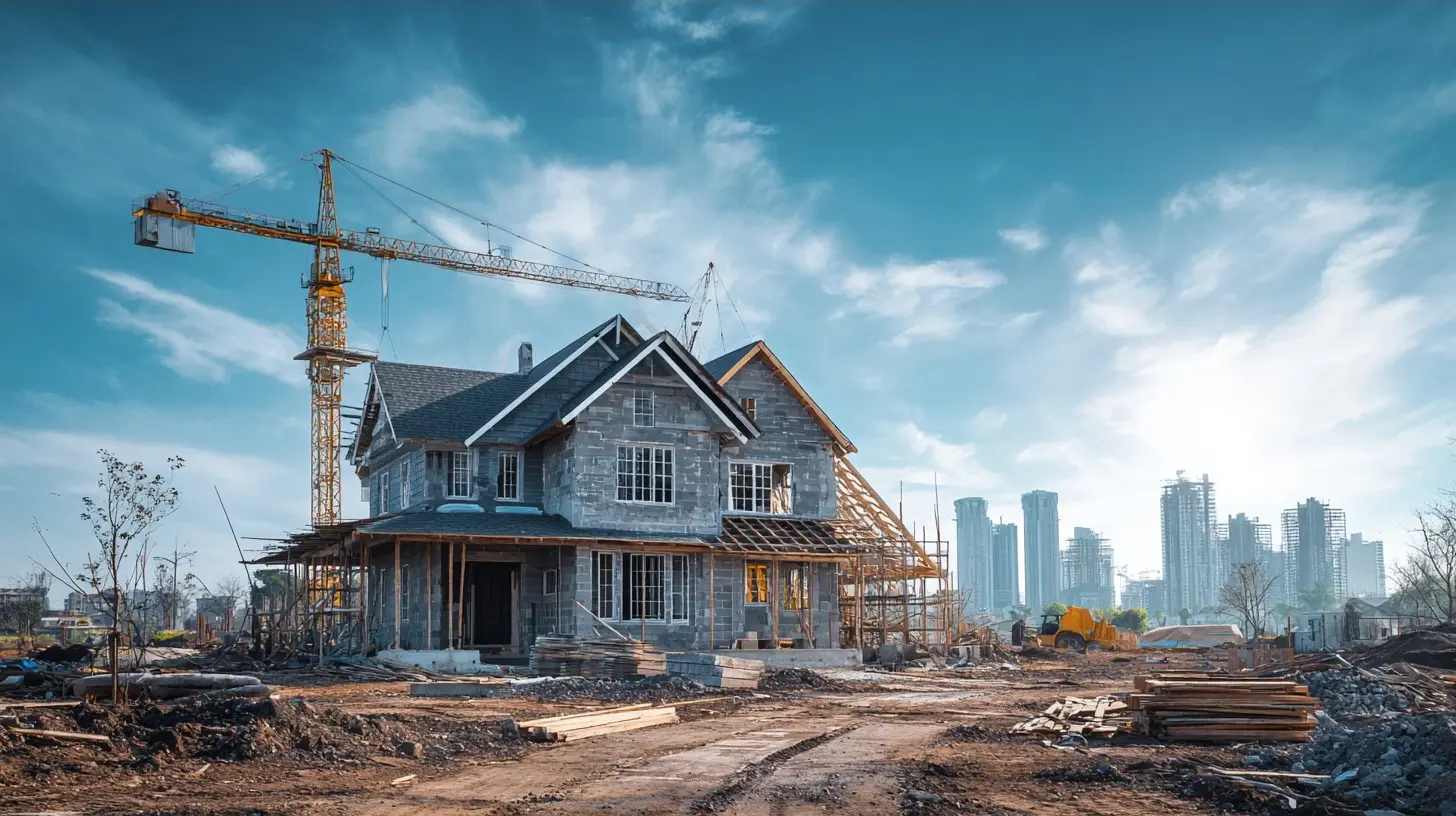
The single largest constraint on new construction in high-demand markets is not materials or labor. It is the ability to get permission to build. Discretionary review, environmental challenges, neighborhood opposition, and lengthy public processes can add years to a project and kill many outright.Reform efforts are underway in many cities, but the results take time. Even a well-designed upzoning passed in 2025 will not produce units by 2026. It will produce units in 2028 and beyond, if it produces them at all.
Construction Costs
Material costs have stabilized from their pandemic peaks, but they have not returned to pre-2020 levels. Labor remains tight, particularly for skilled trades. Insurance costs in some markets have risen sharply. These costs put a floor under what new housing can sell or rent for, which in turn limits how much of the demand from lower-income households new construction can serve.Financing
Higher interest rates affect both builders and buyers. Builders face higher costs on construction loans, which reduces the number of projects that pencil out. Buyers face higher mortgage payments, which reduces how much they can pay. The result is a market where supply and demand can both be constrained at the same time, which makes "catching up" a moving target.What Buyers Should Do With This Information
If you are shopping for a home and hoping that new construction will eventually relieve pressure on prices, do not wait for a national trend. Act on your local market.In markets where new construction is genuinely ramping up, you may have more negotiating room than the headlines suggest. Builders with inventory to move are often more flexible than resale sellers, particularly near the end of a quarter or a fiscal year. Ask about incentives, rate buydowns, and closing cost credits. These are often more valuable than a modest price reduction.
In markets where construction is stalled, waiting is unlikely to help. The supply that would relieve pressure is not coming before 2026, and possibly not after. If you can afford to buy and plan to stay for several years, the case for buying is not made weaker by the shortage. It may be made stronger.
What Investors Should Consider
For investors, the opportunity is not in betting on a broad supply surge. It is in identifying specific segments where supply can actually respond.Build-to-rent in markets with strong job growth and limited for-sale inventory has been one such segment, though it has become more competitive and more expensive. Infill rental in cities that have legalized small multifamily by right is another, though the returns depend heavily on local rents and construction costs.
The mistake to avoid is assuming that a national shortage translates into a local opportunity. A shortage in one market can coexist with oversupply in another, and capital that ignores this distinction tends to underperform.
What Local Officials Should Do
If the goal is to increase supply before 2026 ends, the highest-leverage actions are those that speed up projects already in the pipeline. That means:- Reducing review times for projects that already comply with existing rules.
- Allowing administrative approval for projects that meet objective standards, rather than requiring discretionary hearings.
- Waiving fees or deferring them until occupancy for projects that are otherwise ready to go.
- Prioritizing inspections and utility connections for projects nearing completion.
These measures will not create a wave of new construction. They can, however, help existing projects finish sooner, which is the only realistic way to add supply within the window.
Longer-term reforms, such as upzoning, by-right approval for missing middle housing, and eliminating parking minimums, matter more over a decade. They are worth pursuing, but they should not be sold as a solution to a 2026 problem.
Common Misconceptions
"Builders will flood the market once rates drop." Builders respond to margins, not rates alone. If costs remain high and buyers remain stretched, lower rates will not automatically produce a surge. Many builders are also disciplined about not oversupplying a market, having been burned in past cycles."New construction always relieves pressure on existing homes." New luxury units can relieve pressure at the top of the market, which can cascade downward over time. But the cascade is slow, and it does not help households at the bottom of the market in the near term.
"The shortage is a national problem." It is a collection of local problems that happen to be widespread. Solutions that ignore local conditions tend to fail.
"More construction means lower prices everywhere." In markets with strong in-migration, new construction can be absorbed without any price relief. Supply catching up to demand does not mean prices fall. It means prices stop rising as fast.
A Realistic Outlook for 2026
By the end of 2026, some markets will have made real progress. These will mostly be places with permissive zoning, available land, and strong demand that can support new construction at current costs. In these markets, supply may roughly keep pace with demand, and price growth may moderate.Other markets will fall further behind. These will be places with restrictive zoning, limited land, and demand that outstrips what the local construction industry can deliver. In these markets, the gap will widen, and affordability will worsen.
The national picture will be a blend of these outcomes, which is why national forecasts are less useful than local ones. The right question is not "can new construction catch up" in general. It is "can new construction catch up here, and what does that mean for my decision?"
Practical Takeaways
For buyers: focus on your local market, not national headlines. Ask builders about incentives. Do not wait for a supply wave that may not reach you.For investors: identify segments where supply can actually respond, and avoid assuming that a national shortage translates into a local opportunity.
For officials: speed up what is already in the pipeline, and pursue longer-term reforms with realistic timelines.
For everyone: understand that housing supply is slow, local, and constrained by forces that do not respond to wishful thinking. The gap will not close by 2026 in most places. In some, it will not close at all without sustained changes to how and where we build.
That is not a pessimistic conclusion. It is a practical one. The sooner we plan around it, the better the decisions we make.
all images in this post were generated using AI tools
Category:
Rising Home PricesAuthor:

Travis Lozano