How Rental Prices Are Shaped by Market Trends
4 January 2026
Renting a home has always been a hot topic—whether you're a tenant trying to find an affordable place or a landlord figuring out how much to charge. Ever noticed how rent prices seem to change constantly? Some years, you're paying through the nose, and other times, it feels a little more reasonable.
Well, that’s all because rental prices aren’t just random numbers; they’re shaped by market trends. From economic shifts to population growth, several factors come into play. Let’s break it all down and see what really drives rental prices. 
1. Supply and Demand: The Biggest Influencer
If there’s one golden rule in real estate, it’s that supply and demand dictate price. When more people are looking for rentals than there are available units, rents skyrocket. On the flip side, when there are more available properties than renters, prices drop.When Demand Rises:
- A booming job market in a city attracts more people, increasing demand for housing.- Low mortgage rates make it easier for first-time homebuyers, which means fewer people renting—but only temporarily.
- Urban areas see population growth, making rental units more valuable.
When Supply Increases:
- New apartment complexes flood the market, giving renters more choices.- A housing crisis forces homeowners to rent out properties instead of selling.
- City zoning laws change, allowing for more multi-family developments.
It’s the classic case of too many buyers for too few goods. When demand outweighs supply, landlords have the upper hand. But when the opposite happens, renters get more negotiating power. 
2. Economic Conditions: The Invisible Hand at Play
The economy plays a massive role in shaping rental prices. Think of it like a tide—when the economy is strong, wages rise, and people can afford higher rents. But during a recession? It’s a different story.During Economic Booms:
- More jobs mean more people relocating and needing housing.- Higher wages let renters afford pricier homes, pushing rents up.
- Strong consumer confidence encourages real estate investment, keeping demand steady.
During Economic Downturns:
- Layoffs and pay cuts force people to downgrade or move in with roommates.- Fewer people can afford rent, putting downward pressure on prices.
- Landlords may struggle with vacancies and offer better deals to attract tenants.
When the economy is unpredictable, so are rental prices. That’s why during a financial crisis, you’ll often see major cities suddenly drop their rents. 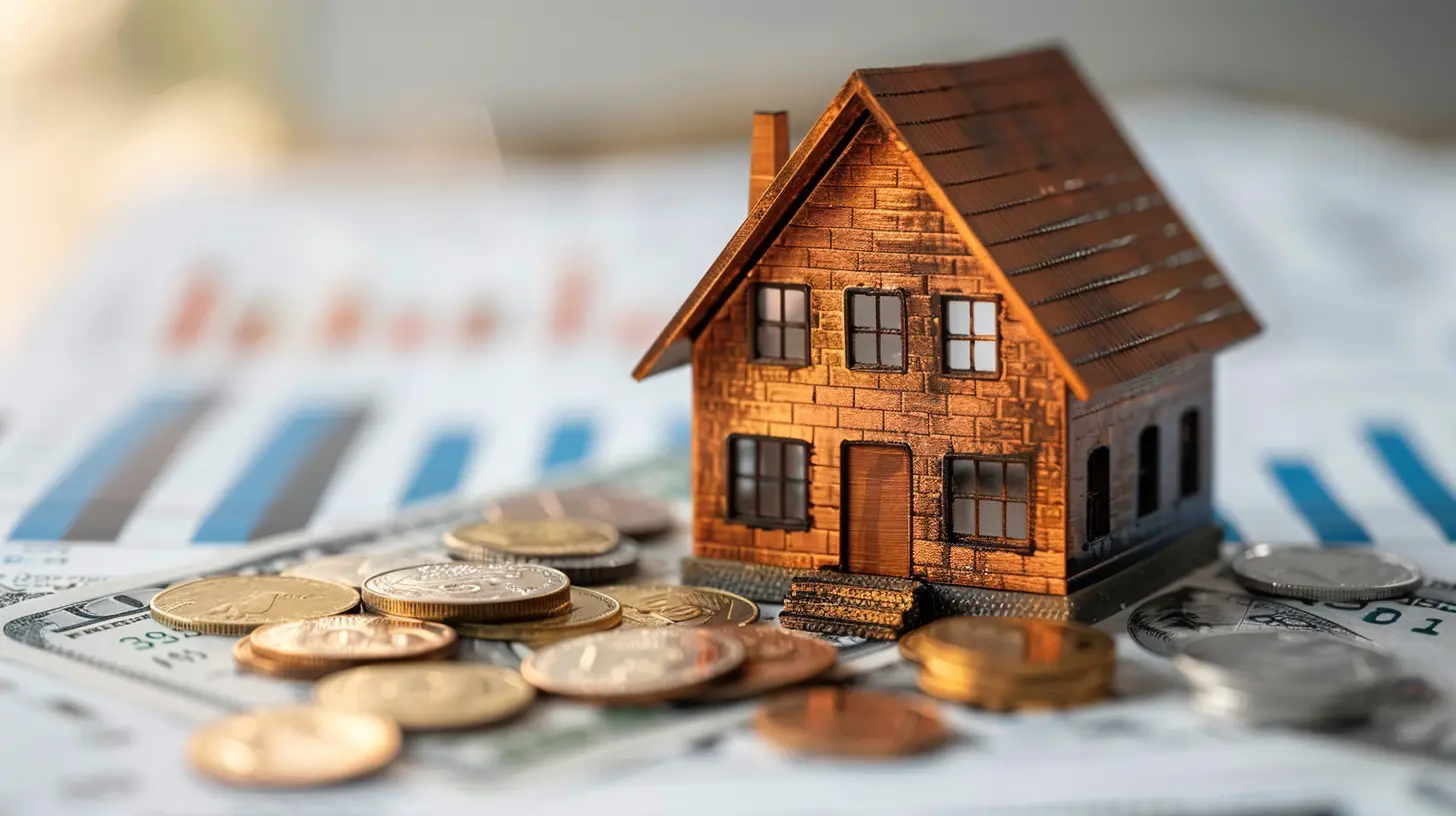
3. Interest Rates and Homeownership Trends
Ever wonder why rental prices go up when interest rates rise? It all comes down to affordability. High mortgage rates make homeownership less attractive, meaning more people stay in the rental market. That extra demand pushes rents higher.But when mortgage rates drop? Buying a home becomes more appealing, shrinking the renter pool and stabilizing prices.
Key Takeaways:
✅ High interest rates = more renters = higher rents.✅ Low interest rates = people buy homes = rental demand drops.
It’s a constant tug-of-war between renting and owning, and interest rates are the referee. 
4. Population Growth and Migration Patterns
If a city is growing, you can bet rental prices are rising too. More people moving in leads to higher demand for housing, and landlords adjust prices accordingly.But here’s the twist—migration patterns can also lower rents. If people start moving out of a city (because of high costs, better job opportunities elsewhere, or lifestyle changes), rental prices can take a nosedive.
Biggest Factors That Impact Migration:
- Job Opportunities: Cities with strong job markets (like tech hubs) see a surge in demand for rentals.- Cost of Living: If rent is too expensive, people leave for more affordable areas.
- Lifestyle Changes: Post-pandemic, remote work has made affordable suburbs more attractive than city life.
It’s simple—where people go, rental prices follow.
5. Government Policies and Regulations
Believe it or not, rental prices aren’t always dictated by the free market. Government intervention plays a major role.How Policies Affect Rent Prices:
- Rent Control & Rent Caps: Some cities, like New York and San Francisco, have rent control laws that limit how much landlords can increase rent. While great for tenants, this also means fewer landlords want to rent out properties, reducing supply and driving prices up elsewhere.- Housing Subsidies: Government-backed programs make housing more affordable, but in some cases, they also increase competition for rental units.
- Zoning & Building Regulations: Stricter zoning laws mean fewer new apartments, leading to higher rental costs.
So while the market plays a big role, government policies can sometimes throw a wrench into things—either for better or for worse.
6. Inflation’s Role in Rent Prices
Inflation doesn’t just hit grocery stores—it affects rent too. As the cost of living goes up, landlords face higher property taxes, maintenance costs, and insurance premiums. Naturally, they pass those costs onto renters.How Inflation Impacts Rent:
- Higher property management fees = higher rental costs.- The rising cost of utilities = increased rent prices (or added fees for tenants).
- Inflation reduces purchasing power, making homeownership harder and keeping more people in the rental market.
Long story short—when everything else gets more expensive, rent usually does too.
7. The Rise of Short-Term Rentals (Like Airbnb)
Ever noticed how some rental prices in popular cities seem absurdly high? Platforms like Airbnb and Vrbo have changed the game. Instead of renting long-term, many property owners now opt for short-term vacation rentals, where they can charge significantly higher nightly rates.How This Impacts Long-Term Renters:
- Fewer available rental properties = higher prices for those still on the market.- Landlords shift focus to short-term gains, leaving renters with fewer options.
- Some cities fight back with restrictions, but the impact is still felt in many areas.
If a city is a tourist hotspot, expect rental competition to be fierce.
8. The Remote Work Boom and Its Impact on Rentals
The pandemic changed how (and where) people live. With remote work becoming the new norm, fewer renters feel tied to expensive city apartments. Instead, many have opted for more affordable housing in suburban or rural areas.What This Means for Rental Prices:
- Big city rents have gradually stabilized as demand decreases.- Suburban and small-town rentals have seen a price increase due to higher demand.
- Landlords in urban areas are offering incentives (like free months or lower deposits) to attract tenants.
Remote work has completely changed the real estate landscape, and rental trends are shifting because of it.
Conclusion
Rental prices are more than just numbers on a lease—they’re the result of countless economic, social, and political factors at play. From supply and demand to interest rates, inflation, and even unexpected events like a global pandemic, everything contributes to how much we pay for rent.So, next time you see rental prices going up (or hopefully down!), you'll know exactly why. Whether you’re a tenant looking for the best deal or a landlord trying to set the right price, staying informed on market trends can make all the difference.
One thing’s for sure—rental markets never stay the same for long!
all images in this post were generated using AI tools
Category:
Rental PropertiesAuthor:

Travis Lozano
Discussion
rate this article
2 comments
Reese Hill
Understanding how rental prices are influenced by market trends is crucial for both landlords and tenants. As supply and demand fluctuate, awareness of local economic factors can lead to informed decisions, ensuring fair pricing and fostering a balanced rental environment that benefits all stakeholders involved.
January 19, 2026 at 1:28 PM
Travis Lozano
Thank you for your insightful comment! Understanding these dynamics is indeed essential for creating a fair and balanced rental market.
Emory Ramos
Just like a chameleon at a disco, rental prices change colors based on the funky vibes of the market! Whether it’s a buyer’s ball or a seller’s soiree, knowing the rhythm is key. Let’s shimmy through those trends and master the dance of rental rates! 💃🏡
January 12, 2026 at 5:40 PM
Travis Lozano
Absolutely! Just like a chameleon, rental prices fluctuate with market trends, making it essential for renters and landlords to stay in tune with the latest vibes! 💃🏡