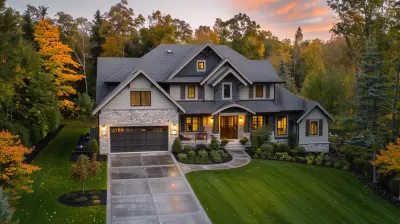
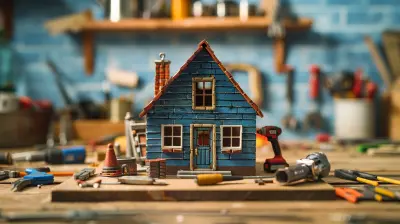
The Growing Trend of Transparent Wood in Modern Architecture
22 June 2026
Introduction
Imagine a world where your home's walls are made of wood—but instead of being dark and grainy, they’re crystal clear like glass. Sounds like something out of a sci-fi movie, right? Well, not anymore. Transparent wood is revolutionizing modern architecture, not only because it looks cool but also due to its sustainability, strength, and energy efficiency.
For centuries, wood has been a go-to material for construction. But now, with advancements in technology, scientists have found a way to transform this age-old resource into a transparent material that can replace glass. And the best part? It’s stronger, more energy efficient, and better for the environment.
So, what exactly is transparent wood? How is it made? And why is it becoming such a hot trend in modern architecture? Let’s dive in.
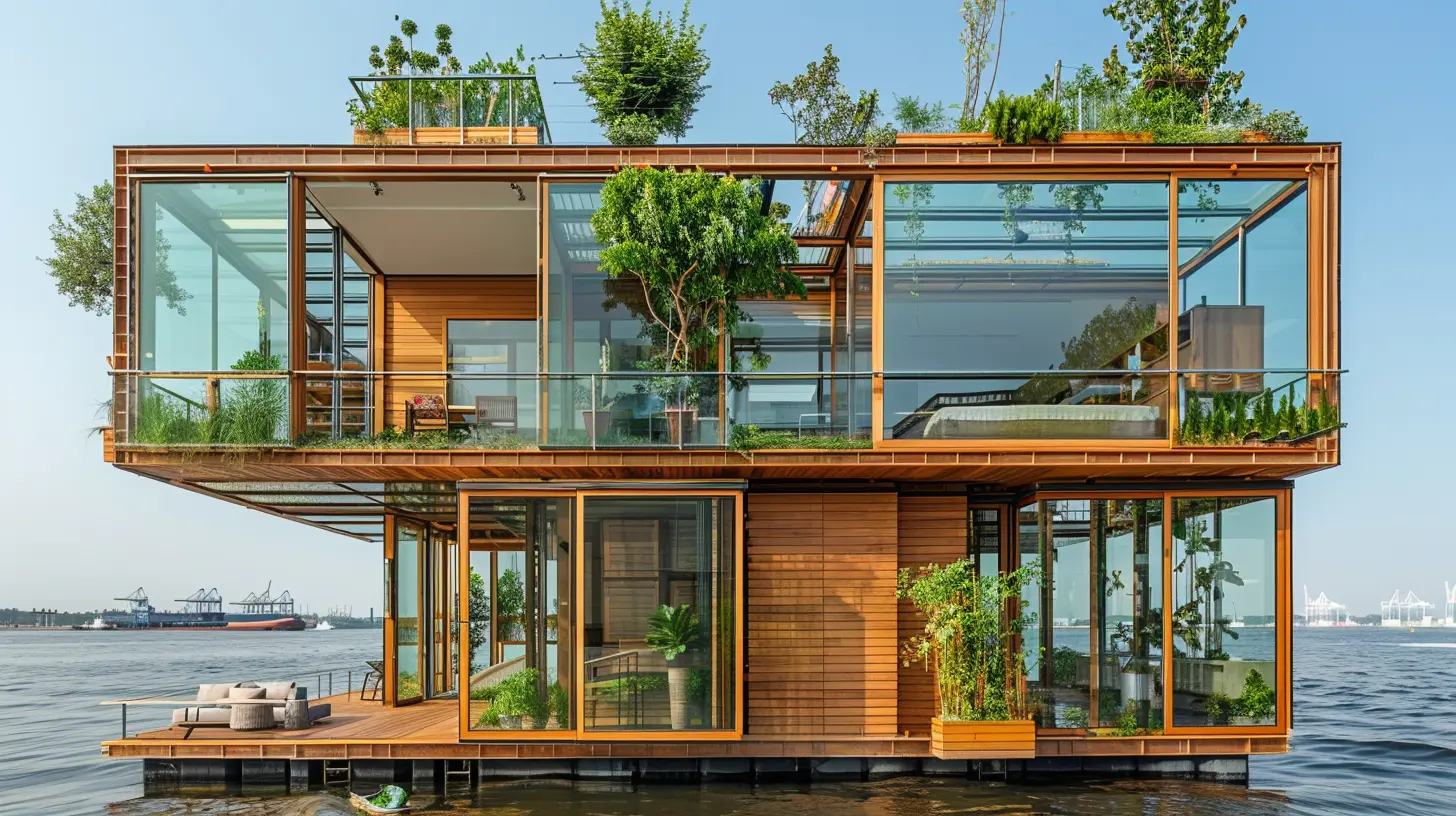
What is Transparent Wood?
Transparent wood is exactly what it sounds like—wood that lets light pass through it, much like glass. It’s created by removing the wood’s natural lignin, which is the component responsible for its color and opacity. Once the lignin is taken out, the wood becomes almost see-through.To enhance its transparency and strength, the wood is then infused with a transparent polymer, usually epoxy resin. This process not only makes it clearer but also enhances its durability and flexibility. The end result? A material that combines the natural beauty and strength of wood with the light-transmitting properties of glass.
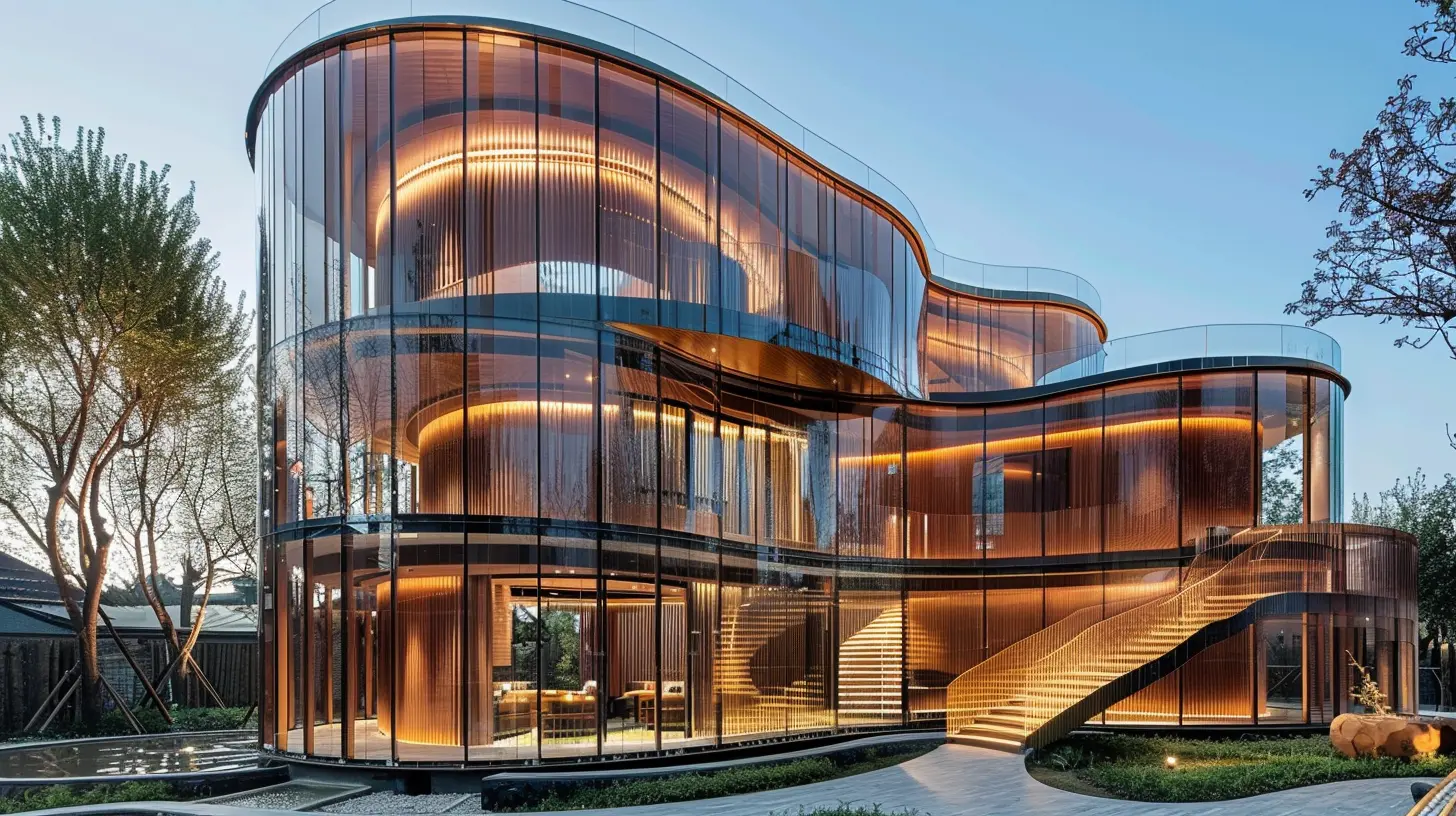
How is Transparent Wood Made?
The process of creating transparent wood involves a few technical steps, but don’t worry—I’ll break it down simply:1. Removing the Lignin – Lignin is what gives wood its color and rigidity. To make wood transparent, scientists soak it in a special solution that removes this component, leaving behind a porous, white structure.
2. Infusing with Polymer – The remaining wood structure is then filled with a transparent polymer—typically epoxy resin—which restores its strength while making it clear.
3. Curing and Finishing – Once the polymer sets, the wood is cured and polished to enhance its clarity. The result is a stunning, semi-transparent material that can be used for windows, walls, and even entire buildings.
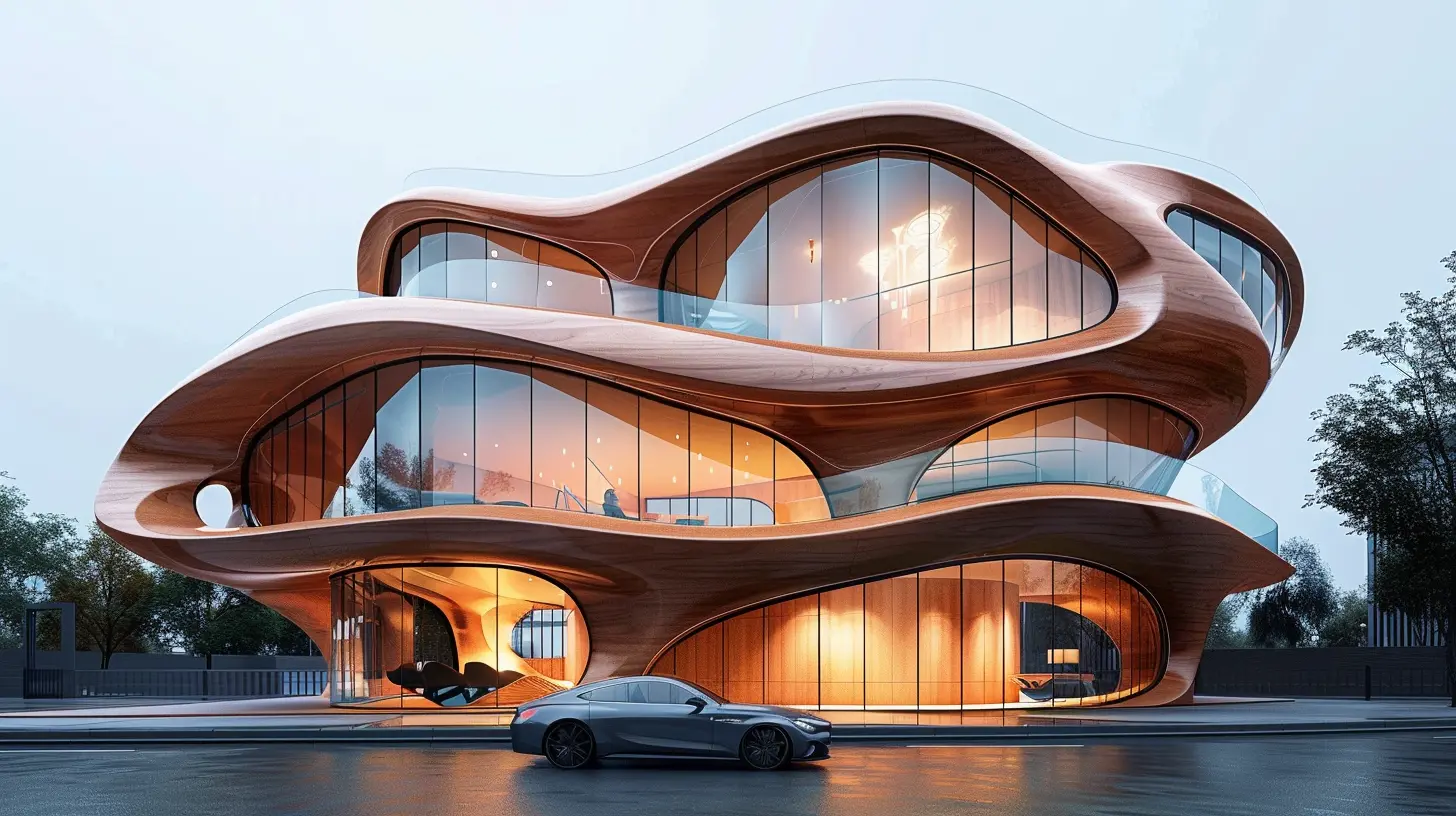
Why is Transparent Wood Gaining Popularity in Architecture?
Modern architects are always on the lookout for innovative materials that offer both aesthetic appeal and functionality. Transparent wood has quickly emerged as one of the most exciting new options. Here’s why:1. It’s Stronger Than Glass
Glass is fragile, and one wrong move can shatter an entire window. Transparent wood, on the other hand, is much stronger—around five times stronger than glass! That means buildings can have large, durable windows without the risk of them breaking easily.2. Improved Energy Efficiency
Glass allows heat to pass through, making buildings hot in summer and cold in winter. Transparent wood, however, has better insulation properties, helping to regulate indoor temperatures. This means lower energy bills and a reduced carbon footprint.3. Eco-Friendly and Sustainable
Deforestation is a significant environmental concern, but the creation of transparent wood can actually support sustainable forestry practices. Since it’s derived from natural sources and can be made from fast-growing trees like balsa, it presents a greener alternative to glass and plastic.4. Better Light Diffusion
Traditional glass windows allow direct sunlight to enter, which can cause glare and discomfort. Transparent wood, however, diffuses light evenly, creating a warmer and more natural ambiance inside buildings. Think of it like having a built-in soft-light filter for your home!5. Reduced Carbon Footprint
Producing glass requires melting silica at extremely high temperatures, which consumes a ton of energy and releases significant amounts of CO₂. Transparent wood, however, can be processed at much lower temperatures, reducing its overall impact on the environment.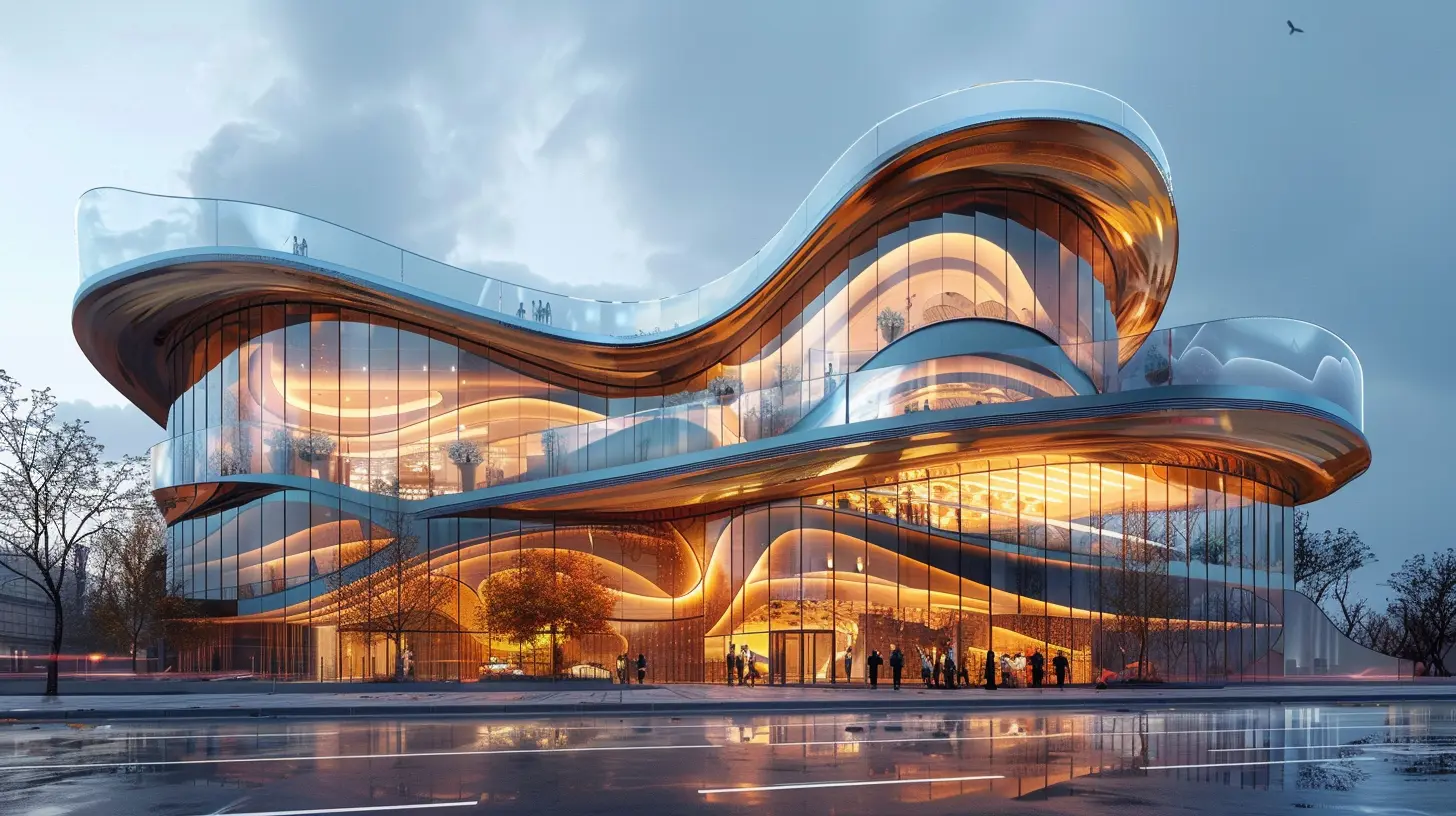
Real-World Applications of Transparent Wood
While the concept of transparent wood might still sound futuristic, it’s already making its way into real-world architecture. Here’s how:1. Windows and Skylights
One of the most obvious applications is in windows and skylights. Transparent wood provides strength, insulation, and light diffusion, making it a superior choice for modern buildings.2. Sustainable Homes
Eco-conscious homeowners and architects are beginning to integrate transparent wood into sustainable home designs. Not only does it look stunning, but it also reduces dependency on artificial lighting and heating.3. Office Spaces
Imagine an office with wooden walls that let in natural light without the glare of traditional glass. Many companies are starting to experiment with transparent wood to create energy-efficient and aesthetically pleasing workspaces.4. Furniture and Interior Design
From doors and partitions to decorative panels, transparent wood brings a unique and modern touch to furniture design. It maintains the warmth of wood while adding a contemporary, sleek look.5. Automotive and Aviation Industry
Car manufacturers and aerospace engineers are researching ways to incorporate transparent wood into vehicle windows, reducing weight and improving energy efficiency.Is Transparent Wood the Future of Architecture?
The way transparent wood is gaining traction, it’s safe to say that it has a bright future. As sustainability becomes an ever-growing concern, material innovations like this are essential for building a greener world.While transparent wood is still in its early stages of mass adoption, ongoing research and technological advancements will likely make it more accessible and affordable in the coming years. Imagine a future where skyscrapers, homes, or even entire cities use transparent wood instead of traditional glass or concrete. It’s not as far-fetched as it sounds!
Challenges and Limitations
Of course, no material is perfect. Transparent wood does have some challenges:- Cost – Right now, the process of making transparent wood is expensive, but as technology improves, costs are expected to drop.
- Scalability – Large-scale production is still a hurdle, but researchers are working on ways to make this material more widely available.
- Durability Over Time – While transparent wood is strong, long-term testing is needed to see how it holds up against weather conditions and wear-and-tear.
Despite these challenges, the benefits outweigh the drawbacks, and many architects and scientists are optimistic about its potential.
Conclusion
Transparent wood is more than just a futuristic concept—it’s a groundbreaking solution that merges sustainability, strength, and beauty. With its superior insulation, durability, and visual appeal, it’s easy to see why modern architects are excited about this innovation.As we continue to seek eco-friendly alternatives for construction, materials like transparent wood could redefine the way we build our homes and cities. So, who knows? In the near future, you might just find yourself living in a house where the walls are made of wood—but clear as glass!
all images in this post were generated using AI tools
Category:
Building MaterialsAuthor:

Travis Lozano
Discussion
rate this article
1 comments
Isla McCartney
Transparent wood: because who needs walls when you can just let the light in... and nosy neighbors!
June 22, 2026 at 2:28 AM