How to Maximize Profit When Investing in Foreclosed Homes
22 March 2026
Ah, foreclosed homes—the inevitable black sheep of the real estate family. The unwanted, slightly spooky, often misunderstood properties that can actually end up being the hidden gems of your portfolio. If you’ve ever dreamed of waltzing into the world of real estate investing like a financial rockstar, grabbing a foreclosed home for pennies on the dollar and flipping it into profit paradise, then pull up a chair. We’ve got a lot to talk about.
Because trust me, while everyone’s busy bragging about their Airbnb rentals and chic downtown condos, the real money—like, the “buy-three-homes-and-retire-early” kind of money—is quietly hiding out in foreclosures. Yes, really.
In this guide, we’re pulling back the curtain on how to maximize profit when investing in foreclosed homes—minus the sugarcoating and boring corporate jargon. Let’s dive in, shall we?
What The Heck Are Foreclosed Homes, Anyway?
Let’s clear the air first.Foreclosed homes are properties that have been repossessed by a lender, usually a bank, after the original homeowner failed to make mortgage payments. It’s basically the bank saying, “If you won’t pay your bills, we’ll take back the house. Sorry not sorry.”
At this point, the bank isn’t looking to win any decor awards with these homes. They just want to recoup their money—fast. And you? You’re the knight in shining armor with a checkbook and vision.
Wonderful, right? But hold up. Just because it’s cheap doesn’t mean it’s a good deal—that’s where strategy comes in.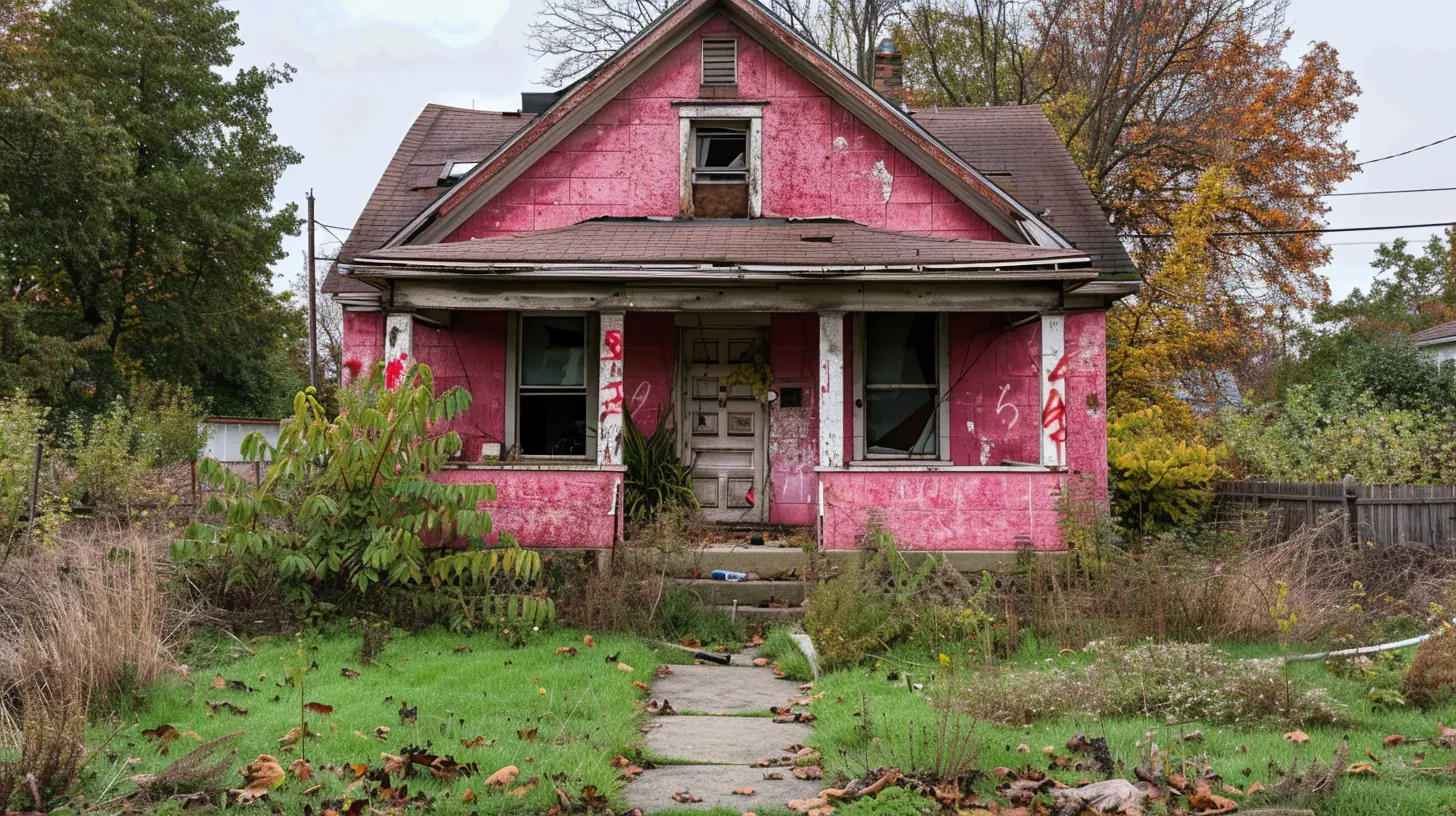
Step 1: Do Your Homework (Yes, Like That Boring Stuff You Avoided in School)
Look, if you’re thinking of winging it, I love your spontaneity, but maybe stick to scratch-off lottery tickets. Foreclosures are not for the fainthearted or the ill-informed. Before you even make a bid:- Research the property value. Compare it to similar homes in the area.
- Check the neighborhood vibes. Is it up-and-coming or already down-and-out?
- Look into the property’s past. You want a house with secrets, not skeletons.
And please, don’t rely solely on the listing photos. They’re either from 2005 or taken at flattering angles that make a moldy basement look like a luxury spa.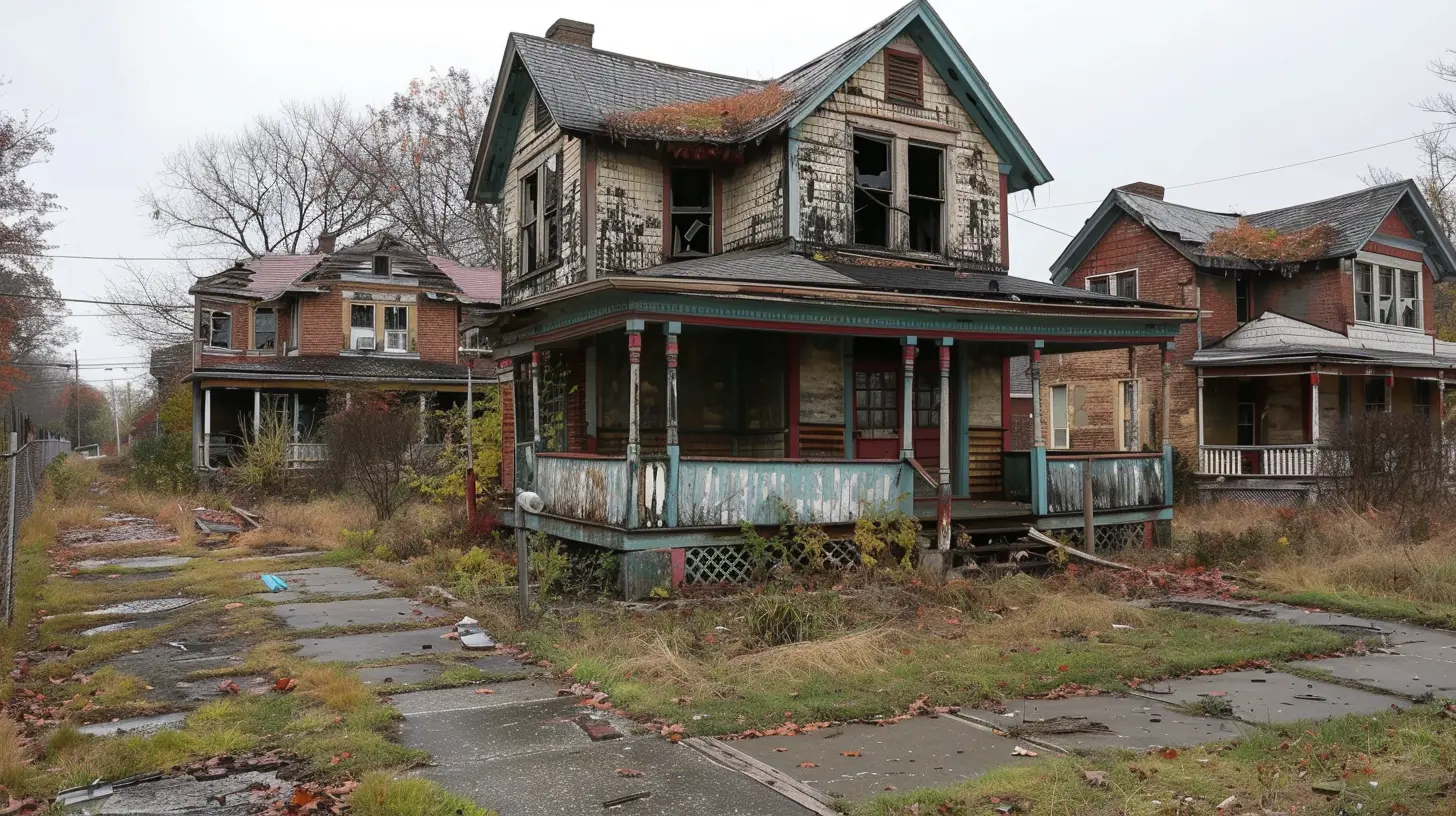
Step 2: Find the Right Foreclosure Opportunities
Contrary to popular belief, you don’t need to be a real estate psychic to find foreclosed homes. You just need to know where to look:- Government websites like HUD Homes, Fannie Mae (HomePath), and Freddie Mac (HomeSteps)
- Online listing platforms that specialize in REO (Real Estate Owned) properties
- Courthouse auctions. Warning: this is not HGTV. These auctions are intense, fast-paced, and full of seasoned investors with steely stares.
- Local banks and credit unions sometimes list foreclosed properties themselves
Keep your eyes peeled and your coffee strong. The more properties you review, the better your sense of “the good ones” will become.
Step 3: Secure Your Financing Before You Start Drooling Over Deals
Sure, you could wait until you fall in love with a property, then scramble to get financing. But why make things unnecessarily stressful?Here’s the inside scoop: foreclosed homes often sell quickly. If you’re not ready to pounce, someone else will.
Options include:
- Cash. Always preferred. If you have it, flaunt it.
- Hard money lenders. Private investors who loan money faster than banks, usually with high interest rates. Because, you know, risk.
- Rehab loans. Government-backed loans like FHA 203(k) that include money for both the purchase and repairs.
Whatever you choose, get pre-approved. You want to be the investor who’s ready, not the one crying into their coffee because they missed the deal of the year.
Step 4: Always—And I Mean Always—Get a Home Inspection
Foreclosed homes have usually been sitting vacant for a while. Do you know what happens when no one lives in a house? Weird things. Plumbing leaks. Rodent infestations. Broken windows. Maybe a ghost or two.So, let’s just say skipping the inspection is the real estate equivalent of marrying someone after one Tinder message.
Pay a qualified inspector to poke around the place. Yes, even if the house is dirt cheap. Especially if it’s dirt cheap. Fixing a cracked foundation or rewiring the whole house isn’t exactly pocket change.
Step 5: Budget Like You’re Building the Next Apple HQ
Say it with me: “I will not underestimate renovation costs.”Foreclosed homes tend to come with opportunities for improvement—also known as repairs, fixes, and “what the actual heck happened here?” surprises.
Make a detailed budget for:
- Roofing
- Plumbing
- Electrical
- HVAC
- Cosmetic repairs like flooring, paint, appliances
- Permit fees and labor costs
Oh, and add a 10-20% buffer for unexpected costs. Because there will be unexpected costs.
Step 6: Know Your Exit Strategy: Flip or Rent?
You didn’t just buy a foreclosed home for sentimental reasons, right? Of course not. You’re here for profit. So what’s the plan?Fix-and-Flip
The fast and flashy method. Renovate the house, make it sparkle, sell it for more than you paid—and hopefully avoid a nervous breakdown in the process.Pros:
- Quick return if done right
- Ideal in hot markets
Cons:
- Risky if renovation costs balloon
- Capital gains taxes might greet you like an unexpected in-law visit
Buy-and-Hold (Rent It Out)
Play the long game. Renovate moderately, rent it to tenants, and enjoy monthly income along with property appreciation.Pros:
- Steady income stream
- Tax deductions, equity growth
Cons:
- Landlord life isn’t for everyone (hello, 3 AM plumbing calls)
- Market volatility affects rent prices
Choose whichever aligns with your risk tolerance, time commitment, and desire for passive aggression from tenants.
Step 7: Work With a Real Estate Agent Who Actually Knows Foreclosures
Your cousin’s friend who just got their real estate license? Yeah... no.You need someone who’s been around the foreclosure block. Someone who knows which banks are motivated sellers, how to negotiate aggressively, and—crucially—how to navigate all the red tape.
A good agent can:
- Notify you of deals before they hit the public market
- Help you avoid legal landmines
- Actually save you money, even with their commission
This is not the time to DIY your way through a contract negotiation. Get a pro. Pay the fee. Sleep better at night.
Step 8: Negotiate Like You’re On a Game Show
Foreclosed homes aren’t emotional purchases. The banks don’t care if you love the bay windows and “see potential.” They care about one thing: dollars.Use this to your advantage.
- Offer below asking price, especially if the property’s been sitting
- Request the bank cover closing costs
- Include repair credits if issues were found during inspection
Worst case? They say no. Best case? You save thousands. Never hurts to ask, and banks aren’t known for warm fuzzy conversations anyway.
Step 9: Watch the Market Like a Hawk, Even After You Buy
No one wants to be caught off guard in real estate—especially not after pouring thousands into a fixer-upper. Keep tabs on:- Property values in the area
- Rental demand and market rent rates
- Economic trends and job growth in the region
These factors affect your profit like seasoning affects a meal. Too much or too little can ruin the entire thing.
Step 10: Treat This Like a Business—Because It Is
Last but not least: take your emotions out of it.This isn’t the house you’re going to grow old in. This is the house that’s going to pay for your dream vacation, your retirement fund, or your next investment.
Run the numbers. Set the budget. Stick to the timeline. And whatever you do, do NOT fall in love with the backsplash tile.
Profit doesn’t care about granite countertops—it cares about ROI.
Final Thoughts: Foreclosures Aren’t Easy, But Dang, They’re Worth It
If you haven’t figured it out yet, foreclosures are not the romantic heroes of the real estate world. They’re the rough-around-the-edges rebels with potential. And just like any good underdog story, it takes guts, strategy, and maybe a few trips to Home Depot to turn them into a win.But when done right? Oh boy. The profit is sweet, the bragging rights are sweeter, and your bank account? Well, it’ll thank you later.
So put on your savvy investor hat, roll up your sleeves, and go show that neglected house what a little vision and elbow grease can do.
You got this.
all images in this post were generated using AI tools
Category:
ForeclosuresAuthor:

Travis Lozano
Discussion
rate this article
2 comments
Viva Brooks
Investing in foreclosed homes can yield significant profits, but success lies in thorough research and strategic planning. Focus on understanding the local market, assessing renovation costs accurately, and evaluating potential resale value. Patience and informed decision-making are key to maximizing your investment returns.
April 3, 2026 at 3:05 AM
Travis Lozano
Thank you for your insights! Thorough research and strategic planning are indeed crucial for success in foreclosures. Your emphasis on understanding the market and accurately assessing costs will definitely help investors maximize their profits.
Eli Clarke
Great insights on maximizing profit with foreclosed homes! Your tips on thorough market research and proper budgeting are especially valuable for both new and seasoned investors. Thank you for sharing!
March 25, 2026 at 12:43 PM
Travis Lozano
Thanks for your kind words! I'm glad you found the tips helpful. Happy investing!