The Best Acoustic Insulation Materials for a Noise-Free Home
20 December 2025
Imagine this: you’re curled up on your couch with a good book and a warm cup of coffee, the rain tapping gently on the windows, and everything is perfectly silent—except your neighbor’s dog barking. Again.
Yep. Noise can be a real buzzkill. Whether it's traffic humming outside your window, the sound of teenagers gaming upstairs, or your washing machine doing a tap dance, unwanted noise loves to crash your peace-and-quiet party.
But don’t worry—you’re not doomed to live with it! The right acoustic insulation can transform your home into a blissfully quiet sanctuary. Let’s dig into the best materials out there that can help you achieve that sweet, sweet silence.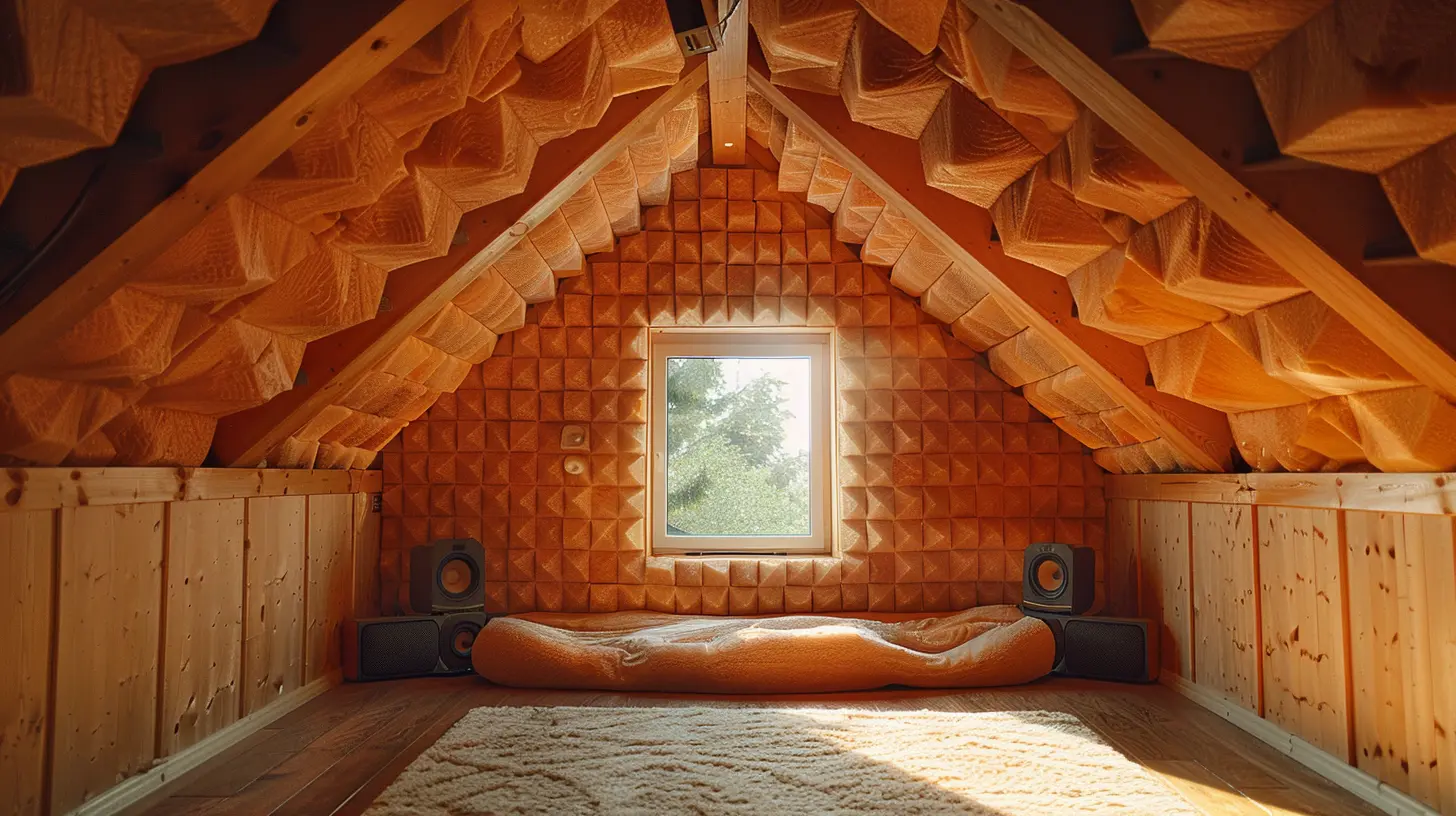
Why Acoustic Insulation Matters
Let’s face it—our homes are supposed to be our safe places. And peace and quiet? Non-negotiable. Acoustic insulation isn’t just about blocking out the chaos; it’s about enhancing your quality of life.It helps you:
- Sleep better
- Focus more
- Enjoy your music or movies without bothering others
- Work from home without losing your mind
And if you're selling your property? Homes with good sound insulation are more appealing to buyers. It’s a win-win, folks!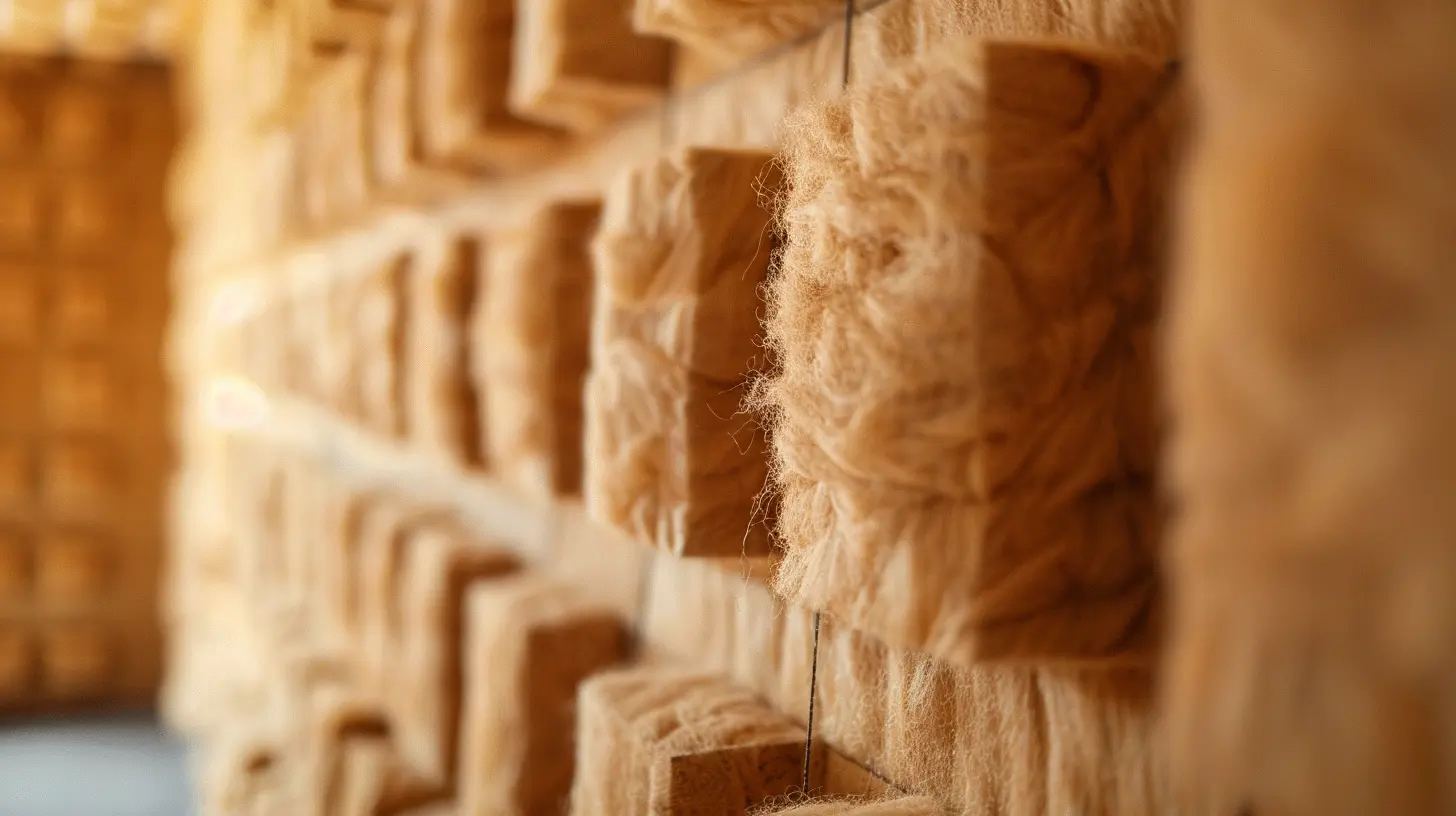
What Is Acoustic Insulation, Anyway?
In a nutshell, acoustic insulation reduces sound transmission between rooms or from external sources. It can either absorb sound (stop echoes and reverberation) or block sound (prevent it from traveling through walls, floors, or ceilings).Think of it like a warm fuzzy blanket—but for sound.
Different materials have different jobs: some muffle airborne sound like voices or music, while others tackle impact noise (like footsteps). So, let’s break down the absolute best acoustic insulation materials you can use to enjoy some true peace and quiet at home.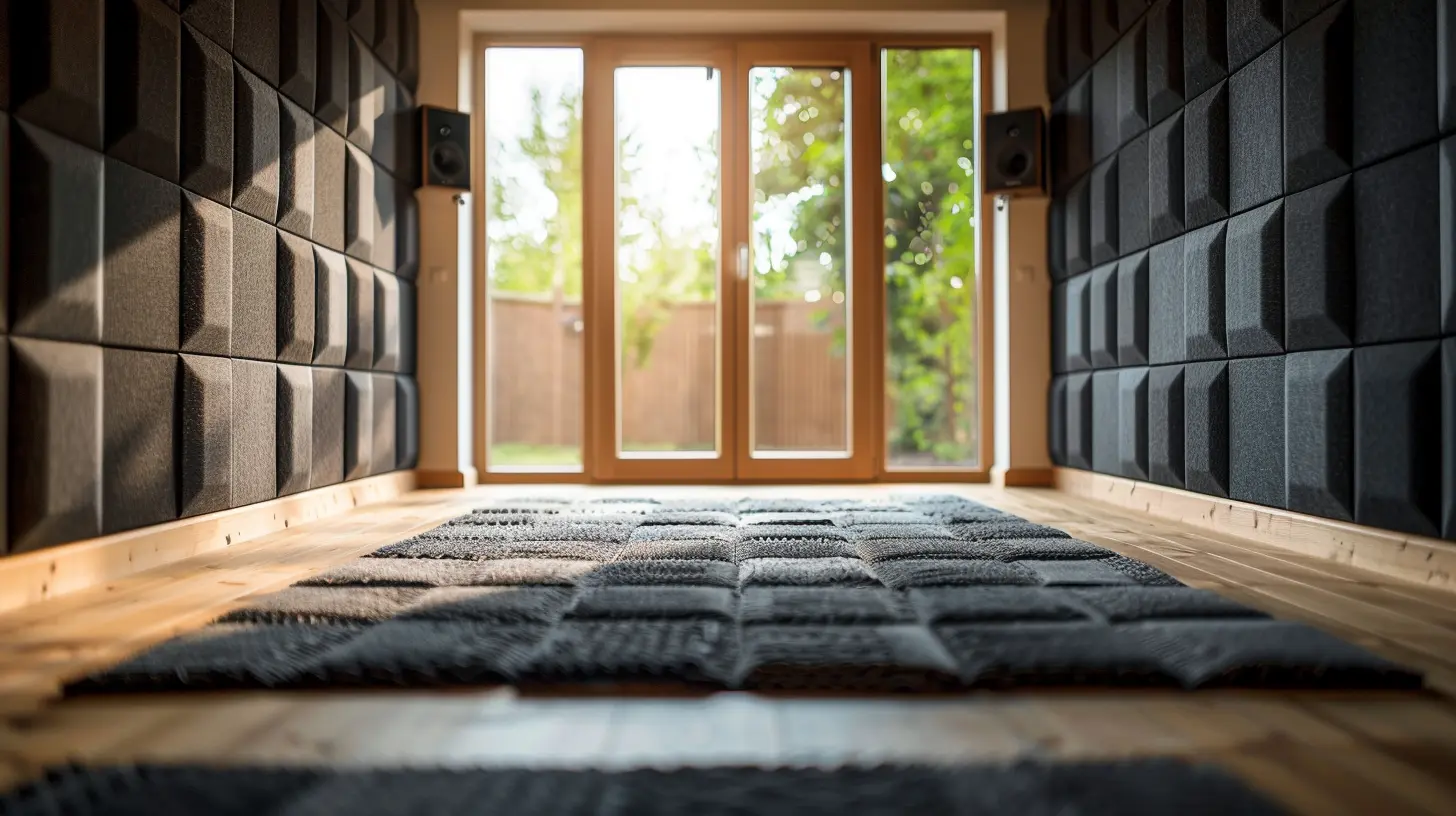
1. Rock Wool (Also Known as Mineral Wool)
What It Is:
Made from volcanic rock (yep, seriously), rock wool is spun into a dense, fibrous mat. It’s like the superhero of sound insulation.Why It Rocks (Pun Intended):
- Excellent at absorbing airborne and impact sound- Fire-resistant (bonus safety!)
- Also great for thermal insulation—so it multitasks
Best For:
- Walls- Ceilings
- Floors
You’ll love this stuff. It’s like thick curtains for your walls…that also protect you during a fire.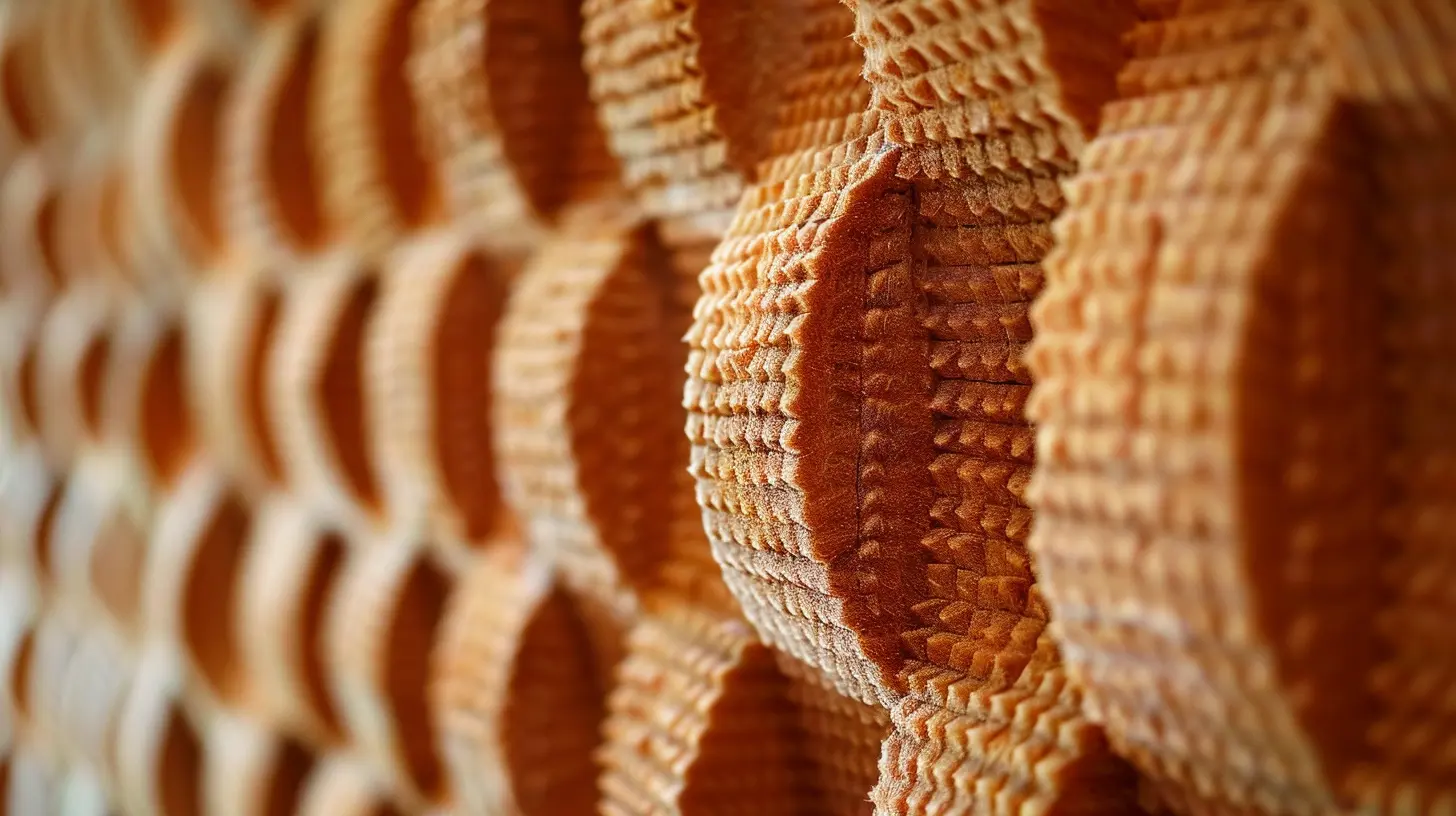
2. Fiberglass Insulation
What It Is:
You’ve probably heard of fiberglass. It’s made from fine glass fibers and is one of the most popular materials for both thermal and acoustic insulation.Why It’s Awesome:
- Super affordable- Easy to install for DIY lovers
- Excellent for sound and thermal control
Best For:
- Interior walls- Ceilings
- In between floors
Pro tip: Wear gloves and a mask when installing—it can be a bit itchy.
3. Acoustic Foam Panels
What It Is:
These funky-shaped foam panels are the go-to for sound absorption. You’ve probably seen them in music studios or gamer rooms.Why It’s Great:
- Absorbs echoes and reduces noise pollution- Comes in cool designs and colors
- Easy to install—hello peel-and-stick panels!
Best For:
- Home studios- Home theaters
- Any room with lots of bouncing sound
Though it doesn’t block noise that well, it’s top-notch for soaking up stray sound waves!
4. Mass Loaded Vinyl (MLV)
What It Is:
Mass Loaded Vinyl is a heavy, flexible material designed specifically to block sound. Don’t let its thin appearance fool you—it’s dense and mighty!Why It’s Brilliant:
- Blocks both airborne and structure-borne noises- Flexible enough to slip between drywall layers
- Doesn’t take up much space
Best For:
- Walls- Ceilings
- Floors
- Pipes and ducts
Picture it as the ninja of soundproofing—stealthy, powerful, and efficient.
5. Acoustic Panels (Fabric-Wrapped Boards)
What It Is:
These are thicker, fabric-covered boards that look classy and work wonders. They absorb sound and look good doing it.Why You’ll Love Them:
- Aesthetic? Check.- Effective? Double-check.
- Customizable in color, shape, and size
Best For:
- Living rooms- Office spaces
- Conference rooms
You can even turn your acoustic panel into a piece of art. Who said noise control had to be boring?
6. Soundproof Drywall
What It Is:
Also known as “quiet drywall” or “sound-deadening drywall,” this material is made with layers of gypsum and special polymers to block sound transmission.Why It’s a Game-Changer:
- Much more effective than regular drywall- Easy to install like traditional drywall
- Great for renovations or new builds
Best For:
- Bedrooms- Media rooms
- Shared walls (especially with noisy neighbors)
If you’re building or remodeling, seriously consider this upgrade—it’s like giving your walls earplugs.
7. Green Glue Noiseproofing Compound
What It Is:
This is a gooey, noise-dampening compound you sandwich between layers of drywall or other rigid materials.Why It’s Genius:
- Converts sound energy into heat- Inexpensive and super effective
- DIY-friendly
Best For:
- Home renovations- Between drywall layers
- Floors and ceilings
It sounds science-y, and it is—but all you need to know is it works like magic.
8. Resilient Channels
What It Is:
These are metal channels installed between wall studs and drywall to decouple the wall layers and reduce sound transmission.Why It’s Clever:
- Stops sound vibrations in their tracks- Increases the effectiveness of drywall and insulation
- Great for serious soundproofing needs
Best For:
- Recording studios- Apartment walls
- Rooms with shared walls
They’re like vibration dampers for your walls—keeping that bass from your neighbor’s subwoofer out of your dreams.
9. Cork Panels and Flooring
What It Is:
Cork is a natural, sustainable material that provides surprisingly good sound absorption, especially for impact sound.Why It’s Sustainable + Stylish:
- Eco-friendly option (yay for Mother Earth!)- Soft, spongy texture absorbs sound
- Natural thermal insulation too
Best For:
- Floors (especially in apartments)- Underlayment for laminate or hardwood
- Wall applications as panels
Plus, it gives off warm, cozy vibes—literally and aesthetically.
10. Carpet and Thick Rugs (Seriously!)
What It Is:
Old-school but gold. Sometimes, the best solutions are the simplest ones.Why It Still Works:
- Soft surfaces absorb sound- Super easy to install (just throw it down!)
- Budget-friendly + instant results
Best For:
- Bedrooms- Living rooms
- Hallways
Yep, our grandmas were onto something with those plush area rugs.
Tips for Getting the Most Out of Your Acoustic Insulation
Okay, so you’ve picked your materials—now what? Time to make the most of them!Here are some quick tips:
- Seal gaps and cracks around doors and windows. Noise loves to sneak through the tiniest openings.
- Use heavy drapes or blackout curtains over windows for extra sound absorption.
- Install door sweeps to block sound from sneaking under doors.
- Combine materials for the best results (e.g., MLV + drywall + Green Glue = chef’s kiss).
- Don’t forget the ceiling—especially if you’ve got noisy upstairs neighbors!
Final Thoughts: Your Home, Your Quiet Space
In this noisy world, your home should be your calm, quiet retreat. Whether you're working from home, raising a family, or just craving some uninterrupted Netflix time, investing in good acoustic insulation makes a real difference.The right materials can block out the chaos, muffle the madness, and create a peaceful vibe you didn’t even know you were missing. So why wait?
Go ahead—pick one (or mix a few), get your DIY gloves on (or call the pros), and start creating that noise-free haven you deserve.
Your ears will thank you.
all images in this post were generated using AI tools
Category:
Building MaterialsAuthor:

Travis Lozano
Discussion
rate this article
2 comments
Natalia Shaffer
Great article! Choosing the right acoustic insulation can truly transform your home into a peaceful sanctuary. Keep sharing valuable tips!
December 25, 2025 at 1:20 PM
Travis Lozano
Thank you for your kind words! I'm glad you found the article helpful. Stay tuned for more tips!
Danica Cummings
Oh sure, because who wouldn’t want their home to feel like a serene library rather than a bustling city street?
December 21, 2025 at 4:00 AM
Travis Lozano
Absolutely! A serene home enhances relaxation and focus, making acoustic insulation essential for comfort.