Sustainable Building Materials That Improve Indoor Air Quality
13 July 2026
When it comes to building or renovating a home, most people focus on aesthetics, energy efficiency, or cost-effectiveness. But have you ever considered how your building materials impact the air you breathe inside your home? Yep, the walls, floors, and even the paint you choose can release toxins into the air, affecting your health.
The good news? Sustainable building materials can improve indoor air quality while also being eco-friendly. If you want a healthier home and a cleaner environment, keep reading—we're diving deep into the best materials that make a real difference. 
Why Indoor Air Quality Matters
Before we get into the materials, let’s talk about why indoor air quality (IAQ) is so important. Poor IAQ can lead to a range of health issues, including headaches, respiratory problems, allergies, and even more severe conditions like asthma.A big culprit? Volatile Organic Compounds (VOCs)—these nasty chemicals are commonly found in traditional paints, adhesives, carpets, and furniture. Over time, they off-gas into your home, polluting the air you breathe.
Sustainable building materials help reduce or eliminate these toxins, creating a healthier indoor environment. Now, let’s break down some of the best options. 
1. Low-VOC or Zero-VOC Paints
Traditional paints release high levels of VOCs, which can linger in your home for years. That "new paint smell"? It’s actually a mix of harmful chemicals.Better Alternative: Low-VOC or Zero-VOC Paints
These eco-friendly paints contain little to no VOCs, significantly improving air quality. Brands like Benjamin Moore Natura, Sherwin-Williams Harmony, and ECOS Paints offer high-quality, low-toxicity options.✅ Benefits:
- Reduces exposure to harmful emissions
- Minimizes that strong chemical smell
- Safe for kids and pets 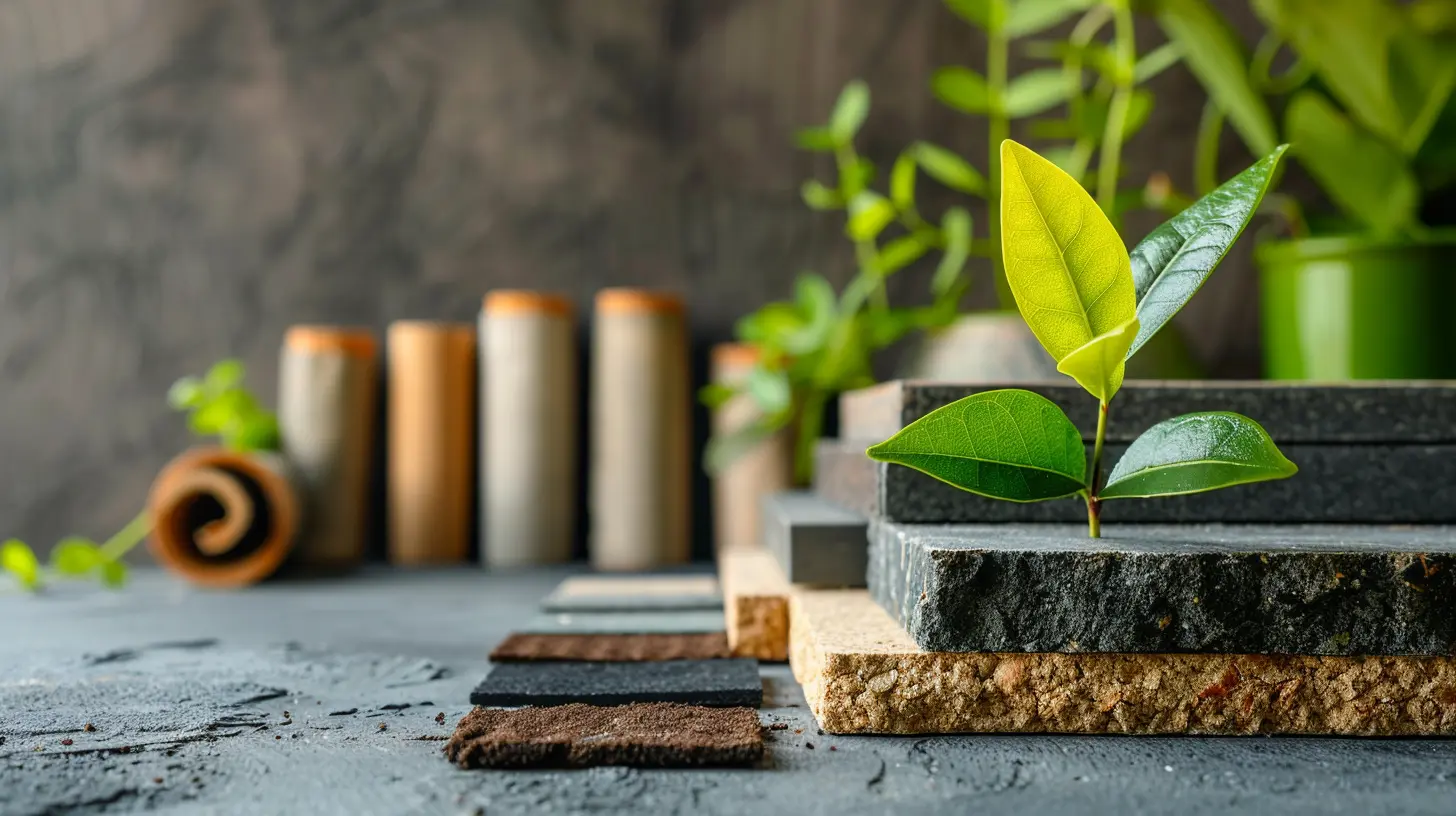
2. Bamboo Flooring
Hardwood floors look great, but did you know many traditional wood products contain formaldehyde? This nasty chemical is often used in adhesives and can contribute to poor indoor air quality.Better Alternative: Bamboo Flooring
Bamboo is a rapidly renewable resource and a fantastic alternative to traditional hardwood. When sourced sustainably, it’s durable, stylish, and free of harmful toxins.✅ Benefits:
- Naturally resists mold and mildew
- No off-gassing if finished with non-toxic sealers
- Highly durable and scratch-resistant 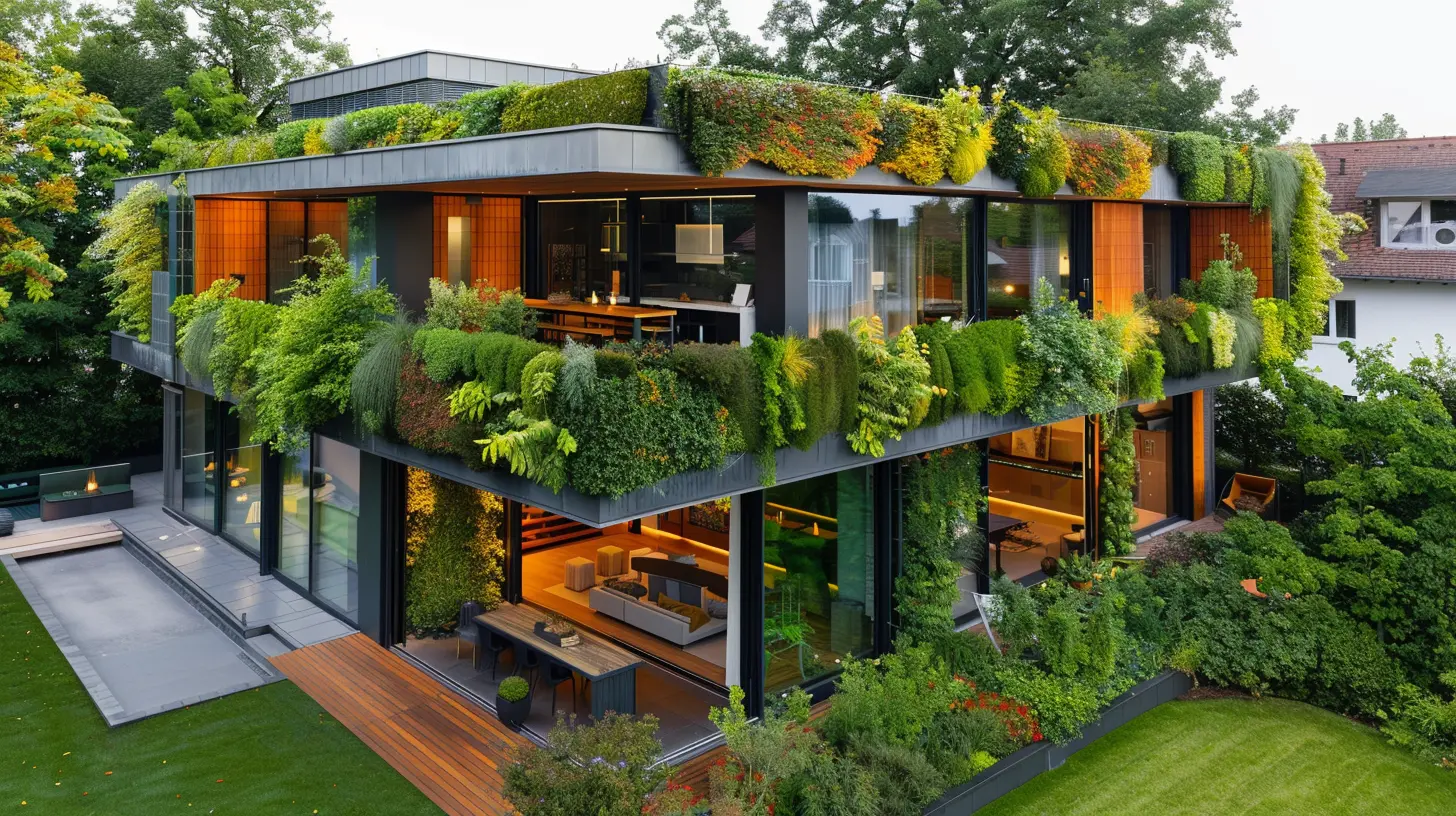
3. Cork Flooring
Cork isn’t just for wine bottles! This sustainable flooring option is gaining popularity for its resilience and eco-friendliness.Why Cork is a Game-Changer
It’s naturally antimicrobial, meaning it helps prevent mold and bacteria buildup—super useful for allergy sufferers. Plus, cork flooring is soft underfoot, reducing strain on joints.✅ Benefits:
- No harmful chemicals
- Naturally repels dust, mold, and mildew
- Provides excellent insulation (hello, lower energy bills!)
4. Reclaimed Wood
Instead of cutting down more trees, why not repurpose existing wood? Reclaimed wood is salvaged from barns, old buildings, and even sunken logs, giving it a unique, rustic look.Why It's Great for IAQ
Unlike new wood products, which may be treated with chemicals, reclaimed wood has already aged and stabilized—meaning fewer emissions.✅ Benefits:
- No additional chemical treatments
- Supports waste reduction and sustainability
- Adds natural warmth and character to your home
5. Clay Plaster Walls
Drywall is standard in most homes, but it often contains synthetic materials that can off-gas chemicals.Better Alternative: Clay Plaster
Clay plaster is 100% natural and acts as a natural air purifier by absorbing toxins and regulating humidity levels. It's like having an air filter built right into your walls!✅ Benefits:
- No toxic chemicals or VOCs
- Absorbs excess moisture, reducing mold growth
- Provides a beautiful, earthy aesthetic
6. Wool Carpets & Rugs
Many carpets contain synthetic fibers and toxic adhesives that release harmful fumes.The Healthier Choice: Wool Carpets & Rugs
Wool is naturally fire-resistant, hypoallergenic, and free of synthetic chemicals. It even helps regulate humidity by absorbing excess moisture and releasing it when the air is dry.✅ Benefits:
- No synthetic dyes or adhesives
- Naturally resists dust mites and mold
- Soft, warm, and completely biodegradable
7. Natural Insulation (Sheep’s Wool, Cotton, or Hemp)
Traditional fiberglass insulation can shed tiny particles and release formaldehyde into your living space—not ideal for breathing clean air.Eco-Friendly Insulation Options:
- Sheep’s wool: Naturally fire-resistant, moisture-wicking, and free from harmful chemicals- Cotton (recycled denim): Made from recycled jeans, providing excellent thermal and acoustic insulation
- Hemp insulation: A rapidly renewable resource with high breathability and mold resistance
✅ Benefits:
- No harmful fibers or chemical treatments
- Improves energy efficiency
- Resistant to mold and mildew
8. VOC-Free Adhesives & Sealants
Even if you choose sustainable flooring, walls, and insulation, using conventional adhesives and sealants can introduce harmful VOCs into your home.Non-Toxic Alternatives
Look for VOC-free or water-based adhesives and sealants when installing flooring, cabinetry, or tiles. Brands like AFM Safecoat and Green Glue offer excellent options.✅ Benefits:
- Prevents toxic off-gassing
- No harsh chemical odors
- Safe for indoor air and overall health
9. Air-Purifying Houseplants
Okay, plants aren’t exactly “building materials,” but they play a huge role in maintaining indoor air quality. Certain plants act as natural air purifiers, removing toxins from the air.Best Air-Cleaning Plants:
- Snake Plant: Absorbs CO2 and removes toxins like benzene and formaldehyde- Spider Plant: Great at filtering indoor pollutants and requires minimal care
- Peace Lily: Removes mold spores and toxins, plus it’s beautiful!
✅ Benefits:
- Naturally filters the air
- Increases oxygen levels in your home
- Adds lush greenery for a calming effect
Final Thoughts
Building a sustainable home isn’t just about being eco-friendly—it’s about creating a healthier space for you and your family. By choosing low-VOC paints, natural flooring, non-toxic insulation, and reclaimed materials, you’ll dramatically improve indoor air quality.At the end of the day, it's all about making small, conscious choices that lead to big improvements in your home's health. So, if you're planning a renovation or a new build, consider these sustainable alternatives—you (and your lungs) will thank you!
all images in this post were generated using AI tools
Category:
Building MaterialsAuthor:

Travis Lozano
Discussion
rate this article
1 comments
Signe Bennett
Choosing sustainable materials not only benefits the environment but also enhances our well-being indoors.
July 17, 2026 at 12:22 PM
Travis Lozano
Absolutely! Sustainable materials create healthier spaces and support the planet at the same time.