How Smart Cities Could Redefine Real Estate by 2027
21 April 2026
Ah, smart cities. The stuff of sci-fi movies and the dreams of urban planners everywhere. Just a few short years from now, we’re on the brink of a real estate renaissance that’s as thrilling as it is perplexing. So, grab your virtual hard hat and let’s dive into how these high-tech urban utopias are going to shake up the real estate market by 2027. And trust me, it’s going to be a wild ride!
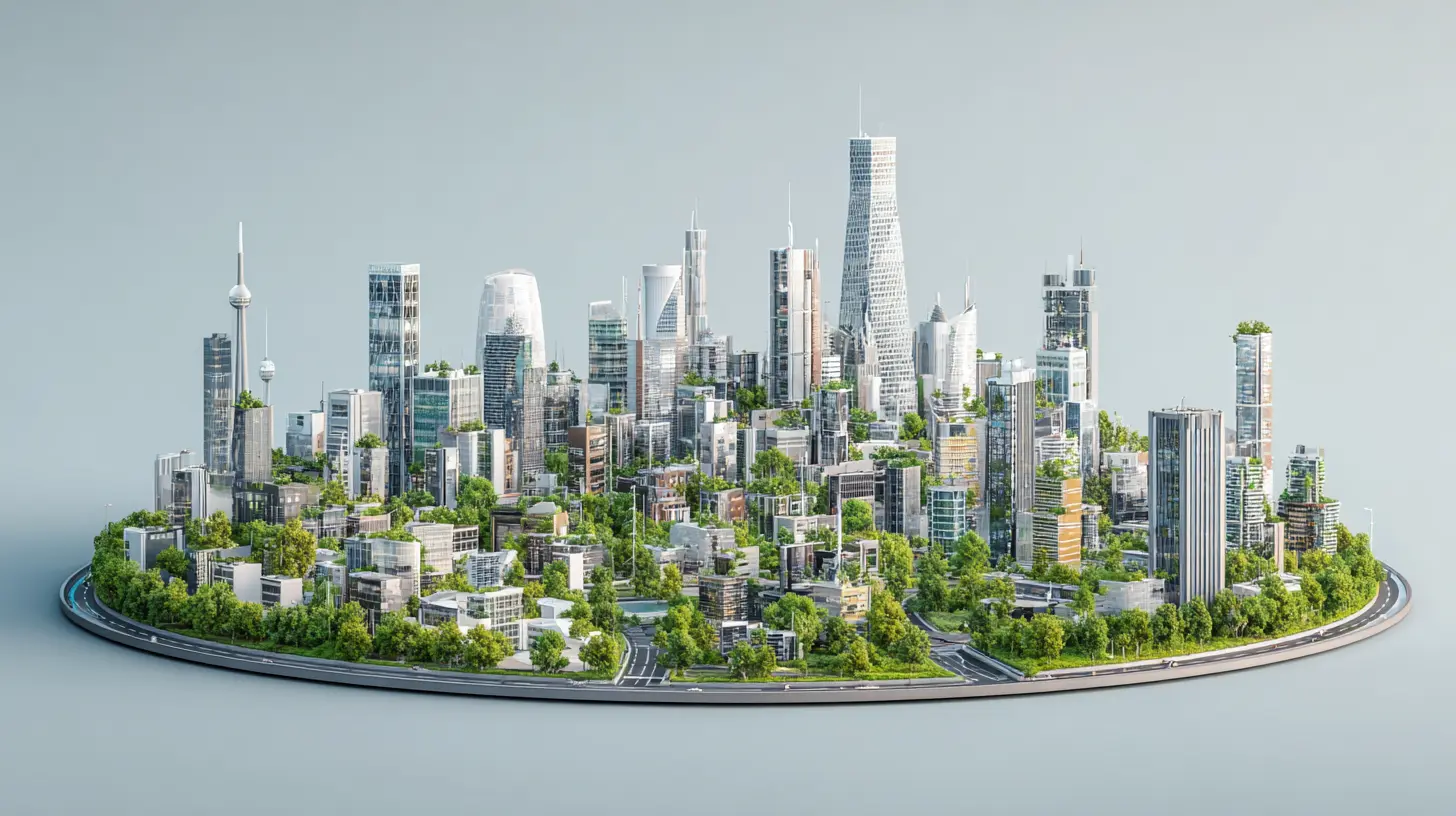
What the Heck is a Smart City?
Let’s start with the basics. What in the world is a smart city? It’s like your regular city, but with a sprinkle of tech magic. Picture this: sensors that talk to each other, traffic lights that adjust based on real-time traffic, and waste management systems that tell you when your trash can is full—because who doesn’t want a trash can that’s smarter than most of us?In short, smart cities leverage the Internet of Things (IoT), big data, and artificial intelligence to improve the quality of life for their residents. They make cities more efficient, sustainable, and, dare I say it, enjoyable. But what does this mean for real estate? Buckle up!
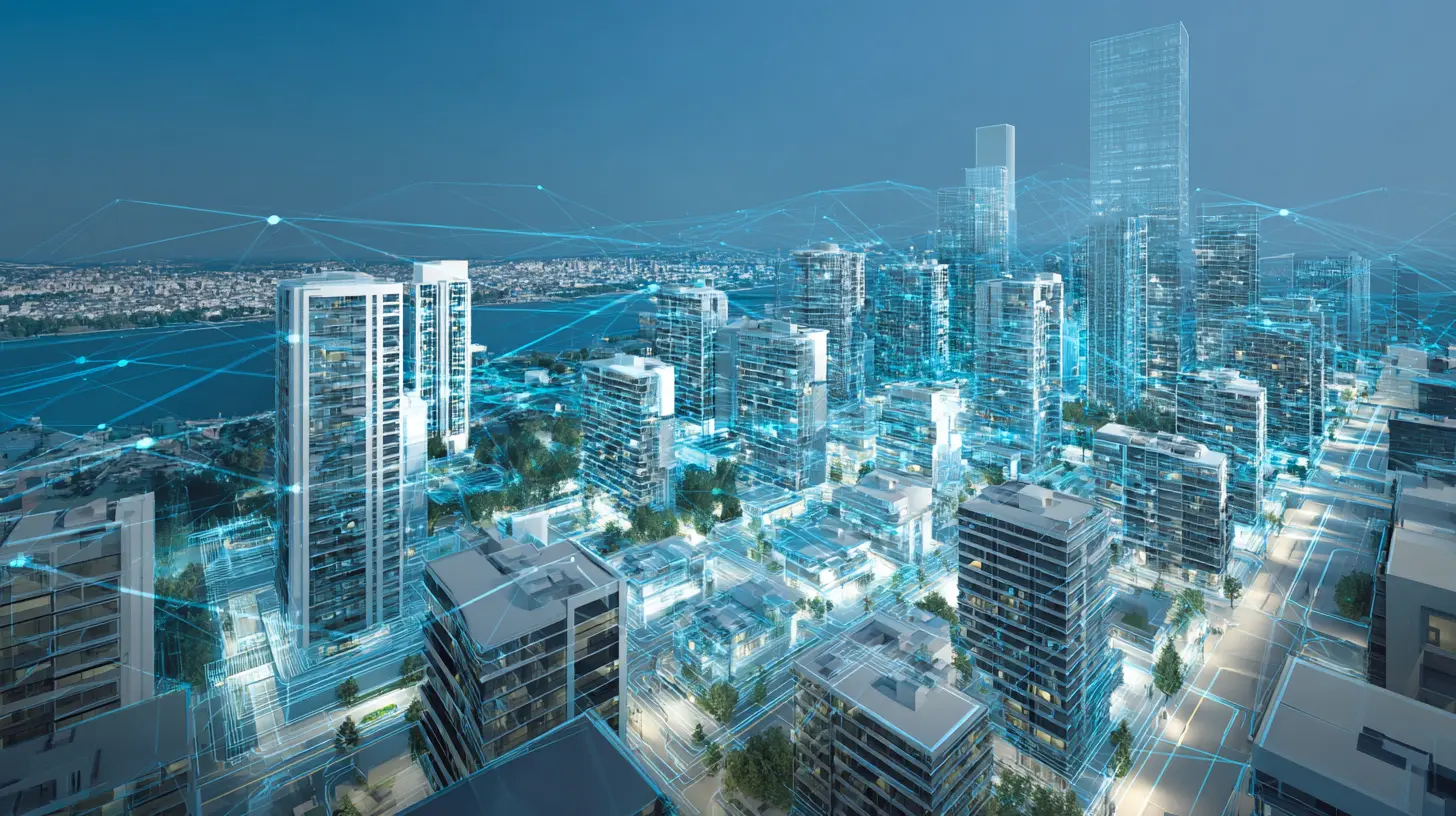
The Tech-Infused Neighborhoods of Tomorrow
Imagine walking through a neighborhood where your smart home knows when you’re about to walk in and adjusts the thermostat accordingly. Or how about a community park that uses solar panels and smart irrigation systems to keep grass greener than your neighbor's envy? By 2027, these neighborhoods won’t just be figments of imagination but rather the norm.Homes: More Than Just Four Walls
Traditional homes are so last century. By 2027, homes will be living, breathing entities—well, not literally, but you get the point. With smart home technology, your home will manage energy use, security, and even grocery lists. “Hey Google, order more milk!” will become a conversation starters.Homebuyers will be swarming toward these technologically advanced abodes like moths to a flame. Why? Because who wants to be the only one in the neighborhood without a house that can argue back? The result? A seismic shift in property values. If you’re stuck in a “dumb” home, you might as well be living in a cave.
The Rise of Mixed-Use Developments
Remember when you had to drive 30 minutes just to grab a cup of coffee? Or when you had to brave the elements to find a grocery store? Well, smart cities are here to save the day with mixed-use developments. These are basically neighborhoods on steroids, where you can live, work, and play—all within walking distance.By 2027, the real estate landscape will be filled with mixed-use developments that make your daily grind as easy as pie. And guess what? These areas are going to be hot commodities. Investors are going to be lining up like it’s Black Friday, and if you’re not ready, you might miss out on the best slice of real estate pie.
Sustainability: Because Who Doesn’t Want a Greener Planet?
Let’s talk sustainability. If there’s one thing we can all agree on, it’s that we’d prefer not to live in a wasteland. Smart cities champion eco-friendly practices, and guess what? Real estate loves a good PR stunt.Green Buildings: The New Black
Enter green buildings: stylish, eco-friendly structures that will have you feeling good about your carbon footprint. By 2027, these buildings won’t just be trendy; they’ll be essential. Buyers and renters will be on the hunt for properties that boast energy efficiency and sustainable materials.Think of it this way: owning a green building is like wearing a designer jacket, but better. You can brag about your fancy insulation and solar panels while sipping your ethically sourced coffee. Not only will you be saving the planet, but you’ll also be boosting your property value. It’s a win-win!
Public Transport: The Uber of Smart Cities
Riding around town in a self-driving car sounds like something out of a futuristic novel, but by 2027, it could be your everyday reality. Smart cities will prioritize public transport systems that are not only efficient but also environmentally friendly.With integrated transport options, getting from point A to point B won't require a degree in logistics. This means more people will want to live in areas that are easily accessible. Think about it: if your community is a hop, skip, and jump away from major transport lines, your property value will soar higher than your expectations for a Monday morning.
Safety First: The Tech That Protects
When it comes to real estate, safety is a big deal. Buyers want to feel secure in their new homes, and smart cities are stepping up to the plate.Surveillance and Smart Policing
Imagine a world where crime rates plummet because every street corner is equipped with smart surveillance systems. Sounds like a dream, right? By 2027, smart cities will utilize technology for proactive policing. Drones will monitor areas, and predictive analytics will help law enforcement allocate resources better.As a result, neighborhoods with low crime rates will become highly desirable, driving up property values. Who wouldn’t want to buy a home in an area that’s safer than a bubble-wrapped room?
Emergency Response: Faster Than a Speeding Bullet
When it comes to emergencies, seconds can make a world of difference. Smart cities will leverage technology to improve emergency response times. Imagine an ambulance that knows the best route to take based on real-time traffic data. By 2027, this could be a reality.For real estate, that means properties located in smart cities could see increased demand. Who wouldn’t want to live in a place where help is just a few clicks away? Your property value will be higher than your morning caffeine fix!
The Flexibility Factor: Adaptable Spaces
As we move closer to 2027, flexibility will reign supreme in real estate. Gone are the days of rigid property layouts and one-size-fits-all designs. Smart cities will embrace adaptable spaces that can change based on the needs of the community.Co-Working Spaces: The Office That's Not Really an Office
Picture this: you’re a freelancer who loves the freedom of working from home but occasionally craves human interaction. By 2027, co-working spaces will be the norm in smart cities. These spaces will be equipped with everything you need—high-speed internet, coffee on demand, and maybe even a nap room (yes, please!).Investors will be clamoring to own properties that can serve as co-working hubs, leading to more dynamic real estate opportunities. After all, who wouldn’t want to invest in a space that can accommodate a yoga studio one day and a tech startup the next?
Residential Units with a Twist
Smart cities will also redefine residential spaces. Imagine living in a unit that can be transformed into a guest suite or a home office with just a few adjustments. By 2027, modular living spaces will adapt to your lifestyle.This flexibility means that your property could be worth more than you ever imagined. Buyers will be lining up for properties that can evolve with their needs—talk about a real estate goldmine!
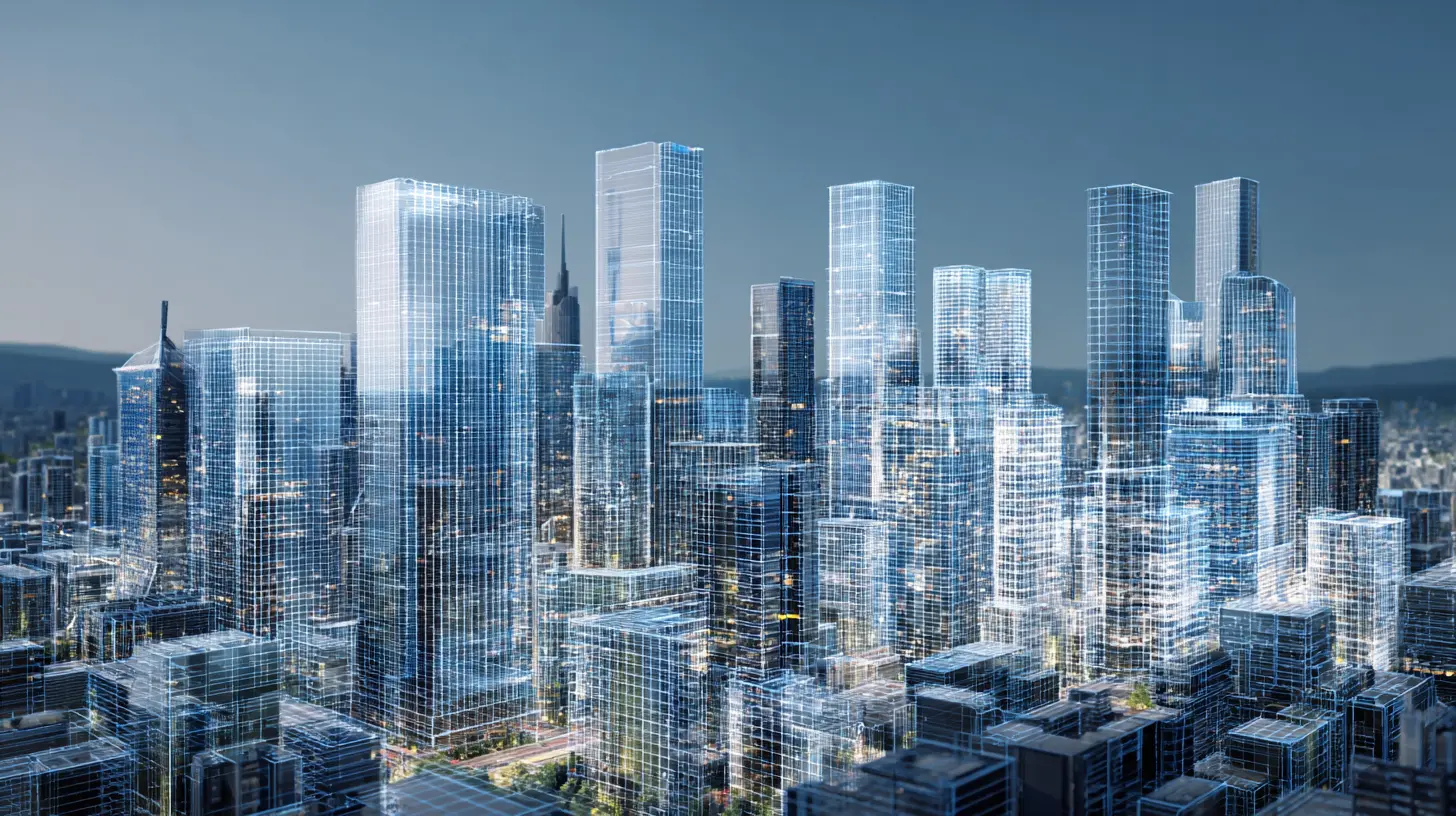
The Digital Twins: A Virtual Reality Check
Welcome to the future, where digital twins are a thing! In smart cities, digital twins are virtual replicas of physical spaces used for planning, management, and analysis. By 2027, these digital doppelgängers will change the way real estate is bought, sold, and managed.Virtual Tours: Because Who Has Time?
Gone are the days of trudging through open houses. With digital twins, prospective buyers can take virtual tours from the comfort of their couch. This means that real estate agents will have to up their game, or risk being left in the dust.As a result, properties that utilize this technology are likely to attract more interest, and you can bet your bottom dollar that prices will reflect that. After all, who wouldn’t want to sell a home that can be viewed from a cozy armchair?
Conclusion: The Real Estate Crystal Ball
As we look toward 2027, it’s clear that smart cities are not just a passing trend; they’re the future of urban living. From technologically advanced homes to sustainable practices, the real estate landscape will be unrecognizable. If you’re in the market for a property, you better keep your eyes peeled and your wallet ready, because the smart city revolution is coming, and it’s going to be big.So, what are you waiting for? If you’re not already making moves in the real estate market, you might just find yourself living in the last “dumb” house on the block. And let’s be real—no one wants that.
all images in this post were generated using AI tools
Category:
Real Estate NewsAuthor:

Travis Lozano
Discussion
rate this article
2 comments
Sandra Marks
Smart cities promise to transform real estate by enhancing connectivity and sustainability. Embracing technology will be crucial for developers and buyers alike.
June 2, 2026 at 2:55 AM
Travis Lozano
Absolutely. The integration of technology in smart cities is set to revolutionize real estate, making it more efficient and sustainable for everyone involved.
Runehart Rodriguez
Intriguing insights! How will advancements in smart city technology reshape property values and urban living experiences by 2027? I can't wait to find out!
April 21, 2026 at 5:01 AM
Travis Lozano
Thanks for your interest! By 2027, smart city tech will likely boost property values in well-connected areas and enhance urban living through improved services and sustainability. Exciting times ahead!