Predicting the Next Shortage: Construction Labor in 2027
6 September 2026
The construction industry has a peculiar relationship with time. We build structures meant to last generations, yet we plan our workforce on a quarter-by-quarter basis. We celebrate the return of large-scale infrastructure spending while quietly ignoring the demographic cliff we are driving toward. By 2027, that cliff will not be a metaphor. It will be a measurable shortfall of skilled tradespeople, and it will reshape how projects are bid, financed, and delivered.
This is not another cyclical downturn warning. The industry has weathered recessions, material price spikes, and interest rate shocks. What makes the 2027 labor shortage different is that it is not driven by demand. It is driven by supply. The workers are simply not there. And unlike a rate hike, you cannot reverse a demographic trend with a policy announcement.

The Numbers Nobody Wants to Say Out Loud
Let us start with what we know. The median age of a skilled construction worker in the United States hovers around forty-two to forty-five years, depending on the trade. Electricians and plumbers skew older. Ironworkers and heavy equipment operators are not far behind. A significant portion of that workforce will reach retirement eligibility between 2025 and 2028. Some will stay longer out of financial necessity or personal choice, but many will not. The body gives out. The knees go. The shoulders go. The willingness to work outside in July at age sixty-four fades faster than any pension fund.At the same time, the pipeline of new entrants has been structurally broken for two decades. The 2008 financial crisis pushed an entire generation away from construction careers. High schools eliminated vocational programs. Parents steered their kids toward four-year degrees. The result is a missing cohort of workers in their late twenties and early thirties. We are not just losing retirees. We are missing an entire generation that should be stepping into journeyman roles right now.
Immigration policy has added another layer of uncertainty. Construction has long relied on foreign-born workers, particularly in framing, concrete, and finishing trades. Legal pathways remain limited. Enforcement has fluctuated. Regardless of your political stance, the practical reality is that the industry cannot meet its future labor demand without a stable and legal inflow of workers. That inflow is not guaranteed.
By 2027, the arithmetic becomes unforgiving. Demand for construction is projected to remain steady or grow, driven by infrastructure bills, energy transition projects, and housing shortages. Supply of labor will shrink. The gap between the two is not a percentage point. It is a chasm.
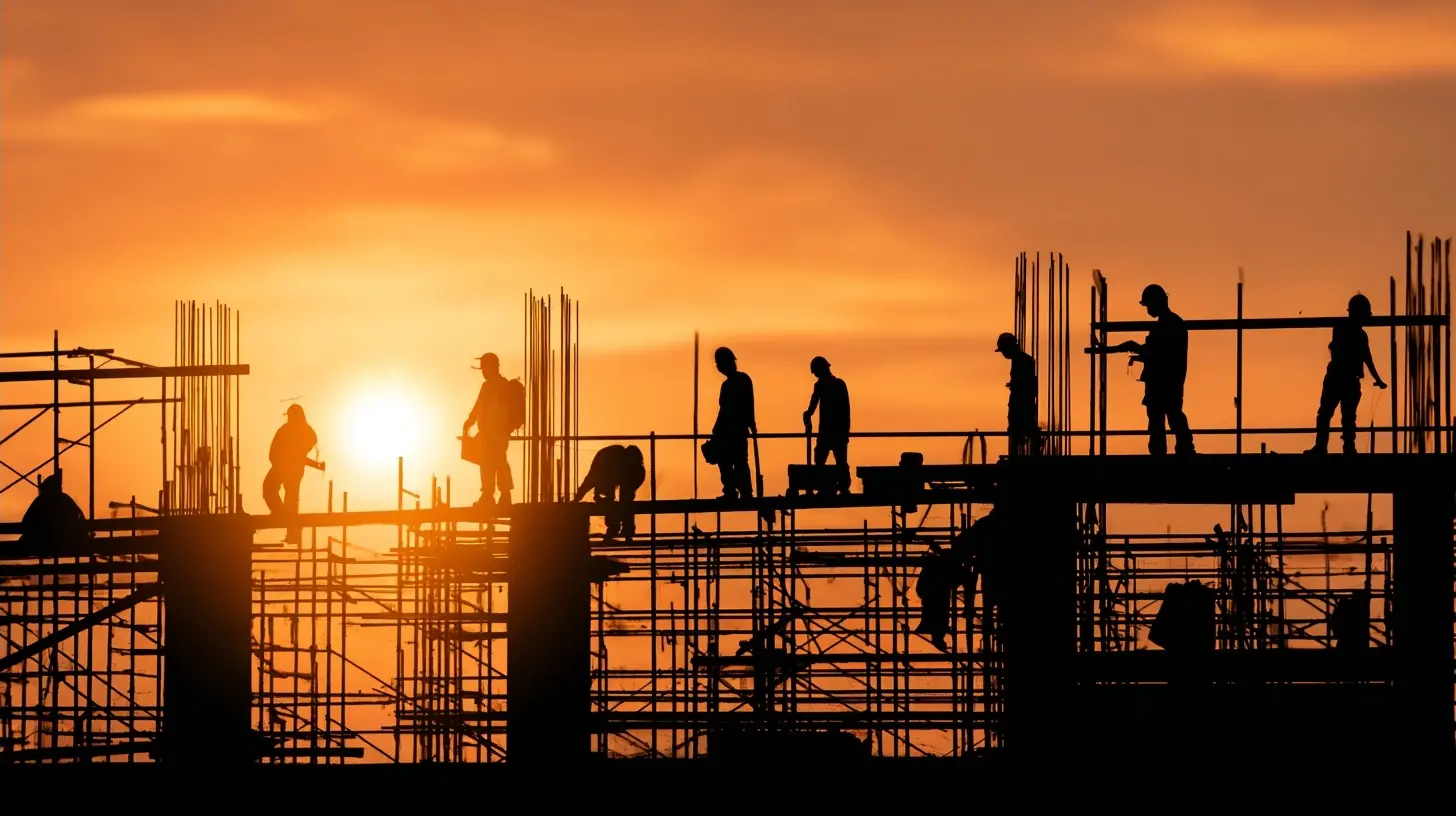
Why This Shortage Is Different From Previous Ones
Construction labor shortages are not new. In 2006, contractors complained about finding enough carpenters. In 2018, the same complaints surfaced. In both cases, a recession temporarily solved the problem by destroying demand. That is the dirty secret of construction labor planning. We have never actually solved a shortage. We have only outlasted it by slowing the economy.The 2027 shortage will not respond to that pattern. A recession might reduce project starts, but it will not create new electricians. It will not train a twenty-five-year-old plumber. It will not undo the retirement decisions of a fifty-nine-year-old project superintendent who has had enough. In fact, a mild recession could make things worse by driving experienced workers into other industries permanently. Once a tradesperson leaves for a facilities maintenance job or a manufacturing position, they rarely come back.
Another difference is the nature of the work itself. Modern construction is more technically demanding than it was in the past. Building information modeling, prefabrication, advanced mechanical systems, and stringent energy codes all require higher skill levels. You cannot fill a shortage of qualified electricians with unskilled general laborers. The work does not get simpler when the workforce gets thinner. It gets more dangerous.

The Hidden Cost of the Shortage: Quality and Safety
Most public discussion of labor shortages focuses on project delays and higher wages. Those are real, but they are only the surface. The deeper cost is quality. When you cannot find enough experienced carpenters, you hire whoever is available. You stretch crews thinner. You accelerate schedules to compensate for a lack of manpower. That is exactly how mistakes happen.Consider waterproofing. A building envelope failure does not show up for three to five years. By then, the warranty period has passed, the contractor has moved on, and the owner is facing a lawsuit or a major repair bill. The same applies to concrete placement, welding, and fireproofing. Defects in these systems are often invisible at the time of installation. They only reveal themselves after the building is occupied.
Safety follows the same trajectory. A tired crew is an unsafe crew. A crew that is missing its most experienced member is an unsafe crew. When a general contractor cannot find enough certified crane operators or scaffold erectors, they may push less qualified people into those roles. The regulatory framework tries to prevent that, but enforcement is inconsistent. The pressure to keep a project moving is immense.
The industry needs to confront an uncomfortable truth. The 2027 shortage will not just cost money. It will cost lives. Not necessarily in dramatic, headline-grabbing accidents. More likely in the slow accumulation of injuries, near misses, and chronic health problems that come from doing physically demanding work under chronic staffing pressure.

The Off-Site Manufacturing Illusion
A common response to labor shortages is to argue that prefabrication and modular construction will save us. The logic is appealing. Build more components in a factory, use fewer workers on site, and reduce the demand for skilled field labor. This works in theory. It has worked in specific sectors, particularly in multifamily housing and some commercial projects.But off-site construction has its own labor problems. Factories need skilled workers too. They need welders, CNC operators, and assembly line workers who understand building systems. These are not the same skills as field installation, but they are not unskilled positions either. You are not solving the labor shortage. You are moving it from one location to another.
There is also a capacity constraint. The modular manufacturing industry in North America is still small relative to the overall construction market. Scaling it up requires massive capital investment. That investment will not happen unless owners and developers commit to using off-site methods at scale. That commitment has been slow to materialize because the industry is deeply fragmented and risk-averse.
Off-site construction is a valuable tool. It is not a silver bullet. Treating it as the answer to the labor shortage is a way to avoid the harder work of recruiting, training, and retaining a skilled workforce.
The Apprenticeship Revival That Is Not Happening Fast Enough
Every industry report for the past ten years has recommended expanding apprenticeship programs. The logic is sound. Apprenticeships provide structured training, paid work experience, and a clear career path. They are the most reliable way to produce a skilled journeyperson.The problem is scale and speed. A typical electrical apprenticeship takes four to five years. A plumbing apprenticeship takes a similar amount of time. Even if you doubled the number of apprentices today, they would not be fully productive until 2029 or 2030. That is too late for the 2027 shortage.
There is also a retention problem. Many apprentices do not complete their programs. The dropout rate varies by trade and by region, but it is significant. Young workers often leave because the pay is low in the early years, the work is physically demanding, and the culture on some job sites is unwelcoming. The industry has started to address these issues, but the changes are incremental.
Some states have made progress by funding pre-apprenticeship programs in high schools. These programs introduce students to the trades before they graduate, giving them a head start on the required classroom hours. The results are promising, but the scale remains tiny compared to the need.
The Role of Technology: Helpful but Not a Replacement
Automation, robotics, and AI are often mentioned in the same breath as the labor shortage. Construction technology has advanced significantly. Drones perform site surveys. Robotic total stations improve layout accuracy. Exoskeletons reduce physical strain. AI-powered scheduling tools optimize crew deployment.These technologies are genuinely useful. They can make a smaller workforce more productive. They can reduce the physical toll on older workers who want to stay in the field. They can improve safety monitoring and quality control.
But they do not replace the fundamental need for human judgment. A robot can lay brick in a controlled environment. It cannot navigate the chaos of a live job site with changing conditions, unexpected conflicts, and the need to coordinate with dozens of other trades. An AI can suggest a schedule, but it cannot negotiate with a frustrated subcontractor or make the call to stop work when a safety issue appears.
The construction industry is not manufacturing. It is a craft-based, project-based endeavor. Technology can augment the craftsman. It cannot replace him.
What Owners and Developers Need to Understand
Owners and developers often view labor shortages as a contractor problem. They assume that the general contractor will figure it out, and that the cost will simply be passed along. That assumption is dangerous.The labor shortage will affect project delivery in ways that cannot be fully priced into a contract. Schedule delays will be longer than expected. Quality issues will appear after occupancy. Change orders will become more frequent as contractors struggle to find workers with the right skills at the right time.
Owners need to change their approach to procurement. Instead of awarding projects to the lowest bidder, they should consider the contractor's workforce stability. How many of the contractor's superintendents and project managers have been with the company for more than five years? Does the contractor have its own self-perform crews, or does it rely entirely on subcontractors? What is the average age of the contractor's workforce?
These questions are not typically part of the bid evaluation process. They should be. An owner who ignores labor availability is making a bet that the project will be fine. In 2027, that bet will fail more often than not.
Owners should also consider adjusting their project schedules. A realistic schedule that accounts for labor availability is better than an aggressive schedule that forces contractors to overstaff or cut corners. This is a hard sell in an industry where speed is often the primary metric. But the cost of a realistic schedule is predictable. The cost of a failed schedule is not.
The Regional Dimension: Not All Markets Are Equal
The labor shortage will not hit every market equally. Some regions will feel it much earlier and much harder than others. The Sun Belt states, with their rapid population growth and booming housing markets, are already struggling to find enough workers. The Pacific Northwest has a strong union presence and a relatively stable workforce, but it is also facing a wave of retirements.Rural areas face a different challenge. They have smaller labor pools to begin with, and they often struggle to attract workers from outside the region. A large infrastructure project in a rural county may require workers to travel significant distances or relocate temporarily. That is a hard sell for workers who have families and established lives elsewhere.
Urban markets have their own issues. The cost of living in major cities makes it difficult for construction workers to afford to live near the job site. Commutes are long. Parking is expensive. The appeal of working in a city fades when you spend two hours in traffic each day.
Contractors who operate in multiple regions need to think strategically about where to focus their recruiting efforts. The labor shortage is not a single national problem. It is a collection of local problems that share a common cause.
The Immigration Question: A Practical Reality
Immigration is a politically charged topic, but from a construction labor perspective, the question is purely practical. The industry needs workers. The domestic pipeline is insufficient. Foreign-born workers have been a critical part of the construction workforce for decades.The current immigration system does not provide enough legal pathways for construction workers. The H-2B visa program is capped and heavily used by other industries. The EB-5 investor visa does not address the need for skilled tradespeople. There is no meaningful visa category for a skilled carpenter or electrician who wants to work legally in the United States.
Some states have taken matters into their own hands. They have expanded driver's license access, improved worker protections, and created state-level programs to integrate immigrant workers into the trades. These efforts help, but they cannot replace a functional federal immigration system.
The construction industry cannot solve this problem on its own. It requires legislative action. Until that happens, contractors will continue to face uncertainty about their workforce availability. That uncertainty makes it harder to plan, harder to invest in training, and harder to commit to large projects.
What Contractors Can Do Right Now
Contractors who wait until 2027 to react will be too late. The time to act is now. The first step is to conduct an honest workforce assessment. How many of your current employees will retire in the next three years? How many are in their forties and fifties, still productive but approaching the end of their physical prime? What is your recruitment pipeline actually producing?The second step is to focus on retention. It is cheaper to keep a good worker than to find a new one. That means competitive wages, but it also means something more. It means predictable schedules, reasonable overtime, clear career paths, and a culture of respect. Construction is a tough business. The workers who stay are the ones who feel valued.
The third step is to invest in training even when you are busy. It is tempting to skip training when the schedule is full and every hour is billable. That is a mistake. Training is the only way to build the next generation of skilled workers. Contractors who treat training as a cost to be minimized will find themselves unable to staff projects in 2027.
The fourth step is to build relationships with high schools, community colleges, and workforce development organizations. The workers you need in 2027 are currently in the eleventh grade or the first year of community college. If you are not visible to them now, they will choose a different career path.
The Soft Skills Gap: A Hidden Problem
When we talk about labor shortages, we usually focus on technical skills. But the shortage of soft skills may be equally damaging. Construction projects require communication, coordination, and conflict resolution. These skills are not taught in most apprenticeship programs.A project superintendent who cannot communicate clearly with an owner's representative will create problems regardless of how many electricians are on site. A foreman who cannot motivate a crew will lose workers even when the pay is good. A project manager who cannot manage expectations will turn a minor delay into a major dispute.
The construction industry has historically undervalued these skills. Workers are promoted based on their technical ability, not their leadership potential. That approach is no longer sustainable. As the workforce gets thinner, every person matters more. A toxic supervisor who drives away two or three workers is now a critical liability.
Contractors need to invest in leadership development for their field supervisors. This is not about sending people to a one-day seminar. It is about ongoing coaching, mentorship, and feedback. The supervisors who can build a cohesive team will be the ones who survive the labor shortage.
The Financial Reality: Who Pays for the Shortage
The labor shortage will ultimately be paid for by owners and, by extension, the end users of buildings. Higher wages will be passed through in bids. Longer schedules will increase carrying costs. Quality issues will lead to maintenance and repair expenses.There is no way to avoid these costs. The only question is whether they are paid upfront or later. Paying upfront means investing in workforce development, realistic schedules, and quality processes. Paying later means dealing with delays, defects, and disputes.
The construction industry has a long history of paying later. It prefers to react rather than plan. The 2027 shortage will punish that approach. Contractors and owners who plan ahead will have a competitive advantage. Those who do not will struggle to deliver projects on time and on budget.
A Realistic Path Forward
Predicting the exact scale of the 2027 shortage is impossible. It depends on economic conditions, immigration policy, and the pace of technological adoption. But the direction is clear. The industry is heading toward a significant shortfall of skilled labor.The response cannot be a single solution. It requires a portfolio of actions. Expand apprenticeships. Improve retention. Invest in training. Embrace technology where it makes sense. Push for sensible immigration reform. Change the culture of construction to make it more welcoming to a diverse range of workers.
None of these actions alone will solve the problem. Together, they might narrow the gap enough to keep projects moving. The alternative is to accept a future where construction projects take longer, cost more, and deliver lower quality. That is not a future anyone in the industry wants. But it is the future we will get if we do not act now.
The year 2027 is not far away. The workers needed for that year are already adults or near-adults. The decisions we make in the next twelve to eighteen months will determine whether we face a manageable challenge or a full-blown crisis. The industry has been warned. The question is whether it will listen.
all images in this post were generated using AI tools
Category:
Real Estate NewsAuthor:

Travis Lozano
Discussion
rate this article
2 comments
Phaedra Coleman
The looming construction labor shortage in 2027 is a wake-up call for the industry. Companies need to invest in skilled training and innovative recruitment strategies now. Proactive planning will be crucial to avoid project delays and rising costs. The time to act is now, not when the crisis hits.
September 12, 2026 at 3:50 AM
Travis Lozano
Absolutely agree. Addressing the labor shortage now through training and recruitment is essential to keep projects on track and costs manageable. Proactive steps will make all the difference.
Jax McCool
I wonder what specific factors will drive the construction labor shortage in 2027. With technology evolving so rapidly, will automation play a role, or is it more about the workforce and training gaps?
September 7, 2026 at 3:50 AM
Travis Lozano
Both automation and workforce training issues will be significant. As tech advances, the need for skilled workers who can adapt will grow. If we don't address these training gaps now, the shortage could worsen by 2027.