Adaptive Reuse in Real Estate: Turning Existing Buildings into Goldmines
13 January 2026
Real estate is constantly evolving, and one of the most exciting trends shaping the industry today is adaptive reuse. Instead of starting from scratch, developers and investors are breathing new life into old buildings, transforming them into profitable assets. This creative approach not only preserves history but also makes financial sense in a market where new construction can be costly and time-consuming.
So, why tear down when you can repurpose, redesign, and revitalize? Let’s dive into the world of adaptive reuse and see how old buildings can turn into modern-day goldmines. 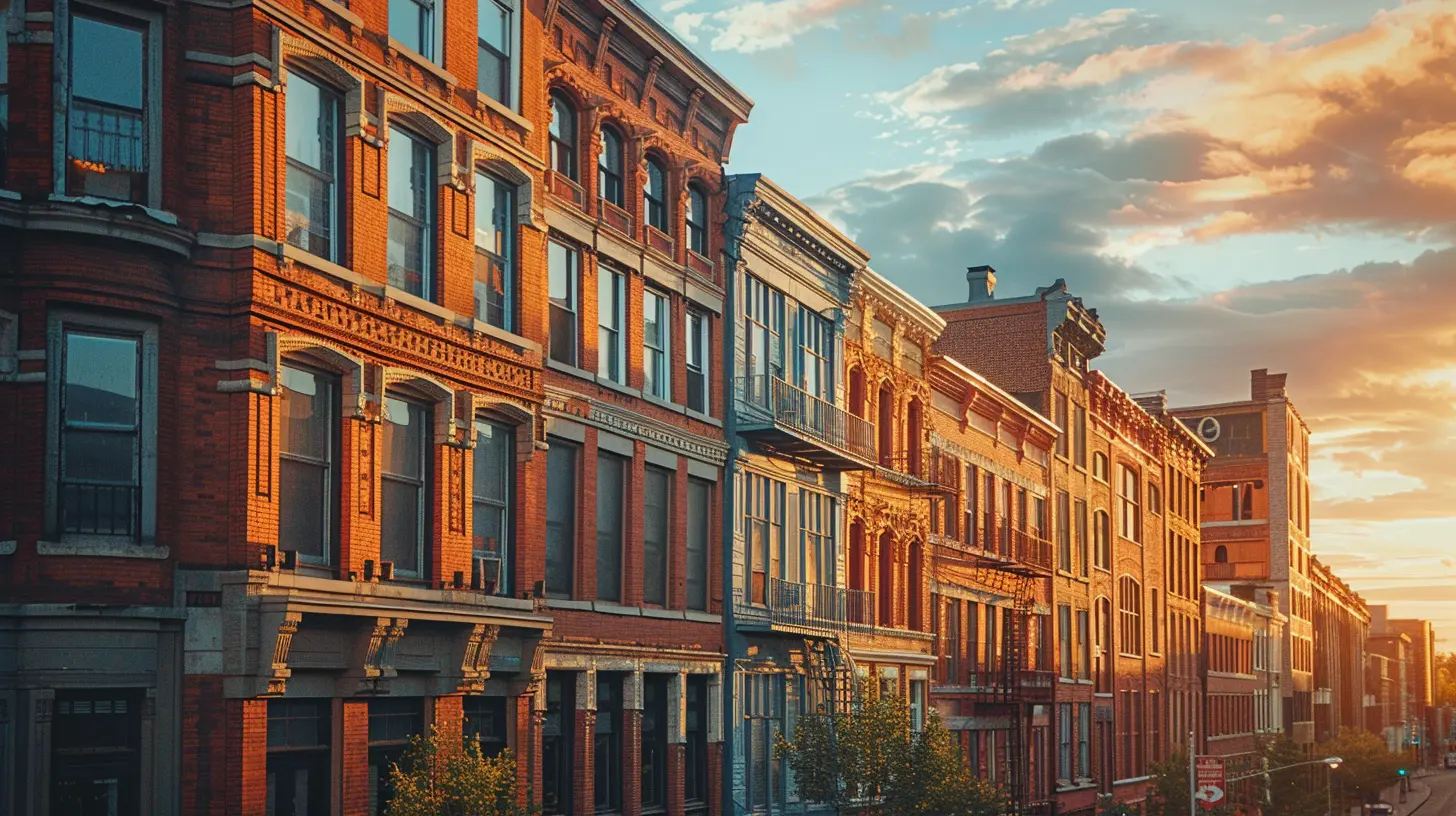
What Is Adaptive Reuse?
At its core, adaptive reuse is the process of repurposing an old building for a new use, rather than demolishing it. It’s an innovative way to extend a property's lifecycle while maintaining its original charm.Think of it like a phoenix rising from the ashes—old factories become luxury lofts, outdated malls transform into tech hubs, and historic churches find new life as trendy restaurants. The possibilities are endless! 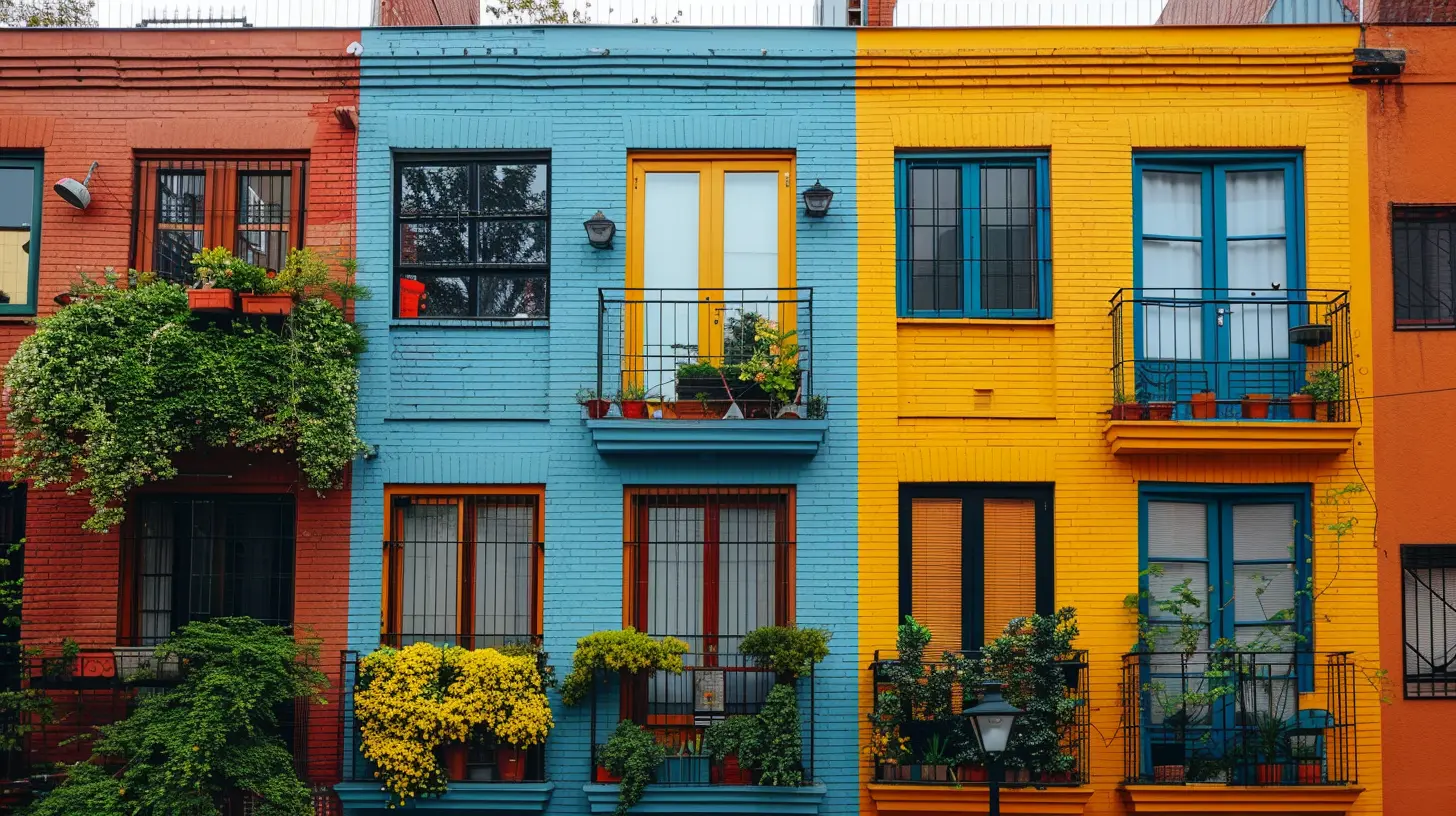
Why Adaptive Reuse Is a Game-Changer
1. Cost-Effective Solution
Constructing a brand-new building from the ground up requires permits, materials, labor, and time—all of which can be expensive. Adaptive reuse often reduces costs since the main structure is already in place.2. Faster Turnaround Time
Time is money in real estate. Since adaptive reuse projects utilize existing structures, developers can skip many of the time-consuming steps involved in new builds, such as land grading and foundation work.3. Preserving Architectural Beauty
Older buildings often have unique designs, high-quality materials, and craftsmanship that are hard to replicate today. Instead of bulldozing historic charm, adaptive reuse celebrates it—creating spaces that blend history with modern convenience.4. Sustainability & Eco-Friendliness
Sustainability is no longer just a buzzword; it’s a global movement. Adaptive reuse reduces waste, lowers carbon footprints, and minimizes resource consumption since fewer materials are needed compared to new construction.5. High Market Demand
People love buildings with character and history. Whether it’s a converted warehouse-turned-coffee shop or an old train station transformed into a luxury hotel, adaptive reuse projects often attract buyers, tenants, and visitors seeking something unique.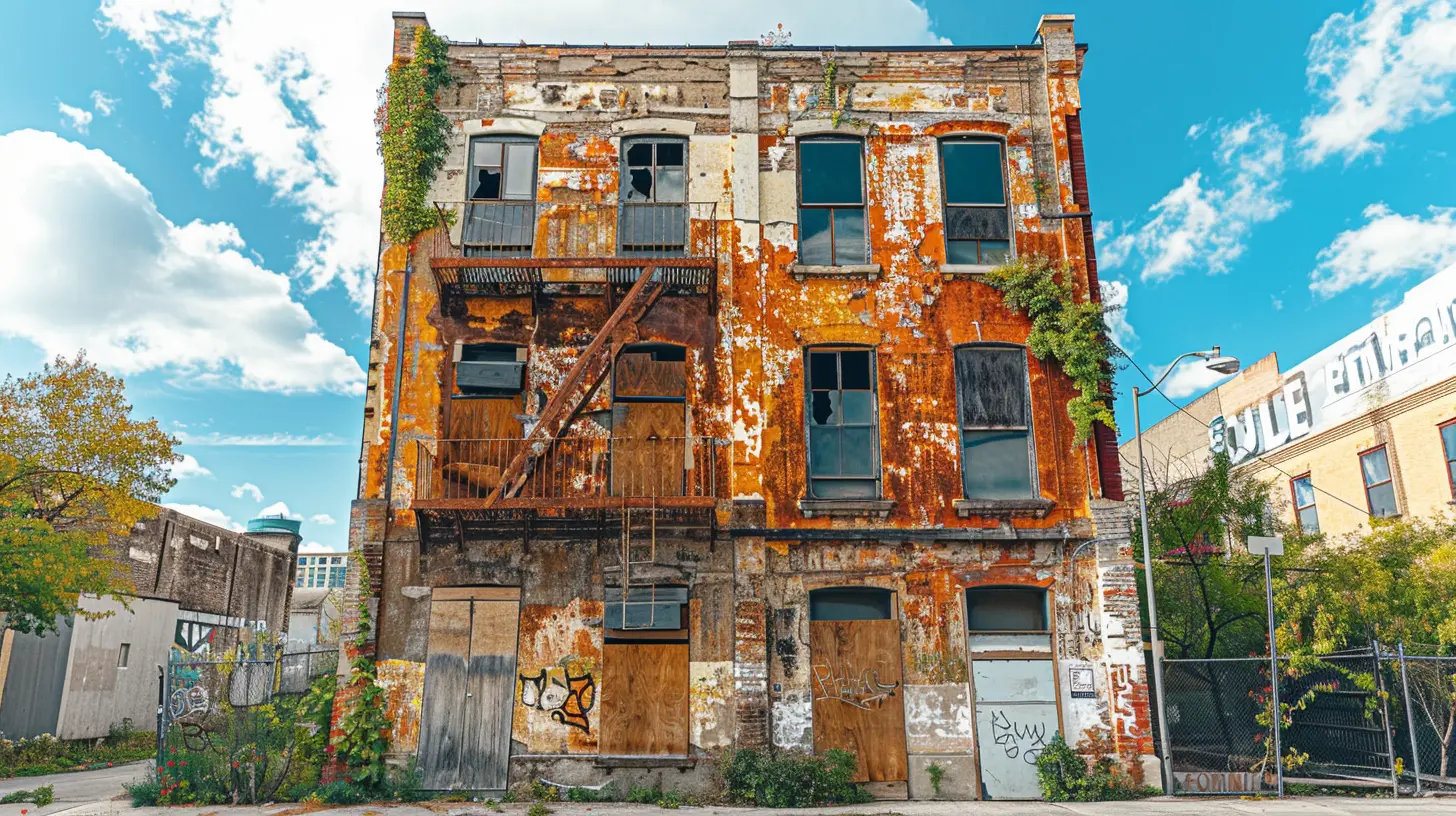
Common Types of Adaptive Reuse Projects
1. Industrial-to-Residential Conversions
A run-down warehouse can become an upscale apartment complex. With open floor plans, exposed brick, and high ceilings, these conversions are widely popular among urban dwellers.2. Office-to-Housing Transformations
With the shift to remote work, many office buildings are sitting empty. Instead of leaving them vacant, developers are converting them into affordable housing, co-living spaces, and high-end condos.3. Historic Building Restorations
Preserving the cultural and historical essence of old structures while adapting them for modern use is a win-win. Former courthouses, churches, and train stations have become some of the most stunning hotels and event venues.4. Abandoned Malls to Mixed-Use Developments
The retail landscape is changing, and many shopping malls have been left deserted. Smart investors are transforming them into mixed-use developments with residential units, offices, entertainment zones, and fitness centers.5. Vacant Schools into Creative Hubs
Old schools are full of potential! Developers have turned them into coworking spaces, art studios, and innovation hubs that cater to entrepreneurs and creatives.
How to Successfully Execute Adaptive Reuse
1. Conduct a Feasibility Study
Before diving into a project, it’s crucial to analyze the building’s structural integrity, zoning regulations, and potential challenges. Not every property will be a good fit for adaptive reuse.2. Collaborate with Experts
Architects, engineers, and preservation specialists play a key role in ensuring the building’s transition is seamless. Having a team that understands the complexities of older structures is essential.3. Navigate Zoning Laws & Building Codes
Zoning rules are different for residential, commercial, and industrial properties. Understanding local zoning laws and securing permits will help avoid costly delays.4. Leverage Tax Incentives & Grants
Many cities offer tax credits, grants, and incentives to encourage property reuse—especially for historic buildings. Taking advantage of these programs can make the project even more lucrative.5. Prioritize Sustainability & Modernization
While preserving existing architecture, it’s also important to integrate energy-efficient systems, smart technology, and sustainable materials to enhance the building’s value and appeal.Is Adaptive Reuse a Profitable Investment?
Absolutely! Adaptive reuse presents lower development costs, faster turnaround, and strong demand—making it a highly profitable real estate strategy.Here’s what makes it a goldmine for investors:
✔ Lower acquisition costs – Many old buildings are available at a fraction of the price compared to new developments.
✔ Increased property value – A well-designed adaptive reuse project can significantly boost property appreciation.
✔ Attractive to tenants & buyers – People love unique spaces with character, making adaptive reuse properties highly desirable.
✔ Government incentives – Many municipalities offer financial perks for repurposing buildings.
Unlike traditional investments, adaptive reuse adds value beyond square footage—turning forgotten spaces into iconic landmarks.
Final Thoughts
Adaptive reuse in real estate is more than just a trend—it’s a smart, sustainable, and highly profitable strategy. By reimagining and repurposing old buildings, investors can transform overlooked properties into thriving assets.So, before dismissing an old warehouse, church, or office block, ask yourself: Could this be the next real estate goldmine? You might just find your next great investment in the unlikeliest of places!
all images in this post were generated using AI tools
Category:
Real Estate StrategiesAuthor:

Travis Lozano
Discussion
rate this article
2 comments
Margaret Frye
Great insights! Adaptive reuse not only breathes new life into old buildings but also makes sustainable living accessible. Excited to see more transformations like these!
February 2, 2026 at 1:44 PM
Travis Lozano
Thank you! I'm glad you found the insights valuable. Adaptive reuse truly transforms spaces and promotes sustainability. Exciting times ahead!
April McLaurin
Great article! The concept of adaptive reuse is incredibly inspiring, showcasing how we can revitalize existing structures while preserving history. It's a brilliant way to meet modern needs sustainably. Looking forward to seeing more innovative projects in this space!
January 14, 2026 at 12:44 PM
Travis Lozano
Thank you for your kind words! I'm glad you found the article inspiring. Adaptive reuse truly offers a fantastic way to blend history with modern needs. Excited for what the future holds!