Market Trends: Are Foreclosures Increasing in 2027?
26 September 2026
Foreclosure is one of those words that carries a distinct weight in real estate. It conjures images of distressed homeowners, discounted properties, and opportunity for buyers with cash and patience. It also raises a question that matters to almost everyone in the housing market: is the wave coming?
That question has been asked repeatedly since 2020. Each time, the anticipated surge failed to materialize in the way doomsayers predicted. Now the question has shifted forward, to 2027. Will foreclosures rise meaningfully that year, or will the pattern of the past several years repeat itself?
Nobody can answer that with certainty, because 2027 has not happened yet. What we can do is examine the forces that drive foreclosure activity, evaluate how those forces are positioned heading into 2027, and give you a framework for thinking about the risk yourself. That is more useful than a prediction, because the framework will remain valid even if the specific numbers do not.

What Actually Causes Foreclosure Activity to Rise
Before talking about any specific year, it helps to be precise about the mechanics. Foreclosure is not a random event. It is the end of a chain that usually begins with a financial shock to a household.That chain generally looks like this:
1. A homeowner experiences a loss of income, a divorce, a medical event, a death in the family, or another life disruption.
2. Their mortgage payment becomes difficult or impossible to sustain.
3. They fall behind, usually by 90 days or more, which is when most loan servicers begin formal foreclosure proceedings.
4. If no workout, modification, sale, or refinance resolves the delinquency, the property moves toward auction and eventually back to the lender.
Notice what is not on that list: home prices falling. A decline in home values can accelerate foreclosures, but it is rarely the initial trigger. The trigger is almost always income disruption combined with a lack of equity or a lack of options.
This distinction matters enormously for 2027. If the main driver is income shock, then the question becomes: what is likely to happen to household incomes and employment between now and then? If the main driver is equity, then the question becomes: how much cushion do homeowners have?
The Equity Cushion Is the Central Story
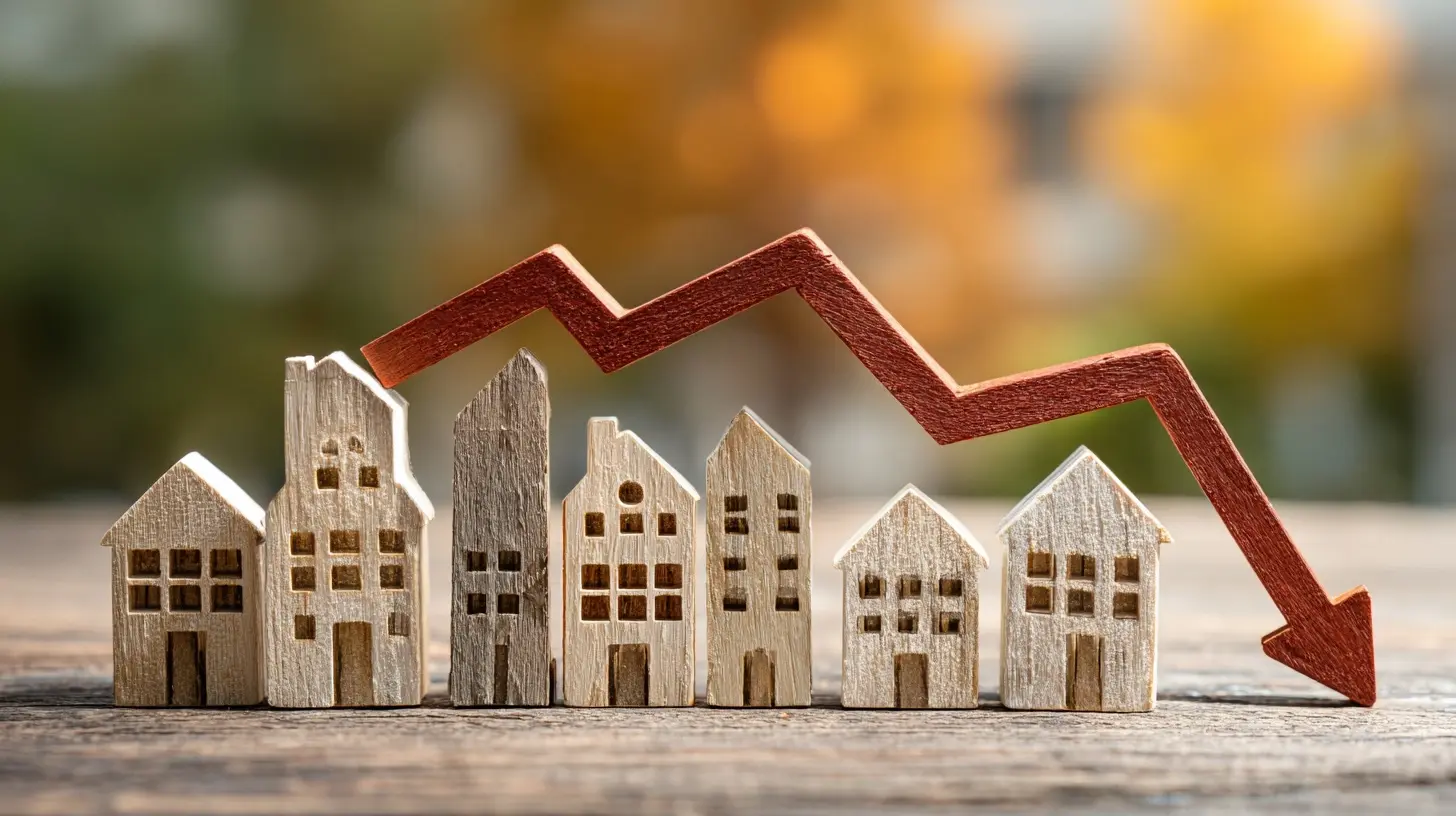
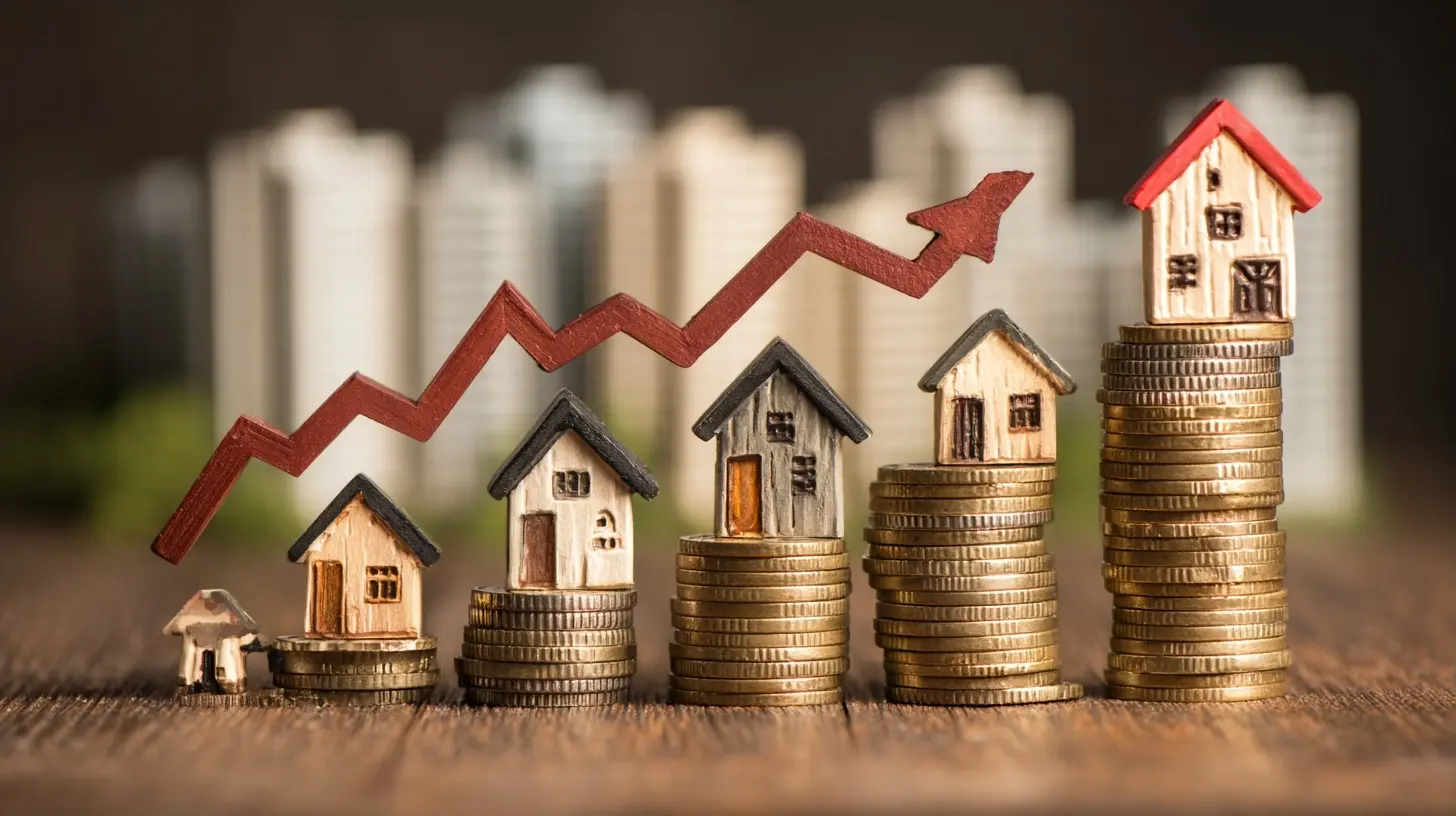
The single most important factor suppressing foreclosure activity in the mid-2020s has been homeowner equity. A large share of mortgages originated between 2020 and 2022 were made when rates were low, and home values have risen substantially since. Many homeowners sit on equity that is far above their loan balance.Why does equity matter so much? Because a homeowner with equity has options. They can sell the home and pay off the mortgage rather than lose it to foreclosure. They can take out a home equity line to bridge a temporary income gap. They can negotiate with the servicer from a position of strength. A homeowner with no equity has none of those options, which is why foreclosure risk concentrates in negative-equity and low-equity households.
Heading into 2027, the key question is whether that equity cushion will still be there. Two forces work against it:
- Home prices could decline in some markets, eroding equity.
- Homeowners who bought near the peak with low down payments could find themselves in a weaker position if values soften.
Two forces work in its favor:
- Most existing homeowners locked in low rates and have paid down principal for years.
- Supply constraints in many markets continue to support prices.
The honest answer is that this will vary dramatically by market. A homeowner in a supply-constrained metro with 40 percent equity is in a completely different position than a recent buyer in an oversupplied Sun Belt market with 5 percent down. Any claim that "foreclosures will rise in 2027" is meaningless without specifying where.
Why the Predicted Wave Kept Not Arriving
To understand 2027, it helps to understand why previous forecasts of a foreclosure surge were wrong. Several factors were underestimated.Forbearance worked better than expected
The mortgage forbearance programs that expanded during the pandemic allowed millions of homeowners to pause payments without immediately triggering default. When those programs ended, most borrowers exited with a repayment plan, a modification, or a sale. The feared cliff turned into a ramp.Servicers became more willing to modify
Loan servicers learned that modification is often cheaper than foreclosure. Extending a term, reducing a rate, or capitalizing arrears keeps a borrower in the home and keeps the loan performing. This is not charity; it is math. Foreclosure is expensive, slow, and uncertain.Equity gave borrowers an exit
When a homeowner cannot afford the payment but has equity, the natural outcome is a sale, not a foreclosure. That converts what would have been a foreclosure statistic into an ordinary home sale. It also explains why foreclosure starts can rise while completed foreclosures stay low.Tight credit standards limited the risk pool
Mortgage underwriting after 2010 was far stricter than in the mid-2000s. Borrowers had to document income, and risky products were largely removed from the mainstream market. A tighter risk pool means fewer defaults when the economy softens.The lesson is that foreclosure forecasts tend to be too pessimistic because they ignore the adaptive capacity of borrowers, servicers, and the market itself.
What Could Actually Push Foreclosures Higher by 2027
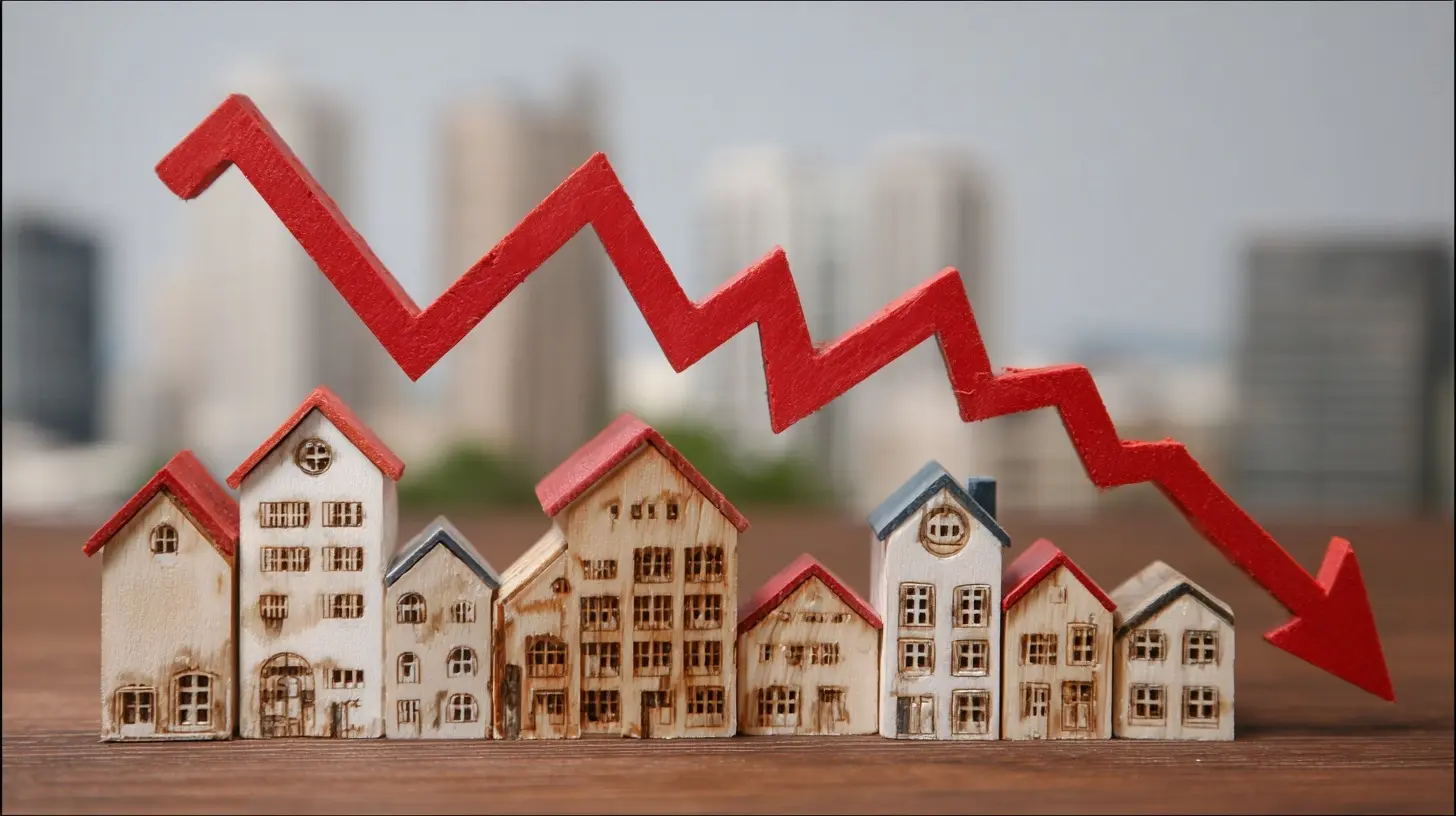
With that context, here are the realistic pathways to higher foreclosure activity in 2027.Pathway 1: A meaningful rise in unemployment
This is the most direct route. Foreclosure is fundamentally an income event. If unemployment rises substantially, delinquencies will follow, and some of those will become foreclosures. The lag between job loss and foreclosure is typically measured in months, not days, so a recession beginning in 2026 could plausibly show up in 2027 foreclosure data.How likely is this? That depends on economic conditions that cannot be known in advance. What is useful is to watch the leading indicators: initial jobless claims, the unemployment rate, and hours worked. These tend to move before foreclosure starts do.
Pathway 2: Concentrated equity erosion in specific markets
If home prices fall sharply in a particular metro, recent buyers with low down payments can find themselves underwater. Once a borrower owes more than the home is worth, the incentive and ability to sell disappears, and foreclosure becomes more likely.This is a local story, not a national one. Markets that saw the most speculative buying, the most new construction, and the largest price gains relative to incomes are the most exposed.
Pathway 3: Reset of affordability stress into actual default
Many households are currently stretched. High housing costs, insurance premiums, property taxes, and consumer debt consume a large share of income. Stretched households are vulnerable. They do not default because they are stretched; they default when a shock hits. The more stretched the household, the smaller the shock required.Pathway 4: Policy or program changes
If forbearance options narrow, modification standards tighten, or servicing rules change in ways that reduce loss mitigation, more delinquencies could convert to foreclosures. This is a policy-dependent pathway and hard to predict.Pathway 5: Natural disaster and insurance withdrawal
In some coastal and wildfire-prone markets, insurance availability and cost have become a genuine financial shock. A homeowner whose premium triples or whose insurer withdraws may face a payment they cannot sustain. This is a newer and underappreciated driver, and it is geographically concentrated.What Could Keep Foreclosures Low Through 2027
The forces on the other side are substantial.- Equity remains high for most homeowners. Even with modest price declines, most owners have a cushion.
- Supply is still constrained in many markets. Limited inventory supports prices and gives distressed owners a viable sale option.
- Servicers prefer modification. The infrastructure for loss mitigation is more mature than it was in 2008.
- Credit quality is strong. Most outstanding mortgages were underwritten to documented income standards.
- Demographics support demand. Millennials in peak household formation years continue to absorb supply.
None of these are permanent. But they are real, and they argue against a dramatic national foreclosure spike in 2027.
The Most Likely Scenario Is Not a Wave but a Divergence
If you want a single mental model for 2027, this is it: national foreclosure numbers may rise modestly from today's historically low levels, but the real story will be regional and segment divergence.Some markets will see foreclosures climb noticeably. Others will see almost none. The difference will come down to three variables:
1. Local labor market strength. Markets with diversified, stable employment will hold up better.
2. Equity position of recent buyers. Markets with heavy recent buying at low down payments are more exposed.
3. Supply and demand balance. Oversupplied markets with weak demand will see more distress.
This is why a national headline number is a poor guide for any individual decision. A foreclosure rate of 1.5 percent nationally tells you nothing about whether the house next door is at risk.
How to Read the Signals Yourself
If you want to track foreclosure risk as 2027 approaches, watch these indicators rather than relying on headlines.- Delinquency rates, especially 90-plus day. This is the pipeline. Foreclosures cannot rise without delinquencies rising first.
- Foreclosure starts versus completed foreclosures. A gap between them signals that loss mitigation and sales are absorbing distress.
- Unemployment claims and the unemployment rate. The income shock driver.
- Local months of supply and price trends. The equity driver.
- Insurance and tax burden trends. The slow-burn affordability driver.
- Servicer loss mitigation volumes. A proxy for how much distress is being resolved outside foreclosure.
The pattern to watch for is a sustained rise in 90-plus day delinquencies combined with falling equity in a given market. That combination is the classic precursor to higher foreclosure activity.
Practical Implications for Different Readers
If you are a homeowner worried about your own risk
The most important thing is not the national foreclosure rate. It is your personal equity position and your income stability. Ask yourself:- How much equity do I have relative to my loan balance?
- How many months of payments could I cover with savings?
- If my income dropped 20 percent, what would I do?
- Do I know my servicer's loss mitigation options before I need them?
The homeowners who get through a shock best are the ones who contact their servicer early, not the ones who wait until they are several months behind.
If you are a buyer hoping for foreclosure deals
Be realistic. In most markets, foreclosure inventory is a small fraction of total sales, and the best properties are competitive. Buying at auction requires cash, title diligence, and tolerance for risk. Buying a bank-owned property through a normal agent is more accessible but often priced close to market.The opportunity in a divergence scenario is geographic. If you know which local markets are most exposed to equity erosion and job loss, you can position there. But you also need to be right about timing, which is far harder.
If you are an investor
Distressed cycles reward patience and preparation, not prediction. The investors who do well in a foreclosure uptick are the ones who already have capital, contractor relationships, and title processes in place before the opportunity appears. Build the capability now, and you can deploy it if the opportunity arrives.Common Mistakes and Misconceptions
Mistake 1: Treating foreclosure forecasts as certainties. They are conditional. A forecast of rising foreclosures usually assumes a recession or a price decline. If that assumption fails, the forecast fails.Mistake 2: Confusing foreclosure starts with completed foreclosures. Starts can rise while completions stay low, because modifications and sales intervene. The two numbers tell different stories.
Mistake 3: Assuming national data applies locally. Housing is local. A national trend can mask opposite trends in two different metros.
Mistake 4: Ignoring the equity variable. Two homeowners with identical incomes and identical payment shocks can have completely different outcomes based on equity alone.
Mistake 5: Waiting too long to act. For homeowners, delay is the enemy. Options shrink as delinquency deepens.
Misconception: Foreclosures always mean bargains. Not necessarily. In tight markets, foreclosure properties can sell at or near market value. The discount depends on condition, competition, and local supply.
Misconception: A foreclosure wave is inevitable after a price run-up. Price run-ups do not automatically produce foreclosures. They produce foreclosures only when combined with income shocks and equity loss.
A Framework for 2027
Here is a simple way to think about it. Foreclosure activity in 2027 will be a function of:Income shock severity x Equity cushion x Loss mitigation effectiveness x Local supply conditions
Each factor can push in either direction. If income shocks are mild, equity is high, loss mitigation works, and supply is tight, foreclosures stay low. If income shocks are severe, equity erodes, loss mitigation narrows, and supply is loose, foreclosures rise.
Most likely, the outcome will be a mix. National numbers may drift modestly higher. Regional outcomes will diverge sharply. And the headline will probably be more dramatic than the underlying data, because foreclosure stories are compelling and nuance is not.
Final Thoughts
Are foreclosures increasing in 2027? The most defensible answer is: possibly, modestly, and unevenly. There is no mechanism that guarantees a wave, and several strong mechanisms that argue against one. But there is also no guarantee that the favorable conditions of recent years persist.The right posture is not to predict but to prepare. Know your own equity and income resilience. Know the indicators that matter. Know your options before you need them. And if you are looking for opportunity in distress, build your capability before the opportunity appears, because by the time it is obvious, the advantage is gone.
all images in this post were generated using AI tools
Category:
ForeclosuresAuthor:

Travis Lozano