The Role of Adobe in Preserving Tradition and Sustainability
8 June 2026
When you hear the word "adobe," what comes to mind? Maybe it's the software company that makes Photoshop, but in this case, we're talking about something much older and far more tangible—adobe, the ancient building material.
For centuries, adobe has been used to construct homes, temples, and entire cities. But beyond its historical significance, adobe plays a crucial role in sustainable living even today. With the growing movement toward eco-friendly construction, this humble material is making a comeback.
So, why is adobe so special? And how does it connect our past with our future? Let’s dig in.
What is Adobe?
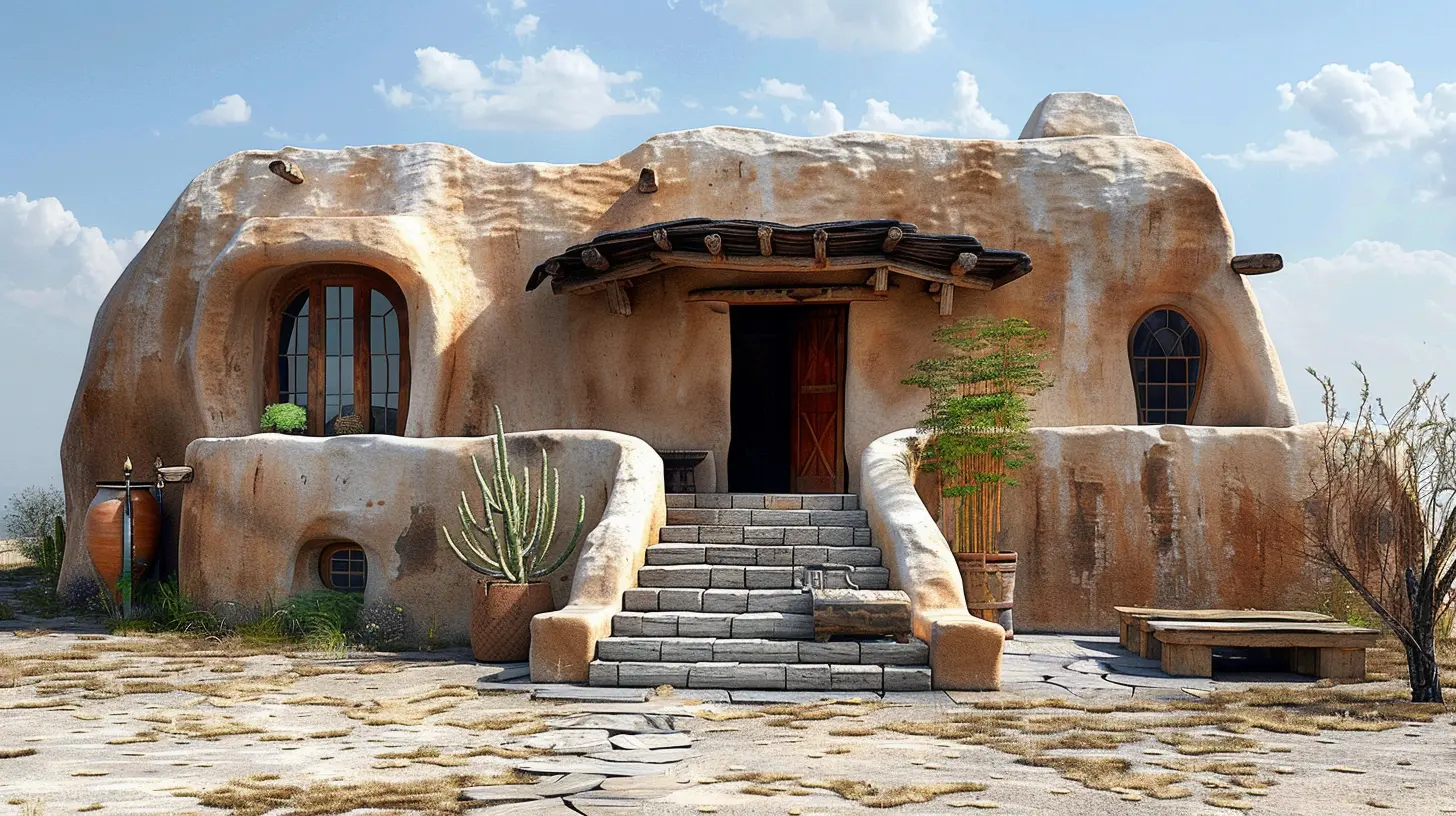
At its core, adobe is a simple yet incredibly effective building material made from earth, water, and organic fibers like straw or dung. These are mixed together and either molded into bricks or shaped freeform to create sturdy structures. Once dried by the sun, adobe becomes solid and durable, perfect for sheltering people from extreme weather conditions.This technique has been used for thousands of years, with structures dating back to ancient civilizations in Africa, the Middle East, and the Americas. The fact that adobe buildings are still standing today is a testament to their strength and resilience.
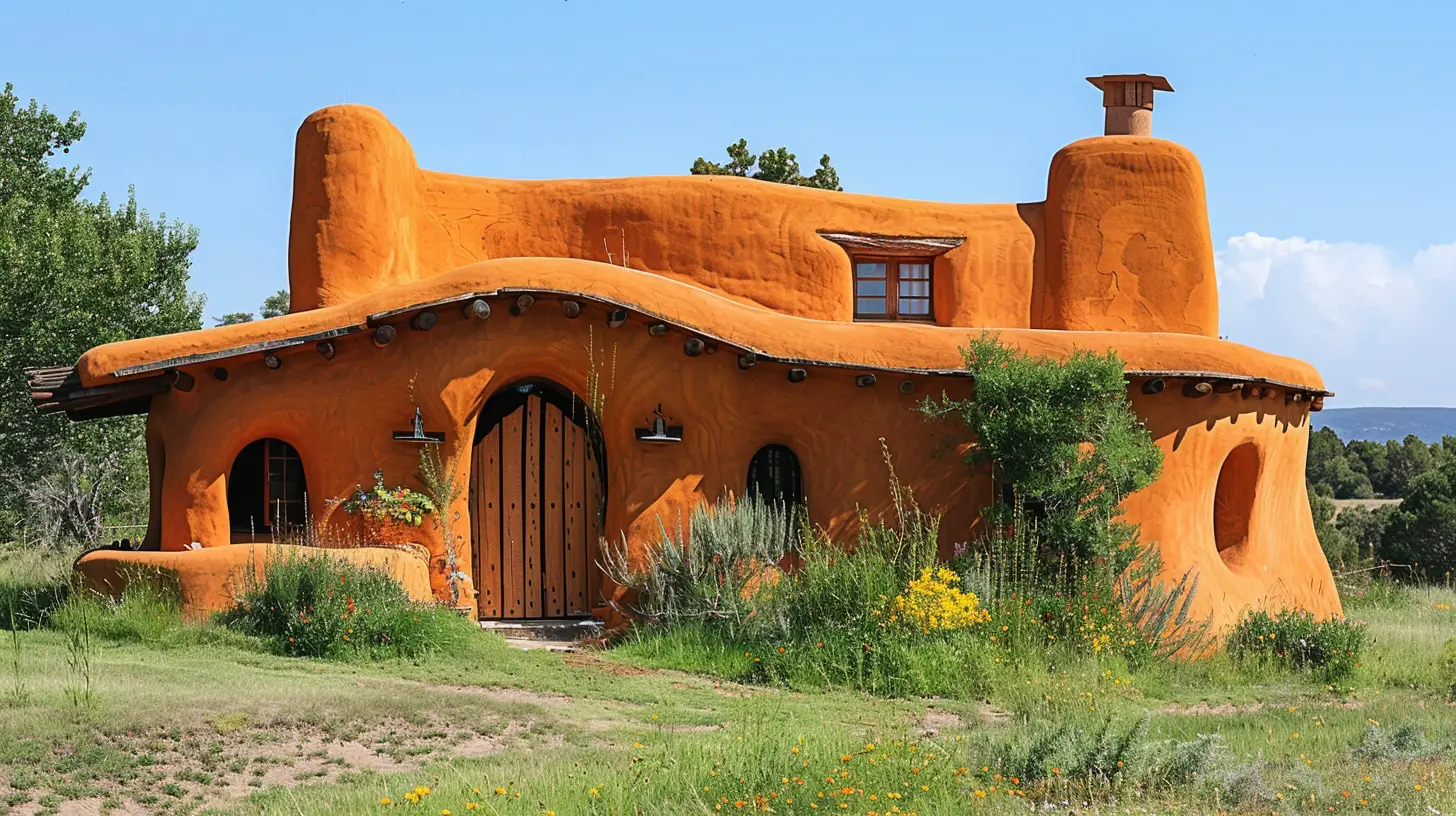
Adobe and Tradition: A Connection to the Past
Adobe isn't just about bricks and dirt; it's a living testament to human ingenuity and cultural heritage.An Architecture Rooted in History
Many traditional societies, from the pueblos of the American Southwest to Morocco’s ancient kasbahs, have relied on adobe for their homes and communal spaces. These structures weren't just built for function—they were intricately designed to reflect cultural values, climate adaptation, and artistic expression.Consider the adobe churches of New Mexico or the stunning homes in rural India. Each adobe structure carries a story, passed down through generations, showcasing not just craftsmanship but also deep respect for the land and local resources.
A Building Technique That Stands the Test of Time
What’s fascinating is how adobe structures have endured through centuries of wind, rain, earthquakes, and scorching heat. Some of the most remarkable adobe buildings, like the Great Mosque of Djenné in Mali, still stand today, proving that this building method wasn’t just a phase—it was an innovation long before sustainability was a buzzword.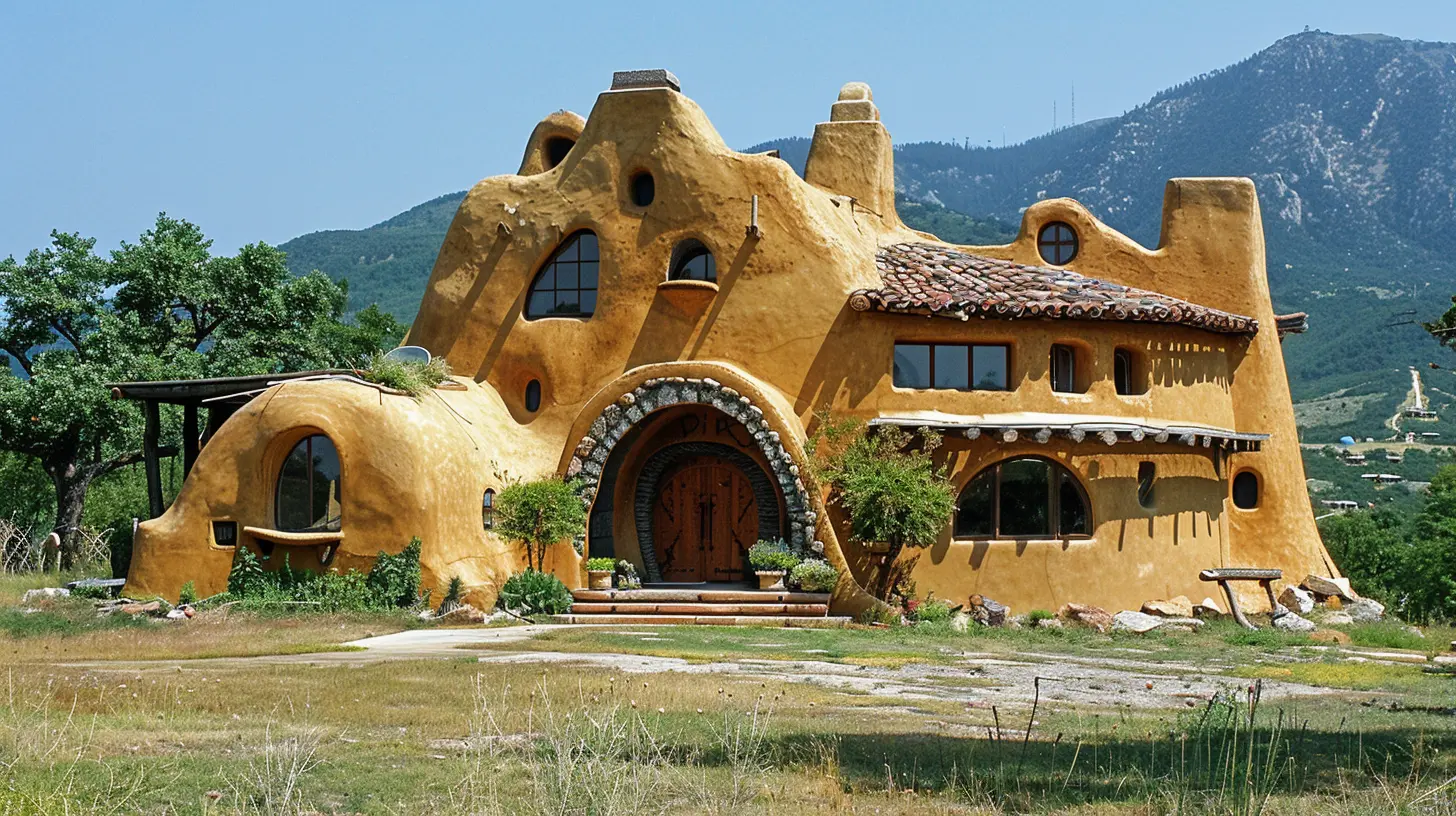
The Sustainability Factor: Why Adobe is the Future
In a world increasingly conscious of carbon footprints and environmental impact, adobe may be one of the most eco-friendly building materials available. Here’s why.1. Low Environmental Impact
Unlike modern construction materials like concrete, which require energy-intensive manufacturing, adobe is made from naturally available materials. There’s no need for factories, heavy machinery, or complex chemical processes—just earth, water, and some sun. This drastically reduces the carbon emissions associated with building.2. Energy Efficiency Like No Other
Ever noticed how older adobe homes stay cool in the summer and warm in the winter? That’s because of adobe’s incredible thermal mass. The thick walls absorb and slowly release heat, maintaining stable indoor temperatures without the need for heating and air conditioning. In other words, adobe buildings naturally regulate climate, reducing reliance on artificial energy sources.3. Biodegradable and Non-Toxic
At the end of an adobe building’s life cycle, it simply returns to the earth with minimal waste. Unlike synthetic materials, which fill landfills and release harmful chemicals, adobe is completely biodegradable. This makes it a zero-waste building material—something the modern construction industry desperately needs.4. Readily Available and Cost-Effective
One of the biggest reasons adobe has survived through centuries is its accessibility. In many places, the materials required to build adobe are literally right under our feet. This cuts down on transportation costs and makes sustainable housing possible even in remote or low-income areas.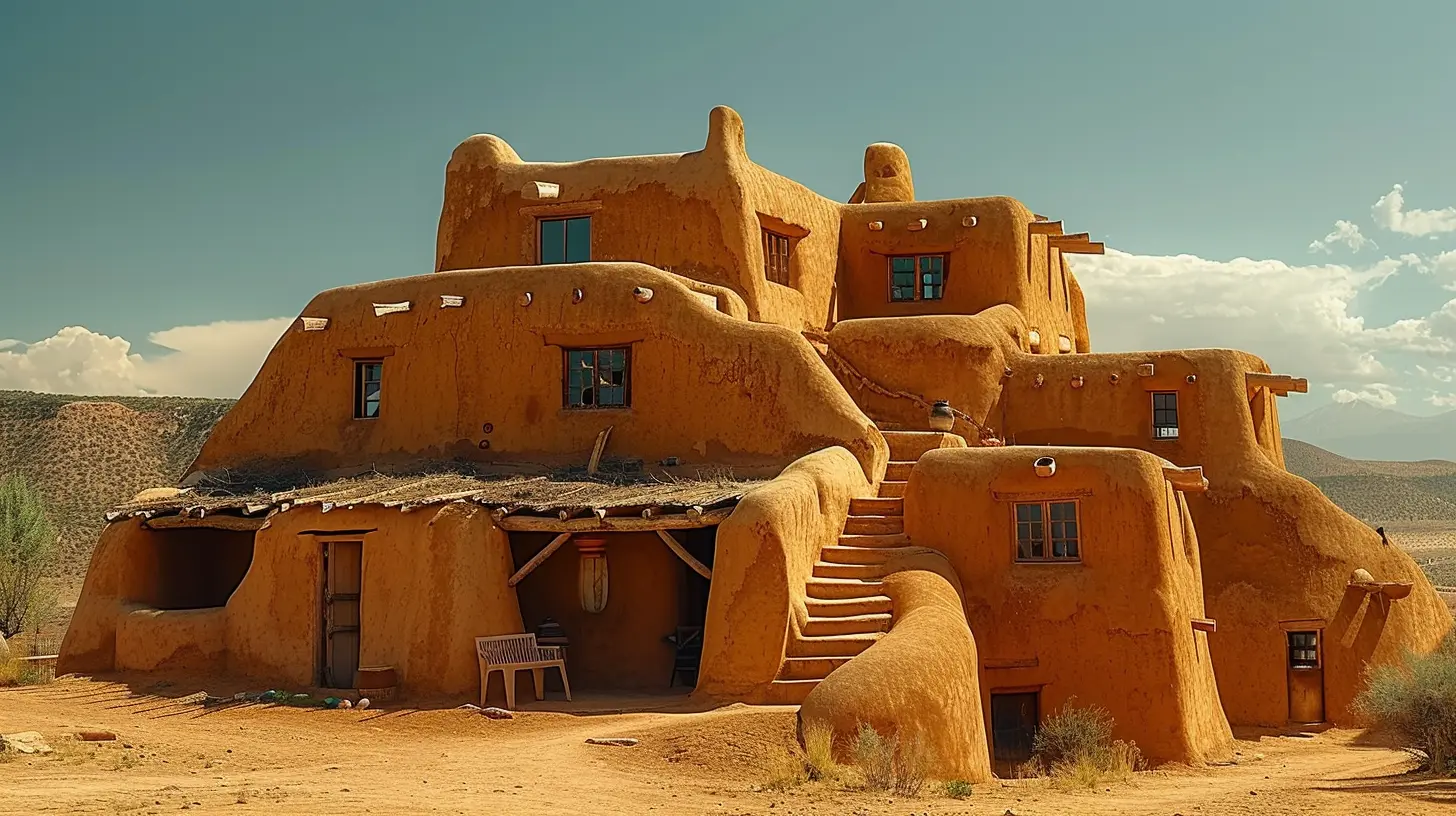
Challenges and Misconceptions About Adobe
Of course, no building material is perfect. Adobe has a few challenges that have raised concerns among modern builders.1. Vulnerability to Water
Adobe structures are incredibly strong, but they don’t mix well with prolonged exposure to water. If not properly maintained, excessive moisture can deteriorate the walls. However, this issue is often mitigated by using protective coatings, overhanging roofs, and proper drainage systems.2. Slow Drying Time
Unlike cement, which can harden quickly, adobe takes time to dry. This means construction projects using adobe require patience. But if you think about it, isn't that part of the appeal? It forces builders to work in harmony with nature rather than rushing through the process.3. Lack of Awareness in Modern Construction
Despite its immense benefits, adobe is still overlooked in mainstream construction. Many believe it's outdated or not as "reliable" as modern materials. The truth? With the right techniques, adobe can be just as durable—if not more so—than conventional buildings while offering unmatched sustainability.The Comeback of Adobe in Modern Architecture
With sustainability now at the forefront of architectural discussions, more designers and builders are turning back to adobe. But this isn’t just about nostalgia—adobe is evolving.Blending Tradition with Innovation
Architects around the world are now combining traditional adobe techniques with modern technology to create stunning, eco-friendly buildings. For example, reinforced adobe (which includes stabilizers like lime or cement) increases structural integrity while maintaining its natural benefits.Urban Applications of Adobe
You might think adobe is just for rural settings, but that’s changing. Some architects are experimenting with adobe in urban environments, creating stylish, energy-efficient homes that reduce city heat and lower energy consumption.A Shift Toward Sustainable Communities
As people become more aware of the environmental cost of construction, adobe is being embraced in eco-villages and sustainable communities. These communities prioritize local materials, energy efficiency, and harmony with nature—everything adobe represents.
Why Adobe Matters Now More Than Ever
As climate change continues to challenge the way we build, adobe offers a solution rooted in both tradition and sustainability. It's more than just mud and straw—it's a philosophy of living in sync with the environment.By recognizing the power of adobe, we're not just preserving history; we're building a more sustainable future. Maybe, just maybe, the ancient wisdom of adobe holds the key to the eco-friendly homes of tomorrow.
### So, the real question is: Are we ready to embrace the past to save the future?
all images in this post were generated using AI tools
Category:
Building MaterialsAuthor:

Travis Lozano
Discussion
rate this article
1 comments
Oriana McKinnon
This article beautifully highlights how adobe not only honors traditional building methods but also embraces sustainability. It's a reminder of the balance between heritage and modern environmental needs.
June 15, 2026 at 2:20 AM
Travis Lozano
Thank you for your thoughtful comment! I'm glad you found the article insightful. Balancing tradition with sustainability is indeed essential.