Limestone Aggregates: Vital for Eco-Friendly Construction Projects
9 November 2026
When it comes to sustainability in construction, choosing the right materials can make all the difference. One such game-changer is limestone aggregates—a natural, eco-friendly building material that’s been used for centuries. But why exactly are limestone aggregates so vital for green construction projects? Let’s dive in and uncover how this humble rock is revolutionizing the way we build.

What Are Limestone Aggregates?
Before we get into the nitty-gritty of their eco-friendliness, let’s first understand what limestone aggregates actually are. Simply put, these are crushed limestone particles used in construction, ranging from fine sand-like grains to larger chunks. They serve a variety of purposes—forming the base of roads, enhancing concrete mixtures, and even purifying water.Limestone is a sedimentary rock primarily composed of calcium carbonate (CaCO₃) and is naturally abundant in many parts of the world. This widespread availability makes it a key player in sustainable building materials.

Why Are Limestone Aggregates a Sustainable Choice?
1. Abundant and Readily Available
Limestone is one of the most commonly found rocks on Earth. Unlike resources that require extensive mining and depletion, limestone is naturally occurring and widely distributed. This means fewer transportation emissions and reduced reliance on scarce materials.2. Energy-Efficient Production
Compared to other construction materials, limestone aggregates require less energy to extract and process. While the production of cement and steel leads to high carbon emissions, limestone can be crushed and used with minimal processing, significantly reducing its overall carbon footprint.3. Long Lifespan and Durability
Nobody wants a building material that crumbles in a few years, right? Limestone aggregates boast exceptional durability, meaning structures last longer and require fewer repairs. This not only saves money but also reduces waste and the need for frequent replacements.4. Recyclability
One of the top sustainability features of limestone aggregates is that they are 100% recyclable. Old concrete or limestone-based structures can be crushed and reused in new projects, reducing the demand for fresh materials while minimizing waste in landfills.5. Eco-Friendly pH Balance
Limestone has natural pH-balancing properties, making it useful in environmental applications. It helps neutralize acidic soils and waterways, improving overall environmental health. This is particularly useful in areas affected by acid rain or industrial pollution.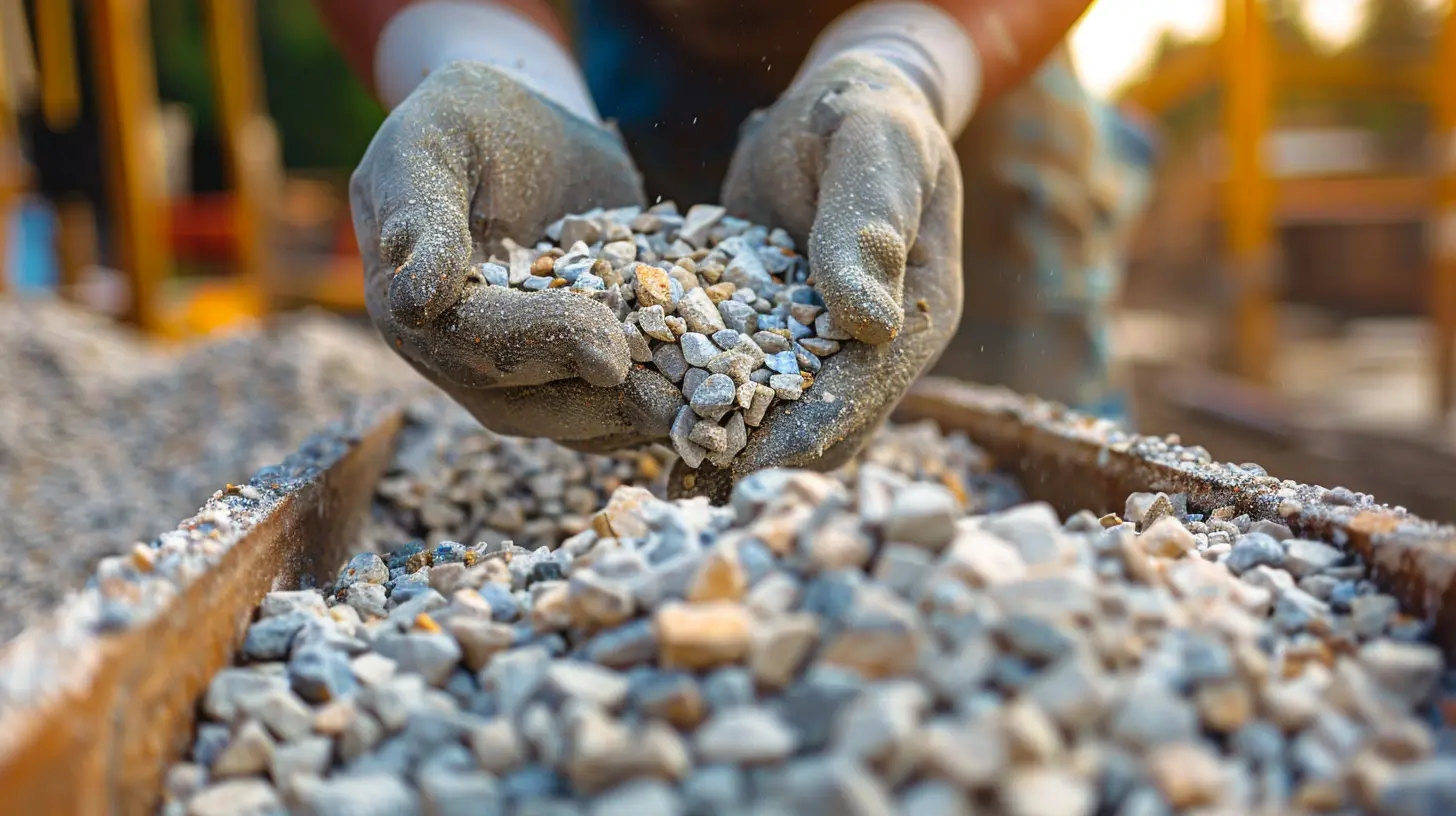
Applications of Limestone Aggregates in Green Construction
Now that we’ve established why they’re eco-friendly, let’s look at how limestone aggregates fit into green construction projects.1. Sustainable Concrete Production
Did you know that cement production is one of the biggest contributors to CO₂ emissions? Limestone-based concrete, especially when mixed with supplementary materials like fly ash or slag, can significantly cut down the environmental impact. Limestone helps improve strength while reducing the amount of cement needed.2. Eco-Friendly Road Construction
Roads built with limestone aggregates are not only durable but also permeable, meaning they allow water to pass through. This helps prevent urban flooding, reduces surface runoff, and replenishes natural groundwater. Permeable limestone pavements are a smart choice for cities pushing for sustainable infrastructure.3. Natural Drainage Systems
Aggregates play a crucial role in drainage systems. Limestone’s porous nature makes it perfect for stormwater systems, preventing erosion and improving water management in green building projects. Cities and municipalities increasingly rely on limestone aggregates for sustainable urban planning.4. Low-Carbon Landscaping
Limestone aggregates are great for sustainable landscaping. Whether it’s garden pathways, decorative features, or retaining walls, they add aesthetic value while remaining eco-friendly. Unlike artificial materials, limestone doesn’t release harmful chemicals into the soil.5. Carbon Capture and Storage
An exciting aspect of limestone is its ability to absorb CO₂ from the atmosphere. Some cutting-edge construction projects incorporate limestone as a natural carbon sink, helping offset emissions and promote cleaner air.
Challenges in Using Limestone Aggregates for Green Building
Of course, no material is perfect. While limestone aggregates offer various benefits, they come with a few challenges:- Mining Impact: Although limestone is abundant, extraction processes can still have environmental consequences if not managed responsibly. Sustainable quarrying practices are essential to minimize habitat destruction.
- Dust and Air Pollution: Crushed limestone can generate dust, which affects air quality. However, proper dust control measures, like water spraying or enclosures, can help mitigate this issue.
- Transport Emissions: If limestone needs to be transported over long distances, it can offset some of its eco-friendly benefits. Using locally sourced limestone aggregates is the best approach for sustainability.
The Future of Limestone Aggregates in Sustainable Construction
With the construction industry moving towards net-zero carbon emissions, the demand for sustainable materials like limestone aggregates will only increase. Advances in green cement technologies, including limestone-blended cements, will help further reduce environmental impact.Moreover, innovations in recycled limestone aggregates can help tackle construction waste while providing high-quality, eco-friendly materials. It’s fascinating to think about how something as simple as crushed rock can shape the future of sustainable construction!
Final Thoughts
Limestone aggregates are more than just a reliable construction material—they are a game-changer for eco-friendly building. With their sustainability benefits, durability, and versatility, they play a crucial role in shaping greener projects worldwide.So, the next time you see a limestone-based road, building, or drainage system, you’ll know that it’s not just about strength and durability; it’s also about making construction more sustainable, one limestone aggregate at a time.
all images in this post were generated using AI tools
Category:
Building MaterialsAuthor:

Travis Lozano