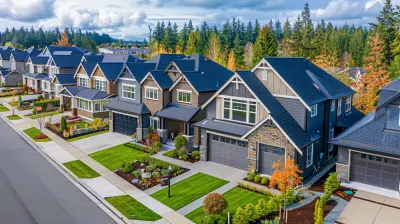
Is the Housing Boom Coming to An End in 2027?
17 April 2026
Let’s be honest—if you’ve bought a home, sold one, or even just glanced at Zillow in the last few years, you’ve felt it. That dizzying, heart-pounding sensation of a market that seems to have only one gear: up. Bidding wars that felt like something out of a game show, prices that defied gravity, and interest rates that, well, eventually decided to join the party. It’s been a wild ride. But now, as we look toward the horizon at 2027, a quiet, persistent question is starting to echo in the minds of buyers, sellers, and investors alike: Is this where the music stops?
Is the great housing boom of the early 2020s finally coming to an end? It’s not about predicting a crash with a crystal ball. It’s about reading the tea leaves of economic trends, demographic shifts, and plain old human behavior. So, pull up a chair. Let’s talk this through, not as economists, but as people trying to make sense of one of life’s biggest decisions.
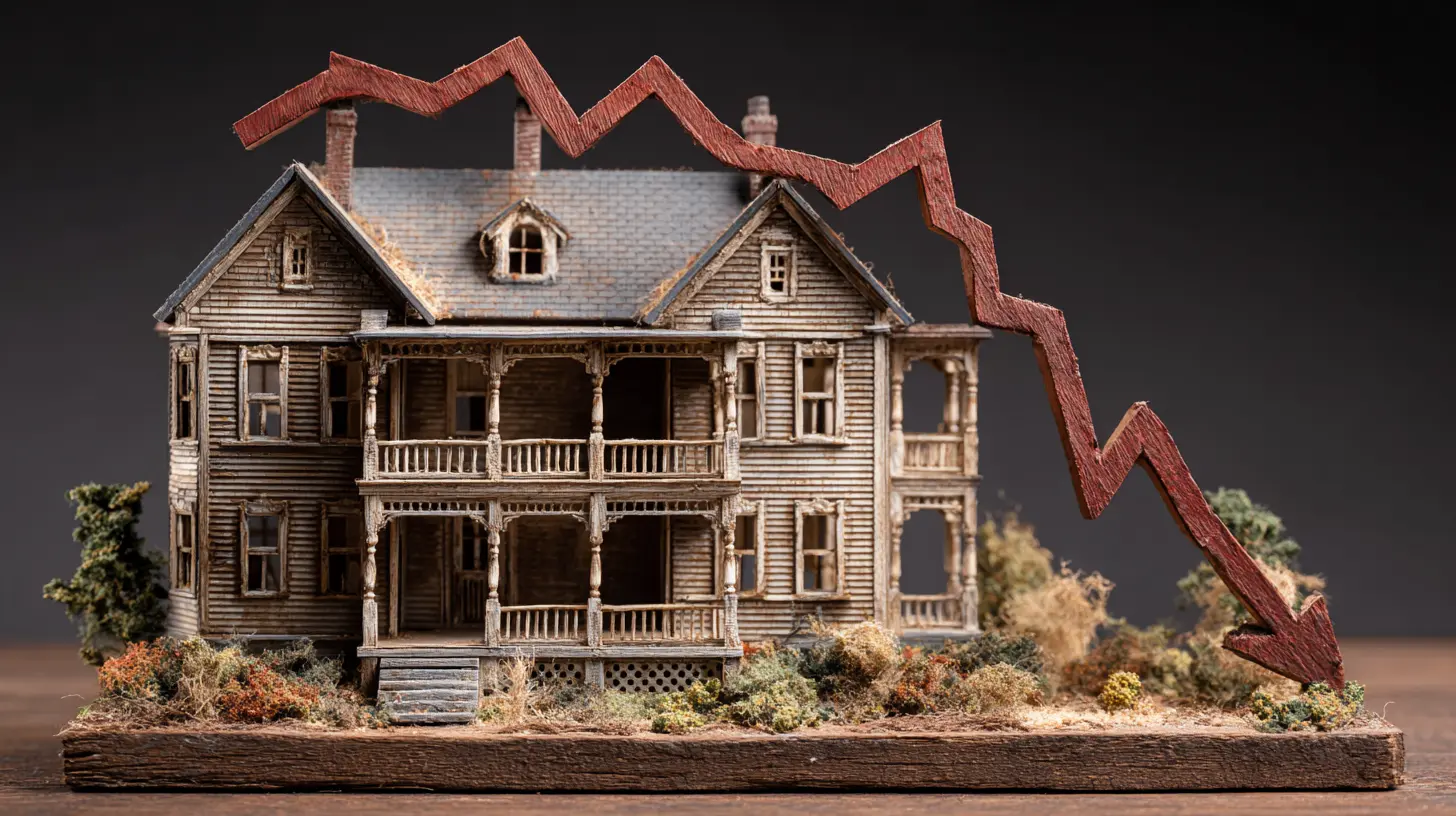
The Perfect Storm That Built the Boom
First, to understand where we might be going, we have to look at how we got here. Think of the pandemic-era boom not as a simple trend, but as a "perfect storm." You remember the ingredients, because you lived them.The Great Reshuffling: Suddenly, your home wasn’t just where you lived. It was your office, your school, your gym, and your sanctuary. That extra bedroom or a patch of backyard grass transformed from a nice-to-have into a non-negotiable need. This triggered a massive, nationwide game of musical chairs, with people fleeing cities for suburbs, and colder states for sunnier ones.
The Money Firehose: Then, there was the cost of borrowing money—or rather, the stunning lack of it. To keep the economy afloat, mortgage rates were slashed to historic lows. We’re talking below 3%! This was like putting rocket fuel in the market’s engine. A monthly payment that once bought you a modest home could now stretch to something much grander. Demand went from hot to white-hot.
The Inventory Drought: Here’s the kicker: while everyone was rushing to buy, almost no one was rushing to sell. Why would you give up a 3% mortgage to buy another home at a higher price and a higher rate? This created a brutal imbalance. It became a seller’s kingdom, with buyers as desperate subjects offering over asking, waiving inspections, and writing heartfelt letters.
This storm created a phenomenal run-up in prices. But can it last forever? Nothing does.

The Gathering Clouds: Signs of a Shift
Markets, like seasons, change. They don’t change overnight, but you can feel the air get cooler. As we move through the mid-2020s toward 2027, several key factors are acting as a gradual brake on that breakneck speed.Interest Rates: The New Normal
The era of free money is over. The Federal Reserve’s battle with inflation has ushered in a new normal for mortgage rates. While we may not see the 7-8% peaks of late 2023 consistently, the days of sub-3% are likely a once-in-a-generation memory. This fundamentally changes the math. Every percentage point increase prices a significant chunk of buyers out of the market. It’s like a thermostat for demand—and it’s been turned up.The Affordability Wall
Let’s do some simple human math. Home prices soared. Wages grew, but not nearly as fast. Now, layer on higher mortgage rates. The result? Affordability has hit a wall. In many desirable markets, the median-priced home is now out of reach for the median household income. This isn’t a speculative theory; it’s a mathematical reality. There’s only so much stretching a budget can do before it snaps. By 2027, this wall may force a fundamental standoff between what sellers want and what buyers can actually pay.The Demographic Tidal Wave Slows
For years, the housing market rode a huge wave: the Millennial generation hitting peak home-buying age. This massive cohort provided a relentless engine of demand. But as we approach 2027, the leading edge of this wave is moving into their late 30s and early 40s. Many have already bought. The next large cohort, Gen Z, is significant but often faces even steeper financial mountains (student debt, higher costs of living) to climb for homeownership. The demand surge may naturally soften, not disappear, but soften.The "Golden Handcuff" Effect Loosens
Remember those homeowners with sub-3% rates? They’ve been "locked in" by their amazing loans—the so-called "golden handcuffs." But time moves on. By 2027, life will have happened. People will need to move for jobs, for family, for space. As more of these homeowners decide to sell, even reluctantly, inventory will slowly, incrementally increase. More supply meeting cooled demand is a classic recipe for price moderation.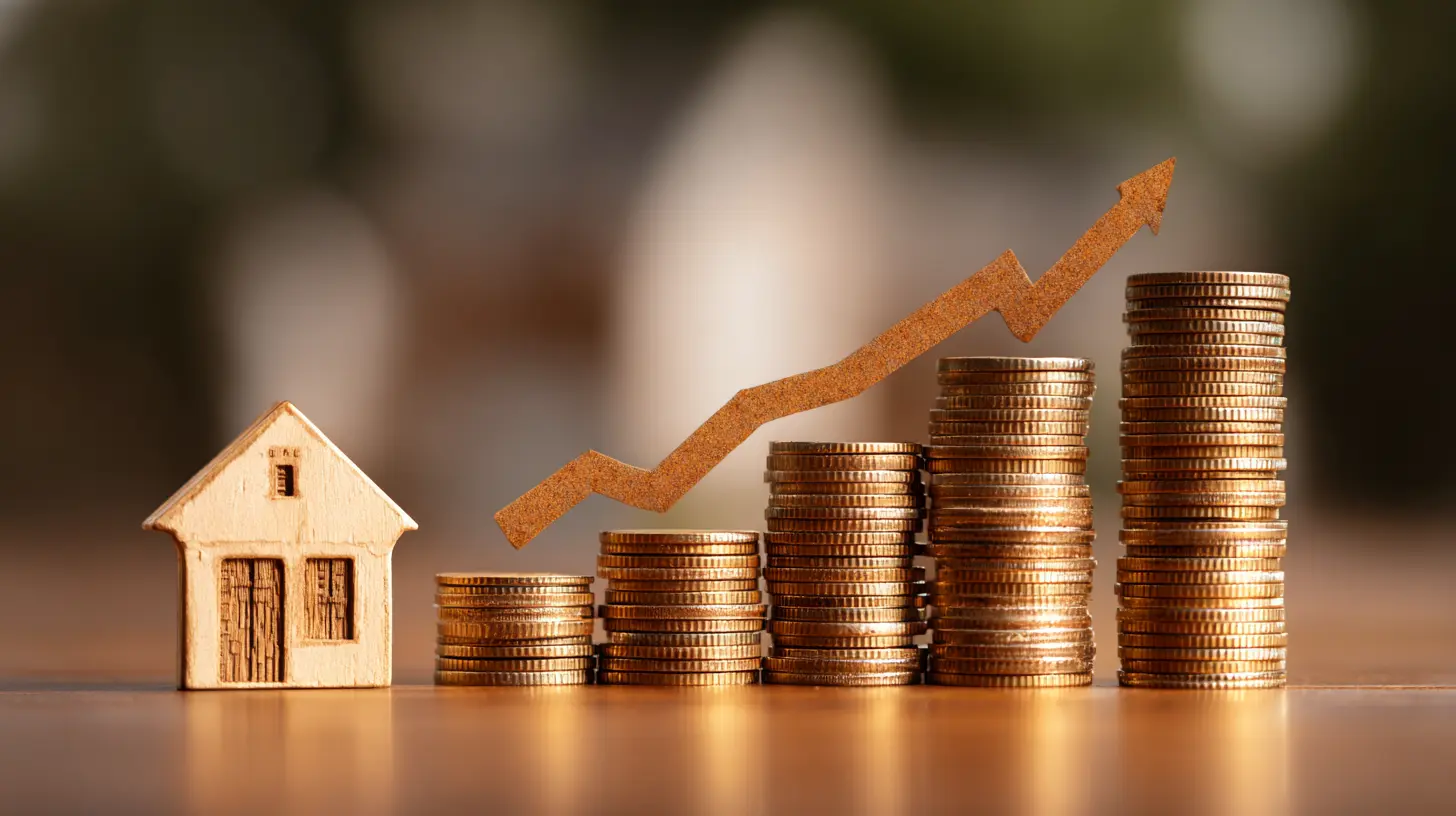
What "The End of the Boom" Actually Looks Like (Spoiler: It's Not a Bust)
This is the most important point to grasp. When we ask if the boom is ending, our minds often jump to a scary, 2008-style collapse. That is almost certainly not what’s on the table for 2027.The end of a boom looks less like a popping balloon and more like a balloon slowly losing air. It’s a transition from a sellers' market to a balanced market, or even a mild buyers' market in some areas. Here’s what you might realistically see:
* Price Growth Flatlines or Moderates: Instead of prices jumping 10-15% a year, we might see very low, single-digit growth, or even periods of stagnation. Some over-inflated markets might see slight corrections. Homes will appreciate at a pace more in line with historical norms—a slow, steady climb rather than a sprint.
* Homes Sit on the Market Longer: The "listed on Friday, gone by Sunday" frenzy will fade. A normal market means homes might take 30, 45, or 60 days to sell. Sellers will need to price correctly and make their homes presentable again.
* The Return of Contingencies: Buyers will regain some power. You might be able to ask for a home inspection or request repairs without immediately losing the house to a cash offer. Negotiation will be back on the table.
* A Psychological Shift: The fear of missing out (FOMO) that drove so much panic buying will be replaced by a more cautious, deliberate approach. People will take a breath, do their due diligence, and make decisions based on need and long-term value, not just sheer panic.
The Wildcards That Could Change the Game
Of course, the path to 2027 isn’t a straight line. Several wildcards could accelerate, delay, or reshape this transition.The Economic Resilience Card: If the U.S. economy manages a "soft landing" and then enters a period of strong, stable growth with contained inflation, wage growth could finally start to catch up to housing costs. This could rekindle demand and sustain price growth longer than expected.
The Inventory Black Hole: What if we simply never build enough homes? Chronic underbuilding since the Great Recession is a deep, structural problem. If construction can’t keep pace with household formation (even at a slower rate), the fundamental scarcity that fueled the boom could persist, putting a floor under prices.
Geographic Fragmentation: The "national housing market" is a myth. The boom’s end will be a patchwork. Overvalued, pandemic boomtowns in the Sun Belt or Mountain West might cool more noticeably. More affordable, stable markets in the Midwest might chug along steadily. Lifeblood markets with strict geographic limits (think coastal cities) might just see growth slow, but not stop, due to permanent scarcity.
So, What Should You Do? Navigating 2027 and Beyond
If you’re feeling anxious, take a deep breath. The end of a boom cycle isn’t a disaster; it’s a return to sanity. Here’s how to think about it:For Buyers: Your time is coming. Patience will be your superpower. You won’t have to waive every right to own a home. Use the coming years to aggressively save for a larger down payment, improve your credit score, and get pre-approved. Your moment to buy with less panic and more purpose is on the horizon.
For Sellers: The "list it and profit" strategy will need refinement. You’ll need to price strategically from day one and present your home in its best light. The windfall gains of 2021 might not be repeatable, but selling in a normalized market is still a perfectly profitable and sane transaction.
For Everyone: Remember the "Why." The best housing decision is always rooted in your personal life, not market timing. Are you buying a home to live in for 7-10 years? Then the cyclical ups and downs between now and 2027 smooth out over time. Real estate is a long game.
The Heart of the Home Endures
So, is the housing boom coming to an end in 2027? The evidence suggests we are heading toward a natural moderation, a cooling-off period. The unsustainable fever of the past few years will break, giving way to a healthier, more balanced market.But let’s not confuse the end of a boom with the end of opportunity or the end of the dream. The intrinsic value of a home—as a place of security, a canvas for your life, a cornerstone of community—doesn’t rise and fall with interest rates. That value is permanent.
The market of 2027 will likely ask for more patience, more homework, and more realistic expectations from all of us. And maybe, just maybe, that’s exactly what we need. A market where you can think, breathe, and make a decision about your future without your heart pounding in your ears. That doesn’t sound like an ending. It sounds like a new, and perhaps even better, beginning.
all images in this post were generated using AI tools
Category:
Real Estate NewsAuthor:

Travis Lozano
Discussion
rate this article
2 comments
Zariah McInnes
This article raises some intriguing questions about the future of the housing market. With so many factors at play, it's fascinating to consider what 2027 might bring. Will we see a shift in trends or more stability? I'm eager to see how this unfolds...
May 8, 2026 at 3:37 AM
Travis Lozano
Thanks for your thoughts! It's definitely an exciting time to reflect on potential changes in the housing market. Let's see how it all unfolds.
Norah McGuffin
As we analyze trends, it's crucial to remain adaptable; the housing market's future is uncertain, and shifts may surprise us.
April 17, 2026 at 4:58 AM
Travis Lozano
Absolutely, staying flexible is key. The housing market can change quickly, and being ready for surprises will help us navigate what lies ahead.