Is Renting Really Cheaper as Home Prices Continue Upward in 2027?
20 October 2026
The rent-versus-buy question has always been part math problem, part lifestyle choice. But as home prices keep climbing into 2027, the math has shifted in ways that catch many people off guard. The old shortcut, that renting is throwing money away, no longer holds up cleanly. Neither does the opposite claim that renting is always the smarter financial play. The honest answer sits somewhere in the middle, and it depends heavily on numbers most people never bother to calculate.
This article walks through the real economics of renting versus buying in a high-price environment. It covers the hidden costs on both sides, the break-even math that actually matters, the scenarios where renting clearly wins, and the scenarios where buying still makes sense even at elevated prices. No shortcuts, no slogans, just the reasoning you need to make a decision you will not regret in five years.
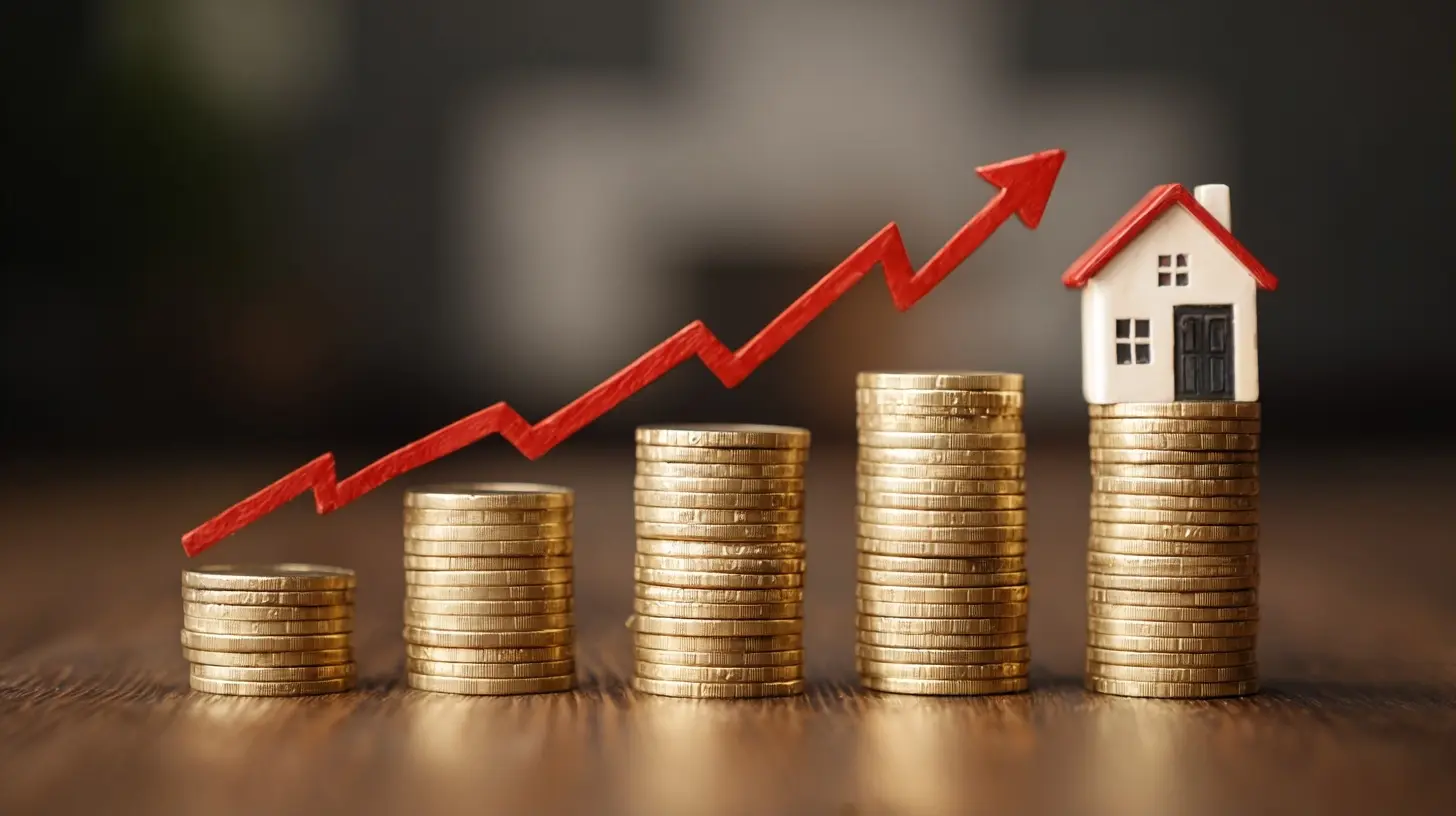
Why 2027 Is Different From Previous Cycles
Home prices rising is not new. What makes the current environment unusual is the combination of factors pressing on both sides of the decision at once.On the buying side, elevated prices mean larger down payments and larger mortgages. Higher mortgage balances amplify the effect of interest rates, because a rate that felt tolerable on a smaller loan becomes a serious monthly burden on a bigger one. Property taxes, insurance, and maintenance all scale with home value too, so the carrying cost of ownership rises faster than many buyers anticipate.
On the renting side, rents have also risen in many markets, but not necessarily in lockstep with purchase prices. In some metros, the gap between the monthly cost of owning a comparable home and the monthly cost of renting it has widened significantly. That gap is the single most important number in this entire debate, and most people never measure it.
There is also a psychological dimension. When prices are climbing, the fear of being priced out pushes people toward buying. That fear is real, but it is also a poor basis for a six-figure decision. The right question is not whether prices will keep rising. It is whether buying at today's price, with today's financing costs, beats renting and investing the difference over your actual time horizon.

The Costs People Forget to Count
Most rent-versus-buy comparisons fail because they compare a mortgage payment to a rent check. That comparison is incomplete on both sides.What owning actually costs
The mortgage principal and interest is only the beginning. A realistic ownership budget includes:- Property taxes, which vary widely by location and can rise even when your mortgage does not
- Homeowners insurance, which has become more expensive in many regions
- Maintenance and repairs, commonly estimated at around one percent of home value per year, though older homes often run higher
- HOA fees where applicable, which can increase over time
- Closing costs at purchase, typically a few percent of the purchase price
- Selling costs when you eventually move, often six percent or more between commissions and fees
- Mortgage insurance if your down payment is below twenty percent
A buyer who puts down twenty percent on a home and watches the monthly payment may feel comfortable. Add taxes, insurance, maintenance reserves, and HOA dues, and the true monthly cost can easily run twenty to forty percent higher than the mortgage alone. That gap is where ownership budgets break.
What renting actually costs
Renting is not free of hidden costs either. Renters pay for renters insurance, utilities in many cases, and moving costs when leases end or rents jump. They also absorb rent increases at renewal, which can be substantial in tight markets. And they forgo the forced savings that a mortgage principal payment represents.The key difference is that rent is the ceiling on your housing cost, not the floor. When the roof leaks, the landlord pays. When the furnace dies in January, that is not your problem. That transfer of risk has real financial value, and it is easy to underestimate until you have replaced a roof or a HVAC system out of pocket.
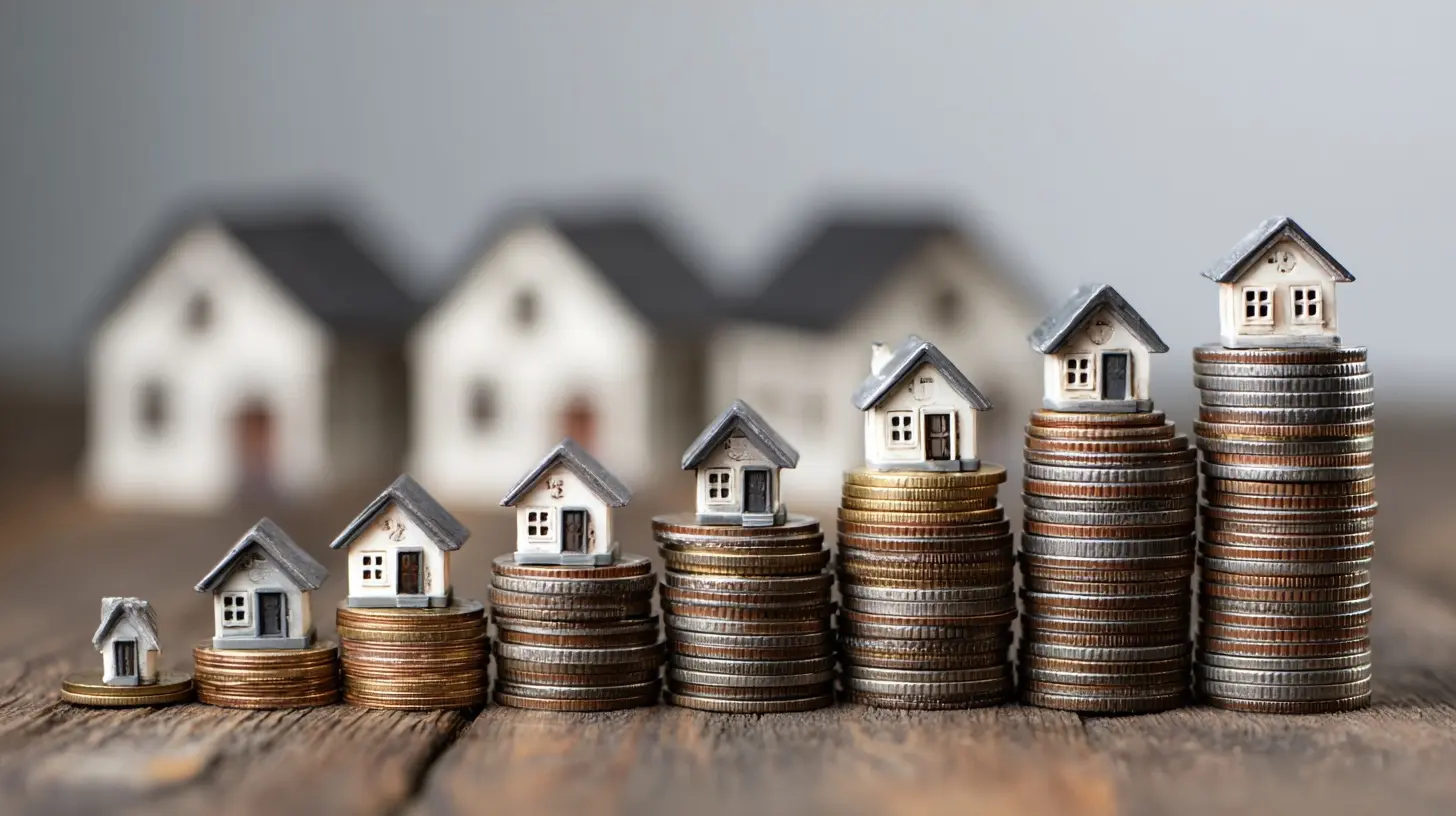
The Break-Even Math That Actually Matters
The break-even horizon is the number of years you need to stay in a home for buying to beat renting financially. If you plan to move before that point, renting usually wins. If you plan to stay well beyond it, buying often wins.Calculating it requires five inputs:
1. The purchase price and down payment
2. Your mortgage rate and term
3. The monthly rent for a comparable home in the same area
4. The expected growth rate of home values and of rents
5. The return you could earn investing the money you would otherwise put into the home
The fifth input is the one people skip, and it is often decisive. When you buy, you commit a large down payment and pay transaction costs. When you rent, that capital stays liquid and can be invested. Over a long horizon, a diversified portfolio has historically competed well with home equity appreciation, though with different risk characteristics and no leverage. A home purchase is a leveraged bet on one asset in one location. That leverage magnifies gains, but it also magnifies losses and concentrates risk.
A practical way to run the comparison: take the total monthly cost of owning, subtract the monthly rent, and invest that difference. Then compare, at the end of your expected holding period, the buyer's equity net of selling costs against the renter's invested savings plus any rent growth differential. If the numbers are close, the decision should tilt toward lifestyle and stability rather than squeezing out the last dollar.
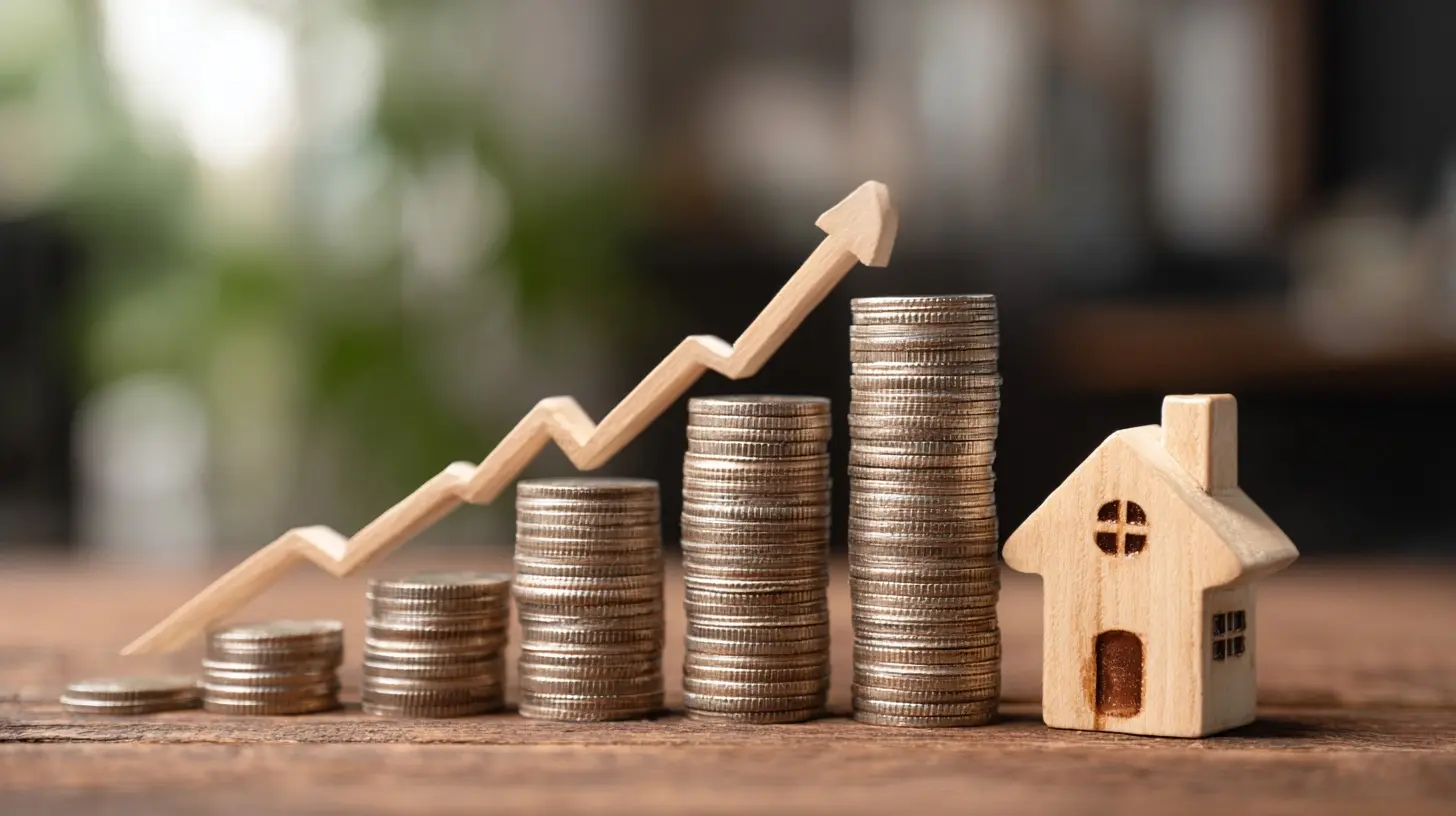
When Renting Is Genuinely Cheaper
Renting wins in more situations than most buyers admit. Here are the clearest ones.Short time horizons
If you expect to move within three to five years, transaction costs alone usually erase any ownership advantage. Closing costs at purchase plus selling costs at exit can consume a large share of your equity if the home does not appreciate much. In a high-price market where appreciation may be slower, that math gets worse, not better.High price-to-rent ratios
In some markets, the cost of buying a home is many multiples of the annual rent for the same property. When that ratio is very high, renting and investing the difference often outperforms buying, even over longer horizons. The ratio varies enormously by city and neighborhood, so it must be calculated locally, not assumed.Career and life uncertainty
If your job may relocate you, if you are considering a major life change, or if your income is variable, the flexibility of renting has real financial value. Breaking a lease is far cheaper than selling a home under pressure.Maintenance risk tolerance
Some people are handy and enjoy improving a property. Others have neither the time nor the appetite for surprise repairs. For the latter group, the predictability of rent is worth paying for, and pretending otherwise leads to resentment and deferred maintenance that hurts the home's value.When Buying Still Makes Sense at High Prices
Buying is not irrational simply because prices are high. Several conditions make it the better choice.Long holding periods
The longer you stay, the more the fixed nature of a mortgage works in your favor. Your principal and interest payment stays flat while rents tend to rise. Over ten or fifteen years, that divergence compounds significantly. A buyer who locks in a payment today is effectively hedging against future rent increases.Stable income and sufficient reserves
Buying works best when you have a stable income, a fully funded emergency reserve separate from your down payment, and room in your budget for maintenance. Buyers who stretch to the limit of affordability often become house-poor, unable to absorb a repair or a income disruption without going into debt.Leverage in your favor
A mortgage lets you control an asset worth far more than your down payment. If the home appreciates, your return on equity can be substantial. This is the strongest argument for buying, and it is also the reason buying is riskier than renting. Leverage cuts both ways.Roots and community
There is a genuine non-financial value in owning a home you plan to stay in: stability for children in school, freedom to renovate, protection from arbitrary lease terminations. That value is real, and it belongs in the decision alongside the spreadsheet.
Common Mistakes and Misconceptions
A few errors show up again and again in this debate.Treating rent as pure waste. Rent buys shelter, flexibility, and risk transfer. The question is whether you are paying a fair price for those things compared to the alternative.
Assuming home prices always rise. They generally have over long periods in many markets, but not everywhere and not on every timeline. Buying at a peak and needing to sell in a downturn is one of the most damaging financial events a household can experience.
Ignoring the opportunity cost of the down payment. A large down payment is capital that could be invested elsewhere. The return on that capital is part of the comparison.
Underestimating maintenance. New homeowners routinely underestimate both the cost and the frequency of repairs. Budgeting one percent of home value annually is a reasonable starting point, and more for older homes.
Buying because renting feels like losing. Fear of missing out is not a financial strategy. The market does not owe anyone a purchase at a comfortable price.
A Practical Decision Framework
Work through these steps in order.1. Calculate your true monthly ownership cost, including taxes, insurance, maintenance reserves, HOA, and any mortgage insurance.
2. Find the rent for a comparable home in the same area.
3. Subtract rent from ownership cost to get the monthly gap.
4. Estimate how long you will stay.
5. Compare the buyer's projected equity after selling costs against the renter's invested savings plus the monthly gap compounded over the same period.
6. Stress test both scenarios: what if prices fall ten percent, what if rents jump, what if you lose your job.
7. Choose the option that survives the stress test and fits your life, not just your spreadsheet.
If the numbers are close, favor the option that gives you the most flexibility and the least financial strain. A slightly suboptimal financial choice that lets you sleep at night beats an optimal one that keeps you awake.
Final Take
Renting is not automatically cheaper, and buying is not automatically smarter. In 2027, with prices elevated and carrying costs high, the gap between the two has narrowed in many markets, and in some places renting clearly wins on pure math. But the decision is not purely mathematical. It depends on your time horizon, your income stability, your risk tolerance, and how much you value flexibility versus permanence.Run the numbers for your specific market and your specific life. Do not rely on rules of thumb, and do not let fear of missing out make the decision for you. The right answer is the one that holds up when prices move, rents change, and life does what life does.
all images in this post were generated using AI tools
Category:
Rising Home PricesAuthor:

Travis Lozano