How to Determine the Real Value of a Foreclosed Property
13 August 2026
Buying a foreclosed property can be a fantastic way to get a great deal on real estate, but how do you determine if the price is worth it? Unlike traditional real estate transactions, foreclosed homes often come with unique challenges. Hidden repair costs, legal complexities, and market fluctuations can make valuation tricky.
If you're considering purchasing a foreclosed property, you need to be equipped with the right knowledge. In this guide, we'll break down how to determine the real value of a foreclosed property so you can make a smart investment. 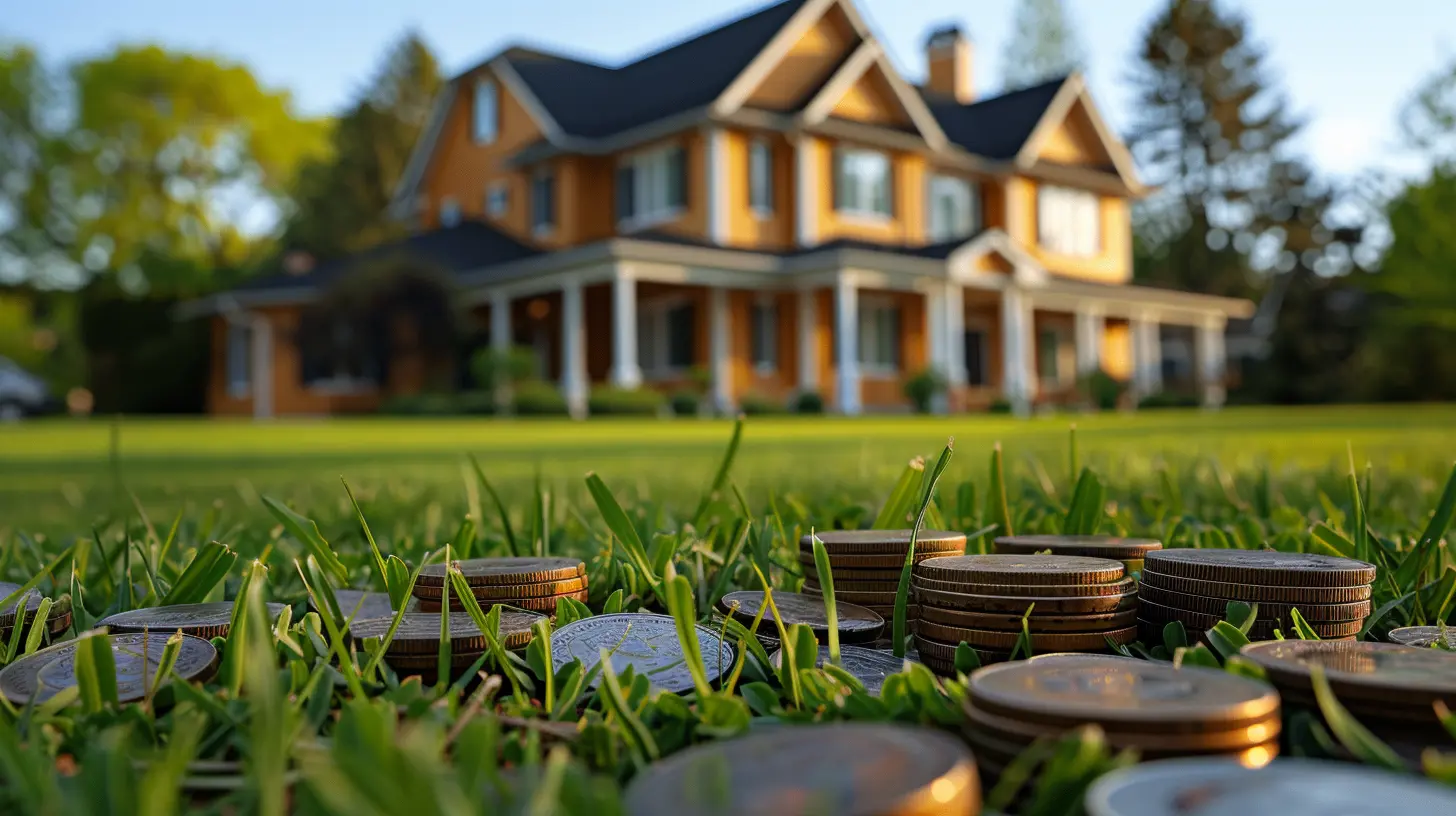
Understanding Foreclosed Properties
Before diving into valuation, let’s get our basics right. A foreclosed property is one that has been repossessed by a lender (usually a bank) after the owner failed to keep up with mortgage payments. These homes are then sold to recover the outstanding loan balance.While foreclosure properties are often cheaper than market-value homes, they aren't always a steal. Some require extensive repairs, while others might have legal red tape that could cost you in the long run. So, how do you figure out if you're getting a bargain or a burden? Let's break it down. 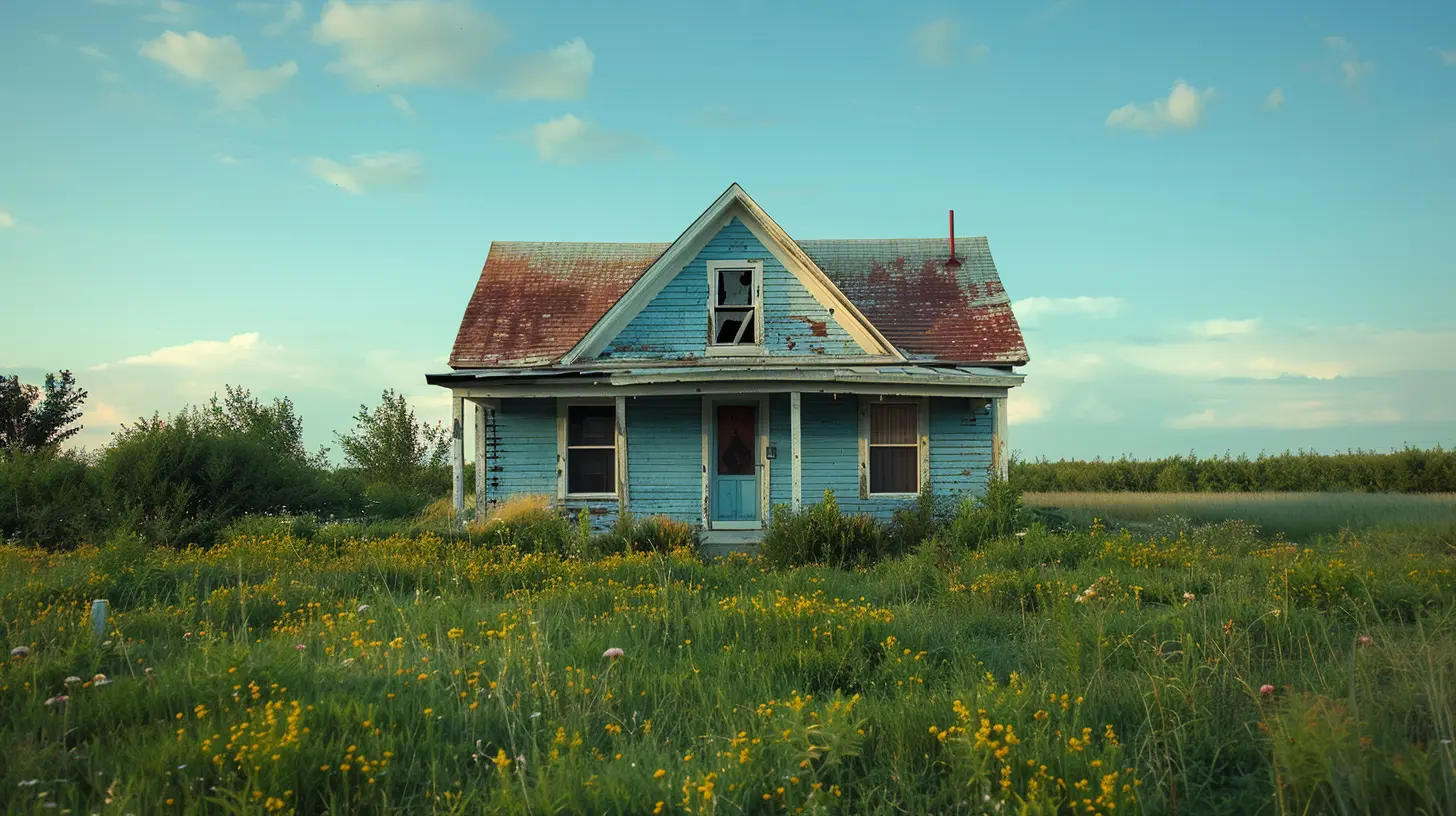
Step 1: Research the Local Market
One of the first things you should do is analyze the local real estate market. Why? Because understanding the market sets the foundation for determining if the foreclosure is priced fairly.Look at Comparable Sales (“Comps”)
Check out the prices of similar properties in the same neighborhood that have sold recently. Look for:- Homes with similar square footage
- Similar number of bedrooms and bathrooms
- Properties with comparable lot sizes
- Homes in similar condition
Websites like Zillow, Redfin, and Realtor.com can be helpful for pulling recent sales data. However, real estate agents and county records often provide more accurate numbers.
Check Market Trends
Is the local market going up or down? If home prices are rising, a foreclosed property may be worth more than its listing price. If the market is cooling off, you might be able to negotiate a lower price.Neighborhood Considerations
Even if the numbers check out, you need to take stock of the neighborhood. Are homes well-maintained? Is there a high number of foreclosures? A struggling area may mean further property devaluation, making even a low-cost home a risky investment.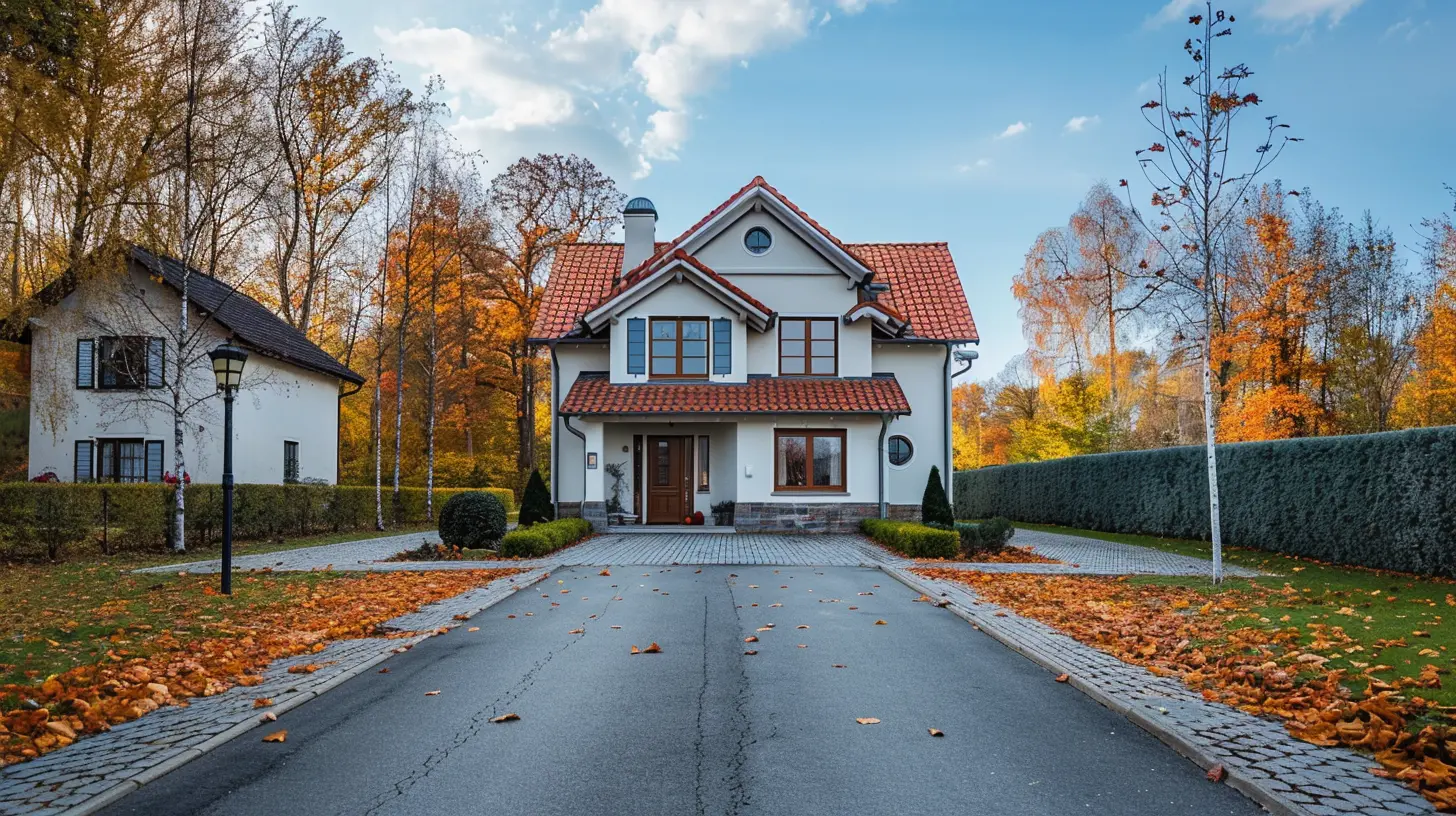
Step 2: Assess the Property’s Condition
A major factor in valuing a foreclosure is its physical condition. Unlike a traditional sale, where sellers spruce up their homes and disclose known issues, foreclosures are typically sold “as-is.”Inspect the Property (If Possible)
Some foreclosed homes allow for inspections before purchase, while others (especially auctioned homes) don’t. If you have the opportunity, bring in a home inspector to evaluate:- Roof and foundation condition
- Plumbing and electrical systems
- Presence of mold, water damage, or pest infestations
- Overall structural integrity
Estimate Repair Costs
Even if you can't inspect the home, assume it'll need some work. Budget for potential repairs, and then some! Small issues, like peeling paint or outdated fixtures, are manageable costs. But major repairs—foundation issues, a leaky roof, or faulty wiring—can quickly turn a "cheap deal" into an expensive headache.Red Flags to Watch For
- Signs of vandalism or theft (common in foreclosed homes where appliances or copper wiring might have been stripped out)- Pending code violations that might require costly fixes
- Long periods of vacancy, which increase the likelihood of unseen damage (e.g., plumbing problems due to freezing pipes)
Step 3: Consider Legal and Financial Factors
A foreclosed home’s history isn’t just about its physical state—it also carries financial and legal baggage.Check for Outstanding Liens or Taxes
Some foreclosures come with unpaid property taxes or secondary liens that transfer to the new buyer. Always check with the county assessor and title company to ensure there aren’t hidden debts waiting for you.Understand the Purchase Process
Foreclosures can be sold in different ways:- Bank-Owned (REO) Properties – These have been repossessed by a bank and often go through a real estate agent. They're usually easier to purchase but might still need negotiation.
- Auctioned Properties – Often require full payment upfront and don’t allow inspections. While the prices can be tempting, they come with serious risks.
- Short Sales – Though not exactly foreclosures, these distressed properties are sold for less than the remaining mortgage and require bank approval. They can be a bargain but take time to process.
Step 4: Calculate the Home's True Value
Now comes the math. To estimate the real value of a foreclosed home, use the following formula:Market Value - Estimated Repair Costs - Any Hidden Costs = True Value
Example Calculation:
Let’s say:- Market value of similar homes in the area: $250,000
- Estimated repairs: $30,000
- Unpaid taxes or liens: $5,000
Real value = $250,000 - $30,000 - $5,000 = $215,000
If you can buy the foreclosure for $200,000, you're likely getting a solid deal. If the asking price is over $220,000, it may not be worth the risk.
Step 5: Use Professional Appraisal Services
You don’t have to do all this alone. Hiring a real estate appraiser can provide an expert evaluation of the home’s worth based on:- Comparable home sales
- Current market conditions
- Property condition and potential renovation costs
Yes, an appraisal adds an extra cost, but it can save you from making a costly mistake down the road.
Step 6: Negotiate Like a Pro
Banks and auction houses expect negotiations, so don’t be afraid to haggle. Keep these tips in mind:- Start with a low but reasonable offer – Banks want to get rid of these properties, so they may be open to discounts.
- Provide proof of funds – If you can pay in cash or have loan pre-approval, sellers will take you more seriously.
- Highlight repair costs – Use your inspection report to justify why the price should be lower.
Final Thoughts
Determining the real value of a foreclosed property isn’t just about looking at the price tag. It involves deep research, careful inspections, and an understanding of hidden costs. While foreclosures can be fantastic investment opportunities, they can also be financial traps if you don’t do your homework.By following these steps, you’ll be in a strong position to find a foreclosure that truly offers value—not just a deceptively low price. Happy house hunting!
all images in this post were generated using AI tools
Category:
ForeclosuresAuthor:

Travis Lozano
Discussion
rate this article
1 comments
Kirk Beck
Understanding a foreclosed property's true value requires careful research, local market comparisons, and inspection of its condition to avoid costly surprises later.
August 14, 2026 at 11:21 AM
Travis Lozano
Absolutely. Thorough research and inspections are key to uncovering the real value and avoiding unexpected costs.