Exploring the Latest Sustainable Alternatives to Traditional Drywall
2 June 2026
Let’s be real—drywall has been the go-to for home construction for decades. It's cheap, easy to install, and does the job. But here’s the catch: it’s not exactly great for the environment. From high energy consumption during production to its poor recyclability, traditional drywall leaves a heavy carbon footprint.
So, what if we told you there are better, greener, and even cooler alternatives? Whether you're building a new home or remodeling an old one, sustainable drywall alternatives can offer durability, style, and peace of mind—without harming the planet. Let’s dive into the best eco-friendly options available today!
Why Look for Alternatives to Traditional Drywall?
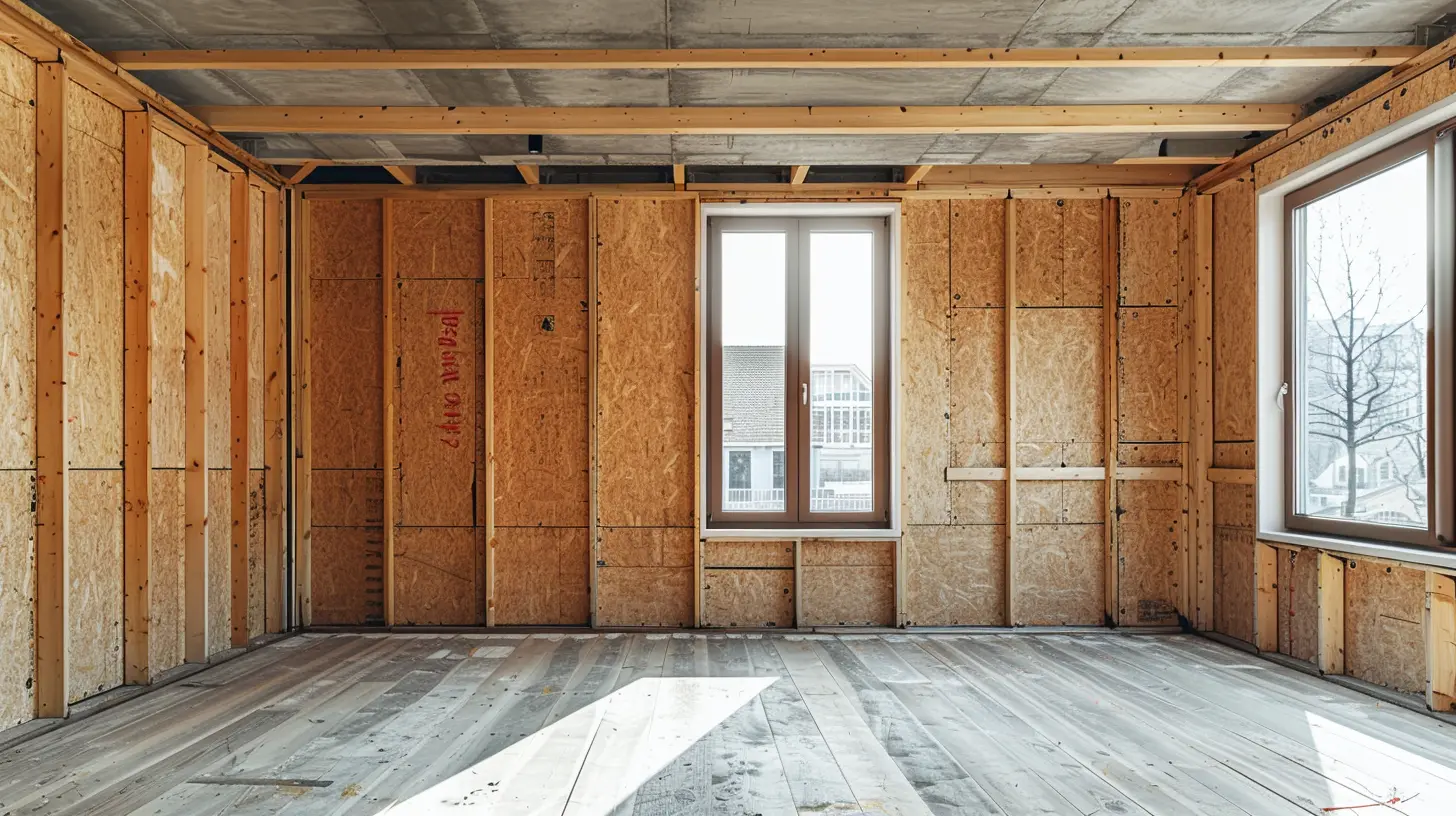
Before we jump into the alternatives, let's talk about why you might want to ditch traditional drywall.1. Environmental Impact
Drywall manufacturing involves mining gypsum, which leads to land degradation. Plus, the production process requires a lot of energy, releasing tons of carbon dioxide into the atmosphere. And let's not forget—when drywall ends up in a landfill, it breaks down and releases toxic sulfur compounds. Not exactly the best for Mother Nature.2. Moisture and Mold Issues
Ever noticed how drywall doesn’t hold up well against moisture? In damp conditions, it becomes a breeding ground for mold, which can lead to costly repairs (not to mention potential health hazards).3. Durability Concerns
Drywall is notorious for its fragility. Lean on it the wrong way, and you’re patching up a hole. It’s also pretty terrible at soundproofing, making it less ideal for busy households.The good news? There are great alternatives that solve these problems while keeping things eco-friendly.
Top Sustainable Alternatives to Drywall
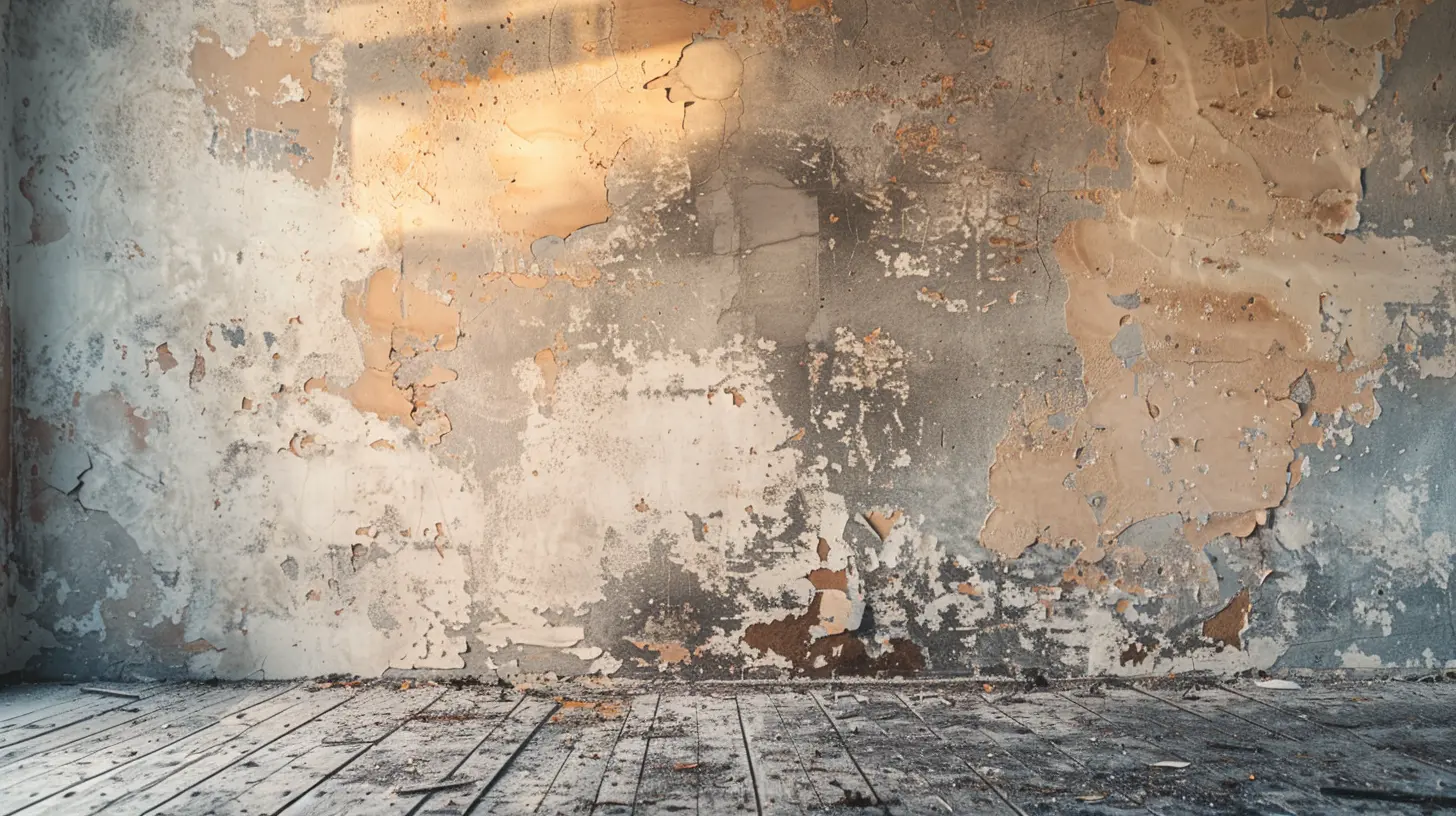
Ready to ditch drywall for something greener and more durable? Here are some of the best alternatives taking the construction world by storm!1. Hempcrete Panels – The Ultimate Green Building Material
Hempcrete is made from hemp, lime, and water, creating a lightweight, breathable, and highly durable material. It’s not just eco-friendly—it actively absorbs carbon dioxide as it cures, making it a carbon-negative option.✔ Pros:
- Mold-resistant and breathable
- Fireproof and pest-resistant
- Superior insulation properties
✖ Cons:
- Can be more expensive than drywall
- Requires professionals for proper installation
2. Cork Wall Panels – Stylish and Sustainable
Cork isn’t just for wine bottles—it’s a fantastic building material! Harvested from the bark of cork oak trees without harming them, cork panels are sustainable, lightweight, and even act as natural soundproofing.✔ Pros:
- Renewable and biodegradable
- Resistant to mold, pests, and moisture
- Provides excellent insulation
✖ Cons:
- Can be prone to dents over time
- Limited color and texture options
3. Reclaimed Wood Panels – Rustic and Recyclable
Looking for a touch of rustic charm? Reclaimed wood is one of the most beautiful and sustainable alternatives to drywall. Using salvaged wood from old buildings, barns, or even shipping pallets gives old materials a second life.✔ Pros:
- Zero new trees cut down
- Adds warmth and texture to interiors
- Durable with proper treatment
✖ Cons:
- Needs occasional maintenance
- Can be pricier than drywall
4. Magnesium Oxide Boards (MgO Board) – The High-Tech Alternative
If you love the idea of something super durable, fire-resistant, and environmentally friendly, MgO boards are your go-to. These boards are made from magnesium oxide and can replace drywall, plywood, and even cement board.✔ Pros:
- Extremely strong and impact-resistant
- Mold, mildew, and fire-resistant
- Highly sustainable and recyclable
✖ Cons:
- Slightly more expensive than drywall
- Requires skilled installation
5. Adobe and Compressed Earth Blocks – Back to the Basics
Nature has already provided us with some of the best building materials. Adobe and compressed earth blocks have been used for centuries and are making a comeback in sustainable construction. Mix clay, sand, silt, and straw, and you have walls that naturally regulate temperature and humidity.✔ Pros:
- 100% natural and non-toxic
- Excellent thermal mass for energy efficiency
- Long lifespan when properly maintained
✖ Cons:
- Requires expertise to build
- Susceptible to water damage if not sealed properly
6. Straw Bale Panels – Farmhouse Chic Meets Sustainability
Straw bale construction might sound old-fashioned, but it’s gaining popularity in modern homes. These densely packed bales provide outstanding insulation and are completely biodegradable.✔ Pros:
- Excellent insulation for hot and cold climates
- Renewable and non-toxic
- Fire-resistant when properly sealed
✖ Cons:
- Bulky compared to drywall
- Needs expert installation
Bonus: What About Insulation?
If you're switching to an eco-friendly wall material, complement it with sustainable insulation like:- Sheep’s wool (yes, real wool!) for natural moisture control
- Cellulose insulation made from recycled paper
- Cotton insulation from recycled denim
Which Alternative Should You Choose?
The best choice depends on your needs. Want something super durable? Magnesium Oxide Board is a winner. Looking for a DIY-friendly material with aesthetic appeal? Reclaimed wood is a fantastic option. Need excellent insulation? Straw bale or hempcrete could be your best bet.No matter which way you go, you’ll be contributing to a more sustainable future—one wall at a time!
Final Thoughts
Traditional drywall has served us well, but it’s time we consider better options for our homes and the environment. With so many incredible sustainable alternatives available, there’s no reason to stick with outdated materials that harm the planet.So, if you're planning a home project, why not take the eco-friendly route? Whether it’s hempcrete, cork, or reclaimed wood, your walls will thank you (and so will the Earth!).
all images in this post were generated using AI tools
Category:
Building MaterialsAuthor:

Travis Lozano
Discussion
rate this article
1 comments
Lisette McGinnis
This is such an interesting read! It's great to see innovative sustainable options for drywall. Can't wait to see how these alternatives shape our homes in the future!
June 3, 2026 at 4:02 AM
Travis Lozano
I'm glad you enjoyed it! The future of sustainable building materials is definitely exciting. Let's see where it leads us!